

Pine cones are stubborn little things, and a yard full of them can make cleanup drag on far longer than it should. The right sweeper helps you clear driveways, lawns, and mixed debris without turning every pass into a chore. This roundup focuses on push and tow-behind options that fit different yard sizes, storage needs, and cleanup styles. You’ll see where a compact 21-inch model makes sense, and where a wider tow-behind setup earns its keep.
The Shortlist At A Glance

Dapper Supply 21″ Push Lawn Sweeper, 3.5 Cu Ft Bag
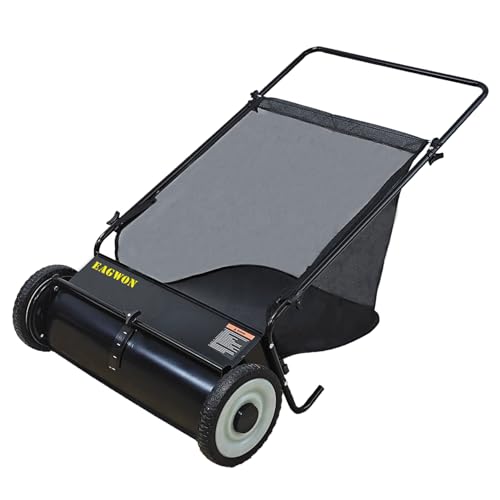
Push Lawn Sweeper, 26-Inch Width, 7 Cu. Ft. Hopper

Push Lawn Sweeper, 26 Inch 4-Brush System, 7 cu.ft. Bag

Brinly 42″ Tow-Behind Lawn Sweeper, Hammered Black
42″ Lawn Sweeper Tow Behind, 18.55 cu. ft Hopper

Garvee Push Lawn Sweeper, 26-Inch Width, 7 cu. ft. Hopper

21-Inch Push Lawn Sweeper, 3.5 Cu. Ft. Hopper

Grasstigon 21-Inch Manual Push Lawn Sweeper, 3.64 ft³ Hopper
That 21-inch working width makes this Dapper Supply model feel aimed at smaller lawns, narrow paths, and quicker weekend cleanup. The 3.5 cu ft non-woven bag keeps the profile lighter than the bigger tow-behind options later in this list, and the tool-free height adjustment should help you match brush contact to your grass length without fuss.
The folding frame matters too, especially for garage walls, sheds, and tight storage corners. For townhomes, compact yards, or anyone who wants a manual sweeper that doesn’t hog space, this is a tidy fit, though the smaller bag means more frequent emptying than the 7 cu ft models.
Strong Points
- 21-inch width keeps passes manageable in tighter yard layouts.
- Tool-free height changes make setup less tedious than screw-based adjustments.
- Foldable storage helps in garages with limited wall space.
- Non-woven bag lowers bulk for easier handling between dumps.
Things To Consider
- The smaller hopper fills faster during heavy leaf drop.
- It asks more of your walking pace than the tow-behind picks.
Feature Snapshot
Who It Suits Best
Smaller-yard homeowners who want a simple push sweeper with easy storage will get the most from this one.
A Better Fit Elsewhere
Garvee Push Lawn Sweeper, 26-Inch Width, 7 cu. ft. Hopper suits larger suburban lawns better because its wider sweep and bigger bag cut down on dump stops.
This EAGWON sweeper sits in the middle of the size spectrum in a useful way, with a 26-inch width and a 7 cu ft hopper that should suit medium lawns better than the smaller Dapper Supply unit. Four spinning brushes give it more surface contact, and the steel frame with rubber wheels points to a sturdier feel over repeated passes on driveways and turf edges.
The honest trade-off is weight and storage space, because a larger frame usually asks for more room in the shed and a little more effort to maneuver around beds or tight corners. For households that gather a lot of leaves, grass, and the occasional pine cone across a standard suburban lot, this is a sensible middle ground.
What We Like
- 26-inch sweep width covers ground faster than the 21-inch picks.
- Seven cubic feet of hopper space means fewer stop-and-dump breaks.
- Steel frame adds a more substantial feel for regular use.
- Rubber wheels should roll more smoothly across mixed hard and soft surfaces.
Small Caveats
- The larger body is less nimble in narrow side yards.
- You may need more storage room than the foldable compact pick.
- Brush setup can take a little attention on uneven turf.
At A Glance
Who Should Grab It
Medium-size yard owners who want one sweeper for leaves, grass, and occasional pine cones will get a lot of practical mileage here.
Where A Sibling Pick Shines
Garvee Push Lawn Sweeper, 26-Inch Width, 7 cu. ft. Hopper is the closer match for anyone who wants a similar footprint with a more storage-friendly, easy-setup feel.
GarveeLife leans into a familiar formula here, but the yellow finish, 26-inch width, and 4-brush setup give it a slightly more assertive presence than the lighter Dapper Supply model. The mesh bag is a practical touch for airflow and debris collection, and the steel frame should hold up well for homeowners who sweep often through leaf season.
For most backyards, this one makes sense when you want a push sweeper that feels ready for repeated use rather than occasional tidy-ups. The trade-off is the same one you see in many wider manual sweepers, since a larger footprint is not as friendly in narrow storage spots or small turning areas.
Upsides
- Extra-wide 26-inch path trims down the number of passes.
- Four brushes help catch scattered leaves and light yard debris.
- Seven cubic feet of capacity suits longer cleanup sessions.
- Steel frame gives the unit a more durable feel.
- Mesh bag supports airflow as debris collects.
Worth Noting
- The wider frame takes more room during storage.
- Mesh bags can ask for a little more care to keep them clean.
Details At A Glance
Made For
Homeowners with regular yard debris and enough storage room for a larger push sweeper will appreciate this one.
Another Choice May Suit
EAGWON Push Lawn Sweeper, 26-Inch Width, 7 Cu. Ft. Hopper is the more rounded fit for anyone who wants the same size class with rubber wheels and a straightforward all-purpose setup.
Once you move into tow-behind territory, the Brinly 42-inch sweeper starts looking like a different category entirely. High-velocity brushes matter here because the unit is built to cover broad ground behind a lawn tractor, which is a good match for larger properties with long runs of turf, tree drop, and scattered pine cones.
The hammered black finish gives it a more rugged, work-ready look than the smaller push models, though the real story is coverage, not style. The catch is that tow-behind gear asks for a tractor and more open storage, so it fits bigger properties better than compact suburban yards.
Reasons To Buy
- 42-inch width covers wide swaths efficiently.
- Tow-behind setup reduces the walking effort of push models.
- High-velocity brushes are suited to heavier seasonal cleanup.
- Works well for large lawns and longer driveways.
Areas To Watch
- Requires a compatible tractor or towing machine.
- Needs more storage room than push sweepers.
- Less convenient for quick cleanup in tight corners.
Core Details
The Right Fit
Property owners with tractors and larger lawns will get the most value from this tow-behind setup.
Where Shoppers Go Wrong
PPOLB 42″ Lawn Sweeper Tow Behind is the more sensible look for anyone who wants a huge hopper and built-in dumping rope to reduce stops during long cleanup days.
PPOLB pushes capacity hard with an 18.55 cu ft hopper, and that matters more than it sounds like on paper. Bigger hopper volume usually means fewer interruptions, which is handy on acreage, orchard edges, or any yard where pine cones, grass, and fallen leaves pile up fast.
The adjustable brush-height lever gives you another useful control point, while the dumping rope makes emptying less awkward than lifting a full basket by hand. The trade-off is simple, though, because a setup this large is best matched to a tractor, open storage, and a cleanup routine that actually needs that much hauling room.
Best Bits
- Very large hopper supports long cleanup stretches.
- Adjustable brush height helps tune ground contact.
- Dumping rope makes emptying more convenient.
- 42-inch tow-behind format suits broad properties.
Points To Note
- Size and capacity are overkill for tiny lawns.
- Towing gear is necessary, so it is not a standalone tool.
- Large units usually need more garage or shed room.
Feature Rundown
Whose Shelf It Belongs On
Large-property owners who want fewer dump stops and a tow-behind setup will appreciate this model most.
Look Elsewhere When
Brinly 42″ Tow-Behind Lawn Sweeper is the cleaner fit for someone who wants a more established brand feel and a hammered finish with high-velocity brushes.
This Garvee push sweeper reads like the practical middle path in the list, especially with its 26-inch width, 4-brush setup, and 7 cu ft hopper. The mention of all-terrain suitability is useful for mixed surfaces, where you might move from lawn to path to driveway without wanting a separate tool.
Compact storage and easy setup help it stay approachable, which matters for homeowners who want a yard tool that doesn’t feel like a weekend project. The honest read is that it still belongs in the push-sweeper class, so very large lawns will usually feel smoother with a tow-behind like the PPOLB or Brinly picks.
Bright Spots
- 26-inch sweep width keeps cleanup efficient.
- Seven cubic feet of hopper space reduces emptying stops.
- Four brushes support broader debris pickup.
- Easy setup and compact storage help in busy garages.
- All-terrain suitability broadens where you can use it.
Minor Gripes
- Still takes manual pushing, so large lawns will feel it.
- Compact storage helps, but it is not tiny.
Spec Overview
Who Will Love This
Homeowners with mixed-surface yards who want a manageable push sweeper and decent capacity will like this one.
Swap It Out When
Dapper Supply 21″ Push Lawn Sweeper is the easier choice for very tight storage spaces and smaller lawns that do not need the extra width.
This Garvee push sweeper is built around the basics that matter most for routine cleanup, starting with a 21-inch width and four spinning brushes. The 3.5 cu ft hopper keeps it in the light-duty class, which suits grass clippings, leaves, and small amounts of pine cone debris around patios or walkways.
Compared with the larger GarveeLife 26-inch model, this one is easier to guide in tighter spaces and less demanding to store. The trade-off is straightforward, because smaller capacity means more trips to empty it during heavier leaf season.
Positives
- 21-inch width is easy to guide around tighter yard sections.
- Four brushes help gather light debris consistently.
- Adjustable brush height supports different turf conditions.
- Good fit for quick cleanups after mowing.
Areas To Watch
- Smaller hopper means more frequent emptying.
- Manual pushing can feel repetitive on larger properties.
- Best results usually come with fairly light debris loads.
Key Specs
Right Fit For
Homeowners who want a light, straightforward sweeper for routine clipping and leaf pickup will get the most from it.
A Better Fit Elsewhere
Garvee Push Lawn Sweeper, 26-Inch Width, 7 cu. ft. Hopper is the stronger match for bigger yards where capacity matters more than maneuverability.
Grasstigon stays in the same compact lane as the smaller push sweepers, but the 3.64 ft³ hopper gives it a touch more room than the Dapper Supply and Garvee 21-inch picks. Durable wheels matter more than they sound, because a sweeper feels much easier to live with when it rolls cleanly across grass, driveway edges, and packed soil.
For routine yard upkeep, that slightly larger hopper can shave off a few dump runs without pushing the tool into bulky territory. The trade-off is that it still belongs to the manual cleanup crowd, so large properties and dense leaf fall will usually call for a wider machine.
Highlights
- 3.64 ft³ hopper offers a bit more room than other compact picks.
- 21-inch width stays friendly in narrow spaces.
- Durable wheels support smoother movement around the yard.
- Good fit for routine clipping and light debris pickup.
Softer Spots
- Manual operation takes more passes on larger lawns.
- Small-to-mid debris loads suit it better than heavy seasonal piles.
- Compact capacity still means regular dumping on busy cleanup days.
Technical Sheet
Built With In Mind
Homeowners looking for a simple manual sweeper for regular yard touch-ups will find this size easy to handle.
Reach For A Different Pick When
Brinly 42″ Tow-Behind Lawn Sweeper is the better match for much larger properties where a tractor and wide towing path make more sense.
How To Choose The Right Lawn Sweepers For Pine Cones
Start With Your Yard Size
Width and hopper size should lead the decision. A 21-inch push sweeper makes sense for tighter lots, short driveways, and edges around shrubs, while a 26-inch model covers more ground with each pass. Tow-behind sweepers change the pace entirely, since 42-inch coverage suits bigger properties and long cleanup routes.
Pine cones add another layer, because they often sit heavier than grass clippings and lighter than wet leaves. Bigger hoppers matter most when the yard drops a lot of material at once, since fewer dump stops keep the job moving.
Match The Tool To The Surface
Brush count and height adjustment shape how well the sweeper meets the ground. Four-brush push models usually handle mixed debris well, but the brush setting still needs to sit low enough to catch pine cones without scraping too hard.
Flat lawns, paved borders, and packed soil all behave a little differently. Rubber wheels, steel frames, and easy brush adjustment help the sweeper stay planted and predictable across those surfaces.
Think About Storage And Handling
Storage matters more than many people expect. Foldable frames, smaller bags, and lighter push models are easier to tuck into garages and sheds, while tow-behind units ask for much more room.
Manual push sweepers suit quick touch-ups and lighter loads. Tractor-towed options make sense when the yard is large enough that walking every row would feel like a long haul.
Look For Ownership-Friendly Details
Tool-free height changes save time, especially when grass conditions shift through the season. Mesh or non-woven bags also affect upkeep, since both tend to be easier to shake clean than hard shells, though they can need more care than a rigid container.
Think through dumping too. A rope release or a lighter hopper reduces strain, and that matters on longer cleanup days when you want the job to feel orderly instead of awkward.
Things Worth Knowing First
Common Shopping Slip Ups
Many people size up only by width and miss the hopper volume. That leads to more emptying than expected, especially during pine cone season when debris piles up fast.
Another common miss is overlooking storage space. A wide tow-behind can be a poor fit for a small shed, even when the specs look attractive on paper.
What The Higher Tier Buys
More expensive sweepers usually bring larger hoppers, wider working paths, stronger frames, and better control over brush height. Those upgrades show up as fewer passes, fewer dumps, and less frustration on larger lawns.
The extra spending makes sense when you clean a big property often, or when your yard drops heavy debris after storms and seasonal shedding. For small, tidy lawns, the simpler push options already cover a lot of ground.
Frequently Asked Questions
Can lawn sweepers handle pine cones well?
They can handle light to moderate pine cone cleanup, especially when the cones are dry and scattered. Wider brushes and lower brush settings usually help more than a small hopper alone.
Are push sweepers easier to store than tow-behind models?
Yes, push sweepers usually take less room and are simpler to park in a garage. Tow-behind models need more storage depth and a towing setup.
Do larger hoppers matter for pine cone cleanup?
They matter a lot when your yard drops a mix of leaves, grass, and pine cones. Bigger capacity means fewer stops, which keeps long cleanup sessions moving.
What size works best for a small yard?
A 21-inch push sweeper usually fits small yards better because it turns more easily in tight areas. A compact hopper also keeps handling simpler.
Is brush adjustment really important?
Yes, brush height changes how closely the sweeper reaches the turf and how well it lifts loose debris. That matters on uneven grass, packed soil, and edges near pavement.
