

Choosing lawn mulch gets easier once you match the material to the job. Straw-based picks suit seeding and bare spots, while coco mulch and blended starter formulas serve more specific planting needs. You’ll see clear differences in coverage, cleanup, and how much moisture each option helps hold in the soil.
This roundup focuses on practical use, not flashy claims. You get options that make sense for backyard reseeding, vegetable beds, compost-minded gardens, and patch repairs after a rough season.
Quick Look At The Shortlist

SuperMoss Coco Mulch 200 in3

HealthiStraw GardenStraw 3 cu ft

HealthiStraw GardenStraw Mulch Box 2 cu ft

Blue Mountain Hay Organic Garden Straw Mulch 10lb
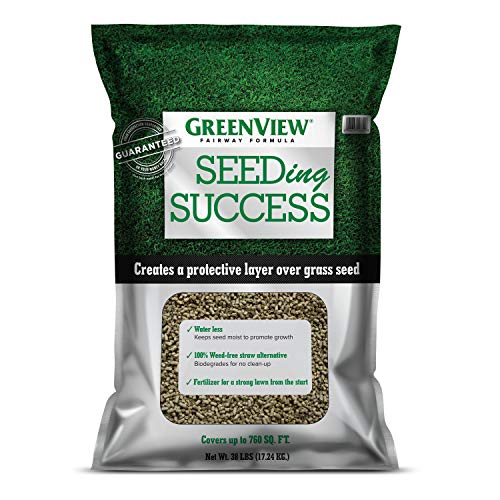
GreenView Fairway Formula Seeding Success 38 lb

EZ-Straw Seeding Mulch with Tackifier 2.5 cu ft
More Details On Our Top Picks
Small planting spaces tend to suit this coco mulch well, especially on patios or in tidy container setups. The 200 cubic inch size keeps it compact, so you’re not dealing with a bulky bag for a modest job.
Compared with the straw-based picks later in this list, this one leans more toward decorative surface coverage than broad lawn repair. That makes it a neat fit for growers who want a natural-looking top layer with very little storage fuss.
What We Like
- Natural brown look suits visible planters.
- Compact format is easy to store.
- Works well for small, targeted coverage.
- Simple to pour and spread by hand.
Things To Consider
- The small volume makes it better for limited spots than wide yard projects.
- You may need multiple units for larger beds.
Feature Snapshot
Who It Suits Best
Container gardeners and patio growers who want a small, neat mulch layer will get the most from it.
A Better Fit Elsewhere
Blue Mountain Hay Organic Garden Straw Mulch 10lb suits you better for larger beds that need more coverage in one go.
This straw mulch is built for bigger yard jobs, especially new garden beds, vegetable rows, and patchy lawn seeding. The 3 cubic foot volume gives you broad coverage without forcing you into a tiny, stop-and-start routine.
Because it uses cleaned wheat straw, the material feels more purpose-built than decorative, and that matters in busy backyards. You may find it especially handy when you want moisture retention and a cleaner spread than rough, mixed yard straw.
Highlights
- Large volume suits broader garden or lawn areas.
- Cleaned straw helps cut down on debris in the spread.
- Moisture retention helps soil stay cooler for longer stretches.
- Useful for compost-minded gardeners who want straw that breaks down naturally.
- Works across vegetables, herbs, flowers, and fruit beds.
Points To Note
- The bulk makes storage less convenient than the compact SuperMoss and HealthiStraw box options.
- Loose straw can need a little settling after windy days.
Core Details
Who Will Love This
Home gardeners with wide beds, lawn repair projects, or compost-friendly routines should feel right at home with it.
Swap It Out When
EZ-Straw Seeding Mulch with Tackifier is a tighter fit for sloped spots where a bit more hold matters.
The box format makes this one easier to handle than the larger HealthiStraw bundle, especially for smaller yards or a quick reseeding weekend. A 2 cubic foot size is easier to stash in a shed, garage corner, or basement shelf.
It still sticks to the same wheat-straw approach, so you get the familiar seed-covering feel without the bulk of the 4-pack option. That trade-off suits gardeners who care more about convenience and less about stocking material for multiple rounds.
Bright Spots
- Box packaging is easier to store than loose bulk-style options.
- Smaller size works well for spot repairs and narrow beds.
- Cleaned straw keeps the spread more manageable.
- Good fit for gardeners who prefer lighter lifting.
Small Caveats
- The smaller volume means more packages for larger lawns.
- Box form is practical, though it still takes shelf space.
Details At A Glance
Built With In Mind
You’ll appreciate this most for smaller lawns, limited beds, and quick cleanup-friendly projects around the house.
Another Choice May Suit
GreenView Fairway Formula Seeding Success 38 lb works better for larger seeding jobs where starter support matters too.
This straw mulch sits in a useful middle ground for beds, seeding work, and general garden cover. The 10-pound pack is manageable without feeling too tiny, so it suits homeowners who want a straightforward bag for a weekend project.
Compared with the HealthiStraw options, it looks aimed more at general bed coverage than large-volume lawn repair. The honest read is that it fits gardeners who want a simple natural layer without extra frills.
Positives
- General-purpose format suits beds and light seeding.
- Moderate size is easier to move than bulkier straw packs.
- Useful for moisture hold in established garden rows.
Softer Spots
- The pack size is better for smaller or medium areas than large lawn projects.
- You may need extra bags for wide coverage.
- Loose straw can need occasional tidying after spreading.
Spec Overview
Right Fit For
Gardens with mixed beds, modest seeding patches, and homegrown produce rows suit this style well.
Reach For A Different Pick When
HealthiStraw GardenStraw 3 cu ft works better for bigger coverage jobs that need a larger straw supply in one package.
This one pulls away from the pure straw options because it pairs a biodegradable seeding mulch with starter fertilizer, a helpful combo for bare spots and fresh lawn starts. For homeowners dealing with thin patches, that mix can simplify the first stage of repair.
The 38-pound bag and 760 square foot coverage make it feel purpose-built for larger lawn projects rather than small garden tidy-ups. One thing worth considering is that it does not include grass seed, so you still need to match it with the seed you want.
Reasons To Buy
- Mulch and starter fertilizer in one bag.
- Coverage suits a broad reseeding project.
- Biodegradable format aligns with simple cleanup.
- Useful for thin spots and freshly prepared lawn areas.
Areas To Watch
- Does not include grass seed.
- Less useful for gardeners who only want plain straw cover.
- The bag size is more suited to yard work than small planter jobs.
Quick Facts
The Right Fit
Homeowners reseeding broad sections of lawn will get the most from this bag.
Look Elsewhere When
EZ-Straw Seeding Mulch with Tackifier suits you better on windy or sloped ground where extra hold matters more.
This EZ-Straw bale stands out because of the tackifier, a bonding agent that helps the straw hold together after spreading. That matters in places where wind or runoff can scatter lighter mulch, especially on slopes or freshly seeded runs.
Compared with GreenView’s starter-heavy formula, this one stays more focused on physical coverage and seed protection. The trade-off is simple, you get that extra hold, but not the fertilizer pairing that some lawn projects call for.
Upsides
- Tackifier helps the straw cling together after spreading.
- Useful for seed protection on exposed or sloped ground.
- Biodegradable processed straw keeps the material in a natural-use lane.
- 2.5 cubic foot bale suits medium lawn jobs.
Worth Noting
- The focus is hold and coverage, not starter fertilizer.
- Heavier-duty handling can feel less neat than smaller box formats.
- Loose straw still needs even spreading for good results.
Core Details
Whose Shelf It Belongs On
People dealing with seed washout, breezy lots, or sloped yard areas should give this one a close look.
Where A Sibling Pick Shines
HealthiStraw GardenStraw 3 cu ft is easier to choose for broad, dry-yard coverage where tackifier is less important.
How To Choose The Right Lawn Mulches
Match The Mulch To The Job
Seed-starting mulch and bed mulch solve different problems. Straw-based options like HealthiStraw and EZ-Straw are better for lawn repair, while coco mulch works more like a surface cover for containers and small planters.
Coverage matters just as much as material. A 2 to 3 cubic foot bale suits modest projects, but a 38-pound bag with 760 square feet of coverage makes far more sense for a broad reseeding job.
Look Closely At Material And Cleanliness
Cleaned wheat straw usually spreads more evenly than rough field leftovers. That matters in a busy garden because less debris means less tidying after the mulch goes down.
Coco mulch has a different feel altogether, with a finer, more finished look that fits pots and patio beds. The trade-off is simple, it’s better for neat surface use than for wide lawn coverage.
Think About Moisture Control And Hold
Moisture retention helps soil stay cooler and reduces how often you need to water. That is especially useful in raised beds, vegetable rows, and hot stretches where bare soil dries out quickly.
Tackifier changes the equation on windy lots and sloped ground. It gives straw more cling, so the mulch is less likely to drift after you spread it.
Choose Size For Storage And Handling
Small boxes are easier to store in a garage or shed, and they suit quick weekend jobs. Larger bundles make more sense when you want to cover a bigger space without buying several packages.
Weight affects how pleasant the job feels, too. A 10-pound pack is easier to move than a 38-pound bag, and that difference matters more than it sounds after a long afternoon in the yard.
What To Weigh Before You Commit
Mistakes Worth Dodging
Many shoppers focus on bag size alone and miss the actual use case. A decorative coco mulch won’t replace a seeding mulch, and a plain straw bale won’t give you starter support.
Another common miss is forgetting about storage and cleanup. Loose straw is simple to spread, but it can ask for a little tidying after windy weather or a rough pour.
The Upgrade Payoff
Higher-tier options usually cost more because they add cleaner processing, bigger coverage, or a second function. GreenView’s seeding blend combines mulch with starter fertilizer, which saves you a separate step for lawn repair.
EZ-Straw adds tackifier, and that extra binding helps on slopes or exposed ground. That kind of upgrade is worth paying for only when your yard conditions make ordinary straw too easy to move around.
Frequently Asked Questions
Can lawn mulch help with new grass seed?
Yes, straw mulch and seeding blends are commonly used to cover seed and help keep the soil surface from drying too quickly. GreenView and EZ-Straw are the more direct fits for that job.
What’s the difference between straw mulch and coco mulch?
Straw mulch is better for lawn repair, beds, and seed protection. Coco mulch has a finer, more finished feel that suits containers and smaller visible spaces.
Do you need starter fertilizer with mulch?
Not always, but it can simplify a fresh lawn project. GreenView includes starter fertilizer, while the straw-only picks stay focused on coverage.
Which option works better for windy yards?
EZ-Straw is the strongest fit here because the tackifier helps the straw hold together. That extra hold matters more on exposed ground and slopes.
How do you choose between a small box and a larger bale?
Choose the box for quick spot jobs and easy storage. Choose the larger bale or bag for broad coverage, especially on seeded lawn areas or bigger beds.
