

When your mower belt slips, frays, or snaps, the whole weekend plan can stall in the driveway. This roundup keeps the focus on fit, belt length, and deck size so you can match the right replacement to the machine already in your garage.
You’ll see options for common 42-inch riding decks, wider zero-turn decks, and a few stand-on and commercial-style setups. The aim is simple, choose a belt that matches your mower’s route and size, so the deck keeps spinning without guesswork.
The Shortlist At A Glance
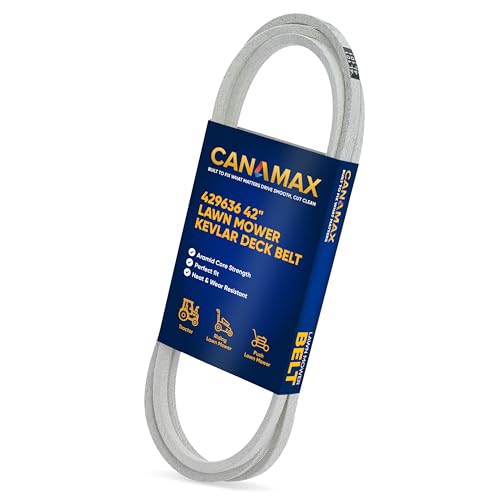
Canamax 429636 197253 Mower Deck Belt

UDC Parts GX20072 Deck Belt 1/2" x 104"

UDC Parts 954-04060C Deck Belt Replacement

UDC Parts 144959 Deck Belt

S486586 486586 Lawn Mower Deck Drive Belt

144959 Mower Deck Belt for Craftsman 42 Inch

UDC Parts 119-8820 Deck Belt 1/2" x 141.5"
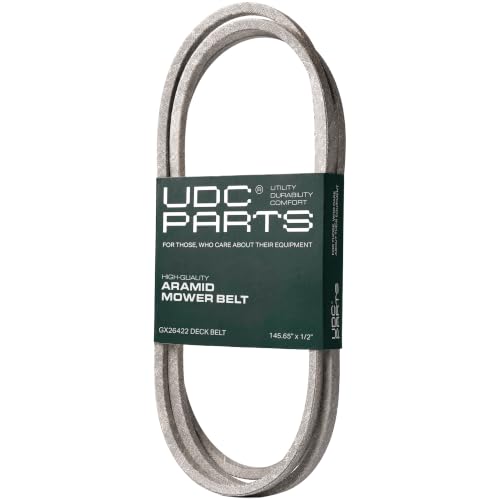
UDC Parts GX26422 Mower Deck Belt Replacement
For many 42-inch riding mowers, the main question is fit, not flash, and this Canamax belt speaks that language clearly. The aramid cord construction matters because aramid is a high-strength fiber used in belts that see regular deck tension, so you’re looking at a stronger reinforcement layer than plain rubber alone.
The 1/2-inch width and 101.5-inch length place it in the familiar replacement zone for Craftsman, Husqvarna, AYP, and Poulan setups listed on the product page. That makes it a sensible match for a garage repair that needs to get the deck turning again without a lot of second-guessing.
Strong Points
- Aramid cord helps the belt suit regular deck load on typical suburban yards.
- The 101.5-inch length covers a common 42-inch deck replacement need.
- Cross-brand compatibility gives you a wider match window than single-model belts.
- It fits a familiar repair profile, so setup feels less like trial and error.
Things To Consider
- Model matching still matters, since 42-inch decks can route belts differently.
- The long fit list helps, but it also means you should confirm your part number first.
- Like most deck belts, dust and clippings can shorten service life around pulleys and idlers.
Feature Snapshot
Who It Suits Best
Homeowners replacing a worn 42-inch deck belt on a Craftsman, Husqvarna, AYP, or Poulan riding mower will get the most out of this one.
Where A Sibling Pick Shines
UDC Parts GX20072 Deck Belt 1/2" x 104" suits John Deere 42-inch setups better, especially for owners whose model numbers sit in that Deere line.
John Deere 42-inch decks often reward a belt that matches both the width and the long model list, and this GX20072 replacement leans into that need. The 1/2-inch by 104-inch format gives you a very specific size target, which is useful when the old belt has stretched and the mower deck starts behaving loosely.
Compared with the Canamax pick above, this one is built around Deere fitment rather than a broader mixed-brand spread. That narrower focus can be a plus for straightforward home repairs, though you still need to confirm the exact deck routing on your machine.
What We Like
- Clear size spec makes identification easier during a parts swap.
- Aramid cord reinforcement suits repeated deck start-stop use.
- Long compatibility list helps John Deere owners narrow the search fast.
- The 42-inch deck match fits common residential mowing routines.
Areas To Watch
- Deere routing can vary by exact model, so the part number still deserves a check.
- The fit range is focused enough that it may not help outside the listed tractors.
Details At A Glance
Who Should Grab It
Owners of John Deere D110, L110, D105, E100, or similar 42-inch models get the cleanest fit story here.
Swap It Out When
Canamax 429636 197253 Mower Deck Belt makes more sense for mixed-brand 42-inch tractors, especially around Craftsman and Husqvarna decks.
This is the kind of replacement that makes sense for a busy two-car garage, where a Troy-Bilt or Cub Cadet needs to get back to work without much drama. The 96.50-inch length and aramid cord construction give you a clear spec profile, and that helps a lot when you’re replacing a stretched deck belt that no longer tracks cleanly.
Unlike the Deere-focused GX20072 above, this one reaches across Troy-Bilt, Cub Cadet, MTD, and Craftsman decks that share related routing patterns. The honest read is that the fit range is helpful, but confirming the exact part number still saves you from a mis-match.
Highlights
- Broad coverage across several familiar riding mower families.
- Aramid cord adds a tougher reinforcement layer for regular mowing.
- The 96.50-inch length is clearly stated, which simplifies parts matching.
- Well suited to homeowners handling seasonal deck maintenance.
Points To Note
- Exact mower routing still matters more than brand name alone.
- The mixed compatibility list can make model checks feel a little tedious.
- Like most deck belts, keeping pulleys and tensioners clean helps day-to-day reliability.
Core Details
Made For
Homeowners with Troy-Bilt Pony, Bronco, Cub Cadet LTX, or similar 42-inch decks will find the cleanest match path here.
Another Choice May Suit
UDC Parts 144959 Deck Belt is a better fit for older Craftsman and Husqvarna riders that need a shorter 95.4-inch-style replacement.
Some replacement belts earn their value by covering older machines well, and this 144959 option does exactly that. The 1/2-inch by 95.4-inch size is useful for classic Craftsman, Husqvarna, Poulan, AYP, and Ariens riders, especially when you’re maintaining a mower that has already seen a few seasons of work.
Compared with the 954-04060C above, this belt leans a little more into the older legacy fleet instead of the broader MTD family. That narrower lane is helpful for owners who know the exact deck part number, although the fit still deserves a careful check before you order.
Bright Spots
- Exact 95.4-inch length helps with older Craftsman-style deck swaps.
- Fits a useful spread of legacy riding mower brands.
- The 1/2-inch width aligns with many common mower deck pulleys.
- Good match for owners keeping an aging mower in service.
Small Caveats
- Older mower families often hide small routing differences, so part matching matters.
- Keeping the underside of the deck clean helps the belt stay seated and wear more evenly.
Feature Card
The Right Fit
Owners of older Craftsman, Husqvarna, Poulan, or Ariens riding mowers who know their deck number will get the most out of this belt.
Look Elsewhere When
Canamax 429636 197253 Mower Deck Belt is the better path for a slightly longer 101.5-inch fit on a different set of 42-inch machines.
Commercial stand-on mowers need longer, tougher belt routing than the residential picks above, and this Scag-focused belt sits squarely in that lane. The listed fit for SVRII 61-inch stand-on machines tells you it’s built for a different kind of workload, the sort that shows up in professional mowing schedules and wide, open properties.
Aramid cord again matters here, but the bigger story is the 61-inch platform compatibility tied to multiple Scag engine and deck combinations. The trade-off is simple, it’s specialized, so the upside is strong fit confidence for the right machine and very little value outside it.
Positives
- Built around a commercial stand-on Scag platform.
- Aramid cord reinforcement suits repeated deck tension.
- Useful for large properties where wider deck coverage saves passes.
- Clear model grouping helps professional maintenance planning.
Worth Noting
- Very specific fit range limits usefulness beyond listed Scag machines.
- Commercial equipment owners usually need to confirm routing against the exact deck setup.
- Longer belts like this benefit from careful storage so they don’t take a set.
Quick Facts
Whose Shelf It Belongs On
Commercial landscapers and property crews running compatible Scag stand-on mowers are the strongest match for this belt.
Skip It When
UDC Parts 119-8820 Deck Belt suits Toro TimeCutter and Exmark zero-turn owners much better, especially on 50-inch decks.
Sometimes the cleanest repair is the least fussy one, and this 144959 belt keeps the focus on a familiar 42-inch Craftsman fit. The 1/2-inch by 95.5-inch sizing lines up with a lot of legacy riding mowers, which makes it appealing for a straight replacement on machines that have already earned their keep.
Compared with the UDC Parts 144959 option above, this Tecreddy belt is very close in purpose and size, so your choice may come down to model naming and the exact part number on your old belt. That sort of overlap is normal in this category, and it’s why confirming the stamped number on the worn belt still pays off.
Best Bits
- Clear compatibility with many older Craftsman 42-inch riders.
- Size listing gives a straightforward replacement target.
- Works well for homeowners keeping a familiar mower going.
- Good match for routine, no-frills deck repairs.
Room For Improvement
- The fit overlaps with several similarly named belts, so part checks matter.
- Owners of heavily used mowers should inspect idlers and pulleys at the same time.
- Frequent deck cleaning helps prevent grit from wearing the belt edges.
Core Details
Built With In Mind
Owners of Craftsman LT1000, LT2000, DLT3000, DYT4000, and similar riding mowers are the main match group here.
Reach For A Different Pick When
UDC Parts GX20072 Deck Belt 1/2" x 104" is a better fit for John Deere owners who need that slightly longer Deere-specific setup.
Zero-turn owners usually care about two things here, the exact length and the way the belt holds up under frequent deck engagement. At 141.5 inches with aramid cord reinforcement, this one is aimed at Toro TimeCutter and Exmark Quest machines that run a 50-inch deck, which puts it in a very different class from the shorter residential belts above.
The longer span can feel like overkill next to the 95-inch and 104-inch belts, but that’s the point, it’s sized for wider machines and broader deck geometry. For homeowners moving up from a compact rider or for crews covering bigger properties, the fit detail carries more weight than brand familiarity.
Upsides
- Long 141.5-inch size fits a wider zero-turn layout.
- Aramid cord suits the repeated starts common on larger mowers.
- Broad TimeCutter and Quest coverage helps with model matching.
- Good choice for larger lawns that benefit from a 50-inch deck.
Minor Gripes
- Long belts need precise routing, so installation care matters.
- The fit is narrow enough that it won’t help most 42-inch riders.
- Keeping the deck path clean matters more on longer zero-turn setups.
Spec Overview
Perfect Match For
Toro TimeCutter and Exmark Quest owners with 50-inch decks will get the clearest fit from this belt.
Where A Sibling Pick Shines
S486586 486586 Lawn Mower Deck Drive Belt suits Scag 61-inch stand-on machines better, especially for commercial users working larger properties.
John Deere zero-turn owners often need a belt that fits a very specific deck size, and this GX26422 replacement does that job with a long 145.65-inch length. The aramid cord layer gives it the kind of reinforcement that matters on wide ZTrak machines, where the belt path is longer and a poor match can show up quickly.
Compared with the GX20072 earlier in the list, this one serves the larger Z325E and 54-inch deck group, plus the 48-inch Z355E, Z355R, and Z365R range. That makes it a smart match for you once the model number and deck size line up, but not a casual substitute for smaller riders.
What We Like
- Long 145.65-inch span suits larger John Deere zero-turn decks.
- Aramid cord helps the belt stand up to repeated deck use.
- Clear ZTrak compatibility reduces guessing for the right machine group.
- Good fit for owners who need to keep a wide mower productive.
Trade Offs
- Specialized fit means it won’t help outside the listed Deere models.
- Long zero-turn belts reward careful installation and tension checks.
- Keeping the spindle area clean can help the belt seat more consistently.
Feature Rundown
Best Suited To
Owners of John Deere Z325E, Z375R, Z330M, Z330R, or the listed 48-inch ZTrak models will find the best fit here.
Another Choice May Suit
UDC Parts 119-8820 Deck Belt is the better path for Toro TimeCutter and Exmark zero-turn owners who need a different 50-inch routing style.
How To Choose The Right Lawn Mower Belts
Match The Part Number First
The safest starting point is the number stamped on your old belt or listed in the mower manual. Belt length alone doesn’t tell the whole story, because pulley routing, deck width, and even small model changes can alter the correct fit.
That’s why exact part numbers matter more than brand name or a long list of compatible machines. For older riders, especially, the same mower family may use several belt revisions across different years.
Measure Width And Length With Care
Most lawn mower belts in this roundup use a 1/2-inch width, but length varies a lot, from roughly 95 inches to well over 145 inches. That spread reflects the difference between compact 42-inch riding decks and larger zero-turn or stand-on machines.
A belt that is even a little off can ride poorly or feel too loose under load. For a weekend homeowner, that usually means another repair cycle, so the tape measure and part number both earn their keep.
Think About The Cord Material
Aramid cord means the belt includes a strong synthetic reinforcement layer, which helps it handle tension and deck engagement. It’s common in higher-stress mower belts because the material supports the belt carcass without adding much bulk.
That said, aramid cord does not remove the need for good deck maintenance. Clean pulleys, aligned spindles, and decent tension still matter more than any single material callout.
Choose Based On Your Mower Type
Standard riding mowers usually need shorter, more common replacements, while zero-turn and commercial stand-on machines often need longer, more exact fits. The machine type shapes the belt path, and the belt path shapes the replacement choice.
Homeowners with a 42-inch deck can usually focus on legacy compatibility and exact length. Landscapers and large-property owners should lean harder on model lists and routing specifics, because a wrong belt on a bigger deck can become a repeated annoyance.
Things Worth Knowing First
Wrong Turns To Avoid
One common mistake is choosing by deck width alone and ignoring the actual part number. Another is assuming that a belt listed for the same brand will fit every mower from that brand, which is rarely true.
Spacing, routing, and idler placement can shift from one model to the next. That’s why a quick model check beats a rushed guess every time.
What The Higher Tier Buys
More expensive mower belts usually earn that price through stronger reinforcement, tighter model coverage, and better fit specificity. In this category, you’re often paying for a belt that matches a narrower machine group, which can save time during installation.
The upgrade makes sense for commercial mowers, larger zero-turns, and any deck that works hard in long grass or on bigger properties. For a small residential rider, a simpler replacement usually does the job without extra cost or complexity.
Frequently Asked Questions
How do you know which mower belt fits?
Start with the part number from the old belt or the mower manual. Then compare width, length, and the exact model list on the product page.
Why do some belts have aramid cord?
Aramid cord is a reinforcement layer that helps the belt handle tension and repeated deck use. It matters most on machines with longer belt paths or heavier mowing routines.
Can a 42-inch belt fit more than one mower brand?
Yes, many 42-inch belts cover several brands that share similar deck layouts. The model number still matters, because brand alone does not guarantee a match.
What causes a mower belt to wear out early?
Dirty pulleys, worn idlers, and misaligned deck components can shorten belt life. Thick grass buildup under the deck can also add extra strain.
Should you replace pulleys at the same time?
Worn pulleys or tensioners can make a new belt wear unevenly. Replacing only the belt works in some repairs, but a tired pulley set can bring the same problem back sooner.
