

Keeping grass green usually comes down to picking the right feed for your yard size, season, and routine. Some lawns need a fast-acting liquid boost, while others respond better to a slow-release granule that keeps working after the bag is put away. The eight picks below cover both styles, plus a few specialized options for seeding, heavy coverage, and iron-focused color support.
Quick Look At Our Shortlist

Jonathan Green Veri-Green Nitrogen Lawn Fertilizer 29-0-3 15,000 Sq. Ft.

Jonathan Green Green-Up Lawn Food 29-0-3 5,000 Sq. Ft.

Jonathan Green Green-Up Lawn Food for Seeding & Sodding 12-18-8 1,500 Sq. Ft.

Petramax Liquid Nitrogen Fertilizer 28-0-0 32 Oz

PetraMax Neighbor’s Envy Grass Fertilizer 1 Gallon 7-in-1

Scotts Liquid Green Max Lawn Food 32 oz.
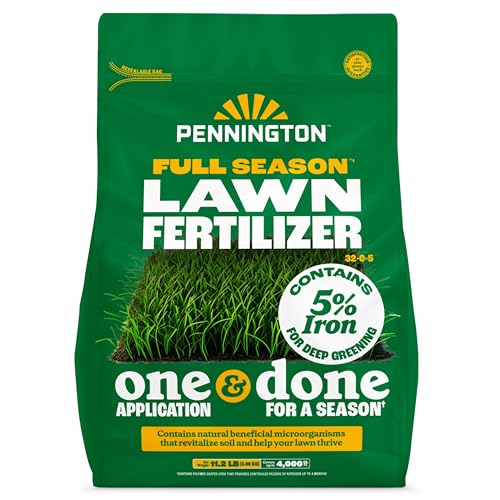
Pennington Full Season Lawn Fertilizer 4M 32-0-5 RF 3/11.2Lb

Earth Science IronPro Fast Acting Lawn Garden Iron Supplement 5 lb
Big yards usually need a feed that stretches without feeling fussy, and this Jonathan Green bag fits that job cleanly. The 29-0-3 formula points to nitrogen-heavy feeding, which means it’s built around green color and steady turf growth rather than a broad all-purpose blend. A 15,000-square-foot coverage claim makes it the most coverage-focused option in this lineup, while the simple granule format keeps application straightforward.
That makes it a strong match for you managing a larger suburban lawn or an open front yard that fades fast in summer. The trade-off is that a high-nitrogen product asks a bit more judgment around application timing, especially in hot weather or on grass that already looks stressed.
Strong Points
- Large coverage suits spacious yards without constant repurchasing.
- 29-0-3 formula keeps the focus on leaf color and visible green-up.
- Granular format works well with standard spreaders.
- Simple formula is easy to read at a glance.
Things To Consider
- High nitrogen calls for careful timing on already-stressed turf.
- Granules need even spreading, so uneven passes can show.
- The large bag suits bigger properties better than tiny city lawns.
Core Details
Who It Suits Best
You get the most from this pick with a large home lawn that needs a straightforward green-up plan and regular mower care.
A Better Fit Elsewhere
Jonathan Green Green-Up Lawn Food 29-0-3 5,000 Sq. Ft. suits smaller yards more neatly, especially where a full 15,000-square-foot bag would be more than you need.
This smaller Jonathan Green bag keeps the same 29-0-3 nutrient profile as the larger Veri-Green option, but the 5,000-square-foot coverage makes it a better everyday match for compact suburban lawns. Granular lawn food tends to be easy to store in a garage shelf or garden bin, and the 15-pound bag size is more manageable for routine use.
For you caring for a modest front yard or a fenced backyard, that size can feel easier to live with than hauling a bigger bag you won’t finish quickly. The honest read is that it’s less flexible for large properties, so it fits best where the yard size is already clear.
What We Like
- Same nutrient ratio as the larger Jonathan Green bag.
- 5,000-square-foot coverage suits compact residential lawns.
- 15-pound bag is easier to move and store.
- Granular format pairs well with routine spreader use.
Points To Note
- Smaller coverage means it is less efficient for expansive yards.
- Granules still need even application for a uniform look.
Feature Snapshot
Made For
You get a clean fit here for a small-to-mid-size yard where simple storage and predictable coverage matter more than bulk.
Another Choice May Suit
Jonathan Green Veri-Green Nitrogen Lawn Fertilizer 15,000 Sq. Ft. suits larger properties better, especially where you want one bag to handle a wide expanse.
New grass needs a different nutrient balance than an established lawn, and this Jonathan Green formula is shaped around that problem. The 12-18-8 ratio shifts away from a nitrogen-heavy push and gives more attention to establishment, which makes sense for seeding or sod work where root support matters more than a quick cosmetic boost.
The 1,500-square-foot coverage also tells you this is meant for focused jobs, not sprawling yard care. For patch repair, starter beds, or a small new lawn section, that can be exactly right, though the smaller coverage means it is not the smartest choice for a whole-property feeding routine.
Highlights
- 12-18-8 ratio is tailored to seeding and sod establishment.
- Smaller coverage keeps the bag sized for targeted projects.
- Better nutrient balance for young turf than a plain green-up feed.
- Useful for patching, renovation work, and new sections.
Minor Gripes
- Coverage is narrow, so it is not built for large lawns.
- Specialized use makes it less versatile than the two 29-0-3 options.
Details At A Glance
Right Fit For
You benefit most here in a seeding project, a newly sodded section, or any small area that needs a starter-focused feed.
Where A Sibling Pick Shines
Jonathan Green Green-Up Lawn Food 29-0-3 5,000 Sq. Ft. is the easier match for an established lawn that needs broader routine feeding.
Liquid fertilizer changes the pace of lawn care, and this Petra bottle is built for quick, spray-on coverage. The 28-0-0 NPK ratio keeps the formula nitrogen-heavy, while the 32-ounce format fits spot treatments, front-yard touch-ups, or a smaller lawn that needs a fast green push without hauling a big bag.
Compared with the granular Jonathan Green picks, this one is easier to apply around awkward edges and tighter spaces, though you do need a sprayer and a little more cleanup after use. The mix of quick and slow release also helps it feel less one-note than a simple short-burst feed.
What We Like
- Spray application makes it useful for fast touch-ups.
- 28-0-0 ratio focuses strongly on green color.
- 32-ounce bottle is easy to store and carry.
- Quick and slow release balance gives it broader day-to-day use.
Worth Noting
- A sprayer is part of the routine, so cleanup matters more than with granules.
- Smaller bottle size is better for targeted coverage than huge properties.
- High nitrogen still deserves common-sense timing around stressed turf.
Feature Card
Best Suited To
You get the most value here for routine touch-ups, fence-line work, or a small yard where spray application feels easier than spreading granules.
Skip It When
Pennington Full Season Lawn Fertilizer 4M 32-0-5 RF 3/11.2Lb fits better for you if a slow-release seasonal plan matters more than a liquid routine.
This PetraMax concentrate leans toward the gardener who wants more than a single-nutrient fix. The source features point to nitrogen, iron, humic, and sea kelp in a 7-in-1 liquid blend, so you’re looking at a multi-ingredient approach that aims beyond basic feeding, with coverage for up to 16,000 square feet from one gallon.
That makes it attractive for homeowners who prefer one mixed formula instead of juggling separate supplements. The flip side is that multi-ingredient concentrates ask a little more attention during mixing and application, and the broad feature list can feel more complex than a plain fertilizer bag.
Reasons To Buy
- 7-in-1 blend brings several feeding elements into one bottle.
- One-gallon size reaches a very large area.
- Liquid format works well for lawn and garden routines.
- Multi-ingredient profile suits a fuller lawn-care plan.
Softer Spots
- Mixing and application take more attention than a basic granular spread.
- Broad formula can be more than you need for simple color maintenance.
- Storage needs are a little higher than for a small bottle.
Spec Overview
The Right Fit
You fit this product best when your lawn care routine already includes liquid application and you want a broad, all-in-one concentrate.
Look Elsewhere When
Scotts Liquid Green Max Lawn Food 32 oz. feels simpler for you if you want a more straightforward 2-in-1 liquid without as much mixing complexity.
Some lawns don’t need a long ingredient list, just a simple nudge toward better color. This Scotts liquid combines fertilizer and iron in a 32-ounce bottle, which makes it easy to keep on hand for routine maintenance, small touch-ups, or a quick correction before guests arrive.
Because it works on any grass type, it’s a comfortable middle-ground pick for mixed yards or homes with a grass variety you don’t want to overthink. The trade-off is that the compact bottle favors regular top-ups more than large-scale coverage, so bigger lawns may lean toward the Jonathan Green bags.
Upsides
- 2-in-1 formula keeps feeding and iron support in one bottle.
- Works across grass types, which simplifies routine shopping.
- Small liquid bottle stores easily in a garage shelf or shed.
- Good fit for periodic color support without much fuss.
Areas To Watch
- Small bottle size is less suited to very large lawns.
- Liquid application means a sprayer or similar tool is part of the process.
Key Specs
Who Will Love This
You’ll likely appreciate this most for regular lawn touch-ups, especially where ease of use matters more than treating a huge property.
Swap It Out When
PetraMax Neighbor’s Envy Grass Fertilizer 1 Gallon 7-in-1 makes more sense for you if a broader liquid blend and larger coverage take priority.
Season-long feeding usually appeals to homeowners who want fewer application days on the calendar, and this Pennington bag fits that rhythm well. The 32-0-5 ratio leans heavily on nitrogen, while the slow-release design is meant to pace feeding over time instead of dumping everything at once, which can feel more manageable for steady lawn care.
The 11.2-pound bag size is also practical for storage and handling, especially in garages where oversized fertilizer sacks become a nuisance. Compared with the liquid options above, it asks less cleanup and less mixing, though it does not give you the instant spray convenience some people like.
Best Bits
- Slow-release format supports a longer feeding window.
- 32-0-5 ratio keeps the emphasis on green growth.
- One seasonal application suits simplified yard routines.
- Bag size is easier to stow than a bulky container.
Small Caveats
- Not as immediate as a liquid product for quick touch-ups.
- Seasonal timing still matters for best practical results.
- Granular application means spreading equipment helps.
Technical Sheet
Built With In Mind
You fit this pick well if you prefer a seasonal granular routine and want fewer moving parts than a liquid program.
Where Shoppers Go Wrong
Petramax Liquid Nitrogen Fertilizer 28-0-0 32 Oz suits you better if your yard care depends on quick spray application rather than a slow-release bag.
Iron supplements are a more focused tool than full lawn fertilizers, and that’s the point here. Earth Science IronPro is aimed at deeper color support across grass, flowers, vegetables, and shrubs, so it can fit into a broader yard-care routine without locking you into a turf-only product.
The 5-pound bag and 1,600-square-foot coverage make it a natural choice for smaller touch-up areas or a front strip that needs a color lift. One thing worth considering is storage and handling, which stay easy here, though the narrower coverage means it works best as a targeted supplement rather than a full-lawn plan.
Positives
- Targets color support instead of asking you to change your whole feeding plan.
- Works on multiple plant types, which adds flexibility around the yard.
- Non-staining and non-burning formula wording is reassuring for routine use.
- Small bag is simple to carry and store.
Room For Improvement
- Coverage is limited, so larger lawns need more product or a different pick.
- As a supplement, it does not replace a full fertilizer schedule.
Core Details
Whose Shelf It Belongs On
You get the most from this supplement when you want a smaller, targeted add-on for color support rather than a full-yard feeding product.
Reach For A Different Pick When
Jonathan Green Green-Up Lawn Food 29-0-3 5,000 Sq. Ft. is the better fit for you if you want a full lawn fertilizer instead of a focused iron supplement.
How To Choose The Right Lawn Fertilizers For Green Grass
Match The Formula To The Job
The first thing to sort out is whether your lawn needs a broad feeding plan or a narrow color push. Nitrogen-heavy products such as 29-0-3 and 32-0-5 are built around green top growth, while a starter blend like 12-18-8 puts more attention on young turf and root establishment.
That difference matters because a brand-new sod patch has a very different need than an older backyard that just looks tired after summer. Think in terms of job type first, product style second, and you’ll avoid wasting a specialized formula on the wrong patch of grass.
Choose Liquid Or Granular Based On Routine
Liquid products fit quick touch-ups, awkward edges, and smaller areas where spray application feels easier than hauling a spreader. Granular feeds usually suit bigger lawns, simpler storage, and a less messy routine.
The trade-off is straightforward: liquids move faster but ask for more equipment and cleanup, while granules are calmer to handle but depend on even spreading. For most homes, the better choice is the one that fits the chore you’re actually willing to repeat.
Coverage Should Match Real Yard Size
Coverage numbers are more useful than a lot of marketing language, because they tell you whether one container handles a full season or only a section of the yard. A 15,000-square-foot bag makes sense for broad property care, while a 1,500 or 1,600-square-foot product is better for projects, repairs, or supplementing a small area.
Storage matters too. A big bag or gallon concentrate can be efficient, but a smaller bottle is easier to tuck onto a shelf in a crowded garage.
Think About Maintenance After Application
Simple products are often easier to live with over time. A single-purpose lawn feed usually means fewer decisions, while a multi-ingredient concentrate can ask for a little more attention during mixing, measuring, and cleanup.
That’s where your weekly routine should guide you. Busy homeowners often do better with a product that feels obvious to apply, even if it lacks the flashier ingredient list.
Things Worth Knowing Before You Choose
Wrong Turns To Avoid
One common mistake is choosing the biggest coverage number without checking the lawn size you actually manage. Another is buying a specialized starter fertilizer for an established yard that only needs routine feeding.
It also helps to avoid assuming a liquid bottle will be easier just because it looks smaller. The sprayer, measuring step, and cleanup can matter more than package size.
The Case For Spending Up
Higher-tier options in this category often cost more because they bundle more than plain nitrogen. You may be paying for multi-ingredient liquids, slow-release behavior, or a formula built for a narrower job like seeding or iron support.
That upgrade makes sense when your yard has a clear need, not just a vague desire for greener grass. A more focused product can save time and reduce guesswork, which is sometimes the real value.
Frequently Asked Questions
What Npk Ratio Works Best For Greener Grass?
A nitrogen-forward ratio is the usual starting point for greener turf, especially on established lawns. Starter blends with more phosphorus fit new seed and sod better than routine color maintenance.
Should You Use Liquid Or Granular Fertilizer?
Liquid works well for quick touch-ups and small areas with tricky edges. Granular is usually easier for larger lawns and simpler storage.
How Do You Pick The Right Coverage Size?
Match the label coverage to the real square footage of the area you plan to treat. Oversizing can leave you with product you don’t need, while undersizing creates extra runs.
Is An Iron Supplement Enough On Its Own?
An iron supplement is best viewed as a support product, not a full lawn feed. It helps with color-focused care, while a complete fertilizer handles the broader nutrient plan.
What Works Best For New Seed Or Sod?
A starter formula like Jonathan Green Green-Up Lawn Food for Seeding & Sodding 12-18-8 is the most direct fit here. It is built for establishment work rather than routine green-up alone.
