

A fruit tree under attack needs the right treatment, not just any bottle marked for plant care. I know the difference matters when aphids cluster on new growth, beetles chew holes in leaves, or disease starts spreading after a humid week. The seven options below cover targeted insect control, broader garden disease management, and the fertilizer products that support fruit trees without handling pests directly.
A Closer Look At The Lineup

Bonide Eight Insect Control Concentrate 32 oz
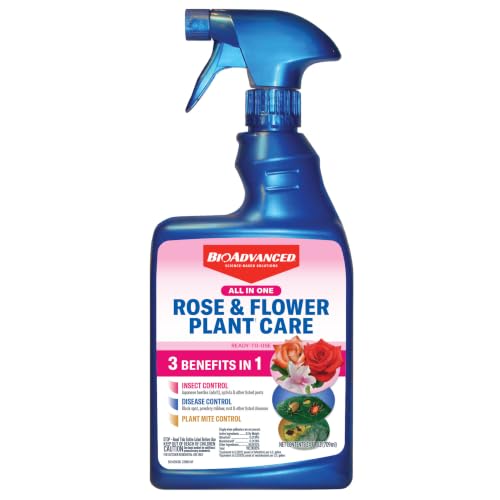
BioAdvanced Rose and Flower Care Spray

Farmer’s Secret Fruit Tree Booster Fertilizer 128 oz

Southern Ag Neem Oil

ARBER Liquid Plant Food Concentrate

ARBER Organic Pest Control 16 oz

ARBER Organic Disease Control 16 oz
Meet The Standout Selections
The Bonide Eight Insect Control Concentrate brings the broadest pest coverage in this lineup. It targets listed mites, aphids, ants, scale, beetles, leaf miners, and worms, plus more than 100 listed insect species. That range makes it a practical choice for an orchard or mixed garden where several pests may appear across trees, shrubs, flowers, and vegetables.
Its contact action addresses insects already on a plant, while residual activity continues working after treated areas are revisited. One application may continue protecting the area for up to four weeks, depending on conditions and label directions. Compared with the smaller ARBER Organic Pest Control, Bonide offers a longer stated protection window and a much broader pest list.
The Case For It
- Broad coverage includes many common fruit-tree pests and more than 100 listed species.
- Contact and residual actions provide both immediate and continuing control.
- The concentrate mixes with water for use in trigger sprayers or pressure-tank sprayers.
- One application may continue working for up to four weeks.
- It is labeled for fruit trees alongside vegetables, flowers, lawns, and ornamentals.
Trade Offs
- A pressure-tank sprayer may be needed for larger trees because a trigger bottle offers less reach and control.
- Label directions determine the dilution rate and which plants or pests are eligible.
Key Specs
Who It Suits Best
This option fits home orchardists and mixed-garden growers who need broad pest coverage and can follow the label for mixing and spraying.
A Better Fit Elsewhere
ARBER Organic Pest Control suits smaller spaces focused on listed houseplant and garden pests, while Bonide fits broader multi-crop spray programs.
BioAdvanced Rose and Flower Care Spray stands apart by combining pest control with disease management. It is labeled for listed plants such as roses and flowers, addressing aphids, Japanese beetles, black spot, leaf spot, and powdery mildew. I find that combination useful in mixed borders where flowering plants sit close enough that insects and fungal problems often appear in the same area.
The three-part approach controls existing pests, forms an outside barrier, and handles the listed diseases. That makes it more specialized than Bonide Eight Insect Control, which covers a much wider insect range but does not present the same flower and disease focus. A compact 24 fl oz bottle also fits neatly into a small gardening kit.
Where It Excels
- Handles both listed insects and common rose and flower diseases.
- Three-way action addresses existing pests while adding a protective barrier.
- Japanese beetles and aphids are among the listed insect targets.
- The compact bottle suits seasonal flower-garden maintenance.
Points To Note
- Its plant and pest range is narrower than the broad coverage offered by Bonide Eight Insect Control.
- The label, rather than the product name alone, determines suitability for a particular fruit tree.
At A Glance
Made For
This spray fits rose and flower gardeners who want one product for listed insects and several familiar plant diseases.
Consider Something Else When
Bonide Eight Insect Control fits mixed orchards needing a much wider range of listed insect targets and residual protection.
Farmer’s Secret Fruit Tree Booster Fertilizer supports tree growth rather than targeting insects directly. Its phosphorus-rich, concentrated formula is designed for fruit trees during the early growth cycle after dormancy and before buds form. That timing gives a peach, apple, banana, or other fruit tree nutritional support when new growth begins, but it does not replace a pest-control spray.
The 128 oz container is substantial for an established orchard or multiple fruit trees. Unlike Bonide Eight Insect Control, this product addresses soil and root-zone nutrition instead of contact and residual pest action. I would keep it in the feeding plan and treat it as a complement rather than a substitute for pest management.
The Upside
- Formulated specifically for the nutritional needs of fruit trees.
- Supports the early growth period between dormancy and fruit-bud formation.
- A super-concentrated format reduces the volume needed for each diluted application.
- The large container suits orchards and several established trees.
Practical Considerations
- It does not target aphids, beetles, mites, or other listed insects.
- Dilution must be measured carefully, particularly around young trees and new roots.
- The 128 oz container requires storage space and may be more than a single small tree needs.
Right Fit For
This fertilizer fits orchardists and backyard growers focused on early-season nutrition for multiple established fruit trees.
Where Another Pick Shines
Bonide Eight Insect Control is the better fit when the immediate goal is controlling listed insects rather than supplying phosphorus and early-growth nutrition.
Southern Ag Neem Oil covers an unusually broad mix of fruit, nut, vegetable, herb, and ornamental plants. Its listed targets include aphids, spider mites, scale, whiteflies, and beetles, while its disease application includes black spot on roses and powdery mildew. That makes it a practical companion product for a home garden where several plant types need attention.
The formula is also listed for addressing insect eggs, larvae, and adults, giving it relevance across more than one stage of a pest’s development. Compared with ARBER Organic Pest Control, Southern Ag includes disease targets and a wider range of labeled plant types, though both come in small containers intended for careful dilution and targeted spraying.
The Good Stuff
- Controls several common insects across multiple life stages.
- Handles black spot and powdery mildew alongside insect concerns.
- Can be used on fruits, nuts, vegetables, herbs, and ornamentals.
- Works for both pest and disease issues in mixed gardens.
Small Caveats
- The compact 8 oz size may need frequent refills for several trees.
- Plant compatibility and application details must be confirmed through the label.
Feature Snapshot
Who Will Love This
This option fits mixed-garden growers seeking one listed product for several insects, plant diseases, and multiple types of edible or ornamental plants.
Look Elsewhere When
ARBER Organic Pest Control fits growers whose priority is a compact biological pest treatment for indoor plants and garden beds.
ARBER Liquid Plant Food Concentrate belongs in a plant-feeding routine rather than a direct pest-control program. It is intended for houseplants and garden plants, with a biofermentation process that helps release plant nutrients for uptake. The formula is suited to repotting, pre-flowering periods, heat waves, and visibly stressed plants, so I see it as a recovery and nutrition option.
The liquid concentrate also serves an indoor-outdoor role, but its purpose differs sharply from ARBER Organic Pest Control. One supports roots, foliage, and flowering; the other targets listed insects on leaves and in soil. Neither should be treated as a direct substitute for the other.
Features That Help
- Liquid concentrate supports regular feeding of houseplants and garden plants.
- The biofermentation process releases nutrients intended for rapid plant uptake.
- Useful after repotting, before flowering, during heat, and for stressed plants.
- The rosemary aroma is light enough to remain practical in an indoor setting.
Where It May Fall Short
- It does not directly target listed fruit-tree insects.
- Weekly feeding can become an unnecessary routine for plants that are already vigorous.
- Dilution instructions should be followed closely to avoid overfeeding.
Whose Shelf It Belongs On
This concentrate fits houseplant owners and balcony gardeners who want flexible liquid nutrition for recently repotted or visibly stressed plants.
Not Your Match When
Southern Ag Neem Oil is the better fit when the goal is listed insect and disease control rather than general plant nutrition.
ARBER Organic Pest Control takes a focused approach to common indoor and outdoor plant pests. Its listed targets include fungus gnats, aphids, whiteflies, mealybugs, and spider mites. For an apartment with houseplants or a compact garden bed, that narrow, recognizable pest list can make product selection much simpler.
The liquid concentrate uses organic biological ingredients to reach foliage and soil, where it is listed to disrupt pest life cycles. Compared with Bonide Eight Insect Control, ARBER emphasizes biological ingredients and indoor plant use, while Bonide covers more than 100 listed insect species and offers residual protection for up to four weeks.
Key Advantages
- Targets five familiar pests affecting houseplants and garden beds.
- Works in foliage and soil to address different pest habitats.
- The 16 oz container handles both indoor and outdoor applications.
- Liquid concentrate allows measured dilution for targeted spraying.
Details To Watch
- Its listed pest range is narrower than the broad selection covered by Bonide Eight Insect Control.
- The label determines whether a specific fruit tree and pest combination is eligible.
Quick Facts
Built With In Mind
This product fits apartment dwellers and small-space gardeners managing a defined pest list across houseplants and compact beds.
Swap It Out When
Bonide Eight Insect Control is the better fit for a mixed orchard that needs broader listed insect coverage and longer residual protection.
ARBER Organic Disease Control handles problems that insect products do not address. Its listed targets include powdery mildew, leaf spot, root rot, and lawn fungi. The plant-derived active ingredients are described as forming a protective barrier on leaves and roots, making this most useful as a companion treatment in humid conditions where disease pressure rises.
Compared with BioAdvanced Rose and Flower Care Spray, ARBER reaches beyond roses and flowers to address root rot and lawn fungi. BioAdvanced has a clearer advantage for Japanese beetles and rose diseases, while ARBER is the broader choice for soil and root problems plus lawn areas.
Where It Delivers
- Addresses four listed disease categories, including powdery mildew and leaf spot.
- Works on leaves and roots rather than limiting activity to the foliage.
- Includes root rot and lawn fungi, expanding its use beyond flower gardens.
- Useful around humid days and during periods of active plant growth.
Room For Improvement
- It does not directly control listed insects such as aphids, beetles, or mites.
- The 16 oz container may require several refills for a large lawn or garden.
Core Details
The Right Fit
This product fits humid-climate gardeners dealing with leaf, root, and lawn diseases that require more than insect control.
Reach For A Different Pick When
BioAdvanced Rose and Flower Care Spray is the better fit for Japanese beetles and listed rose diseases in a flower-focused garden.
How To Build A Fruit-Tree Protection Plan
Match The Pest Before The Product
A clear diagnosis matters more than a broad label. Bonide covers the largest listed insect selection, while ARBER Organic Pest Control focuses on fungus gnats, aphids, whiteflies, mealybugs, and spider mites. I would identify the visible pest, inspect the leaves and soil, and then confirm that both the pest and crop appear on the selected label.
Separate Insects From Plant Diseases
Black spot, powdery mildew, leaf spot, root rot, and lawn fungi fall outside ordinary insect control. BioAdvanced combines listed pest and flower-disease care, Southern Ag Neem Oil also addresses two diseases, and ARBER Organic Disease Control focuses on disease across leaves and roots. A mixed program may be appropriate for a garden showing both kinds of problems.
Choose Equipment For The Plant Size
Trigger bottles suit containers, nearby flowers, and small trees. A pressure-tank sprayer gives an orchardist more reach and a steadier spray for larger canopies. Concentration and dilution also matter, so I keep each concentrate beside its label and measure rather than estimate.
Add Nutrition Without Confusing The Purpose
Farmer’s Secret Fruit Tree Booster supports early fruit-tree growth, while ARBER Liquid Plant Food Concentrate serves houseplants and garden plants. Neither handles insects directly. I would use them as feeding products and keep pest control as a separate part of the maintenance routine.
Common Garden Spray Mistakes
Pitfalls Shoppers Hit
Choosing by product name alone can lead to the wrong fit. The crop, pest, plant part, and application method all belong on the label check. I also avoid treating a fertilizer as a pest product or expecting disease control to handle beetles.
Wrong Turns To Avoid
Residual protection is not the same as immediate contact action, and neither guarantees that every pest situation will be solved. Mixing products without checking the label can also create compatibility or crop-use concerns. The simplest routine starts with one correctly matched product and a careful application.
Frequently Asked Questions
Is Broad-Spectrum Pest Control Better For Fruit Trees?
Broad coverage is useful when several listed insects appear across a mixed orchard. A focused product can make more sense in a small garden with one clearly identified pest, provided the crop and pest both appear on its label.
Can One Product Handle Both Insects And Plant Diseases?
BioAdvanced Rose and Flower Care Spray and Southern Ag Neem Oil combine listed insect and disease targets. Their plant scope differs, so label compatibility remains the deciding factor.
What Is The Best Sprayer For Larger Fruit Trees?
A pressure-tank sprayer offers more reach and consistent coverage than a small trigger bottle. I would also consider the tree height, reachable canopy area, and the label directions for the selected concentrate.
When Should Fruit Trees Receive Fertilizer?
Farmer’s Secret Fruit Tree Booster is formulated for the early growth cycle after dormancy and before fruit buds form. Existing soil conditions and the tree’s overall health still belong in the feeding decision.
Are Biological Pest Products Suitable For Indoor Plants?
ARBER Organic Pest Control is labeled for indoor and outdoor plants and lists several common houseplant pests. I would verify the specific plant and pest on the label before treating an indoor specimen.
Final Verdict
Bonide Eight Insect Control offers the broadest pest coverage and a four-week residual-protection claim for mixed fruit gardens. Southern Ag Neem Oil and BioAdvanced add useful disease coverage, while ARBER products suit smaller spaces and focused indoor or outdoor problems. The right choice comes down to the pest, crop, disease, and plant size rather than a single universal bottle.
