

Roses attract more than admiration. Aphids gather on tender buds, beetles chew holes in leaves, and caterpillars can strip a flowering shrub in a matter of days. I built this roundup around the decisions that matter when protecting rose gardens, from concentrated plant care to ready-to-use treatments for nesting insects.
The Leading Options At A Glance

Bonide 982 Rose Shield 3-Pack

REVENGE Wasp & Hornet Killer 15 oz Ready-to-Use

Raid House & Garden Bug Killer 11 oz, 2-Pack

Bonide Insecticidal Soap 32 oz Organic Spray, 2-Pack

Smart Grower Neem Oil Plant Spray
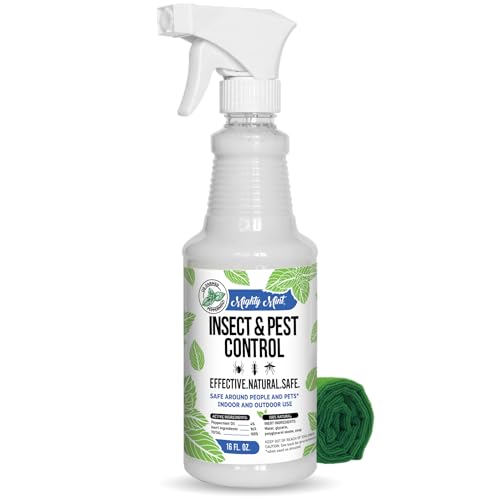
Mighty Mint Peppermint Spray 16 oz
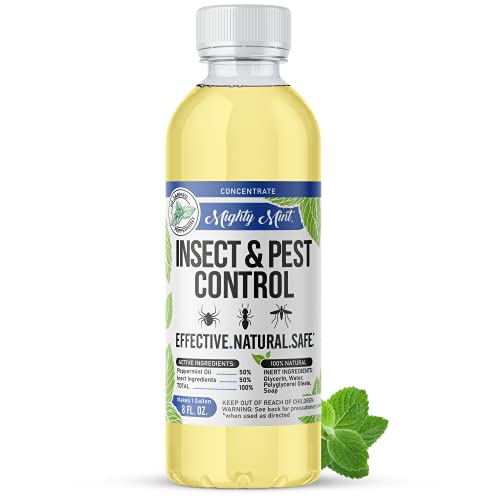
Mighty Mint Peppermint Concentrate 8 oz
The Picks, Examined More Closely
A rose bed can develop a pest problem quickly, especially when new growth appears in warm weather. Bonide 982 Rose Shield is built around that narrow need, giving gardeners a dedicated spray for rose plants rather than a general household formula.
The three-bottle pack also suits gardeners who would rather keep one bottle near the patio and another in a shed. Unlike the broader Bonide Insecticidal Soap reviewed later, this option presents a more rose-centered purpose, although the label remains the deciding factor for compatible varieties and target pests.
Practical Pluses
- Rose-specific positioning simplifies the choice for dedicated flower gardens.
- Each 32-ounce bottle provides a substantial supply for repeated seasonal use.
- Ready-to-use format removes the measuring and mixing step.
Practical Considerations
- Check the label for the listed rose pests, application timing, and plant restrictions.
- Three full-size bottles require more storage space than a single compact spray.
Key Specs
Made For
I recommend this option to gardeners with established rose beds who want a dedicated multi-bottle supply for recurring seasonal care.
Consider Something Else When
Bonide Insecticidal Soap is a better fit for gardeners who want broader coverage across vegetables, berries, ornamentals, and other listed plants.
A wasp nest under the eaves calls for a different approach from treating insects on rose leaves. REVENGE Wasp & Hornet Killer is a ready-to-use aerosol aimed at wasps, hornets, yellow jackets, carpenter bees, and mud daubers around outdoor structures.
Its jet spray reaches nests as high as 20 feet above the ground, which makes the reach more relevant than the standard garden sprayer. The formula also includes residual action, meaning the active treatment remains on the treated surface after application, which is the main difference from the contact-focused Raid formula.
The Upside
- The directed jet handles nests that sit above standard spraying height.
- Ready-to-use packaging eliminates preparation and separate equipment.
- Useful entry points include eaves, window frames, patios, doors, and crevices.
- The oil-based formula is described as non-conductive up to 47,300 volts.
Trade Offs
- This is a nest-targeting treatment, not a general-purpose rose pest spray.
- Outdoor placement and the jet application pattern call for careful direction.
Feature Snapshot
Right Fit For
I favor this option for homeowners dealing with accessible outdoor nests around eaves, patios, doors, and window frames.
A Better Fit Elsewhere
Raid House & Garden Bug Killer suits gardeners who need a broader contact spray for common crawling, flying, and garden insects rather than a specialized nest treatment.
Many gardens are not neat compartments. An aphid cluster may sit beside a fly problem, while caterpillars and Japanese beetles become concerns farther down the row. Raid House & Garden Bug Killer offers one contact-action aerosol for indoor and outdoor use across several common pest groups.
Its strongest angle is coverage across different parts of the property. Compared with REVENGE Wasp & Hornet Killer, this formula is not designed around elevated nests or residual nest treatment; it is better suited to spraying visible insects in broader garden and household areas.
The Helpful Details
- One spray can address crawling and flying insects indoors or outdoors.
- Listed garden targets include aphids, caterpillars, flies, and Japanese beetles.
- Contact action suits direct treatment of insects seen on plants or surfaces.
- The two-pack provides a spare for separate garden and household zones.
Small Caveats
- Not every pest appears on the label, so garden problems require a label check.
- Contact spraying means thorough coverage of the insect and its treatment area.
- Its broad household positioning does not provide the nest reach of REVENGE.
Who Will Love This
I recommend Raid for gardeners who want one compact aerosol for assorted visible pests around both roses and other household areas.
Another Choice May Suit
Bonide Insecticidal Soap better serves gardeners managing aphids, mites, caterpillars, and other listed garden insects with a soap-based approach across many listed crops.
Insecticidal soap works through contact or ingestion, and that basic mechanism shapes how it should be used. Bonide Insecticidal Soap is listed for aphids, mites, caterpillars, thrips, flies, and several other garden insects, making it a practical choice for roses and nearby edible plants.
The formula uses potassium salts of fatty acids derived from plants. That distinction gives this spray a different role from the broader Raid contact aerosol, particularly in gardens containing vegetables, berries, herbs, and ornamentals. It is also listed for organic gardening and may be used up to the day of harvest on applicable crops.
Benefits That Matter
- Broad pest coverage includes common rose-garden residents such as aphids and spider mites.
- The label spans vegetables, berries, herbs, turf, greenhouses, and ornamentals.
- Direct contact makes the application method easy to understand and repeat.
- Ready-to-use packaging suits gardeners who prefer no measuring or mixing.
Points To Note
- Thorough coverage matters because the formula acts on contact or through feeding.
- Two 32-ounce bottles require more storage space than a single compact container.
Technical Highlights
Built With In Mind
I favor this option for mixed edible and ornamental gardens where a plant-based soap treatment needs broad garden coverage.
Look Elsewhere When
Bonide 982 Rose Shield is a simpler fit for gardeners who want a dedicated rose product and three ready-to-use bottles.
Neem oil has a familiar role in plant care, but this Smart Grower spray pairs it with peppermint oil and frames itself as a gentle plant wash. The attractive-leaf angle makes it especially interesting for houseplants and decorative roses that benefit from clean, glossy foliage.
The peppermint component adds a recognizable scent and distinguishes this formula from plain neem spray. Unlike Bonide Insecticidal Soap, which names specific insect groups and explains contact or ingestion as its action, this product is positioned more broadly around plant washing and natural indoor or outdoor use.
Noteworthy Benefits
- Neem and peppermint oils give the product a dual-plant-based composition.
- The wash format can support routine leaf care on houseplants and ornamentals.
- One spray works with indoor and outdoor plant-care routines.
- The peppermint scent makes treatment noticeable during application.
Details To Watch
- Confirm that roses and the relevant insects appear on the product label.
- Test a small leaf area first when plant sensitivity is a concern.
Core Details
The Right Fit
I recommend Smart Grower for houseplant owners and rose gardeners who want a neem-and-peppermint wash rather than a narrowly labeled insecticidal soap.
Swap It Out When
Mighty Mint Peppermint Oil Insect Repellent Spray 16 oz better fits households seeking a ready-made peppermint repellent without neem in the formula.
Households with pets often favor plant-based repellents that do not carry the heavy odor associated with conventional aerosol insecticides. Mighty Mint Peppermint Spray uses peppermint oil as its defining ingredient and comes ready to use in a 16-ounce container.
This makes it a straightforward choice for routine pest-repellent applications around patios, entries, and plant areas. Compared with Smart Grower Neem Oil Plant Spray, it omits neem and concentrates on peppermint alone, so the choice comes down to scent preference and the plant-care role each formula is intended to fill.
What Pays Off
- Peppermint oil provides a clear plant-based scent profile.
- The ready-to-use spray requires no dilution or preparation.
- The 16-ounce bottle offers a balance between capacity and manageable storage.
- Its positioning suits households seeking a plant-based repellent routine.
Some Limits To Know
- Repellent and direct insecticide are different functions, so the label should match the garden problem.
- Rose compatibility and covered insect species need confirmation before treatment.
Best Suited To
I favor this spray for pet households that want a ready-made peppermint repellent for suitable outdoor areas.
Where A Sibling Pick Shines
Mighty Mint Peppermint Oil Insect Repellent Concentrate 8 oz is the better fit when dilution and treatment of larger areas matter more than immediate spraying.
A concentrate makes sense when the same peppermint treatment will cover a patio, garden perimeter, or several plant areas. Mighty Mint Peppermint Oil Insect Repellent Concentrate provides that flexibility in an 8-ounce container, with dilution handled according to the label directions.
The trade-off is preparation. Unlike Mighty Mint Peppermint Spray 16 oz, this version is not presented as a ready-to-use spray, so mixing and a suitable sprayer become part of the routine. That added step can be worthwhile for larger areas or for households that already keep a dedicated garden sprayer.
Useful Highlights
- The concentrate format supports flexible coverage across larger spaces.
- Peppermint oil remains the central repellent ingredient.
- The smaller bottle takes up less storage space than a full-size ready spray.
- Dilution gives the gardener control over application volume.
Factors To Consider
- Accurate dilution and a compatible sprayer are necessary for convenient use.
- It is less convenient than the 16-ounce ready-to-use Mighty Mint spray.
Quick Facts
Whose Shelf It Belongs On
I recommend the concentrate to gardeners with larger treatment areas who already understand dilution and prefer to prepare their own spray mixture.
Reach For A Different Pick When
Mighty Mint Peppermint Spray 16 oz suits pet households that value immediate application and want to avoid the mixing step.
What Matters Before Buying A Rose Garden Spray
Match The Pest And Plant
A rose spray should first solve the problem visible in the garden. Aphids, mites, caterpillars, flies, and beetles respond to different product approaches, so identifying the pest prevents an unnecessary routine. I also check the plant list because a treatment useful for vegetables may not be listed for every rose variety.
Understand The Application Method
Contact action requires the spray to reach the insect, while residual action is intended to remain on a treated surface. A soap formula may work by direct contact or ingestion, and a concentrate requires dilution before use. These differences determine the sprayer, coverage, and number of steps involved.
Consider Reach And Storage
A targeted aerosol with a 20-foot jet suits elevated wasp nests but differs from a handheld garden spray. Larger bottles reduce repeated refilling, while concentrated products may use less storage space. The best format is the one that matches the treatment area and the equipment already available.
Read The Direction Carefully
I check the target pests, plant compatibility, application timing, and harvest language before opening any container. Those details matter more than a broad “garden use” claim, especially on flowering plants that continue producing buds during treatment periods.
Smarter Decisions Across The Spray Types
Mistakes Worth Dodging
The most common mistake is choosing a broad household aerosol for a garden problem without checking its plant list. Another is expecting a peppermint repellent to work like a direct insecticide. I match the product to the pest, confirm rose compatibility, and follow the label’s mixing and application instructions.
What Separates Premium From Basic
A higher-tier option may add concentrated ingredients, larger reach, residual action, or a broader plant list. The added cost is worthwhile only when that extra feature matches a specific problem. A basic ready-to-use spray remains more practical for occasional treatments in a small rose bed.
Frequently Asked Questions
What Is The Best Insect Spray For Roses?
Bonide 982 Rose Shield is the most focused choice because it is designed specifically around rose care. Bonide Insecticidal Soap is the better alternative for a mixed edible garden or a broader list of listed plant pests.
Can Insecticidal Soap Be Used On Roses?
I consider it suitable only after confirming roses and the target pest appear on the product label. Its action depends on direct contact or ingestion, so complete coverage of the affected foliage matters.
Is Wasp Killer Suitable For Treating Rose Pests?
REVENGE Wasp & Hornet Killer is formulated for wasp, hornet, yellow jacket, carpenter bee, and mud dauber nests. It is a specialized nest treatment rather than a general rose pest spray.
Should I Choose A Ready-To-Use Spray Or A Concentrate?
Ready-to-use products suit occasional treatments and simple routines. Concentrates make more sense for larger areas or repeated use, provided the gardener can measure correctly and has a compatible sprayer.
What Should I Look For In An Organic Garden Spray?
I check the listed insects, plant compatibility, active ingredients, and harvest instructions. Bonide Insecticidal Soap provides the clearest garden-specific coverage among these options.
Final Verdict
I lean toward Bonide 982 Rose Shield for a dedicated rose bed, while Bonide Insecticidal Soap serves mixed gardens better. The wasp aerosol solves a different outdoor problem, and the neem or peppermint options work best when plant care and repellent use matter more than narrowly targeted pest control. Matching the formulation to the actual garden issue matters more than the label on the front.
