

A tired pothos, a flowering petunia, and a windowsill succulent do not have the same nutritional needs. Selecting the right house plant fertilizer starts with identifying the plant type, understanding the nutrient analysis, and deciding between liquid feed and nutrient-rich potting mix. I compare seven options for indoor and outdoor plant care, including concentrated liquids for routine feeding and specialized soil for repotting.
The Shortlist At A Glance

Schultz 1012 10-15-10 Plant Food
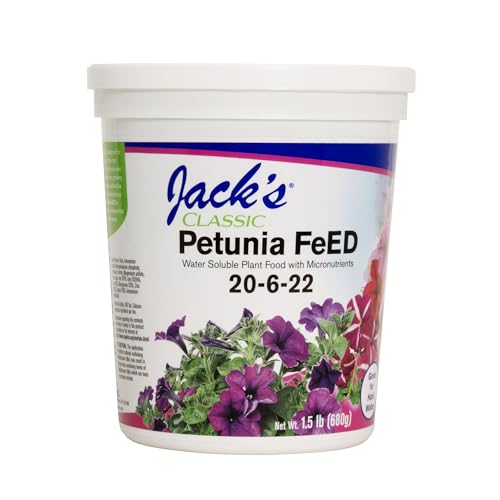
Jack’s Classic Petunia Feed 20-6-22

Miracle-Gro Houseplant Mix 4 qt
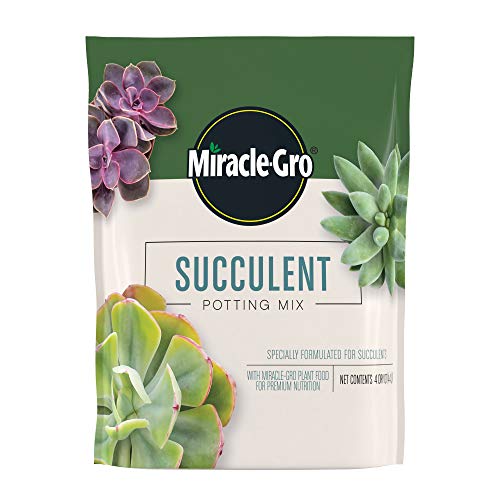
Miracle-Gro Succulent Mix 4 qt
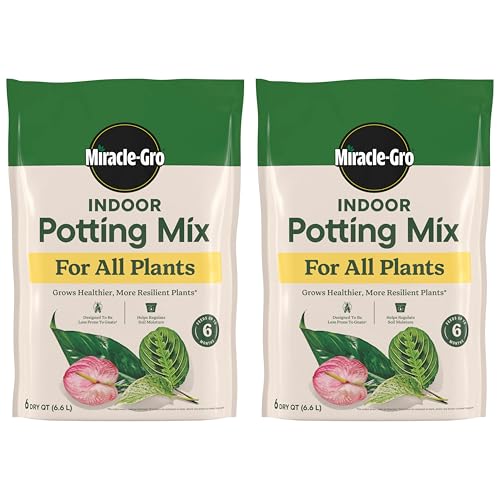
Miracle-Gro Indoor Mix 6 qt 2-Pack
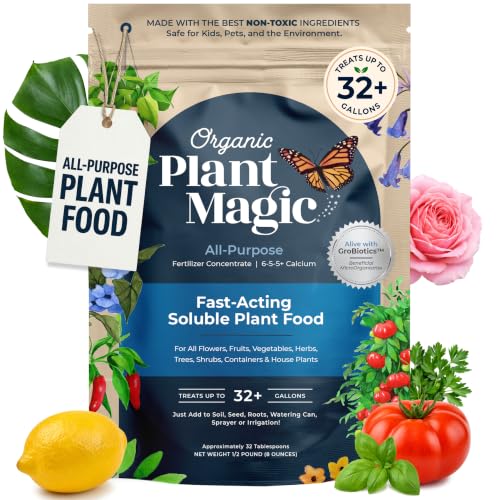
Organic Plant Magic All-Purpose Plant Food

Proven Winners Water-Soluble Plant Food
A Closer Look At Each Pick
A windowsill fern and a patio tomato can share one feeding routine with Schultz 1012 10-15-10 Plant Food. Its 10-15-10 analysis lists nitrogen, phosphorus, and potassium in that order, giving me a clear nutrient profile rather than a vague plant-food promise.
I add seven drops to a quart of water, which makes the concentrate practical for regular indoor watering. The formula is made in the USA and intended for both indoor and outdoor plants, although a specialist feed may suit flowering annuals more closely.
Positive Takeaways
- Seven drops per quart simplify concentrated feeding.
- One formula covers common indoor and outdoor plants.
- The stated analysis makes the nutrient balance easy to compare.
- The 8-ounce size suits a small collection or occasional use.
Minor Gripes
- The broad-purpose profile lacks the specialization found in petunia or flowering-plant formulas.
Key Specs
Right Fit For
Beginner plant caretakers and mixed collections benefit most from this simple all-purpose routine.
Another Choice May Suit
Jack’s Classic Petunia Feed 20-6-22 serves petunia growers who want a formula aimed specifically at flowering annuals.
Where Schultz 1012 10-15-10 Plant Food covers a broad collection, Jack’s Classic Petunia Feed 20-6-22 narrows the focus to petunias and similar iron-dependent annuals. Its higher 20-6-22 analysis provides more nitrogen and potassium relative to phosphorus than the general-purpose formula.
The water-soluble powder can be applied to leaves, roots, or a continuous feeding system, giving me flexibility across a busy patio setup. The trade-off is specialization, since this formula makes less sense for an unrelated indoor plant collection.
Where It Delivers
- The 20-6-22 analysis targets petunia and annual-bed feeding.
- Root and foliar application options support different routines.
- Powder format allows preparation in larger batches.
Things To Consider
- The specialized analysis is less relevant to mixed houseplant collections.
- Continuous-feed use requires following the label’s mixing and application directions carefully.
Quick Facts
Built With In Mind
Petunia growers and balcony-garden caretakers get a feed formulated around flowering annuals.
Consider Something Else When
Schultz 1012 10-15-10 Plant Food better fits a collection containing several unrelated indoor and outdoor species.
Liquid fertilizer handles routine feeding, while Miracle-Gro Houseplant Mix 4 qt addresses the foundation beneath the plant. This potting mix contains indoor-plant nutrients and is stated to feed newly potted houseplants for up to six months.
I see the strongest fit during repotting, when old mix needs replacing and a fresh root environment matters. It is less convenient as a weekly liquid feed, and the 4-quart volume may be modest for a room full of large planters.
Everyday Wins
- Supports repotting with a nutrient-containing indoor medium.
- The stated six-month feeding period reduces pressure for immediate extra feeding.
- A familiar 4-quart package suits a typical houseplant collection.
Room For Improvement
- This is potting mix rather than a liquid fertilizer for scheduled feeding.
- A larger repotting project may require more than one 4-quart bag.
Made For
Houseplant owners repotting standard nursery pots benefit from the included nutrients and indoor-focused medium.
A Better Fit Elsewhere
Miracle-Gro Indoor Mix 6 qt 2-Pack offers more volume for an extensive collection or a group repotting project.
A generic houseplant mix treats every root zone much alike, but Miracle-Gro Succulent Mix 4 qt is formulated for cacti, aloe, echeverias, and related plants. That specificity gives me more confidence during the annual repotting of a compact windowsill collection.
One 4-quart bag fills one 8-inch container, with the amount changing alongside root-ball size. I like the focused format, though a grower with many large succulent pots will need several bags.
What Helps Most
- Formulated for common cactus and succulent varieties.
- Supports plants including aloe, echeverias, and houseleek.
- The stated container coverage helps with repotting planning.
- A compact package fits small collection care.
Points To Keep In Mind
- Large or numerous succulent planters may need multiple bags.
Core Details
Who It Suits Best
Cacti and succulent collectors with compact pots appreciate the plant-specific medium.
Where A Sibling Pick Shines
Miracle-Gro Indoor Mix 6 qt 2-Pack is the more practical choice for a mixed collection of leafy houseplants.
Compared with the 4-quart Houseplant Mix 4 qt, Miracle-Gro Indoor Mix 6 qt 2-Pack supplies twice as many 6-quart units, which makes it easier to manage a collection without repeated supply runs. I find that practical for apartments where plants share limited storage space.
The blend combines sphagnum peat moss, coir, and perlite in a lightweight medium that retains and releases water. That structure is more relevant at repotting time than during weekly liquid feeding, and the two-pack may feel excessive for a single small pot.
Why It Works Well
- Two 6-quart units support larger repotting sessions.
- The blend is formulated for all common indoor plants.
- Peat moss, coir, and perlite create a lightweight growing medium.
Some Limits To Know
- The quantity may exceed the needs of a small plant shelf.
- Potting mix does not replace a scheduled liquid feeding routine.
The Right Fit
Apartment dwellers and home offices with several leafy plants benefit from the larger combined volume.
Swap It Out When
Miracle-Gro Succulent Mix 4 qt better matches a collection composed mainly of cacti and other succulents.
Organic Plant Magic All-Purpose Plant Food shares the broad indoor-and-garden reach of Schultz 1012 10-15-10 Plant Food, but adds an organic positioning and a larger prepared batch. The 1/2-pound package is stated to make more than 32 gallons of liquid feed.
I would consider it for a mixed houseplant collection beside a small vegetable or herb garden. Its broad use is convenient, though the label’s plant-specific feeding directions remain more useful than a general all-purpose description.
Well-Handled Touches
- Supports houseplants, vegetables, flowers, herbs, fruit, and trees.
- The stated 32-gallon yield suits batch preparation.
- Organic positioning fits garden-care preferences.
- A single concentrate simplifies mixed-plant feeding.
Practical Considerations
- Prepared liquid feed requires suitable storage between uses.
- Individual plant labels may call for more specific feeding schedules.
Feature Snapshot
Who Should Grab It
Organic-garden growers tending both houseplants and edible outdoor plants appreciate the shared concentrate.
Reach For A Different Pick When
Proven Winners Water-Soluble Plant Food fits gardeners focused on heavy-flowering annuals and a more targeted nutrient analysis.
Jack’s Classic Petunia Feed 20-6-22 and Proven Winners Water-Soluble Plant Food both suit flowering annuals, but the latter uses a 24-12-17 analysis and is positioned for heavy-flowering, fast-growing plants. That makes it a logical fit for a packed patio container display.
The fast-acting, highly water-soluble formula is made for annuals and comes in a 2.5-pound container. I see more relevance in a seasonal garden than on a sparse indoor shelf, where a small bottle would be easier to manage.
Useful Touches
- The 24-12-17 analysis gives gardeners a distinct nutrient profile.
- Fast-dissolving powder suits routine watering-can preparation.
- The formula targets heavy-flowering annuals.
- Professional growers helped shape the product’s stated purpose.
- A 2.5-pound container supports repeated garden batches.
Details To Watch
- The package is substantial for a limited indoor collection.
Technical Highlights
Whose Shelf It Belongs On
Seasonal patio gardeners and balcony-container growers get a formula aligned with flowering annuals.
Not Your Match When
Schultz 1012 10-15-10 Plant Food is the simpler choice for a small, mixed indoor and outdoor collection.
Matching Plant Food to the Root Zone
Start With the Plant’s Needs
Petunias, succulents, and leafy houseplants belong in different care categories. Petunias benefit from a flowering-annual formula, while succulents primarily require a medium designed for their growing conditions. A mixed indoor collection may be better served by an all-purpose liquid feed.
Read the NPK Ratio
NPK refers to nitrogen, phosphorus, and potassium, the three numbers printed on a fertilizer analysis. Nitrogen supports leafy growth, phosphorus relates to flower and root development, and potassium contributes to general plant vigor. The ratio matters more than the numbers alone, since a higher amount does not automatically suit every plant.
Decide Between Feed and Medium
Fertilizer supplies nutrients through water or direct application. Potting mix provides the physical root environment and may also contain nutrients, but it does not replace a regular liquid feeding routine. Repotting calls for fresh medium; routine nutrition calls for the appropriate fertilizer.
Match the Format to the Routine
Liquid concentrates offer precise mixing and easy application during watering. Powdered concentrates make larger batches and can serve several feeding methods. I choose the format that matches the collection size, storage space, and frequency of plant care.
Two Mistakes That Change Plant Care
Pitfalls Shoppers Hit
Choosing a formula by color, package size, or plant name alone can lead to an unsuitable match. I check the plant category, nutrient analysis, application method, and whether the product is feed or potting mix before making a selection.
Where The Extra Money Goes
A larger container may offer more batches, while a specialized analysis may narrow the plant range but better match flowering crops. The added expense is more useful when it prevents repeated purchases or supports a plant with clearly defined needs.
Frequently Asked Questions
Are potting mixes the same as house plant fertilizer?
No. Potting mix is the growing medium surrounding the roots, while fertilizer supplies concentrated nutrients. A potting mix may contain nutrients, but routine feeding still depends on the plant and the product label.
How often should house plants be fertilized?
Feeding frequency depends on the product, plant type, season, and growing conditions. I follow the label’s schedule rather than adding extra fertilizer, since more feeding is not automatically better.
Can petunia feed be used on house plants?
Jack’s Classic Petunia Feed 20-6-22 is formulated for petunias and related flowering annuals. I prefer a broad indoor-and-outdoor formula such as Schultz 1012 10-15-10 Plant Food for unrelated houseplants.
What does 20-6-22 mean?
The numbers represent the relative amounts of nitrogen, phosphorus, and potassium in the fertilizer. They allow direct comparison with other products, although the plant type and application method remain important.
Is potting mix better for succulents than general fertilizer?
Succulent potting mix addresses drainage and root-zone conditions, while general fertilizer addresses nutrition. A collection of cacti and succulents usually needs the specialized medium, with feeding determined separately by the product label.
Final Verdict
I would choose Schultz 1012 10-15-10 Plant Food for a simple mixed-collection routine, Jack’s Classic Petunia Feed 20-6-22 for petunias, and the Miracle-Gro mixes for repotting. The right choice depends less on packaging than on the plant’s needs and the role the product is meant to perform.
