

A thin lawn in Pennsylvania often needs more than seed spread across the whole yard. Fall planting favors new lawns, compact bare patches, shaded borders, and paths that take regular foot traffic, so I focus on the seed mix, planting window, light exposure, and coverage that matter for each situation.
A Closer Look At The Lineup
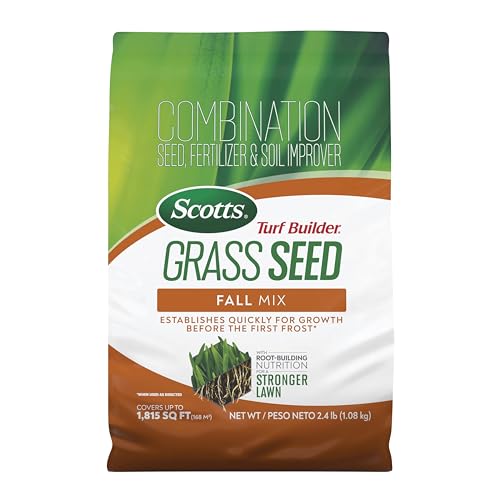
Scotts Turf Builder Fall Mix

Outsidepride White Prairie Clover Seeds for Meadows and Forage

Scotts Sun and Shade Seed

Scotts Rapid Grass Mix 2.4 lbs

Jonathan Green Dense Shade Grass Seed

Scotts High Traffic Grass Seed
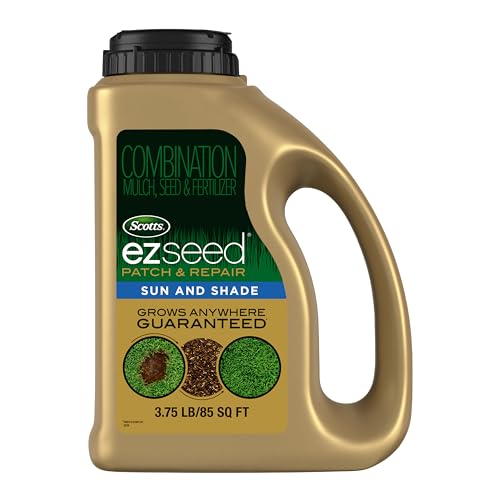
Scotts EZ Seed Patch and Repair
More On The Choices That Made The List
Fall planting gives this mix a clear purpose in a Pennsylvania yard. Kentucky bluegrass, perennial ryegrass, and creeping red fescue provide a three-part blend for full sun and light shade, while the included feeding ingredients support early root development.
Unlike a repair-only product, this 2.4-pound bag handles both new-lawn and overseeding projects. Overseeding means scattering seed over existing turf to improve thin areas, and the stated coverage reaches 600 square feet for a new lawn or 1,815 square feet for that repair work.
What Makes Sense
- Three grass species give the lawn a more varied starting point than a single-grass option.
- The fall timing supports establishment before the first frost when applied as directed.
- Root-Building Nutrition makes the seed-and-feeding format convenient for fall projects.
- The stated coverage gives me a useful way to estimate how much area one bag can handle.
Points To Note
- The blend has low drought resistance, so consistent moisture remains important during establishment.
- Medium durability makes proper care more relevant than planting it and expecting the lawn to manage neglect.
Feature Snapshot
Made For
This mix best fits Pennsylvania homeowners establishing a lawn or thickening thin turf during fall.
Another Choice May Suit
Scotts EZ Seed Patch and Repair is a better fit for filling a few small bare spots rather than treating an entire lawn.
White prairie clover belongs in a meadow or habitat planting rather than a tightly mown lawn. It grows 18 to 36 inches tall in USDA zones 6 through 9 and produces white flower spikes in early to midsummer, giving a Pennsylvania garden more height and seasonal texture.
The deep taproot helps the plants handle dry conditions, while the legume structure supports soil enrichment. The source also identifies high-protein forage and pollinator support as practical uses, making this a specialty seed for restoration plots, xeriscapes, and habitat borders.
A Strong Showing
- The deep taproot supports drought tolerance and can help stabilize soil on suitable slopes.
- White flower spikes attract bees, butterflies, and other pollinators during the blooming period.
- Nitrogen-fixing roots can contribute to soil improvement in planted areas.
- Once established, the perennial plants are suited to low-maintenance meadows and habitat projects.
Things To Consider
- This is clover, not a turf-grass blend, so it does not replace conventional lawn seed.
- Full sun, well-drained sandy or loam soil, and a pH from 6.2 to 7.5 are important conditions.
- The recommended late-fall sowing gives the seeds a period of winter chilling, known as stratification.
Key Product Details
Right Fit For
This seed suits gardeners creating a perennial meadow, pollinator plot, erosion-control planting, or livestock forage area in a suitable climate zone.
Where Another Pick Shines
Scotts Turf Builder Fall Mix is the stronger option for a conventional residential lawn that needs dense grass coverage.
A lawn that changes from bright sun to partial shade often needs more flexibility than a product tailored to one condition. This Scotts blend is intended for sun and shade conditions, and its 5.6-pound package offers a larger starting quantity for broad residential seeding work.
Root-Building Nutrition remains part of the approach, supporting deeper root establishment while the turf develops. Compared with the fall-focused mix, this option makes more sense for a general lawn whose light exposure varies from one corner to another.
What Works In Its Favor
- The sun-and-shade approach suits yards containing both open and partially shaded areas.
- Root-Building Nutrition supports the early root growth needed for thicker turf.
- The seed, fertilizer, and soil-improving components reduce the number of separate lawn materials required.
- The 5.6-pound size suits a larger lawn project rather than one isolated blemish.
Honest Caveats
- This broad-light mix is less targeted than a dedicated dense-shade formulation for heavily shaded ground.
- Established conditions still determine how well the blend handles a specific yard.
Built With In Mind
This seed works best for homeowners managing a lawn with mixed sun and shade across a sizable area.
A Better Fit Elsewhere
Jonathan Green Dense Shade Grass Seed is a better fit for a specific area under mature trees, large shrubs, or a permanent building shadow.
Speed is the defining consideration for this sun-and-shade mix. The source states that its seed-and-fertilizer combination can grow grass up to twice as fast as seed alone at the new-lawn rate, provided the lawn receives proper care.
That makes the product relevant for spring or fall work involving bare patches, thin turf, or a new lawn area. The listing shows a 2.4-pound pack of six, so I would confirm the package configuration and total quantity before planning a large lawn application.
What Helps Most
- The rapid-germination objective shortens the waiting period before visible lawn growth appears.
- Sun-and-shade suitability makes the mix useful where exposure changes across the repair area.
- It serves both new-lawn planting and overseeding of bare or thin sections.
- Spring and fall planting windows provide flexibility around standard seasonal lawn work.
Practical Considerations
- The faster-growth claim depends on the new-lawn application rate and proper care.
- The pack-of-six configuration may be more material than a small repair requires.
Quick Facts
Who Should Grab It
This mix suits homeowners seeking faster visible growth in a bare patch, thin lawn section, or new planting area.
Reach For A Different Pick When
Scotts Turf Builder High Traffic Mix is a better fit for a heavily worn route where resistance to foot traffic matters more than rapid appearance.
The hard part of a shaded Pennsylvania lawn is often the ground beneath mature trees, large shrubs, or a building. This Jonathan Green mix uses shade-tolerant seed selected for areas where direct sunlight is limited, with an emphasis on dense, dark-green turf.
The 7-pound package makes it the most substantial bag in this group. I favor it for a concentrated shaded planting, while the general Scotts sun-and-shade mix makes more sense when bright and shaded ground are mixed across the same lawn.
Why It Works Well
- Shade-tolerant seed directly addresses limited-light planting areas.
- The mix is designed to produce dense, attractive turf with a dark-green appearance.
- The large 7-pound package supports sizeable shaded sections.
- Quick establishment is a stated objective for this dense-shade formulation.
Less Ideal Details
- The 7-pound format may be excessive for a narrow strip beneath a tree.
- Persistent shade beneath dense tree canopies remains difficult for any seed mix.
The Right Fit
This seed best suits homeowners establishing turf in shaded zones beneath trees, large shrubs, or buildings.
Another Choice May Suit
Scotts Sun and Shade Seed is the better fit for a lawn that needs one blend across both open and partially shaded areas.
Repeated foot traffic creates a different lawn problem than ordinary thinness. This Scotts mix is formulated for full sun and light shade, with the ability to recover from wear and tear as the turf becomes established.
That focus makes sense along a walk to the mailbox, around a swing set, or across a narrow route between two parts of a yard. Root-Building Nutrition supports deeper roots, which matters for a high-traffic area where shallow grass receives constant stress.
What Pays Off
- Wear resistance directly matches the needs of frequently walked lawn areas.
- The mix can repair thinning turf as the seed becomes established.
- Full-sun and light-shade suitability covers many common residential routes.
- Root-Building Nutrition supports the deeper root system needed for durable turf.
- The 5.6-pound package provides useful quantity for larger traffic areas.
Some Limits To Know
- Traffic damage caused by compacted soil or poor drainage still requires separate correction.
- The mix is specialized for wear, making a general-purpose seed more logical for evenly thin turf.
Feature Breakdown
Who Will Love This
This mix best fits families and pet households dealing with worn paths, play zones, and repeatedly traveled lawn strips.
Consider Something Else
Scotts Turf Builder Fall Mix is the better fit for broad fall overseeding where uniform coverage matters more than traffic resistance.
Not every lawn needs broad reseeding. A bare patch beside a path, a gap where a shrub was removed, or a thin strip on a slope can be handled with a targeted repair product, and this 3.75-pound mix is built around that job.
The formulation combines grass seed, continuous-release lawn food, and super-absorbent growing material. It is intended for full sun, dense shade, high-traffic places, and slopes, making it more adaptable than a basic repair seed limited to one setting.
Good Reasons To Consider
- The targeted format suits isolated bare spots without treating the entire lawn.
- Sun, shade, traffic, and slope suitability cover several common repair conditions.
- Continuous-release lawn food supplies feeding material alongside the seed.
- Super-absorbent growing material is included to support the planted area.
Details To Watch
- Concentrated repair seed is less efficient for replacing an entire worn lawn.
- Slope planting still requires careful preparation so the amended material remains in place.
Important Details
Best Suited To
This product fits homeowners repairing small bare patches, worn spots, shaded gaps, and sloped areas without seeding the full lawn.
Where A Sibling Pick Shines
Outsidepride White Prairie Clover Seeds are a better fit for creating a perennial meadow rather than repairing a conventional turf area.
Match The Seed To The Lawn Problem
Start With Light Exposure
Full sun, partial shade, and dense shade create different growing conditions. I favor a broad sun-and-shade blend for lawns with mixed exposure, a dense-shade mix for a defined area under trees or shrubs, and a targeted repair seed for scattered bare patches.
Match The Product To The Project Size
A new lawn or broad overseeding project needs enough seed to cover the full area, making Scotts Turf Builder Fall Mix a practical seasonal option. A single worn path calls for a high-traffic formulation, while a few small gaps may need only a repair product.
Consider the Planting Window
Fall favors new-lawn and overseeding work because cooler air and warm soil support early growth. Spring or fall planting remains relevant for rapid repair, while white prairie clover is specifically recommended for late-fall sowing so winter can provide the chilling period its seeds need.
Practical Lawn Seeding Checks
Mistakes Worth Dodging
Choosing a seed mix solely by bag size can leave too much area untreated or create unnecessary material storage. I would first identify sun, shade, traffic, and repair needs, then compare those conditions with the product’s stated purpose and coverage.
Where The Extra Investment Goes
A larger bag mainly adds planting capacity, while specialized mixes add traits for dense shade, heavy wear, rapid growth, or localized repair. The useful upgrade is the formula that matches the actual lawn constraint, not simply the largest package.
Frequently Asked Questions
When Is the Best Time to Plant Grass Seed in Pennsylvania?
Fall is a strong choice for new lawns and overseeding because cool air and warm soil support early establishment. Spring also works for many mixes, including Scotts Rapid Grass Mix.
Does Scotts Turf Builder Fall Mix Work in Partial Shade?
Yes, the fall mix contains Kentucky bluegrass, perennial ryegrass, and creeping red fescue for full sun and light shade. Deeply shaded areas may benefit from a more shade-focused product.
Which Mix Handles Foot Traffic Best?
Scotts Turf Builder High Traffic Mix is designed for wear and tear from repeated lawn traffic. Persistent damage caused by compacted soil or poor drainage still requires separate correction.
How Much Area Does the 2.4-Pound Fall Mix Cover?
The stated coverage is 600 square feet for a new lawn or 1,815 square feet for overseeding. Actual coverage can vary with application rate and existing turf conditions.
Can White Prairie Clover Replace Conventional Lawn Seed?
No, white prairie clover is a perennial meadow plant rather than turf grass. It works well for pollinators, forage, soil enrichment, and naturalized areas, but ordinary grass seed remains the practical choice for a conventional lawn.
Wrap Up
I would choose the fall mix for broad seasonal planting, a dense-shade blend for stubborn low-light areas, a high-traffic mix for worn routes, and EZ Seed for scattered bare spots. White prairie clover creates a different outcome, so I reserve it for meadows and habitat planting rather than traditional turf.
