

A patch of bare turf in a Raleigh yard can mean very different things depending on the sunlight, soil, and nearby trees. I keep seeing homeowners struggle with one decision: whether a standard lawn blend, wildlife forage, rooted plugs, or a repair seed makes more sense for their particular space.
North Carolina has warm, humid growing conditions in many areas, but the right planting window and grass type still depend on the region and lawn use. I’ve organized these seven options around practical factors such as shade tolerance, establishment speed, planting effort, and the size of the project.
The Picks In Brief

EVOLVED HARVEST Throw & Gro Forage, 5 lbs
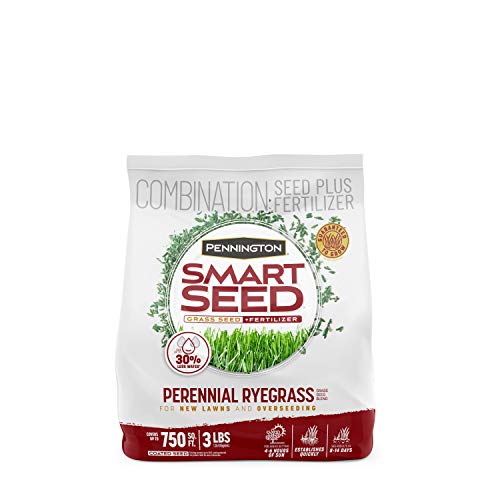
Pennington Perennial Ryegrass Seed, 3 lb

Back to the Roots Organic Wheatgrass Seeds, 1 Pound
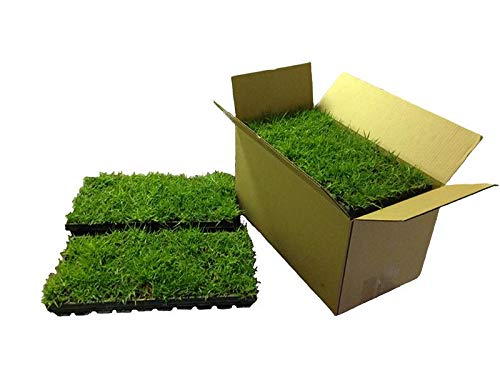
EZPLUG Zoysia Plugs, 100 Count

Scotts Turf Builder Seed, 5.6 lbs

Scotts Rapid Grass Seed, 2.4 lbs
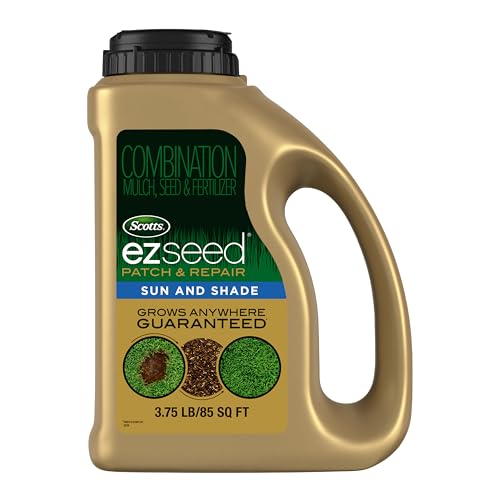
Scotts EZ Seed Patch & Repair, 3.75 lbs
What Each Pick Brings To The Table
A food plot does not need to sit in the middle of a manicured yard to be useful. I would consider this blend for a remote corner, creek boundary, or wooded opening where mowing and machinery are inconvenient. The no-till approach makes it more practical for uneven or previously untouched ground than a conventional food-plot seed that calls for disking.
Unlike the lawn blends in this list, the goal here is deer forage rather than a continuous turf. I find that distinction important because a wildlife plot accepts a different planting method and a different level of finish.
The Upside
- Combines tetraploid ryegrass, forage clovers, and brassicas in one planting mix.
- Avoids disking and heavy equipment, which expands the usable site options.
- Supports spring and fall planting windows for seasonal deer forage.
- One 5-pound bag is labeled for spreading over a quarter acre.
Practical Considerations
- Ground preparation still matters, and dragging the area with fencing can improve seed contact.
- This is wildlife forage, so it does not suit a normal residential lawn.
Feature Snapshot
Who It Suits Best
North Carolina homeowners with a wooded acreage, hunting property, or suitable off-site plot need a simple way to establish deer forage.
Where Another Pick Suits Better
Scotts Turf Builder Seed, 5.6 lbs suits homeowners focused on filling a mixed-light lawn rather than creating a wildlife food plot.
Perennial ryegrass makes sense for a homeowner who wants a fine-textured lawn and values a relatively quick start. The manufacturer lists visible results in 8 to 14 days, which is useful for patching a worn yard during a favorable growing period. I would still treat that timeline as a planting condition rather than a fixed calendar promise.
This bag stands apart from the sun-and-shade mixes because it names a specific grass rather than presenting a general-purpose blend. The four-to-six-hour sunlight range also gives a clear starting point for partially shaded lawns.
The Practical Payoff
- Combines perennial ryegrass with fertilizer for a two-part lawn-starting product.
- Covers up to 750 square feet, making coverage simple to calculate.
- Produces a fine-bladed surface that retains color into winter.
- Perennial ryegrass returns in later growing seasons.
Worth Noting
- The four-to-six-hour sun range may not fit deeply shaded areas.
- The manufacturer states that proper establishment uses up to 30% less water than grass seed without the added fertilizer.
- Warm-season regions require a careful planting window for cool-season ryegrass.
Quick Facts
Made For
Homeowners seeking a specific, fine-bladed cool-season grass for a partially shaded yard will find the ryegrass focus easier to evaluate.
Consider Something Else When
Scotts Turf Builder Seed, 5.6 lbs is a better fit for a lawn divided between full sun and dense shade than this single-grass option.
A shallow container of fresh wheatgrass can give indoor cats a place to nibble, and that is the role this seed is designed to fill. I would keep it out of the lawn comparison because wheatgrass grown indoors has a different texture, scale, and purpose from a turf-forming lawn seed. The one-pound package also gives a home gardener a manageable quantity for several plantings.
The organic and non-GMO identifiers may matter to households making deliberate choices about cat grass. I would still examine the current package and planting directions before choosing, since the visual condition of the seed and the required preparation matter.
What It Does Well
- Suited to growing wheatgrass for indoor cats.
- A one-pound package fits container gardening and repeated sowing.
- Marked as organic and non-GMO for shoppers who check those traits.
Room For Improvement
- It is not a lawn seed and does not serve the same turf purpose.
- A suitable container and indoor growing setup are still needed.
Right Fit For
Cat households seeking a controlled indoor grass planter will find this more relevant than any outdoor turf blend.
A Better Fit Elsewhere
Pennington Perennial Ryegrass Seed, 3 lb suits an outdoor lawn project rather than an indoor cat-grass planter.
Rooted plugs create a different starting point from broadcasting seed. I would consider the EZPLUG pack for a homeowner willing to space 100 individual plants across a defined area and tend them through establishment. That extra attention makes the option less convenient, but it also gives each plant an established starting point.
Compared with the Pennington bag, these plugs require placement rather than an even broadcast. In return, the approach suits a deliberate zoysia expansion project in a compatible growing zone.
The Good Stuff
- Provides 100 individually grown plants for deliberate spacing.
- Each plug is listed at 1.5 by 1.5 inches.
- Uses mature roots rather than starting entirely from loose seed.
- Zoysia suitability is identified for zones 5b through 11a.
Small Caveats
- Planting 100 plugs by hand takes considerably more placement effort than broadcasting seed.
- Establishment calls for one hour of watering each day for the first 14 days.
- A slightly longer lead time is listed for inspection and documentation.
Key Details
Who Will Love This
Patient gardeners in a listed climate zone who want to place zoysia plants one by one will appreciate the control.
Another Choice May Suit
Scotts Rapid Grass Seed, 2.4 lbs better serves a homeowner who wants to cover thin lawn areas through broadcasting rather than planting individual plugs.
A lawn that receives both direct sun and patches of tree shade calls for a flexible seed mix rather than a single grass. This Scotts Turf Builder blend is designed for that changing-light setting. I would favor it for a new lawn or a broad reseeding project where a uniform sun-and-shade blend is easier to manage than separate plantings.
Unlike the wildlife food plot option, this mix is centered on turf. The 5.6-pound format also signals a more substantial lawn project than the 2.4-pound rapid bag, although the actual coverage depends on the labeled spreading rate.
The Value In It
- Designed for lawns that alternate between full sun and shade.
- Combines grass seed with fertilizer and a soil-improving component.
- Root-building nutrition supports deeper root development as the turf develops.
- The 5.6-pound size suits a larger lawn-establishment project.
Factors To Consider
- Existing grass and weeds still need to be managed before seeding.
- Sun-and-shade labeling does not remove the need to observe local moisture and light patterns.
The Right Fit
Homeowners with a medium or large lawn that contains both open and shaded sections will find the mixed-light approach practical.
Not Your Match When
Back to the Roots Organic Wheatgrass Seeds, 1 Pound better fits a cat-grass planter and does not suit an outdoor turf project.
Thin lawn areas create a practical reason to favor a faster-establishment formulation. The manufacturer describes this mix as producing grass up to twice as quickly as seed alone when used at the new-lawn rate and given proper care. I would treat that as a conditional product claim, since watering and soil preparation still control the outcome.
The rapid formula also brings fertilizer into the mix, while the 2.4-pound package is lighter than the standard Scotts Turf Builder option. It works for overseeding bare patches as well as starting new grass, which makes it a versatile addition to my lawn-care shelf.
Points In Its Favor
- Supports both new-lawn planting and overseeding thin areas.
- Combines grass seed with fertilizer for the establishment process.
- Spring and fall planting windows are identified for North American conditions.
Trade Offs
- The faster-growth claim depends on proper care and the stated application rate.
- The 2.4-pound quantity may cover less area than the 5.6-pound Turf Builder mix.
- Existing competition in thin lawns still needs attention during establishment.
At A Glance
Best Suited To
Homeowners addressing thin or bare patches and prioritizing a short establishment timeline will find this formulation purposeful.
Swap It Out When
Scotts Turf Builder Seed, 5.6 lbs better fits a larger lawn project with mixed sunlight and a greater need for coverage.
Small damaged areas rarely justify reseeding an entire lawn. This repair product takes a more focused approach, combining grass seed with controlled-release lawn food and a moisture-holding growing component. I would consider it for bare patches, slopes, shaded corners, and places where foot traffic has left the turf thin.
Compared with Scotts Rapid Grass Seed, 2.4 lbs, the emphasis shifts from rapid establishment to a combined repair system. The sun-and-shade positioning also makes sense for scattered problem spots rather than one uniform lawn area.
Reasons It Performs
- Targets bare spots, slopes, dense shade, and high-traffic areas.
- Combines seed, continuous-release lawn food, and a moisture-holding component.
- Works as a focused repair for scattered lawn damage.
Details To Watch
- The repair area still needs suitable preparation and regular moisture.
- Multiple scattered areas may require more than one package.
Core Details
Whose Lawn It Belongs On
Homeowners dealing with isolated bare patches, shaded corners, slopes, or worn footpaths will find the focused format useful.
Where A Sibling Pick Shines
Scotts Rapid Grass Seed, 2.4 lbs is a stronger alternative for a homeowner overseeding a broader thin lawn where rapid establishment is the priority.
What To Look For In North Carolina Lawn Seed
Match The Grass To The Growing Region
North Carolina includes coastal, piedmont, and mountain growing areas, so a local climate-zone chart is more useful than a generic lawn label. Cool-season grasses such as perennial ryegrass, tall fescue, and Kentucky bluegrass generally fit areas with colder winters, while bermudagrass, centipedegrass, and zoysia are more common in warmer regions. I would check the local extension office’s planting calendar before committing to a specific blend.
Account For Actual Sunlight
Sun-and-shade labels are useful, but I would measure the site rather than estimate it. A lawn receiving four hours of direct sun can have different moisture and temperature patterns from one receiving eight hours. Adjusting the selection to the weakest part of the site usually makes more sense than choosing separate products for every corner.
Separate Turf, Forage, And Pet Uses
A wildlife food plot, an indoor cat-grass planter, and a residential lawn serve entirely different purposes. EVOLVED HARVEST Throw & Gro Forage, 5 lbs belongs in the food-plot category, while Back to the Roots Organic Wheatgrass Seeds, 1 Pound is meant for container growing. Neither should be judged against a turf blend on establishment speed or coverage.
Think About The Work Involved
Broadcast seed requires preparation and even spreading, while rooted plugs require individual placement. That labor difference matters for large areas. For small worn spots, a repair mix may be enough, but a broad lawn project can justify a larger seed bag or an established plug system.
Seed Choices With Fewer Surprises
Mistakes Worth Dodging
The most common error is choosing by grass name without checking the growing region. I would also avoid judging a bag by weight alone, since spreading rates and coverage vary. Clear the area, read the complete label, and confirm the planting window before spreading seed.
What Separates Premium From Basic
Basic seed usually handles routine seeding, while specialized products add fertilizer, moisture support, faster establishment, or rooted starts. Those additions are useful when the lawn has difficult soil, uneven light, or a short repair window. They matter less when the site is already prepared and the project is straightforward.
Frequently Asked Questions
What Grass Seed Is Best For North Carolina Lawns?
The right choice depends on region, sunlight, and lawn purpose. Warm-season grasses fit many southern areas, while cool-season blends work better where winters are colder.
When Should Grass Seed Be Planted In North Carolina?
Cool-season seed is generally planted during spring or fall, while warm-season seed is commonly established later in spring. Local soil temperature and moisture conditions are more useful than the calendar alone.
Can Sun And Shade Seed Handle A Mixed Lawn?
Yes, a sun-and-shade mix is designed for lawns with changing light exposure. I would still prepare the soil evenly and monitor the shadier sections during establishment.
Is Perennial Ryegrass Suitable For North Carolina?
Perennial ryegrass works in compatible cool-season areas, especially where rapid establishment matters. It is less fitting for lawns where warm-season grass is the established local choice.
Are Zoysia Plugs Better Than Zoysia Seed?
Plugs suit a deliberate planting project because each rooted plant is placed individually. Seed is easier to broadcast over a large area, while plugs demand more spacing work and close attention to watering.
Final Thoughts
I would match the option to the actual job rather than treating every lawn as the same. Perennial ryegrass serves shaded cool-season lawns, the two Scotts blends handle broader residential projects, and the EZPLUG pack favors hands-on zoysia placement. The food-plot and wheatgrass choices belong in separate categories, where the intended use matters far more than lawn appearance. A quick check of local climate guidance, sunlight, soil preparation, and planting time will make the selection much easier.
