

Michigan’s lawn season rewards timing, but choosing the wrong grass can leave thin patches through summer heat. I look for cool-season varieties suited to cold winters, variable sunlight, and the traffic that comes with families, pets, and busy backyards. The seven options below cover new lawns, shaded areas, thin spots, and larger renovation projects, with clear distinctions between tall fescue blends and repair products.
The Picks In Brief

PlantingTree Lesco Transition Pro Seed

Twin City Resilience II Seed

Jonathan Green Black Beauty Blend

Scotts Sun & Shade Seed

Scotts Rapid Sun & Shade
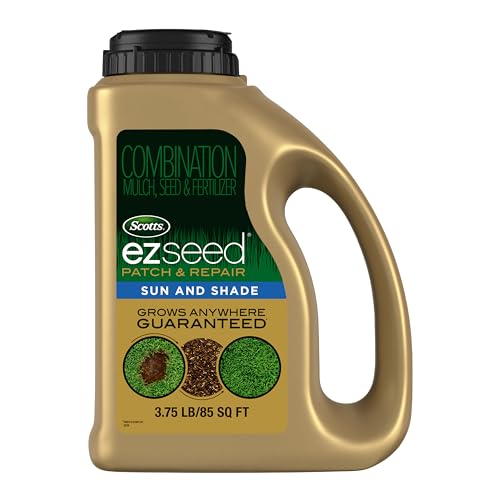
Scotts EZ Patch & Repair

Jonathan Green Colorado Seed Mix
The Strengths Of Each Pick
The transition blend brings a tall fescue focus and dark forest-green color to a lawn renovation, making it appealing for a yard that needs denser visual coverage. Ground temperatures above 60 degrees support germination, and the manufacturer indicates emergence in roughly 7 to 10 days under those conditions. In my view, that makes early summer a practical planting window after Michigan’s soil has warmed.
The 10-pound package suits a serious seeding project better than a tiny spot repair. Unlike Twin City Resilience II Seed, this option is presented as a transition blend for Mid-Southern conditions rather than a Michigan-specific formula, so its regional fit deserves attention. I would favor a tall fescue option with explicit northern tolerance for a major backyard renovation.
A Strong Showing
- The tall fescue composition supports a rich green lawn with a uniform, finished appearance.
- A stated 7-to-10-day emergence period offers a useful expectation for spring and early-summer projects.
- The 10-pound bag gives a homeowner enough seed for a substantial reseeding effort.
Worth Noting
- The product is described for Mid-Southern areas, so Michigan-specific cold tolerance is not established.
- Coverage details are not shown, so the bag weight cannot be translated into a reliable seeding rate without checking the label.
Feature Snapshot
Made For
This option fits experienced lawn renovators seeking a dark transition blend and willing to account for regional growing conditions.
A Better Fit Elsewhere
Jonathan Green Black Beauty Blend offers more explicit drought and root-depth characteristics for a large Michigan lawn.
Five tall fescue cultivars give this mixture a broader genetic foundation than a single-variety sack. The grasses spread through rhizomes, which are underground stems that produce new shoots, while tillering creates additional stems from existing plants. That combination can help fill open areas and supports recovery in lawns that receive regular foot traffic.
The stated tolerance for drought, shade, and traffic makes this a practical fit for a Michigan yard with shifting conditions. The label also allows sun or shade and a range of soil conditions, reducing the need to match the seed to one narrow site. I would still assess drainage and sunlight before treating any seed mix as suitable for every corner of a property.
Bright Spots
- Rhizome spread and tillering can improve coverage in a lawn with thin patches.
- Drought tolerance is useful for Michigan summers that alternate between rain and dry heat.
- Traffic tolerance suits households where children, pets, and footpaths concentrate wear.
- A 2-to-4-inch mowing height provides a clear maintenance target after establishment.
Practical Considerations
- The label calls for feeding at least twice per season, so maintenance planning matters.
- Watering every three weeks or when drought signs appear requires regular observation after establishment.
Key Specs
Who It Suits Best
This mixture best serves Michigan homeowners managing traffic, shade, drought stress, and moderate lawn thinning in one property.
Where Another Pick Suits Better
Scotts EZ Patch & Repair is a more focused choice for isolated bare areas rather than broad reseeding.
Deep rooting is the defining feature here. The manufacturer states that roots may reach four feet, giving the grass a larger soil profile from which to draw moisture during hot weather. A waxy coating on the leaves also helps limit water loss, giving this blend a sensible fit for exposed yards that turn dry during July and August.
Unlike Twin City Resilience II Seed, this option centers on a tall fescue blend rather than five named cultivars. The stated benefits include dark color, consistent leaf texture, and resistance to shredding during mowing. For most backyards, those details point toward a uniform lawn that also looks orderly after routine clipping.
Real-World Strengths
- Deep root growth supports the lawn through extended dry periods.
- Waxy leaf surfaces help conserve moisture in warm weather.
- Sunny and shaded placement broadens its usefulness across a property.
- The 25-pound package suits a large lawn or a multi-section renovation.
Small Caveats
- A large bag requires storage space and an accurate estimate of the seeding area.
- The 4-foot root figure depends on favorable soil, moisture, and establishment conditions.
Right Fit For
This blend fits households with a large, sunny or partly shaded lawn that values drought-oriented root growth.
Another Choice May Suit
PlantingTree Lesco Transition Pro Seed may appeal more to lawn renovators prioritizing a blended transition and dark color.
Scotts combines seed, plant food, and soil improver in this sun-and-shade mix, reducing the number of separate materials needed for a basic lawn project. Root-Building Nutrition is included to support deeper roots and thicker turf. That combination makes sense for a lawn with mixed light levels, where a full-sun-only seed would leave shaded sections thin.
The 5.6-pound format is practical for repairing a substantial section without buying the largest sack in the roundup. Compared with Jonathan Green Black Beauty Blend, the emphasis is less on a specific tall fescue mixture and more on combining seed with establishment support. I would check the bag for its exact grass types and seeding rate before setting a project budget.
What Pays Off
- Combining seed and nutrition simplifies the initial lawn setup.
- Soil improver supports the seed-to-soil establishment process.
- The sun-and-shade positioning suits lawns with trees or buildings casting afternoon shadows.
Things To Consider
- The exact grass composition is not stated, so the bag label is important for species expectations.
- Additional nutrients still depend on proper watering, mowing, and seasonal care.
Feature Card
Built With In Mind
This mix suits a practical homeowner establishing or repairing a lawn where both sunlight and shade influence the site.
Look Elsewhere When
Jonathan Green Colorado Seed Mix may fit better when a defined combination of tall fescue, Kentucky bluegrass, and perennial ryegrass is preferred.
This formula pairs seed with fertilizer, making it more immediately useful for thin or bare sections than plain seed alone. The manufacturer positions it for overseeding and for establishing new grass in spring or fall. Those seasons correspond well with Michigan’s strongest planting periods, although soil temperature and moisture still control the actual result.
The 2.4-pound size comes in a six-pack, offering more flexibility for distributing repairs across several small areas. That differs from the single 5.6-pound Scotts Sun & Shade Seed package, which is simpler to carry and better suited to one continuous repair. I would consider the multipack useful for scattered shade pockets, worn paths, and isolated spots.
Where It Delivers
- Combined seed and fertilizer support the early establishment process.
- Spring and fall timing aligns with Michigan’s principal cool-season windows.
- The multipack format allows repairs to be spread across separate lawn areas.
- Sun-and-shade positioning suits mixed-light backyards.
Points To Note
- Fast-looking results still require consistent watering and proper care.
- Multiple smaller containers may be less convenient than one larger bag.
Quick Facts
Best Suited To
This product suits homeowners repairing several small, mixed-light patches during Michigan’s spring or fall planting windows.
Swap It Out When
Scotts EZ Patch & Repair offers a more concentrated repair format with a dedicated patch-and-repair purpose.
This repair product is built for a narrow but common problem: bare patches that make an otherwise healthy lawn look uneven. Its formula combines seed, controlled-release lawn food, and moisture-holding growing granules. That all-in-one approach suits a spot beneath a downspout, along a worn path, or beside a fence where repeated watering is difficult.
The stated settings include full sun, dense shade, high-traffic areas, and slopes, making the product less dependent on one site condition. Unlike Twin City Resilience II Seed, which is intended for broad new-lawn and overseeding rates, this option is centered on repairing problem spots. I would use it selectively rather than treating it as a full-lawn renovation.
The Good Stuff
- Several repair components are combined in one product.
- Moisture-holding granules are useful where bare soil tends to dry quickly.
- The stated range includes shade, traffic, and sloped sites.
- Targeted application avoids disturbing healthy surrounding turf.
Less Ideal Details
- The 3.75-pound package is intended for patch work rather than broad lawn coverage.
- Preparation still matters because compacted soil or poor drainage can restrict new growth.
Who Will Love This
This option fits homeowners dealing with a few stubborn bare areas rather than a lawn-wide thinning problem.
Reach For A Different Pick When
Twin City Resilience II Seed is the better choice for broad overseeding based on its stated coverage rates and traffic tolerance.
Three cool-season grass types give this mixture broader appeal than a single-species tall fescue sack. Black Beauty turf-type tall fescues, Blue Panther Kentucky bluegrass, and elite perennial ryegrass bring different growth habits and textures to the lawn. That variety can help a northern property handle changing sun, moisture, and wear conditions.
The formula is designed for high-altitude Rocky Mountain regions with cool, semi-arid conditions. Michigan’s rainfall patterns and lower elevation differ, so I would not assume it matches a local lawn without checking the species and local climate. For gardeners in Michigan’s cooler northern communities, the mix still offers a sensible case based on its stated cool-season composition.
The Case For It
- Combining three cool-season grasses adds species diversity.
- The formula suits both sunny and shaded lawn areas.
- Its regional focus reflects cool and semi-arid growing challenges.
- The 7-pound bag is manageable for a medium lawn project.
Factors To Consider
- The stated regional focus is Rocky Mountain states rather than Michigan.
- A mixed lawn may have slightly different growth rates and mowing needs among its grass types.
Feature Overview
The Right Fit
This mixture fits gardeners in Michigan’s cooler regions who want a varied cool-season lawn and understand the local climate may differ from its design area.
A Better Fit Elsewhere
Twin City Resilience II Seed is more directly suited to broad Michigan reseeding through its stated drought, shade, and traffic tolerances.
What Michigan Lawns Need From Grass Seed
Match the grass to the site
Tall fescue is a practical starting point for many Michigan lawns because it handles cool weather and moderate drought stress. Dense shade, severe traffic, and persistent dry soil can still create challenges, so the site deserves a closer look before seed is spread. I pay particular attention to areas beneath mature trees, beside structures, and along frequently used paths.
Read the bag before calculating coverage
The seed label provides the most useful information for planning a project, including species, recommended rate, and planting window. A 5-pound sack and a 25-pound sack can cover very different areas because the suggested rate changes with the existing lawn condition. Checking the label also prevents a new lawn rate from being mistakenly used for a small repair.
Plan for the first few weeks
Good seed contact and consistent moisture matter more than any quick visual change. I prepare the soil, spread the seed evenly, and keep the area damp while new growth establishes. A gentle, careful mowing schedule then helps the young lawn fill in without putting stress on the tender shoots.
Making the Seed Decision Clearer
Mistakes Worth Dodging
A common mistake is buying by bag size without checking the coverage rate. Another is treating a patch product like a complete renovation, which can leave thin areas elsewhere unresolved. I also avoid seeding during unsuitable heat or soil conditions, because reliable moisture and moderate temperatures give new grass its strongest start.
Where The Extra Money Goes
Higher-tier mixtures may spend more on named cultivars, deeper root development, or coatings that help with moisture and mowing. That investment matters most for a large lawn facing drought, heavy traffic, or a demanding shade situation. A smaller repair or an easy-care new lawn may not need the same level of refinement.
Frequently Asked Questions
What is the best grass type for a Michigan lawn?
Tall fescue is a common choice because it suits cool-season conditions and offers reasonable drought tolerance. The most suitable mix still depends on sunlight, traffic, drainage, and the existing lawn.
When should grass seed be planted in Michigan?
Early fall and spring offer the most practical planting windows because soil temperatures and moisture tend to support establishment. Late spring can also work, provided the soil is warm enough and watering remains consistent.
Can grass seed repair a shaded lawn?
Shade-tolerant seed can improve thin areas, but dense shade limits growth regardless of the mixture. I would reduce competing vegetation, improve the soil, and select a blend specifically labeled for shaded conditions.
Is a larger seed bag better for overseeding?
A larger bag can be practical for extensive thinning, but the label’s overseeding rate determines how much lawn it covers. Small repairs usually need less seed and benefit from targeted application.
Should grass seed be covered with soil?
A light covering can reduce seed loss from wind, runoff, or birds, but the seed still needs contact with prepared soil. Heavy topsoil can bury small seeds too deeply, so a thin layer is the practical goal.
Final Verdict
For a broad Michigan reseeding project, I would start with Twin City Resilience II Seed for its stated shade, drought, and traffic tolerance. Jonathan Green Black Beauty Blend makes sense for large lawns that value deep rooting, while the Scotts options fill narrower roles involving nutrition, rapid overseeding, and targeted repair. The bag label remains the deciding factor because lawn conditions vary more than product names suggest.
