

Georgia’s warm, humid growing season can be demanding on a lawn, especially where trees cast afternoon shade or summer rainfall arrives in short bursts. I’ve narrowed seven options by project type, from resilient turf to native-style meadow planting, so I can help you choose seed that fits the site instead of forcing one blend into every yard. Grass and seed type, planting season, and the amount of sunlight reaching the soil all matter more than a general climate label.
The Shortlist At A Glance

Outsidepride White Prairie Clover Seeds, 1/4 lb. Drought-Tolerant

SeedRanch Titan Rx Tall Fescue Seed

Everwilde Side-Oats Grama 1/4 lb

Scotts Turf Builder Sun & Shade Mix

Scotts Rapid Sun & Shade Mix
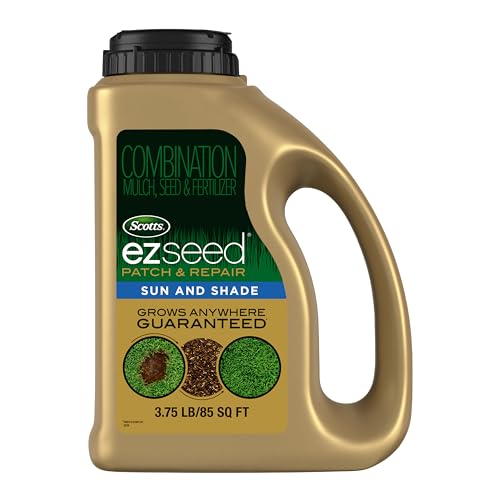
Scotts EZ Seed Patch & Repair

Jonathan Green Colorado Grass Mix
Inside Each Recommended Option
White prairie clover serves a different purpose from the turf grasses in this roundup. I would consider it for a meadow, restoration area, roadside planting, or habitat project where upright flowers, forage, and soil improvement matter more than a short, uniform lawn.
The stated range of USDA Zones 6 through 9 makes it relevant across much of Georgia, although local conditions deserve a closer look. For most restoration projects, its deep taproot and low-maintenance growth habit make this a more purposeful choice than forcing white clover into a tightly managed yard.
Advantages To Know
- White flower spikes appear from early through mid-summer, adding a distinctive vertical display to naturalized plantings.
- The deep taproot helps established plants persist through dry periods and contributes to erosion control on suitable slopes.
- As a nitrogen-fixing legume, the plant can support soil enrichment while serving as forage for wildlife and livestock.
- The 1/4-pound packet suits concentrated meadow patches or a measured start rather than an entire suburban lawn.
Trade Offs
- This is a wildflower and forage plant, not a practical choice for a uniformly short turf lawn.
- The packet recommends late-fall sowing so winter cold can provide stratification, meaning the natural cold period that helps seeds break dormancy.
Quick Facts
Who It Suits Best
I recommend this packet to Georgia gardeners creating pollinator habitat, forage plantings, or low-input meadow areas.
Where Another Pick Suits Better
SeedRanch Titan Rx Tall Fescue Seed is a better fit for a conventional lawn that needs dense turf and recovery through heat.
Tall fescue is a practical answer for a Georgia lawn that receives both direct sun and intermittent shade. Titan Rx adds heat tolerance, pest and disease resistance, plus the ability to spread through rhizomes, which are underground stems that help turf expand and recover.
For a large property or an ambitious home lawn, the 50-pound format looks more substantial than a small patch product. The trade-off is storage and handling: I would confirm the seeded area and keep the remaining bag dry before committing to this quantity.
Well-Handled Touches
- Sun-and-shade tolerance gives the seed a useful degree of flexibility across lawns with trees or open areas.
- Heat tolerance makes it more relevant to Georgia summers than a blend marketed only for cooler conditions.
- Rhizome growth can spread turf and repair thin areas over time, which is useful near frequently traveled routes.
- The 50-pound bag suits large lawns, acreage-like projects, or repeated overseeding needs.
Practical Considerations
- Tall fescue still needs suitable soil, moisture, and proper establishment care rather than seed-and-forget treatment.
- A 50-pound package requires dry storage and may be more than a small repair area needs.
Technical Highlights
Made For
I favor Titan Rx for homeowners with a large lawn, mixed light, and a preference for a resilient cool-season turf.
Consider Something Else When
Outsidepride White Prairie Clover Seeds suit a habitat meadow better than a conventional high-traffic lawn.
Side-oats grama brings a distinctive prairie character, with purplish seed spikes arranged along one side of the stems. I see it as a strong option for a short-grass prairie planting or a larger native-grass project where the visual pattern matters as much as the eventual texture.
Its warm-season habit means active greening arrives with warmer ground, a useful distinction from the cool-season lawn options. The Gold Vault package adds another practical layer for gardeners who divide one purchase across multiple planting windows or keep excess seed protected.
The Upside
- The one-sided seed spikes create an unusual ornamental feature in prairie-style gardens.
- A clump-forming warm-season perennial suits projects that call for upright grass accents rather than continuous sod.
- The resealable pouch makes leftover seed easier to divide and protect between plantings.
- Detailed packet instructions and a QR code support both immediate planting and later reference.
Less-Strong Areas
- Side-oats grama is not a conventional lawn grass, so it will not serve the same clipped-turf role as tall fescue.
- Its native-grass label does not by itself establish that it is locally native to a particular Georgia county.
Key Product Details
Right Fit For
I would pair this seed with gardeners building a prairie-inspired planting in a location that receives strong sun.
A Better Fit Elsewhere
SeedRanch Titan Rx Tall Fescue Seed makes more sense for a lawn judged by uniformity, foot traffic, and spreading turf.
A home lawn rarely receives identical light from one corner to the next. This Scotts Turf Builder mix is designed for both sunny and shaded sections, making it a sensible general option for new lawns or larger reseeding projects that include trees and open ground.
Its Root-Building Nutrition combines seed with fertilizer and soil-improvement ingredients intended to support deeper roots. I would still treat it as a blend rather than a universal answer, since repeated deep shade remains difficult for grass and the 5.6-pound package needs a sensible coverage plan.
Practical Pluses
- Sun-and-shade positioning makes the mix convenient for lawns with mixed exposure.
- Root-Building Nutrition pairs the seed with nutritional and soil-supporting components.
- The 5.6-pound format is practical for establishing a home lawn rather than treating one isolated scar.
Where It May Fall Short
- The broad mix does not disclose a specific grass composition, so exact color and texture expectations should remain flexible.
- Consistent soil moisture remains necessary for reliable establishment, especially during Georgia’s warmer months.
Who Will Love This
I recommend this mix to households starting a general lawn where both sunny and partly shaded ground need coverage.
Another Choice May Suit
Scotts Turf Builder Rapid Grass Sun & Shade Mix better serves a lawn focused on faster overseeding of thin areas.
Scotts Rapid Grass is aimed at a more immediate lawn concern: filling bare or thinning areas without reseeding the entire property. Its seed-and-fertilizer combination is designed for new growth and overseeding, with the manufacturer’s faster-growth claim tied to correct application and care.
For most suburban yards, the 2.4-pound package is easier to manage than a bulk sack. I would use it on defined thin patches or broader worn routes, then judge the result by establishment rather than expecting an instant finished carpet.
Good Reasons To Consider
- Combining seed with fertilizer supports the immediate needs of a new or thin area.
- The formulation is intended for both sunny and shaded sections, which suits mixed home lawns.
- It targets both new grass and overseeding, giving the smaller package two practical lawn roles.
- The manufacturer describes visible growth in weeks when the product is applied at the new-lawn rate and properly cared for.
Small Caveats
- Faster visible growth does not remove the need for steady moisture during establishment.
- The rapid-growth claim depends on proper care, so difficult soil or neglected irrigation can change the result.
Feature Snapshot
Best Suited To
I would choose this rapid mix for homeowners addressing worn lawn routes or isolated thinning without replacing the entire lawn.
Look Elsewhere When
SeedRanch Titan Rx Tall Fescue Seed is the better option for a large-area seeding project with substantial turf recovery needs.
Small bare patches rarely require a sack of seed and a full lawn renovation. Scotts EZ Seed combines grass seed, controlled-release lawn food, and moisture-absorbing granules, creating a focused repair product for exposed soil around traffic routes, slopes, and shaded areas.
The advantage is convenience. I see this as a sensible option for several small defects across a lawn, although the 3.75-pound package may be excessive for one compact spot. Checking the dimensions of each bare area before opening the bag prevents plenty of unnecessary seed.
Strengths Worth Knowing
- Seed, lawn food, and absorbent granules are combined for a convenient patching format.
- The product is designed for bare spots in full sun, dense shade, high-traffic areas, and slopes.
- Controlled-release lawn food supports the repaired area as the new grass establishes.
- Multiple small problem spots can be treated without disturbing healthy turf nearby.
Points To Note
- The patch format is most efficient for limited areas rather than a full lawn renovation.
- Absorbent granules do not replace consistent watering during the establishment period.
Whose Yard It Belongs On
I recommend this repair mix for Georgia households dealing with several small bare patches rather than widespread lawn loss.
Swap It Out When
Scotts Turf Builder Rapid Grass Sun & Shade Mix is the better fit for broader overseeding across thin lawn sections.
This mix is formulated for high-altitude, semi-arid conditions in the Rocky Mountain region, so it is not automatically aligned with most Georgia lawns. I consider it a useful specialty comparison for elevated properties where cool nights, dry conditions, and a distinctly mountain climate resemble the product’s stated target region.
The blend includes Black Beauty turf-type tall fescue, Blue Panther Kentucky bluegrass, and elite perennial ryegrass for sunny and shaded areas. Multiple grass types can provide flexibility, though the regional match matters more here than the familiar Turf Builder format.
The Value In It
- The formulation specifically targets cool, semi-arid conditions found at higher elevations.
- Three named cool-season grasses provide a mixed stand for varied light conditions.
- Turf-type tall fescue adds a durable component to the Kentucky bluegrass and perennial ryegrass blend.
- The 7-pound format suits an established area rather than a tiny isolated spot.
Factors To Consider
- Georgia’s coastal and piedmont conditions differ substantially from the Rocky Mountain climate named in the formulation.
- Mountain properties still require a local elevation and moisture check before assuming the blend is appropriate.
Core Details
The Right Fit
I would reserve this mix for a Georgia mountain lawn whose elevation and climate closely resemble the Rocky Mountain regions named by the manufacturer.
Reach For A Different Pick When
SeedRanch Titan Rx Tall Fescue Seed is the more broadly relevant choice for a typical Georgia home lawn.
What Georgia Lawns and Meadows Need from Seed
Start With the Site
I begin with the sun map, not the bag. A sun-and-shade blend makes sense for a lawn divided between open ground and trees, while a warm-season native grass may fit a naturalistic prairie planting. Deep shade, compacted traffic routes, and exposed slopes also need different treatment, so one lawn may require more than one seed type.
Match Grass to Climate
Georgia ranges from warm coastal areas to cooler mountain communities, making local temperature and moisture more useful than a statewide label. For conventional lawns, I look for heat tolerance, sun-and-shade suitability, and recovery characteristics. For restoration areas, plant origin, growth habit, and soil requirements deserve equal attention.
Think Beyond Lawn Appearance
Tall fescue suits a uniform lawn, while white prairie clover and side-oats grama create taller meadow character. Pollinator value, wildlife forage, erosion control, and soil enrichment can justify a native-style planting even when that result would never pass as conventional turf.
Check Seed and Supply
I calculate the area before choosing a package size. The stated rate for Titan Rx is 5 to 10 pounds per 1,000 square feet, while Outsidepride gives a specific rate for its prairie clover planting. Seed count, bag weight, planting date, and usable acreage are different measurements, so the packet instructions should guide the final calculation.
Avoiding Costly Seed Mistakes
Mistakes Worth Dodging
A common error is treating “sun and shade” as a promise of equal growth everywhere. Dense tree cover, poor soil, and neglected moisture can still restrict establishment, so I prepare the ground and observe the site before seeding. Another error is using a meadow grass to fill a small lawn gap when a repair blend would be easier to manage.
What The Higher Tier Buys
Higher-tier seed mixes often add multiple grass types, paired fertilizer, soil-improvement ingredients, or protective packaging. The added components can make sense for large, demanding projects, but a straightforward seed remains sensible for a modest patch. The useful upgrade depends on the site, not on the label alone.
Frequently Asked Questions for Grass Seed for Georgia
What is the best grass seed for a Georgia lawn?
SeedRanch Titan Rx Tall Fescue Seed is a strong general lawn option because it is labeled for sun and shade, heat tolerance, and rhizome-driven recovery. I would still match the choice to the lawn’s soil, traffic pattern, and available light.
Is native grass seed better for Georgia?
Native-style seed works best when the goal is prairie habitat, restoration, or a meadow rather than a clipped lawn. Side-oats grama and white prairie clover offer different heights and uses, so the desired appearance should determine the selection.
Can sun-and-shade grass seed work in Georgia?
Scotts Turf Builder Sun & Shade Mix and the rapid version can handle mixed light, but grass still needs adequate moisture and suitable soil. Areas under heavy tree cover or constant traffic deserve separate attention.
When should grass seed be planted in Georgia?
Spring and fall offer practical planting windows for many Georgia lawns, while Outsidepride specifically recommends late fall for white prairie clover so winter can provide cold stratification. Local rainfall and soil temperature should guide the exact timing.
How much grass seed do I need?
The required amount depends on the grass and the area. Titan Rx lists 5 to 10 pounds per 1,000 square feet, while the prairie clover packet lists 1 pound per 5,000 square feet, so seed types should not share one conversion.
Final Verdict
I would choose Titan Rx for a conventional Georgia lawn, Scotts Rapid for focused overseeding, and EZ Seed for small repairs. For a meadow or wildlife project, white prairie clover or side-oats grama changes the purpose entirely, while the Colorado mix belongs mainly in higher-elevation settings. The right decision starts with the site and ends with a realistic result.
