

A bare slope can lose soil after heavy rain, especially where lawn ends and disturbed ground begins. I compare seven grass and prairie seed options for slope stabilization, pasture use, shaded lawns, and quick patch repairs, with the right choice depending on soil, climate, and how much ground needs coverage.
The Shortlist At A Glance

Outsidepride White Prairie Clover Seeds 1/4 lb. Perennial for Meadow Gardens

BARENBRUG USA Annual Ryegrass Seed 50 lb

Jonathan Green 10320 Black Beauty Ultra Grass Seed 1 lb

Scotts Turf Builder Grass Seed Sun & Shade Mix 5.6 lbs.

Scotts Turf Builder Rapid Grass Sun & Shade Mix 2.4 lbs.

Outsidepride Climax Timothy Pasture Seed 5 lbs. Winter-Hardy Perennial
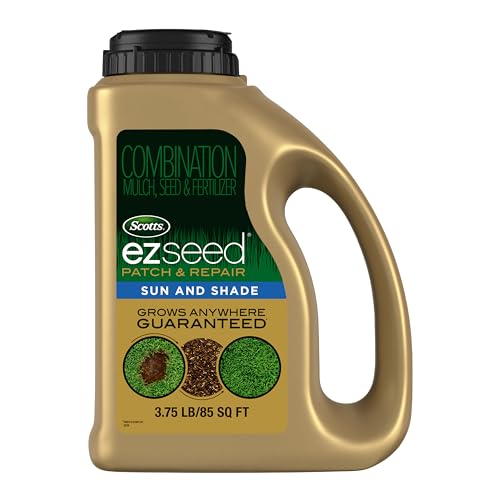
Scotts EZ Seed Patch & Repair Sun and Shade 3.75 lbs.
Inside Each Recommended Option
Dry banks and open restoration areas need plants that can handle poor soil and limited irrigation, not merely a lawn that fades after a few hot weeks. White prairie clover fits that role with a deep taproot, drought tolerance, and a perennial growth habit suited to USDA Zones 6 through 9.
For large naturalistic slopes, I find the combination of soil stabilization and blooming structure especially useful. The flowers appear from early to midsummer on upright spikes, while the root system supports the soil below.
Benefits That Matter
- The deep taproot suits dry, exposed slopes where shallow-rooted turf struggles.
- Nitrogen-fixing legume roots can contribute to soil enrichment over time.
- Full-sun suitability works for open meadows, roadside ground, and xeriscapes.
- White summer blooms add habitat value and visual interest beyond erosion control.
- Perennial growth supports repeat coverage instead of one short seasonal cycle.
Points To Note
- It performs best in USDA Zones 6 through 9 rather than colder regions.
- Late-fall sowing lets winter stratification occur before spring growth.
Key Specs
Made For
Dry slopes, meadow gardens, roadside restoration, and wildlife habitat in warm temperate regions suit this perennial well.
Another Choice May Suit
Outsidepride Climax Timothy Pasture Seed 5 lbs. Winter-Hardy Perennial fits colder pasture and restoration work better.
Temporary cover can make sense on large disturbed areas where a permanent pasture is not the immediate goal. This 50-pound bag of annual ryegrass is built around fast germination and turf establishment, giving the soil temporary protection between seasonal plantings.
For construction sites, broad temporary slopes, or a large home landscape, the bulk quantity offers practical coverage. Its annual cycle is the key limitation, so the ground may need reseeding later.
Advantages To Know
- The 50-pound format suits broad areas rather than small lawn repairs.
- Fast germination supports temporary ground coverage without prolonged bare soil.
- Overseeding is a practical use for filling thin or disturbed turf.
Trade Offs
- Annual growth does not provide the same multiyear structure as a perennial grass.
- A full bag requires dry storage space and careful handling.
- The listed manufacturing origin is China, so buyers with regional sourcing preferences should check the label.
Built With In Mind
Large-scale temporary erosion control, construction-site cover, and seasonal overseeding are the strongest use cases.
Look Elsewhere When
Outsidepride White Prairie Clover Seeds offer a better fit for long-term, drought-tolerant slope restoration in warmer regions.
A home lawn that also borders a slope needs both a polished surface and a root structure capable of reaching deeper moisture. Jonathan Green 10320 Black Beauty Ultra centers on a deep root system that can extend up to four feet, giving it a meaningful advantage over a purely surface-level lawn seed.
The blend also includes a waxy leaf coating intended to retain moisture and moderate traffic tolerance. That combination feels more relevant to active family lawns than to large livestock pastures.
Practical Advantages
- Roots may reach four feet deep, supporting access to deeper water and nutrients.
- The moisture-retaining coating helps keep water inside grass blades.
- Moderate traffic tolerance suits lawns with regular outdoor activity.
- One pound covers up to 200 square feet for a new lawn.
Worth Noting
- Spring or fall planting and at least six hours of daily sun are required.
- The smaller 1-pound package covers less ground than the bulk options.
Feature Snapshot
Right Fit For
Homeowners establishing or overseeding a cool-season lawn in a sunny location benefit most from this mix.
Reach For A Different Pick When
BARENBRUG USA Annual Ryegrass Seed 50 lb serves broad temporary coverage more effectively than this lawn-focused blend.
Lawns with shifting light need a flexible seed mix, especially where a tree edge leaves one area bright and another dim. Scotts Turf Builder Grass Seed Sun & Shade Mix 5.6 lbs. is intended for those mixed-light situations and combines seed, fertilizer, and soil improver in one application.
That bundled approach reduces the number of materials needed for a small residential project. It makes more sense for improving a lawn edge than treating an entire pasture.
Good Reasons To Consider
- The sun-and-shade focus suits lawns with changing light exposure.
- Seed, fertilizer, and soil improver are combined in one mix.
- Root-building nutrition supports stronger early turf establishment.
- The 5.6-pound size covers more area than a small patch package.
Some Limits To Know
- It is formulated for lawn conditions rather than livestock forage.
- A large raw slope may need more coverage than a typical lawn treatment provides.
At A Glance
Who It Suits Best
Residential lawn projects with mixed sun and shade need a convenient all-in-one seeding option.
Consider Something Else When
Jonathan Green 10320 Black Beauty Ultra Grass Seed 1 lb better serves a lawn where deep rooting and drought resilience are the main priorities.
Thin patches around a busy lawn need attention before bare soil starts collecting water or weeds move in. This rapid-grass blend combines seed with fertilizer and is intended to establish new growth in bare or thin areas, with particular attention to visible results within a short period.
Spring and fall planting suit most lawn-improvement schedules. I would treat it as a targeted repair product rather than a complete erosion-control program for raw ground.
A Few Strong Suits
- The seed-and-fertilizer combination supports quick early growth.
- The sun-and-shade blend handles uneven light around trees and buildings.
- Overseeding thin areas helps reduce the appearance of bare lawn.
- Each listed pack contains six 2.4-pound units.
Potential Compromises
- The rapid-growth claim depends on the new-lawn application rate and proper care.
- It is better suited to lawn repair than broad hillside revegetation.
The Right Fit
Homeowners repairing thin, bare lawn patches in mixed light benefit most from this fast-establishment approach.
A Better Fit Elsewhere
Scotts Turf Builder Grass Seed Sun & Shade Mix 5.6 lbs. better serves a larger residential lawn area requiring more coverage.
Timothy is most useful when erosion control and forage belong in the same field plan. This 5-pound perennial seed targets USDA Zones 3 through 7, making it relevant to cooler pastures, poultry runs, and restoration land where livestock may graze the resulting cover.
Its late-maturing habit also gives farm operators a practical reason to consider it: the crop matures later, allowing more favorable drying conditions for hay.
Noteworthy Benefits
- Deep roots help stabilize disturbed soil and reduce erosion.
- The perennial habit supports repeated forage production in its climate range.
- High-fiber, palatable forage suits livestock and poultry operations.
- Late maturity can improve the hay-curing window.
- Well-drained fertile soil supports the stated growing conditions.
Details To Watch
- Its stated range ends at USDA Zone 7, limiting suitability in warmer regions.
- Late maturity may not align with every grazing or hay schedule.
Core Details
Built With In Mind
Small farms, pasture managers, and restoration projects in cool northern regions have the strongest use case.
Where A Sibling Pick Shines
Outsidepride White Prairie Clover Seeds fit warmer, drier meadow and roadside restoration work better.
Small problem spots need a repair product that can cope with changing conditions. Scotts EZ Seed Patch & Repair combines grass seed with continuous-release lawn food and a super-absorbent growing medium, giving it a convenient setup for isolated bare areas.
The formula is designed for full sun, dense shade, high-traffic sections, and slopes. That range makes it a practical household choice, although extensive erosion sites may require a broader seeding plan.
Useful Strengths
- The concentrated format targets individual bare patches efficiently.
- Seed, lawn food, and absorbent growing medium work together in one application.
- The mix is designed for both full sun and dense shade.
- Slopes and high-traffic areas are included among its intended uses.
- Continuous-release lawn food supports the establishment period.
Where It May Fall Short
- Patch-and-repair positioning suits small areas better than broad hillside coverage.
- The 3.75-pound package requires multiple applications for a large project.
Feature Rundown
Who Should Grab It
Homeowners fixing isolated lawn gaps near trees, paths, or sloping edges appreciate the targeted format.
Swap It Out When
Outsidepride Climax Timothy Pasture Seed 5 lbs. Winter-Hardy Perennial better serves broad pasture restoration and forage needs.
Match the Seed to the Site
Climate and soil come first because a grass suited to a humid lawn may struggle on a dry, exposed bank. White prairie clover favors USDA Zones 6 through 9, while Timothy targets the colder Zone 3 through 7 range. Checking the regional zone prevents spending time and seed on a mismatched plant.
Purpose also changes the calculation. A lawn needs a dense, traffic-tolerant turf, while pasture seed must account for grazing, hay timing, and animal preferences. For raw slopes, deep roots and perennial growth carry more weight than rapid lawn appearance.
Read the Blend Before the Bag
A blended seed mix is designed to handle several lawn conditions, but that flexibility does not make it ideal for every site. Sun-and-shade mixes help around trees and buildings, while tall fescue blends emphasize deeper rooting. A pasture or prairie species serves a different function and should not be judged by lawn-sickness criteria.
Plan for Erosion Control
Temporary and permanent coverage use different timelines. Annual ryegrass can protect disturbed ground quickly but needs later reseeding. Perennial prairie clover, Timothy, and deep-rooted lawn blends offer longer-lasting structure, although establishment takes more consideration.
Before planting, I also account for slope severity, rainfall exposure, and whether the area will receive regular traffic. Seed alone cannot compensate for an unstable slope that continues to shift, so ground preparation matters as much as the bag choice.
Details That Change the Seeding Decision
Mistakes Worth Dodging
Choosing a familiar lawn seed for a raw pasture overlooks forage, grazing, and climate requirements. I also avoid judging seed solely by how quickly the first green appears, since short-term coverage and long-term soil holding are different goals.
Where The Extra Money Goes
Combined seed, fertilizer, and soil-improvement mixes reduce the number of materials needed during seeding. Seed with a deeper root profile or a wider climate range may suit a demanding slope better, while basic annual coverage remains useful for temporary work.
Frequently Asked Questions
What grass seed holds soil on a slope best?
Deep-rooted perennial grasses and prairie legumes generally suit long-term slope stabilization. The best choice also depends on climate, soil, rainfall, and whether livestock will graze the area.
Is white prairie clover suitable for erosion control?
Yes, its deep taproot and soil-stabilizing growth make it useful on dry slopes and restoration sites. It performs best in USDA Zones 6 through 9 with well-drained soil.
Is annual ryegrass good for erosion control?
Annual ryegrass provides fast, temporary coverage for disturbed ground. Its short lifecycle means later reseeding may be needed where permanent vegetation is required.
What seed works best for a pasture?
Timothy is suited to many cool-season pastures because it provides forage, deep-rooted cover, and hay value. Zone fit, grazing timing, and the farm’s harvest schedule remain important.
Should erosion-control seed be planted in spring or fall?
Fall planting often supports natural cold stratification and spring establishment. Spring works in some climates, so local temperature and soil-moisture conditions should guide timing.
Final Verdict
I would use white prairie clover for dry naturalized slopes, Timothy for cool-region pasture work, and deep-rooted lawn blends for active residential turf. Annual ryegrass handles temporary coverage, while repair mixes solve smaller gaps. The strongest choice comes from matching the seed’s roots, climate range, and intended use to the actual ground.
