

A spotted orchid leaf can look alarming, yet fertilizer and disease-control products solve very different problems. I rely on label details to separate genuine fungicides from plant foods, neem sprays, and foliar conditioners. That distinction matters for anyone tending Phalaenopsis, Dendrobium, bromeliads, or mixed houseplant collections.
The Picks In Brief

Big Leaf Energy Neem Spray

Element Complete Crop 9-5-15
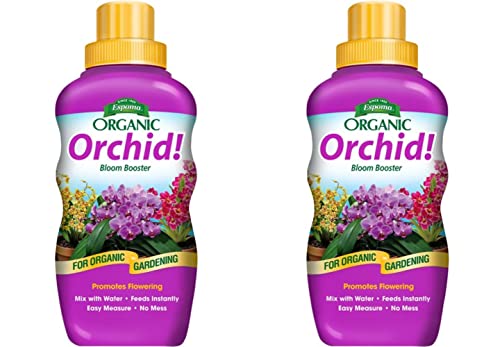
Espoma Organic Orchid! Liquid Plant Food for Orchids, 2-Pack

Better-Gro Orchid Plant Food

Phyton 27 Plant Fungicide 8oz

Flower Fuel 1-34-32 250g

Smart Grower Neem-Peppermint
The Picks, Examined More Closely
Orchid leaves collected on a windowsill rarely need glossy shine, but a light botanical spray can support routine foliage care while leaving the growing medium alone. Big Leaf Energy combines neem oil with cedarwood, lemon, clove, cinnamon, eucalyptus, and rosemary oils, then dispenses it through a fine-mist sprayer designed for controlled coverage.
Compared with the liquid feeds later in this list, this is a foliar product, meaning it is applied to leaf surfaces rather than mixed into irrigation water. For most mixed houseplant collections, I would treat it as general plant care rather than an orchid-specific disease product unless the label explicitly lists the relevant condition.
A Few Strong Suits
- The fine-mist nozzle supports even coverage on leaf tops and undersides.
- Ready-to-use liquid can be applied directly or diluted two to three times for sensitive plants.
- A blend of six essential oils gives the product a distinctive aroma.
- The formula is biodegradable and described as gentle around pets and people when used as directed.
Small Caveats
- Natural oils may separate or thicken, so the bottle needs shaking before use.
- Spot-testing and avoiding direct sun for six hours help reduce the chance of leaf or surface damage.
Feature Snapshot
Built With In Mind
This option suits indoor foliage collectors and mixed gardens that value fine-mist botanical care across a broad range of plants.
Where Another Pick Shines
Orchid growers seeking measured nutrition benefit more from Espoma Organic Orchid! Liquid Plant Food for Orchids, 2-Pack.
A 1,000-gram bag of Complete Crop is aimed at broad feeding rather than orchid disease control. Its 9-5-15 ratio follows the familiar NPK format, meaning nitrogen, phosphorus, and potassium are listed in that order, and the manufacturer states that the amount can cover as much as 800 gallons of water.
Unlike Big Leaf Energy Neem Spray, which lands on foliage, this dry plant food is intended for irrigation. I would consider it for a busy greenhouse or larger mixed collection, although the label must confirm a suitable application rate and orchid compatibility.
Real Benefits
- The 9-5-15 formulation provides a balanced combination of primary nutrients.
- A stated capacity of up to 800 gallons suits high-volume watering routines.
Practical Considerations
- This is an all-purpose plant food, not a product labeled as an orchid fungicide.
- The large water-volume figure does not replace the label’s application rate.
- Orchid growers should confirm compatibility with the particular growing medium and plant type.
Right Fit
Complete Crop fits greenhouse operators and experienced growers feeding a broad collection with a balanced NPK ratio.
Consider Something Else When
Espoma Organic Orchid! Liquid Plant Food for Orchids, 2-Pack is the more precise choice for a collection centered on orchids and bromeliads.
A capful measured into a quart makes Espoma Organic Orchid! straightforward to add to an existing watering routine. The directions call for half a cap per quart, followed by thorough watering, with applications every two to four weeks for best results.
Compared with Better-Gro Orchid Plant Food, this concentrated liquid provides more frequent control over nutrition timing. For an established Phalaenopsis or Dendrobium collection, I find that measured liquid feeding is easier to adjust than a long-lasting granular schedule.
Where It Helps
- The half-cap-per-quart measurement simplifies dilution.
- The liquid reaches the root zone as part of a thorough watering.
- The two-to-four-week schedule fits routine orchid care.
- It is made for orchids and bromeliads rather than general houseplants alone.
- Two 8-ounce bottles provide more than one compact container.
Minor Gripes
- This is plant food rather than a fungicide, and its label does not present it as an orchid disease-control product.
Quick Facts
Made For
Beginner and experienced orchid growers benefit from its clearly measured liquid format and dedicated plant coverage.
Not Your Match When
Gardeners wanting a single application that feeds for months should choose Better-Gro Orchid Plant Food instead.
Sprinkling plant food and returning to a later watering schedule is about as simple as orchid feeding gets. Better-Gro Orchid Plant Food is formulated for orchids, bromeliads, and houseplants, with one application described as feeding plants continuously for up to nine months.
Unlike Espoma Organic Orchid! Liquid Plant Food for Orchids, 2-Pack, this approach trades frequent liquid applications for extended coverage. I would favor it for a busy windowsill where a small feeding container is less appealing than a resealable bag.
Key Advantages
- A single application provides feeding for up to nine months.
- Sprinkle application removes dilution and mixing steps.
- The formula suits orchids, bromeliads, and ordinary houseplants.
Details To Watch
- The long feeding interval cannot be adjusted as precisely as a measured liquid.
- The label should be checked before using it in an orchid kept in water or another unusual growing setup.
Feature Breakdown
Who Will Love This
Low-maintenance plant keepers benefit most, especially those managing several orchids and bromeliads together.
Another Choice May Suit
Espoma Organic Orchid! Liquid Plant Food for Orchids, 2-Pack suits growers who prefer precise dilution and a shorter feeding interval.
Phyton 27 is the only item in this group explicitly positioned as a bactericide and fungicide for plant disease management. A systemic product is absorbed by the plant and distributed within its tissues, rather than remaining only on the sprayed surface, which is the key difference from the general-purpose neem options.
For active root or foliar disease concerns, I would examine this label more closely than the fertilizer entries. The listing covers edible crops, ornamentals, trees, and shrubs, but an orchid application still depends on label compatibility, plant condition, and the directions provided.
Where It Delivers
- Systemic movement extends beyond the immediate spray contact area.
- The product is designed for both root and foliar disease concerns.
- Its resistance to washing off can reduce the need for repeated spraying.
- The formulation is described as having a low risk of phytotoxicity, or plant injury, when used as directed.
Things That May Matter
- The plant label should be checked for orchid compatibility before use.
- Application timing during the growing season and before harvest must follow the label.
- This concentrated treatment product calls for careful dilution and storage.
Technical Highlights
Best Suited To
Experienced growers managing confirmed disease issues benefit most, particularly where the label permits the relevant orchid and condition.
Skip It When
Big Leaf Energy Neem Spray is a gentler fit for routine leaf care when no specific disease-control product is required.
Bloom-stage feeding calls for a different nutrient emphasis than balanced maintenance. Flower Fuel uses a 1-34-32 ratio, placing phosphorus and potassium ahead of nitrogen, and the 250-gram container holds a soluble formulation described as hydroponic-grade.
Compared with Element Complete Crop 9-5-15, its high-potassium profile is more focused on flowering plants and later growth stages. It can complement a base feeding program, although I would not substitute it for a labeled orchid disease product or an orchid-specific food.
Noteworthy Benefits
- The soluble format can support soil, coco, hydroponic, or aeroponic cultivation.
- Its high potassium and phosphorus levels suit bloom-oriented feeding.
Possible Compromises
- This is a bloom fertilizer, not a fungicide for orchid disease management.
- The concentrated nutrients demand accurate measurement and sensible dilution.
The Right Fit
Experienced indoor and outdoor growers managing flowering plants benefit from its concentrated, high-potassium format.
Look Elsewhere When
Espoma Organic Orchid! Liquid Plant Food for Orchids, 2-Pack offers a more specific and simple feeding routine for orchid collections.
A neem-and-peppermint plant wash serves a more cosmetic role than a fertilizer such as Espoma Organic Orchid! Liquid Plant Food for Orchids, 2-Pack. Smart Grower combines essential neem and peppermint oils for leaf washing and shine, with use described for both indoor and outdoor plants.
Compared with Big Leaf Energy Neem Spray, this option has a simpler two-oil identity and a more focused plant-wash purpose. For a grower wanting scented routine care across houseplants, it may be appealing, but the label remains more important than the neem association for orchid use.
A Favorable Mix
- Neem and peppermint oils provide a recognizable plant-wash formula.
- The intended use includes leaf shine as well as routine washing.
- One product is described for both indoor and outdoor plants.
Where It May Fall Short
- The product is not presented as an orchid-specific fungicide, so label compatibility and dilution remain essential checks.
Core Features
Whose Shelf It Belongs On
Houseplant keepers who prioritize scented leaf washing and light shine benefit most from this simple plant-care spray.
Reach For A Different Pick When
Orchid-specific nutrition matters more, making Espoma Organic Orchid! Liquid Plant Food for Orchids, 2-Pack the stronger choice.
Matching Plant Care to the Problem
Start With the Plant and Symptom
A fertilizer supplies nutrients, while a fungicide controls fungal disease. Leaf spots, coating, root decline, and discoloration can have several causes, so I would identify the problem and inspect the roots, medium, watering pattern, and ventilation before choosing a product.
Check Label Fit and Use
The plant name on the label matters more than general claims about houseplants. I also check concentration, dilution, application timing, harvest restrictions, and any warning against specific plants or growing conditions.
Compare Feeding Methods
Liquid food offers precise control, slow-release granules reduce application frequency, and soluble concentrates suit growers already managing a base nutrient program. For a mixed collection, matching the delivery method to the watering routine is often more useful than chasing a particular nutrient ratio.
Balance Convenience with Control
Concentrated treatments and bloom boosters can demand accurate measurement. A simple plant wash may suit routine cosmetic care, but neither convenience nor a familiar ingredient should replace confirmation that a product is labeled for the crop and condition.
Mistakes Worth Dodging
Mistakes Worth Dodging
Choosing fertilizer because the plant looks weak can miss a disease problem. I would read the complete label, verify that orchids are included, and follow the stated dilution rather than estimating from another spray.
What Separates Premium From Basic
More expensive choices may concentrate active ingredients, provide systemic movement, or offer a longer feeding interval. The upgrade is worthwhile only when that specific feature matches the plant, problem, and care routine.
Frequently Asked Questions
Which Product Is Actually a Fungicide?
Phyton 27 is the only item here explicitly labeled as a fungicide. The fertilizer and neem options support general plant care rather than documented orchid disease control.
Can Neem Oil Be Used on Orchids?
Neem oil sprays can be used only as directed on the product label. An orchid grower should first confirm that the label includes orchids and the relevant plant condition.
How Is Espoma Orchid Food Applied?
Mix half a cap with one quart of water, then water the orchid thoroughly. The stated feeding interval is every two to four weeks.
Is Better-Gro Suitable for Orchids?
Yes, Better-Gro Orchid Plant Food is formulated for orchids, bromeliads, and houseplants. One application is described as providing continuous feeding for up to nine months.
Does Phyton 27 Cover Edible Plants?
Yes, the product listing covers edible crops, ornamentals, trees, and shrubs. For an orchid, label compatibility should be confirmed before application.
Final Verdict
I would start by separating disease control from routine nutrition, since only Phyton 27 carries an explicit fungicide position in this group. Espoma Organic Orchid! Liquid Plant Food for Orchids, 2-Pack is the clearest feeding choice, while Better-Gro Orchid Plant Food favors convenience. The neem options belong in general foliage care rather than standing in for labeled orchid disease management.
