

A productive vegetable garden depends on more than rich soil and regular watering. I look at fertilizer differences through the lens of plant type, feeding method, and garden size, so each pick has a clear purpose instead of becoming another general-purpose bag in the shed.
Among these options, Xtreme Gardening AZOS stands out for transplant establishment, Espoma Garden-Tone serves vegetables and herbs, and the GARDENWISE slow-release blend suits gardeners who want fewer feeding sessions. Water-soluble choices such as Miracle-Gro and GARDENWISE 20-20-20 offer more control for container gardens and indoor plants. Organic Plant Magic offers another approach for mixing a concentrated feeding solution.
The Picks In Brief

Xtreme Gardening AZOS Beneficial Nitrogen-Fixing Bacteria 6 oz

Miracle-Gro 160101 All Purpose Plant Food 24-8-16

Espoma Organic Garden-Tone 3-4-4 Fertilizer 4 lb Pack of 2
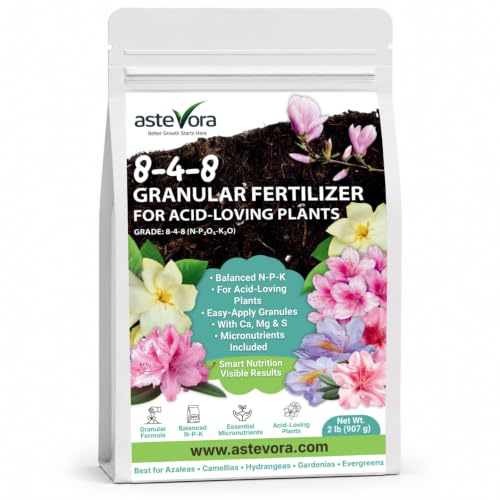
GARDENWISE 8-4-8 Acidic Fertilizer for Acid-Loving Plants 1 Quart

GARDENWISE 10-10-10 Slow-Release Granular Fertilizer 1 Quart

GARDENWISE 20-20-20 Water-Soluble Fertilizer 1/2 Quart
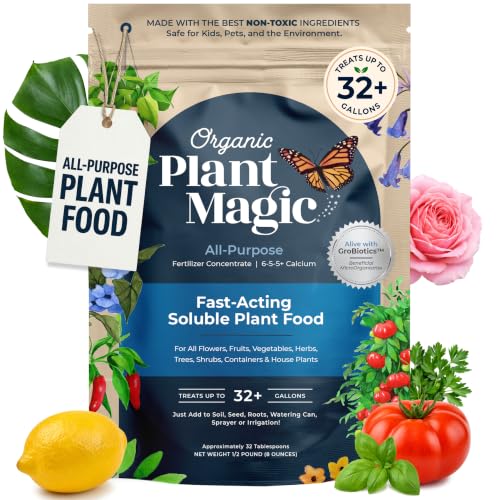
Organic Plant Magic All-Purpose Plant Food 1/2 lb
The Strengths Of Each Pick
AZOS takes a specialized approach to plant nutrition. Its beneficial bacteria capture nitrogen from the air and convert it into a form plants can use, making the 6-ounce container most relevant during early establishment.
I would consider it for rooted cuttings, young seedlings, and recently transplanted vegetables or trees. Unlike a complete garden fertilizer, its main contribution is nitrogen through a living bacterial relationship.
Where It Helps
- Supports root development during transplant establishment.
- Targets an early-growth stage when transplant stress is common.
- Works with plants and trees rather than one narrow crop family.
- Adds biologically active nitrogen without synthetic nitrogen in the product description.
Room For Improvement
- It is not a complete substitute for a balanced vegetable-garden fertilizer.
- The narrow rooting and transplant focus suits fewer situations than an all-purpose blend.
Feature Snapshot
Built With In Mind
This product best serves gardeners propagating cuttings or transplanting vulnerable young plants into a vegetable bed.
Where Another Pick Suits Better
Espoma Organic Garden-Tone 3-4-4 Fertilizer is the better fit for maintaining established vegetables and herbs across an entire bed.
A mixed garden makes a versatile plant food useful, and the 24-8-16 analysis gives this option a place among conventional feeding products. It can serve vegetables, flowers, trees, shrubs, and houseplants without requiring a separate product for each category.
The distinguishing feature is dual feeding through both roots and leaves, which broadens the application methods available. I can apply it through a garden feeder or a watering can, depending on the bed and surrounding plants.
Everyday Advantages
- Suits a broad mix of vegetables, flowers, shrubs, and houseplants.
- Works through both roots and leaves for flexible feeding.
- Accepts either a garden feeder or a watering can.
Points To Keep In Mind
- The water-soluble format requires careful dilution and application according to its label.
- Its broad plant coverage offers less crop-specific targeting than Espoma Organic Garden-Tone 3-4-4 Fertilizer.
Made For
Gardeners with a mixed landscape benefit most from a single soluble food that can handle vegetables and ornamentals together.
Consider Something Else When
GARDENWISE 10-10-10 Slow-Release Granular Fertilizer suits outdoor gardeners who prefer measured soil application over routine liquid feeding.
Vegetable-focused feeding is much easier to understand when the formula and the crop list point in the same direction. Espoma Garden-Tone 3-4-4 covers leafy vegetables such as lettuce, kale, and cabbage alongside warm-season tomatoes, peppers, squash, and melons.
The two-bag pack suits a substantial garden rather than a single container. Its 3-4-4 analysis provides 3% nitrogen, 4% phosphate, and 4% potash, with an additional 5% calcium included in the stated analysis.
Where It Delivers
- Matches both cool- and warm-season vegetables.
- Also fits common culinary herbs.
- Uses an organic fertilizer analysis for garden-focused feeding.
- Adds calcium alongside the three primary nutrients.
- The 8-pound pack supports repeated use across several beds.
Minor Gripes
- Its 3% nitrogen is lower than the 10% found in GARDENWISE 10-10-10 Slow-Release Granular Fertilizer.
- Eight pounds may be more than a small patio setup requires.
Key Product Details
Right Fit For
Organic-minded gardeners tending multiple vegetable beds and culinary herbs receive the most direct benefit.
Another Choice May Suit
Organic Plant Magic All-Purpose Plant Food better serves a household that wants one organic concentrate for vegetables, houseplants, and flowers.
This fertilizer is designed around a specific soil preference rather than general vegetable care. The 8-4-8 formula combines with magnesium, iron, and manganese for plants that favor acidic growing conditions.
Blueberries are the most relevant food-crop fit, while azaleas, camellias, hydrangeas, gardenias, magnolias, evergreens, and rhododendrons extend its reach across a mixed landscape. I would keep it separate from the general bed feed rather than treating every plant as an acid-loving crop.
What Earns Its Place
- Targets acid-preferring plants with a distinct 8-4-8 analysis.
- Includes magnesium, iron, and manganese in the stated nutrient blend.
- Supports blueberries as well as a broad range of shrubs and ornamentals.
Where It May Fall Short
- It is a poor general substitute for a bed containing crops that do not favor acidic soil.
- Blueberry growers need a dedicated feeding plan rather than casual, occasional use.
- The one-quart container may be small for a large collection of acid-loving shrubs.
Whose Shelf It Belongs On
Blueberry growers and gardeners maintaining a substantial collection of acid-loving shrubs benefit most from its targeted nutrients.
Reach For A Different Pick When
Espoma Organic Garden-Tone 3-4-4 Fertilizer is the stronger choice for a mixed vegetable garden containing tomatoes, peppers, squash, and leafy crops.
Granular fertilizer placed around outdoor plants fits a garden routine built around fewer feeding sessions. The slow-release format supplies nutrients gradually, while the 10-10-10 analysis gives equal parts nitrogen, phosphorus, and potassium.
I would consider it for vegetables, tomatoes, fruit, fig trees, shrubs, roses, arborvitae, and other flowers. Compared with GARDENWISE 20-20-20 Water-Soluble Fertilizer, it shifts the application method from mixed liquid water to measured granules near the root zone.
Noteworthy Benefits
- Slows nutrient release for a steadier outdoor feeding approach.
- Provides an even 10-10-10 nutrient balance.
- Works across vegetables, fruit, shrubs, flowers, and evergreens.
- Also accommodates container and indoor plants.
Possible Compromises
- Gradual release is less suitable for a plant that needs an immediate nutrient adjustment.
- Placement and watering matter because release happens around the treated soil area.
Quick Facts
Who Will Love This
Outdoor gardeners managing many beds appreciate a granular product that spreads across vegetables, fruit trees, shrubs, and flowers.
Swap It Out When
Miracle-Gro 160101 All Purpose Plant Food better fits mixed collections of vegetables and houseplants that receive regular liquid feedings.
Fast, flexible feeding makes this 20-20-20 powder useful for a varied collection of plants. It dissolves in water for liquid application, allowing the same mixture to serve vegetables, flowers, lawns, orchids, and indoor plants.
Unlike the slow-release GARDENWISE 10-10-10 granules, this option enters the watering routine directly. I would keep it for gardeners already comfortable measuring concentrated fertilizer and applying it consistently.
What Stands Out
- Dissolves in water for straightforward liquid feeding.
- Offers equal nitrogen, phosphorus, and potassium at 20-20-20.
- Works with indoor and outdoor plant collections.
- Includes vegetables, orchids, flowers, and lawns among its intended uses.
- The half-quart container holds one pound of powder.
Things To Consider
- Accurate dilution is important because the formula is concentrated.
- Liquid feeding requires a regular watering schedule and suitable equipment.
Feature Rundown
Best Suited To
Gardeners with containers, houseplants, flowers, vegetables, or lawns benefit from one fast-dissolving fertilizer.
Look Elsewhere When
Xtreme Gardening AZOS Beneficial Nitrogen-Fixing Bacteria is the better fit for a propagation bench focused on clones, seedlings, and transplants.
Organic Plant Magic is built around a single concentrate that can cover several parts of a household garden. One half-pound bag is described as making more than 32 gallons of liquid plant food, which gives the container meaningful reach.
I would consider it for vegetables, herbs, flowers, fruit, trees, and houseplants. Unlike Espoma Organic Garden-Tone 3-4-4 Fertilizer, which centers on vegetables and herbs, this option presents a broader indoor-and-outdoor application range.
Practical Pluses
- Covers vegetables, herbs, fruit, flowers, trees, and houseplants.
- The half-pound package produces more than 32 gallons of liquid feed.
- Works as a water-soluble concentrate for routine watering.
- Keeps garden and household plant feeding under one product.
Details To Watch
- The concentrate requires accurate measuring and dilution before use.
- Its broad formula offers less crop-specific guidance than a dedicated vegetable blend.
Important Details
The Right Fit
First-time food growers and mixed-plant households benefit from an organic concentrate with broad plant coverage.
Where A Sibling Pick Shines
GARDENWISE 20-20-20 Water-Soluble Fertilizer serves gardeners who prefer a stated 20-20-20 nutrient ratio over an all-purpose organic concentrate.
Match Fertilizer to Garden Needs
Start with the crop and growth stage
Vegetables, ornamentals, and acid-loving shrubs do not all need the same nutrient balance. I start with the plants actually growing, then separate food for vegetables from any fertilizer reserved for blueberries, rhododendrons, or indoor plants.
Compare liquid, granular, and biological formats
Water-soluble products dissolve into a watering routine, while slow-release granules are placed near the root zone. Biological nitrogen fixers have a narrower role, especially around rooting and transplant establishment, and should complement rather than automatically replace a complete garden feed.
Read the nutrient analysis
The three-number analysis shows the relative proportions of nitrogen, phosphorus, and potassium. A 3-4-4 blend offers less nitrogen than 10-10-10, while 20-20-20 supplies a larger and equal proportion of all three primary nutrients.
Account for garden size and storage
A two-bag pack can suit several vegetable beds, while a one-quart container may cover fewer plants. I also consider whether dry granules, liquid concentrate, or a small biological treatment will be convenient to store and handle.
Two Decisions That Shape a Purchase
Mistakes Worth Dodging
Choosing only by the word “all-purpose” can lead to an unnecessary purchase. I check the crop list, nutrient analysis, feeding format, and container size before adding anything to the garden shed.
What Separates Premium From Basic
A more specialized formula may cost more because it includes targeted nutrients, organic inputs, or a larger package. The extra expense makes sense only when those features match the actual plants and feeding routine.
Frequently Asked Questions for Food For Vegetable Garden
Which fertilizer is easiest to use across a mixed garden?
Miracle-Gro 160101 All Purpose Plant Food works across vegetables, flowers, shrubs, trees, and houseplants. Its water-soluble format also supports flexible application through a garden feeder or watering can.
Can one fertilizer feed both vegetables and houseplants?
Organic Plant Magic All-Purpose Plant Food covers vegetables, herbs, fruit, flowers, trees, and houseplants. GARDENWISE 20-20-20 Water-Soluble Fertilizer also fits indoor and outdoor plants needing a balanced liquid feed.
What is the best option for new seedlings and cuttings?
Xtreme Gardening AZOS is tailored to clones, seedlings, and transplants. Its beneficial bacteria convert atmospheric nitrogen into a plant-available form during early development.
Which product suits blueberries and acid-loving shrubs?
GARDENWISE 8-4-8 Acidic Fertilizer is formulated for blueberries, azaleas, camellias, hydrangeas, gardenias, magnolias, evergreens, and rhododendrons. I would keep it separate from food intended for general vegetable beds.
How should slow-release and water-soluble fertilizer be compared?
GARDENWISE 10-10-10 Slow-Release Granular Fertilizer favors fewer outdoor feeding sessions, while GARDENWISE 20-20-20 Water-Soluble Fertilizer fits regular liquid feeding. The deciding factor is the garden routine and the need for gradual or faster nutrient delivery.
Final Thoughts
The right food depends on what is growing and how often the garden receives attention. I would use AZOS around young transplants, Espoma Garden-Tone for vegetable beds, and the GARDENWISE options when slow release, acid-loving plants, or liquid feeding sets the priority. A useful garden plan starts with the crop, not the bag.
