

A yellowing lawn or a plant that has stopped producing new growth often needs nutrients in a hurry. Foliar fertilizer applies dissolved nutrients through the leaves, making it useful when soil feeding feels too slow. I’ve organized these options around plant type, nutrient balance, application method, and the scale of the job.
Several picks serve different needs, including bonsai care, turf, fruiting plants, and seasonal bloom support. Three Winchester Gardens options use soil spikes rather than foliar spraying, so I’ve included them as practical root-feeding alternatives and made that distinction clear in each review.
Your Options, Compared

Go Garden MKP Water-Soluble Fertilizer 00-52-34, 900 G

Perfect Plants Bonsai Fertilizer Spray, 8 oz

18-3-6 Liquid Foliar Fertilizer with Seaweed & Fulvic Acid, 2.5 Gallon

Farmer’s Secret Super Concentrated Fruit & Bloom Booster, 8 oz
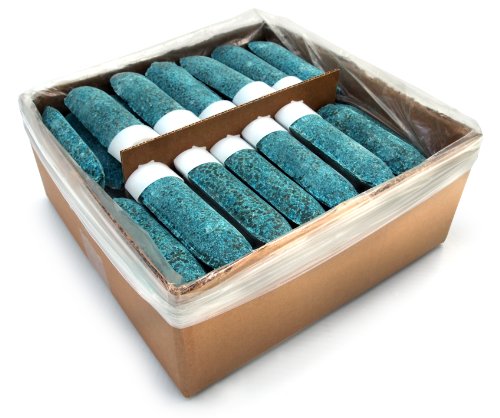
Winchester Gardens Evergreen Spikes 12-10-10

Winchester Gardens Tree & Shrub Spikes 15-10-9

Winchester Gardens Fruit & Citrus Spikes 8-18-18
A Closer Look At Each Pick
Go Garden MKP gives me a nutrient choice built around phosphorus and potassium rather than a general-purpose nitrogen blend. The 00-52-34 formula means zero nitrogen, 52% phosphorus, and 34% potassium, a combination that suits plants approaching flowering or fruit production.
Unlike the specialized bonsai mist, this water-soluble formula can feed a broader range of garden crops through foliage or drip irrigation. I see it as a practical pick for established vegetable and fruit gardens, especially where bloom and fruit development matter more than forcing leafy growth.
A Strong Showing
- The 900 g package provides a substantial quantity for repeated garden applications.
- Works through a foliar spray or drip irrigation, giving me two application routes.
- Its phosphorus and potassium emphasis supports flowering and fruiting stages.
- The broad garden focus suits multiple crop types rather than a single specialty plant.
Practical Considerations
- The absence of nitrogen makes it less suitable for plants that primarily need lush vegetative growth.
- Drip-irrigation use requires suitable injection equipment, while spraying requires careful coverage and dilution.
Key Specs
Who It Suits Best
I recommend this formula to experienced vegetable and fruit growers who understand dilution and want phosphorus and potassium without added nitrogen.
Where Another Pick Suits Better
18-3-6 Liquid Foliar Fertilizer with Seaweed & Fulvic Acid suits lawns and ornamental beds that need a nitrogen-led formula.
A small bonsai on a windowsill calls for a controlled feeding routine rather than a large volume of soil fertilizer. This 8 oz spray delivers a light mist to ficus, juniper, Chinese elm, and other indoor bonsai during spring and summer.
I appreciate the locking trigger because it reduces accidental spraying between uses. The original Go Garden formula covers broad garden crops, while this one narrows the focus to the compact, frequently tended plants found on shelves and benches.
Real Benefits
- Light misting offers more control than loose pellets or top-dressing around a bonsai pot.
- The trigger locks on and off, making storage and weekly handling more orderly.
- An 8 oz bottle suits a personal indoor collection without unnecessary bulk.
- The feeding routine can support steady growth and new shoots during active seasons.
Points To Note
- The stated weekly misting rhythm applies to spring and summer, so dormant-season use needs label guidance.
- Small trees may need only a portion of a bottle, making the 8 oz size less economical for a large bonsai collection.
Quick Facts
Made For
This spray fits bonsai owners caring for ficus, juniper, Chinese elm, and similar indoor trees in a home or greenhouse.
Consider Something Else When
Go Garden MKP Water-Soluble Fertilizer 00-52-34 suits a mixed vegetable or fruit garden rather than a shelf full of bonsai.
This formula is built around quick nitrogen response, a different priority from the phosphorus-heavy Go Garden MKP. Its 18% nitrogen supports green-up and growth, while the smaller phosphorus and potassium portions balance the overall nutrient mix.
For a lawn, I see the 2.5-gallon jug as a practical spray-tank format. It also carries directions for ornamentals, though the stated rates and intervals differ, so I would keep the two uses clearly separated.
Notable Upsides
- Multiple nitrogen forms provide both quick uptake and longer support.
- Seaweed extract and fulvic acid complement the basic NPK nutrients.
- The 2.5-gallon container reduces refilling during repeated turf applications.
- Separate label directions cover both turf and ornamental plants.
Small Caveats
- The turf and ornamental rates differ, making the label essential before mixing.
Technical Highlights
Right Fit For
This jug suits lawn maintainers and ornamental growers who want a nitrogen-led liquid feed and can follow separate label rates.
Not Your Match When
Perfect Plants Bonsai Fertilizer Spray suits indoor bonsai that need a light mist rather than a concentrated turf treatment.
Late summer and early fall call for a different kind of garden feeding, and this concentrate is positioned around flowers and fruit during that period. Its intended plants include fruit trees, vegetables, and ornamental flowers, making it broader than a single-crop treatment.
The formula focuses on root strength and improved nutrient uptake, which sounds different from delivering nutrients straight through leaves. I would therefore check the label for an explicit foliar instruction before treating it as a spray.
The Upside
- The formula supports a mixed collection of fruit, vegetables, and flowers.
- Its seasonal emphasis fits gardens entering late summer or early fall.
- The 8 oz concentrate offers a compact package for concentrated feeding programs.
Trade Offs
- Foliar use depends on the label permitting that application method.
- Concentration requires accurate dilution, and the formula is less convenient for routine weekly misting.
Best Suited To
I would consider this booster for a mixed garden that needs a dedicated flowering and fruiting feed during late summer or early fall.
Look Elsewhere When
Go Garden MKP Water-Soluble Fertilizer 00-52-34 suits growers wanting a clearly labeled foliar or drip-irrigation option across multiple growth stages.
Evergreen trees and shrubs often receive less attention than seasonal flower beds, making a pre-measured spike convenient for spring and fall routines. Winchester Gardens Evergreen Spikes release nutrients into the root zone rather than coating the foliage, so this is a soil-feeding alternative to foliar fertilizer.
The 12-10-10 formula places nitrogen at the center, with phosphorus and potassium supporting the balance. For a landscaped area with multiple evergreens, the 70-spike case also keeps the application method consistent across the property.
Key Advantages
- Slow-release nitrogen supports steady nourishment around evergreen roots.
- Pre-measured spikes simplify application without loose material or surface runoff.
- The product is labeled child and pet friendly.
Things To Consider
- Spikes do not provide the immediate leaf contact associated with foliar spraying.
- Placement near the root zone requires access beneath the plant, which can be difficult beneath densely planted shrubs.
At A Glance
Who Will Love This
This option appeals to landscapers maintaining several evergreens who prefer controlled root-zone feeding over spraying foliage.
A Better Fit Elsewhere
Winchester Gardens Fruit & Citrus Spikes 8-18-18 offer a better match for fruit trees that need a stronger phosphorus and potassium emphasis.
For a mixed landscape of deciduous trees and shrubs, the 15-10-9 formula provides more nitrogen than either the evergreen or fruit spike. That makes it a sensible comparison point for gardeners whose main goal is general leafy growth rather than fruit production.
These are slow-dissolving root-zone products, not foliar feeds. Their practical advantage is steady release without handling loose fertilizer, while the tradeoff is that nutrients reach the plant through the soil rather than the leaves.
Where It Helps
- The nitrogen-heavy formula supports overall tree and shrub growth.
- Even dissolution is designed to provide continuous root-zone nourishment.
- The 70-spike case accommodates a large number of landscape plants.
- Spikes are labeled child and pet friendly and avoid loose material or runoff.
Less Ideal Details
- Root-zone feeding is a poor substitute for a foliar feed when rapid leaf delivery is the priority.
- Large plants require careful spike placement near the active root area, and the label remains necessary for correct use.
The Right Fit
I recommend this spike for landscapers feeding a broad collection of deciduous trees and shrubs where nitrogen-led nutrition is the priority.
Skip It When
Winchester Gardens Evergreen Spikes 12-10-10 serve established evergreens more directly with their evergreen-specific formula and spring-to-fall use.
Fruit trees often need a different nutrient balance from ornamental shrubs, and the 8-18-18 formula makes that distinction clear. Its higher phosphorus and potassium levels complement the lower nitrogen content, making these spikes a sensible soil-feeding option for established fruit and citrus trees.
Compared with Go Garden MKP, the route is different: this case uses slow-release spikes below the surface, while the Go Garden option can be diluted for foliar or drip application. For a large orchard, the pre-measured 70-spike package simplifies repeated placements.
Features That Help
- The phosphorus and potassium emphasis fits fruit and citrus trees.
- Slow release supports steady nourishment over an extended period.
- Pre-measured spikes simplify feeding beneath established trees.
- The product is labeled child and pet friendly.
Where It May Fall Short
- Root-zone spikes do not provide direct foliar nutrition.
- The lower nitrogen content may not suit a tree whose primary need is leafy growth.
Core Details
Whose Shelf It Belongs On
This case fits orchard keepers and home growers tending several fruit or citrus trees who prefer measured soil feeding.
Another Choice May Suit
Perfect Plants Bonsai Fertilizer Spray suits a small indoor tree that needs a controlled mist rather than a root-zone spike.
Matching Nutrients to Plant Goals
The first decision is the delivery method. Foliar fertilizer reaches the leaves, while soil spikes and drip-fed products nourish the root zone. I match the method to the plant and the speed of the response, rather than treating every fertilizer product as interchangeable.
Reading the NPK Numbers
NPK lists the percentage of nitrogen, phosphorus, and potassium. Nitrogen generally supports leafy growth, phosphorus contributes to flowering and root development, and potassium supports many fruit-quality and stress-response functions. I look for a formula that matches the growth stage instead of assuming the highest number in every position is preferable.
Matching Strength to Plant Type
Bonsai owners usually need measured, gentle applications, while lawn care may call for a larger volume of nitrogen-led spray. Fruit and citrus gardens benefit from formulas with more phosphorus and potassium, and evergreens need a spike designed for their seasonal maintenance schedule.
Checking Label Directions
Concentration, dilution, application interval, and plant compatibility matter more than package size. I check the label before combining a foliar feed with another nutrient product, and I avoid transferring a turf rate to ornamental beds or a soil-spike placement to a potted plant.
Common Mistakes in Foliar Feeding
Pitfalls Shoppers Hit
Using a fertilizer without checking its NPK ratio can create a nutrient imbalance. Application mistakes also matter: excessive concentration, poor coverage, or spraying during unsuitable heat can stress foliage. I follow the label rate, use the specified equipment, and keep products in their original containers.
What Separates Premium From Basic
Higher-concentration products can reduce mixing volume and suit larger gardens or frequent applications. Specialty formulas may also add seaweed extract or fulvic acid, target a particular plant group, or include a more controlled sprayer. The upgrade matters when its convenience or nutrient profile matches the actual task.
Frequently Asked Questions
What Is Foliar Fertilizer?
Foliar fertilizer is a water-soluble plant food applied to leaves for nutrient delivery through the foliage. Its usefulness depends on proper dilution, coverage, and plant compatibility.
Can Foliar Fertilizer Be Used on Every Plant?
No, because different plants have different nutrient needs and tolerances. I check the label for compatible species, dilution rates, and application frequency before treating an unfamiliar plant.
Is a Higher NPK Number Always Better?
No, a higher number simply indicates a greater share of that nutrient in the formula. A nitrogen-heavy mix suits leafy growth, while fruit and flowering crops often benefit from more phosphorus and potassium.
Are Fertilizer Spikes Foliar Fertilizers?
No, spikes are soil fertilizers that release nutrients near the root zone. Foliar products are mixed with water and applied to the foliage, so the two methods work through different routes.
How Often Should Foliar Fertilizer Be Applied?
Application frequency depends on the product label, plant, season, and growing conditions. Some options call for weekly misting, while larger turf formulas may be applied every two to four weeks.
Final Thoughts
I start with the plant and its current growth stage, then narrow the field by delivery method, nutrient ratio, and label directions. The Go Garden MKP offers a clear foliar and drip option, the bonsai spray handles compact indoor trees, and the 18-3-6 jug covers larger lawn and ornamental routines. The Winchester Gardens cases fill a different role as measured soil-feeding alternatives, making a careful label check the final step in every choice.
