

Oklahoma lawn decisions often come down to one stubborn problem: finding grass that can handle hot summers, variable rainfall, and patches of shade without turning into a maintenance headache. I’ve narrowed eight options by seed type, coverage, planting season, shade tolerance, drought response, and the actual lawn problems each one addresses. This guide covers cool-season fescues, perennial ryegrass, a wildlife food plot, and zoysia plugs, with clear guidance on where each belongs and where it does not.
The Main Contenders
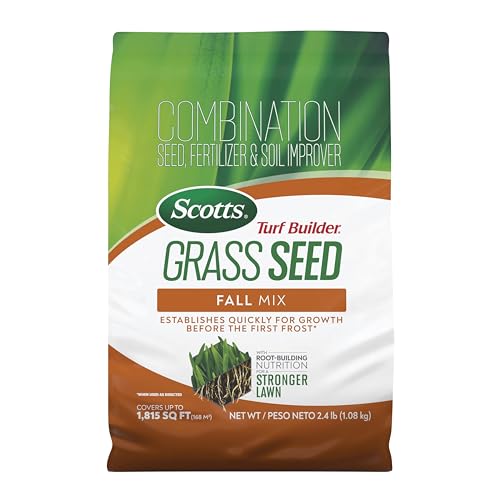
Scotts Turf Builder Fall Mix 2.4 lbs.

EVOLVED HARVEST Throw & Gro 5 lbs
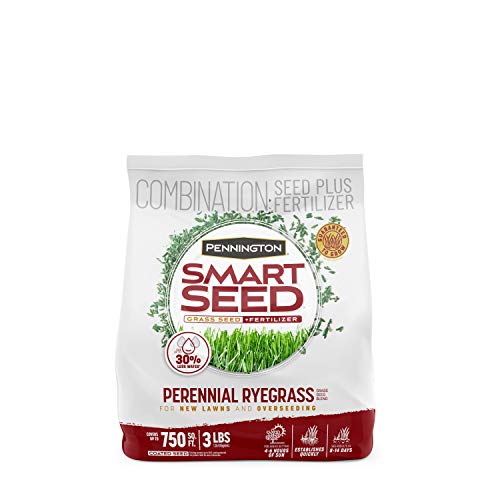
Pennington Smart Seed Perennial Ryegrass
Outsidepride Creeping Red Fescue 5 lbs.

Jonathan Green Black Beauty Tall Fescue 15 lb

Outsidepride Legacy Fine Fescue Mix 5 lbs OptiGrowth
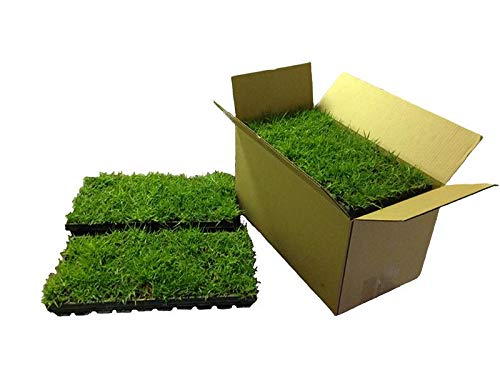
EZPLUG Zoysia Plugs 100 Count
Outsidepride Hard Fine Fescue Seed 5 lbs OptiGrowth Coated Lawn & Turf
The Details Behind The Selections
I see Scotts Turf Builder Fall Mix as a convenient starting point for Oklahoma homeowners seeding during autumn. Its Kentucky bluegrass, perennial ryegrass, and creeping red fescue blend covers both sunny ground and lightly shaded areas, while the seed-and-fertilizer format reduces the number of separate lawn-starting materials to manage.
The catch is that this is a general-purpose mix rather than a dedicated fescue option. For a lawn with demanding summer conditions, I would give Jonathan Green Black Beauty Tall Fescue more attention because its root development and moisture-retention features address drought stress directly.
The Good Stuff
- I can use it for either new-lawn seeding or fall overseeding.
- The three-grass composition gives me some flexibility across full sun and light shade.
- Root-Building Nutrition supports deeper root establishment during the fall growing period.
- One bag covers 600 square feet of new lawn or 1,815 square feet during overseeding.
Trade Offs
- The blend has low drought resistance, so irrigation needs still deserve attention in Oklahoma.
- Its medium durability makes Outsidepride Creeping Red Fescue a more focused repair option.
At A Glance
Made For
I recommend this mix to first-time fall seeders managing a small lawn with full sun or light shade.
Another Choice May Suit
Outsidepride Creeping Red Fescue serves homeowners focused on one fescue species, uncoated seed, shade, and erosion control better.
I would not confuse EVOLVED HARVEST Throw & Gro with lawn seed. This is a wildlife food plot mixture made from tetraploid ryegrass, forage clovers, and brassicas, intended to create a fast-growing deer forage area in spring or fall. Its strongest appeal is the no-till planting method, which makes it useful in wooded or rough ground where disking is difficult.
Compared with every fescue in this list, Throw & Gro serves a completely different purpose. I would select it for a managed habitat plot, while a fescue choice remains the relevant option for an ornamental lawn or erosion-control area beside that property.
Useful Strengths
- I can broadcast the seed without disking or bringing heavy equipment into the plot.
- The mixture combines fast-growing ryegrass, nutritious clovers, and brassicas for deer forage.
- Five pounds covers a quarter acre at the stated spreading rate.
- Spring or fall planting gives wildlife managers two useful establishment windows.
Things To Consider
- The mix creates forage rather than a dense, mowable residential lawn.
- Unbroken ground may need dragging with fencing to improve seed-to-soil contact.
Right Fit For
I recommend Throw & Gro to Oklahoma property owners creating an out-of-the-way deer forage plot without heavy equipment.
Look Elsewhere When
Jonathan Green Black Beauty Tall Fescue fits an actual lawn, sunny yard, or shaded cool-season turf area much better.
Pennington Smart Seed Perennial Ryegrass appeals to me when rapid visible coverage matters more than a specialized fescue blend. Perennial ryegrass is a cool-season grass valued for quick establishment, and this seed-and-fertilizer combination suits permanent cool-season lawns or temporary warm-season lawns receiving four to six hours of sun.
For a Oklahoma property dominated by intense afternoon heat, I would favor Black Beauty Tall Fescue over ryegrass. Pennington makes more sense for a moderately shaded yard, temporary green cover, or a lawn that benefits from fast germination and winter color.
Useful Touches
- The stated germination window is 8 to 14 days.
- Fine blades create a dense-looking lawn that retains color into winter.
- The seed and fertilizer are combined in one 3-pound bag.
- Perennial ryegrass returns year after year once established.
Minor Gripes
- The four-to-six-hour sun range is narrower than the shade tolerance of Outsidepride Creeping Red Fescue.
- The 750-square-foot coverage means multiple bags may be needed for a larger yard.
Quick Facts
Best Suited To
I favor Pennington for lawns needing quick cool-season cover with moderate sun exposure and regular irrigation.
A Better Fit Elsewhere
Outsidepride Legacy Fine Fescue Mix serves a fine-textured lawn spanning full sun to denser shade better.
Outsidepride Creeping Red Fescue stands apart for its simple composition: a five-pound bag of pure, raw creeping red fescue with no other crop or weed seed listed. I find that appealing for overseeding shaded lawn patches, repairing areas worn by pets, or creating turf where a simple single-species approach matters.
Creeping red fescue spreads through underground rhizomes, which are horizontal stems that send up new shoots and help fill bare areas. That characteristic makes it a more focused repair option than Scotts Turf Builder Fall Mix, which combines three grass species for broader coverage.
Practical Pluses
- I can use it in partial shade or full sunlight.
- The raw seed contains no filler or coating, keeping the bag focused on one grass species.
- Rhizome growth can gradually fill thin spots and damaged turf.
- Its fine, soft blades suit play areas and erosion-control locations.
Points To Note
- The seed is suited to cool, temperate conditions and well-drained soil.
- A pure grass seed bag does not include the fertilizer component found in Scotts or Pennington mixes.
Feature Snapshot
Who Will Love This
I recommend this seed to lawn caretakers seeking uncoated fescue for shaded repair, play areas, and erosion control.
Swap It Out When
Jonathan Green Black Beauty Tall Fescue is the stronger match for a large lawn where drought tolerance and deeper roots are the main priorities.
Black Beauty Tall Fescue targets the part of lawn care that matters most during an Oklahoma summer: holding turf through heat and dry periods. Its turf-type tall fescues develop roots described as reaching up to four feet, while waxy leaf surfaces help conserve moisture. I consider that combination more relevant to a large residential lawn than a quick temporary cover.
The fifteen-pound bag also suits a substantial seeding project, and the grass works in both sunny and shaded areas. Its planting window deserves attention, though, since the recommended fall period runs from mid-August through mid-October, with mid-March through mid-May listed as the next opportunity.
Bright Spots
- Deep root potential gives the lawn a stronger drought-response foundation.
- The waxy leaf coating helps reduce moisture loss during hot weather.
- Dark-green, uniform turf-type tall fescues suit both sunny and shaded lawns.
- The fifteen-pound size covers more ground than most bags in this list.
Where It May Fall Short
- Its tall-fescue focus is less useful for a temporary food plot or warm-season plug project.
- Planting outside the stated spring and fall windows can reduce the practical value of the bag.
Built With In Mind
I favor Black Beauty for large residential lawns, sunny and shaded areas, and Oklahoma homeowners prioritizing heat and drought response.
Consider Something Else When
Outsidepride Creeping Red Fescue fits a smaller, unshaded repair area where uncoated seed and rhizome spreading matter most.
Legacy Fine Fescue Mix is the most deliberately composed fine-fescue option here, combining hard, chewings, and creeping red fescues in a 20%, 40%, and 40% split. I see that diversity as useful for a lawn that includes both exposed sections and dense shade, since each fescue contributes a distinct growth habit to the finished turf.
The OptiGrowth coating adds zinc, phosphorus, nitrogen, and kelp to support seed-to-soil contact and early growth. Compared with Outsidepride Creeping Red Fescue, this is less about one simple species and more about a refined blend for landscaping, renovation, or high-traffic areas.
Points In Its Favor
- The three-fescue blend provides fine texture across full sun and dense shade.
- OptiGrowth coating supports spread uniformity and seed-to-soil contact.
- Nutrient additions give new seed several establishment resources in one product.
- Spring and fall planting options support new lawns, overseeding, and repairs.
Possible Compromises
- The blend requires more seed than a straight fescue planting for the same area.
- Coated seed does not suit gardeners specifically seeking completely raw product.
Feature Facts
The Right Fit
I recommend Legacy Fine Fescue to landscapers and homeowners creating fine-textured turf across changing light conditions.
Where A Sibling Pick Shines
Jonathan Green Black Beauty Tall Fescue is the better fit for an expansive lawn where drought tolerance and deep roots outweigh fine texture.
Zoysia is a warm-season grass, which makes these plugs a deliberate departure from the fescue options in this roundup. I include them because Oklahoma homeowners seeking a sharply different lawn type may prefer individually spaced plugs with mature roots rather than a densely seeded cool-season package.
The trade-off is immediate establishment work. Each plug measures 1.5 by 1.5 inches, and the planting instructions call for one hour of water daily for the first 14 days. A longer inspection and certification process can also affect the delivery timeline, which is worth considering for a planned landscape project.
Where It Delivers
- I receive 100 individually grown plugs rather than a loose seed mixture.
- Mature roots give each plug a head start compared with a new seed.
- The stated growing range covers zones 5b through 11a.
- Plug planting makes it possible to space a zoysia lawn deliberately.
Practical Considerations
- Daily watering for two weeks creates a firm establishment commitment.
- One hundred plugs may require repeated placement and careful spacing across a large lawn.
Who Should Grab It
I recommend these plugs to patient homeowners planning a zoysia lawn in a suitable climate zone with a dependable irrigation routine.
Reach For A Different Pick When
Scotts Turf Builder Fall Mix fits a new cool-season lawn better when fast blanket-style seeding matters more than individually spaced warm-season plugs.
