

A dormant apple tree in early spring presents a simple feeding decision: use convenient spikes, mix a liquid, or spread granules around the root zone. I built this comparison around fruit-tree care, weighing nutrient balance, application method, timing, and the needs of home orchards, patio trees, and berry patches.
Only three selections are true spikes, but several liquid and granular options provide useful alternatives for gardeners who prefer different routines. The 8 oz liquid option gives strawberry growers precise control over dilution, the 4 lb bags cover broader planting areas, and the 70-count spike cases suit repeated applications around established trees.
Your Options, Compared

Strawberry Liquid Fertilizer 8 oz

Jobe’s Organics Granular All Purpose Fertilizer 4 lbs Bag

Espoma Organic Tree-Tone Fertilizer 4 lb. Bag

GrowThrive Lemon Tree Food

GrowThrive Citrus Tree Food 10 oz
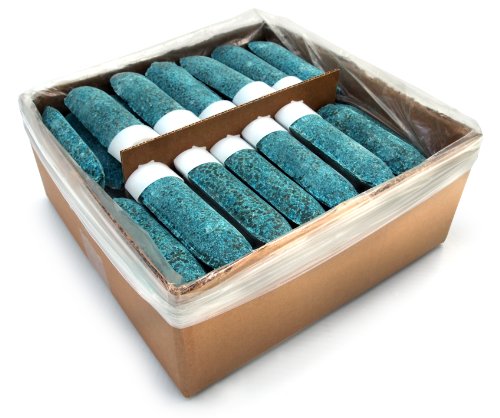
Landscaper Pack Evergreen Fertilizer Spikes

Landscaper Pack Tree and Shrub Fertilizer Spikes

Landscaper Pack Fruit and Citrus Fertilizer Spikes
A Breakdown Of The Leading Choices
I like liquid feeding for berry beds because dilution lets me adjust the application instead of placing concentrated material beside roots. This 8 oz formula uses an 8-8-8 nutrient balance, meaning equal parts nitrogen, phosphorus, and potassium, with micronutrients that support foliage, flowers, and fruit set.
Unlike the spike options later in the list, it can be poured evenly across a raised bed, outdoor pot, or in-ground strawberry patch. I recommend it to gardeners tending June-bearing or everbearing strawberries who want direct control from bloom through harvest.
Strong Points
- The 8-8-8 blend provides a balanced ratio of the three primary plant nutrients.
- Sulfur, zinc, and boron complement the formula for growth, blooms, and fruiting.
- Liquid application reaches the root area without concentrated fertilizer piles.
- The measured dilution rate makes repeat applications more consistent.
- One 8 oz container suits small beds and portable pots.
Worth Noting
- This is a strawberry fertilizer rather than a general fruit-tree feed.
- Accurate measuring and even watering matter for uniform nutrient distribution.
Feature Snapshot
Who It Suits Best
I consider this most practical for home strawberry growers using raised beds, containers, or small in-ground patches.
Another Choice May Suit
Gardeners maintaining established citrus trees will find the Landscaper Pack Fruit and Citrus Fertilizer Spikes more directly aligned with their plants.
The 4 lb bag makes sense for a garden that contains several kinds of plants rather than one dedicated orchard. I value the broad coverage across vegetables, flowers, shrubs, trees, and general garden plantings, particularly for mixed spaces where separate products would add clutter.
Compared with the liquid strawberry feed, this option uses dry granules rather than diluted water. I see it as a more practical choice for gardeners who prefer top-dressing or want one product for several beds, though fruit trees may still benefit from a more targeted nutrient profile.
The Practical Payoff
- One granular formula serves many types of garden plants.
- The 4 lb package provides a practical quantity for mixed planting areas.
- Granular feeding avoids preparing a separate liquid mixture.
- The all-purpose format simplifies inventory for varied landscapes.
Minor Gripes
- Its general-purpose formula lacks the specificity of a dedicated fruit-tree blend.
- Granular application requires spreading evenly around each planting.
- Separate tree feeding may still make sense in heavily managed orchards.
The Right Fit
I recommend this bag for mixed home gardens that include fruit trees alongside vegetables, flowers, and shrubs.
Where Another Pick Shines
Gardeners focused strictly on apple, peach, or ornamental trees will get clearer plant-specific guidance from Espoma Organic Tree-Tone Fertilizer.
Tree-Tone narrows the focus from a mixed garden to established trees. Its intended use includes shade, fruit, and ornamental trees, with apple and peach trees specifically identified, making the 4 lb bag a more relevant choice than broad-purpose granules for these plantings.
The 6-3-2 analysis places more nitrogen than phosphorus or potassium, a ratio that supports vigorous growth. It also includes 5% calcium, an important structural nutrient, while the spring-and-fall schedule gives me a clear seasonal framework.
Where It Excels
- Designed specifically for fruit, shade, and ornamental trees.
- Supports apple and peach trees with a tree-oriented nutrient blend.
- The nitrogen-heavy ratio suits active seasonal growth.
- Ready to use without any mixing step.
- Spring and fall application timing simplifies seasonal care.
Practical Considerations
- Granular feeding is less flexible than diluted liquid nutrition.
- Young or container-grown trees may need closer application control.
- Its 4 lb format requires storage away from moisture and pets.
Core Details
Made For
I think this fits gardeners maintaining several established apple, peach, shade, or ornamental trees across a yard.
Look Elsewhere When
Small-space citrus growers will find the 10 oz GrowThrive Citrus Tree Food easier to store and more closely matched to their plants.
A lemon tree in a large patio pot has a different feeding routine from a row of apple trees, and this liquid is built around citrus needs. I see it as a sensible option for home growers concentrating on foliage, blossoms, and fruit production from container-grown lemon trees.
The liquid format applies nutrients directly to the root area and supports more controlled feeding than placing a spike in a confined pot. Compared with Espoma Tree-Tone, the approach is narrower, but that specificity is precisely the advantage for a gardener maintaining only lemon or similar citrus plants.
Useful Touches
- Formulated for lemon trees and other citrus plants.
- Liquid nutrition reaches the root area without inserting a spike.
- The format allows dilution and controlled watering.
- Micronutrient support complements the broader nutrient mix.
Points To Note
- It is specialized for citrus rather than mixed fruit trees.
- Accurate dilution and regular watering require attention.
Who Will Love This
I recommend it to home citrus growers tending lemon trees in containers, patios, or small garden spaces.
Consider Something Else When
Gardeners with a larger collection of fruit trees will get broader coverage from Landscaper Pack Fruit and Citrus Fertilizer Spikes.
Size makes this option stand out for a gardener with one indoor citrus tree or a compact patio collection. At 10 oz, it occupies less shelf space than the 4 lb granular bags, while the slow-release liquid format is designed to extend the feeding period.
The listing also mentions beneficial microbes, fungi, active enzymes, and natural amino acids as part of its plant-food approach. The same description refers to Sansevieria varieties, however, so I would scrutinize the label before applying it to a citrus tree.
Why It Works Well
- The 10 oz container is easy to store and handle.
- Slow-release liquid nutrition suits measured, repeated watering.
- Microbial and enzyme ingredients support soil-oriented feeding.
- The format avoids inserting concentrated material into a pot.
Small Caveats
- Citrus and Sansevieria references make the intended plant range ambiguous.
- The 10 oz size may require more frequent replenishment.
- Dilution instructions need to be confirmed before application.
Best Suited To
I find this most practical for apartment or patio growers with limited storage space and a small number of citrus plants.
A Better Fit Elsewhere
Gardeners wanting a clearly lemon-focused formula will find GrowThrive Lemon Tree Food more direct for that single plant type.
Spikes suit gardeners who want a tidy application around mature plantings, and this case is built for evergreens rather than fruiting trees. The 12-10-10 analysis provides a balanced nitrogen, phosphorus, and potassium ratio, with slow-release nitrogen intended to support longer feeding periods.
That makes it useful for evergreen trees and shrubs in spring or fall. I consider it a good fit for a mixed property where conifers and broadleaf evergreens need routine support, but its nutrient profile lacks the fruit-specific emphasis of the later spike selection.
Reasons It Performs
- Slow-release nitrogen supports extended nourishment.
- The spikes reduce loose fertilizer around the root zone.
- Spring and fall timing suits established landscape plantings.
- The formula is labeled child and pet-friendly.
- A 70-count case accommodates numerous evergreens.
Things To Consider
- It is formulated for evergreens, not fruit production.
- Correct placement and spacing require attention around roots.
- A full case may be excessive for a single young tree.
Quick Facts
Built With In Mind
I recommend it for groundskeepers feeding several mature evergreen trees or shrubs across a yard or property.
Not Your Match When
Gardeners nurturing citrus or other fruit trees will find the fruit-specific 8-18-18 spike blend more relevant.
The 15-10-9 formula takes a broader approach than the evergreen spike, combining more nitrogen with a moderate amount of phosphorus and potassium. I see it as a practical choice for a landscape containing several tree and shrub types that need routine support, including plants grown primarily for structure and foliage.
The spikes dissolve at an even rate to provide continuous nourishment, which reduces the need for repeated top-dressing. Compared with GrowThrive Citrus Tree Food, however, the treatment is less focused on a particular fruiting cycle and more useful for general landscape maintenance.
Everyday Wins
- Works across a broad mix of trees and shrubs.
- Even dissolution supports continuous feeding.
- The spike format keeps loose fertilizer off the soil surface.
- Important macronutrients support healthy growth.
- The case includes 70 spikes for established landscapes.
Trade-Offs To Consider
- Its general profile does not target fruit development.
- Spacing depends on tree size and local soil conditions.
- Placing several spikes too close together may concentrate nutrients.
Technical Highlights
Whose Shelf It Belongs On
I recommend it to property maintainers feeding mixed tree and shrub collections where general growth matters more than fruiting.
Reach For A Different Pick When
Citrus and fruit-tree gardeners will get a more appropriate nutrient emphasis from Landscaper Pack Fruit and Citrus Fertilizer Spikes.
The 8-18-18 ratio places the greatest emphasis on phosphorus and potassium, the two primary nutrients associated with flowering and fruit development. I consider this the most directly aligned spike for citrus and fruiting trees, especially in yards where the application needs to reach several mature root zones without leaving loose fertilizer on the surface.
Compared with Landscaper Pack Tree and Shrub Fertilizer Spikes, it trades some nitrogen for a fruit-oriented balance. The slow-release design supports longer nourishment, while the 70-count case can cover repeated plantings or multiple applications across a season.
What It Does Well
- The 8-18-18 analysis emphasizes fruit-tree feeding priorities.
- Slow nutrient release supports extended nourishment.
- Spikes simplify application around established root zones.
- The formula contains key macronutrients for healthy growth.
- The package is labeled child and pet-friendly.
- Seventy spikes suit orchards and repeated landscape use.
Softer Spots
- Spike spacing must account for tree size and root area.
- The lower nitrogen emphasis may not suit every growth stage.
- Container trees may require more precise liquid feeding.
The Numbers That Matter
The Right Match
I recommend it to home orchardists and citrus growers who want a dedicated spike formula for several established fruit trees.
Where A Sibling Pick Shines
Gardeners feeding primarily evergreens or mixed non-fruiting landscapes will find the evergreen and general tree-and-shrub blends more aligned.
Matching Fertilizer Form To The Tree
Start With The Plant
Fruit trees do not all share the same feeding priorities, so I begin with the crop and its growth stage. Strawberries need a berry-specific formula, while citrus benefits from a citrus-oriented liquid or spike blend. Apple and peach growers can consider Tree-Tone, and mixed gardens may gain more efficiency from an all-purpose granular product.
Understand The Nutrient Ratio
A fertilizer label lists nitrogen, phosphorus, and potassium as N-P-K. Nitrogen supports leaf and stem growth, phosphorus contributes to flowering and root development, and potassium supports fruit and overall plant resilience. The order matters because the first number receives the greatest emphasis in that formula.
Match The Method To The Space
Spikes suit established trees and convenient, low-mess applications around root zones. Granular products require spreading over soil, while liquid nutrition offers dilution control and reaches container roots through watering. I prefer liquid feeding for compact pots, granular material for broad beds, and spikes for accessible trees with room for careful placement.
Account For Frequency And Storage
Slow-release products reduce the need for frequent repeat feeding, while fast-acting liquids offer more control over timing. Package size also matters: a 70-count spike case suits repeated landscape applications, whereas an 8 oz or 10 oz container takes less room and is easier to handle for a small collection of plants.
Common Mistakes In Fruit-Tree Feeding
Mistakes Worth Dodging
Choosing fertilizer by the word “fruit” alone can lead to an unbalanced formula, so I check the N-P-K ratio and the listed plant types. Another common error is placing concentrated granules or multiple spikes in the same small area. The container material, storage location, and application rate deserve attention too, especially around children and pets.
What The Higher Tier Buys
A larger or more specialized product does not automatically feed a tree better. Granular bags may suit broad plantings, concentrated liquids may suit containers, and 70-count spike cases may serve several trees. The meaningful upgrade is better plant specificity, easier storage, or a delivery method that matches the actual routine.
Frequently Asked Questions
Are Fertilizer Spikes Suitable For Fruit Trees?
Fertilizer spikes suit established fruit trees when the formula matches the crop and the spikes are placed correctly. Citrus and fruiting trees benefit most from a blend that emphasizes their nutritional priorities rather than a general landscape formula.
How Do I Choose Between Spikes, Granules, And Liquid?
I choose spikes for convenient feeding around accessible established trees, granules for broad soil coverage, and liquid for controlled dilution in containers or small beds. Plant specificity matters more than format, while storage and application frequency determine which method remains practical.
Can Liquid Fertilizer Replace Spikes For Fruit Trees?
Liquid fertilizer can provide an alternative feeding method because nutrients move through the root area as the soil is watered. I would still follow the product’s dilution instructions and account for soil moisture, drainage, and the tree’s size.
When Should Fruit Trees Receive Fertilizer?
Spring is a common feeding period for stimulating growth, while fall applications can support late-season root reserves. The exact schedule depends on the crop, climate, soil condition, and fertilizer label, so I avoid using one calendar rule for every tree.
Are Winchester Gardens Spikes Labeled Child And Pet-Friendly?
The Landscaper Pack spikes are labeled child and pet-friendly, including the fruit and citrus formula. That positioning does not remove the need to store the product properly, keep spikes away from curious pets, and follow the application instructions.
Final Verdict
For established fruit trees, the Landscaper Pack Fruit and Citrus Fertilizer Spikes offer the clearest match through their 8-18-18 ratio and slow-release format. Container citrus gardeners may prefer the specialized liquid options, while berry growers and mixed-garden gardeners have more appropriate nutrient choices elsewhere in this list. Match the formula to the crop, then choose the application method that fits the planting site and routine.
