

A newly planted tree has a narrow establishment window, and its fertilizer needs differ from those of a mature specimen. I focus on nutrient balance, root development, application ease, and the type of tree being planted, from newly set saplings to container-grown bonsai.
Fertilizer for young trees can take several forms, including slow-release pellets, soil-applied organics, root inoculants, and concentrated tree spikes. The right choice depends on soil, planting method, tree type, and how often I want to manage the application.
The Picks In Brief

Biogold Bonsai Plant Food 900g

Espoma Organic Plant-Tone 5-3-3 All-Purpose Plant Food, 18 lb.

The Andersons Ecofusion Starter 16-21-4 Fertilizer, 18 lb.

Organo Republic Mycorrhizal Fungi Inoculant, 4 oz, 100,000 Propagules
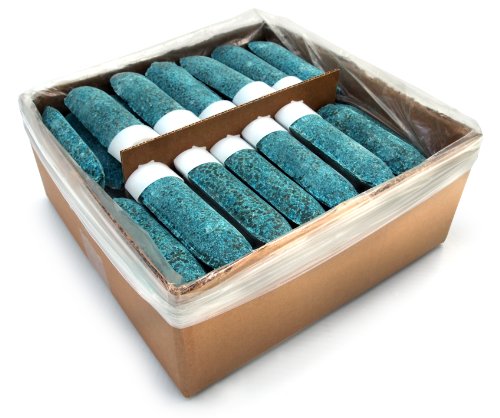
Winchester Evergreen Fertilizer Spikes 12-10-10

Winchester Tree and Shrub Fertilizer Spikes 15-10-9

Winchester Fruit and Citrus Fertilizer Spikes 8-18-18

Organo Republic Mycorrhizal Fungi Inoculant, 1 lb, 400,000 Propagules
Inside Each Recommended Option
Biogold Bonsai Plant Food 900g fits a narrow but distinct need: feeding a young tree in a container. Its half-inch pellets are easy to place around a bonsai root zone, where loose soil and limited feeding volume can make routine care more demanding.
I see this as a specialized choice for bonsai growers, not a general landscape-tree fertilizer. The 3.5-3.7-3.3 analysis is nearly balanced across nitrogen, phosphorus, and potassium, the three nutrients commonly listed as N-P-K.
The Case For It
- Large pellets reduce the fine measuring and sifting often associated with powdered bonsai food.
- The 900 g container provides a practical supply for repeated container-tree maintenance.
- A nearly balanced N-P-K analysis suits routine feeding better than a sharply specialized nutrient formula.
Points To Note
- The pellets require slightly more space than powdered fertilizer in a shallow bonsai pot.
- Its bonsai focus makes it less aligned with the general planting needs of a newly transplanted landscape tree.
Key Specs
Who It Suits Best
Bonsai growers maintaining young container trees appreciate the pellet format and compact 900 g supply.
Consider Something Else When
Espoma Organic Plant-Tone 5-3-3 All-Purpose Plant Food, 18 lb. suits a newly planted landscape tree in a broad garden bed.
Espoma Organic Plant-Tone 5-3-3 All-Purpose Plant Food, 18 lb. is the most flexible entry for a mixed garden containing young trees, shrubs, flowers, and vegetables. It is ready to spread directly on soil, with no mixing step between the bag and the planting bed.
For a new tree, I would place it around the drip line, the outer edge where rainwater falls from the canopy, and water the area afterward. The manufacturer recommends spring and fall feeding for trees and shrubs.
A Favorable Mix
- The natural organic ingredients release nutrients gradually, supporting steady feeding over time.
- One product covers trees, shrubs, roses, flowers, and vegetables, reducing the need for separate products.
- Five percent calcium adds a mineral that distinguishes it from a basic three-number fertilizer.
- OMRI listing supports use within organic production systems.
Worth Noting
- The 18 lb. bag is bulky to store in a small utility closet.
- Its general-purpose analysis is less targeted for a young citrus or evergreen tree than a dedicated spike formula.
Feature Snapshot
The Right Fit
Home gardeners tending young trees alongside flowers and vegetables benefit from the broad plant coverage.
Look Elsewhere When
Winchester Fruit and Citrus Fertilizer Spikes 8-18-18 offer a more focused nutrient profile for a young fruit tree.
The Andersons Ecofusion Starter 16-21-4 Fertilizer, 18 lb. is built for establishing turf rather than feeding the trunk or root zone of a young tree. It becomes relevant in a lawn where new trees share space with newly seeded or sodded grass that also needs a strong start.
I would keep this treatment separate from direct tree feeding. Its 16-21-4 analysis emphasizes nitrogen, with phosphorus and potassium following, and its coverage extends across as much as 5,000 square feet.
Strengths Worth Knowing
- Quick- and slow-release nitrogen provide both early nutrition and a longer feeding period.
- Five percent iron supports the green coloration associated with iron nutrition in turf.
- Copper, manganese, and zinc add several micronutrients used in small quantities by plants.
- The 18 lb. bag covers up to 5,000 square feet of new turf.
Less Ideal Details
- Its intended use is new turf, not direct fertilization of a newly planted tree.
- Availability is restricted in Connecticut and Maryland, so the product may not fit every location.
Made For
Homeowners establishing new grass around a young tree benefit from the starter nutrients and broad turf coverage.
Swap It Out When
Espoma Organic Plant-Tone 5-3-3 All-Purpose Plant Food, 18 lb. is the better fit when the tree itself needs direct soil feeding.
Organo Republic Mycorrhizal Fungi Inoculant, 4 oz, 100,000 Propagules targets the planting stage rather than routine feeding. Mycorrhizal fungi form a beneficial association with plant roots, helping them interact with soil nutrients and water across a larger effective area.
For a single new tree or a small group of container plants, I find the compact package more manageable than the one-pound option. Propagules are individual fungal units, so the stated 100,000 count gives a clearer sense of concentration than the package weight alone.
Real Benefits
- The 100,000-propagule formula provides a concentrated inoculant for a limited planting area.
- Root-zone use makes it relevant at transplanting, when root-soil contact matters most.
- OMRI listing fits garden plans that use listed organic inputs.
- The 4 oz size is convenient for spot applications and small collections.
Small Caveats
- It supports root establishment but does not replace a fertilizer that supplies complete nutrition.
- The small package may require repeat consideration for a large landscape project.
Quick Facts
Who Should Grab It
Gardeners transplanting a small number of trees or shrubs can add a targeted root-zone inoculant.
Reach For A Different Pick When
Organo Republic Mycorrhizal Fungi Inoculant, 1 lb, 400,000 Propagules suits larger planting projects.
Winchester Evergreen Fertilizer Spikes 12-10-10 removes the measuring step from feeding young pines, spruces, and other evergreens. Each pre-measured spike is placed in soil near the root zone, which makes the format practical for a planting with limited access around the trunk.
I associate this with convenience rather than maximum flexibility. Spikes feed one defined area, so their placement requires more planning than broadcasting a broad soil amendment across a wide bed.
Positive Takeaways
- The 12-10-10 analysis is formulated specifically for evergreen trees and shrubs.
- Slow-release nitrogen supports extended feeding during spring and fall applications.
- Pre-measured doses remove the need to calculate a fertilizer quantity by hand.
- The product is described as child and pet-friendly.
Practical Considerations
- Each spike serves a limited soil area, so larger trees require multiple placements around the root zone.
- Heavy or very wet soil can make spike placement less straightforward than surface broadcasting.
Built With In Mind
Newly planted evergreen growers benefit from a targeted formula and pre-measured application.
Where Another Pick Shines
Biogold Bonsai Plant Food 900g suits a young evergreen maintained in a bonsai container.
Winchester Tree and Shrub Fertilizer Spikes 15-10-9 is built for the uncomplicated care of newly planted deciduous trees and shrubs. The spikes dissolve at a controlled rate, releasing macronutrients in measured doses without requiring a separate mixing vessel.
Compared with the more specialized Winchester Fruit and Citrus Fertilizer Spikes 8-18-18, this formula has a higher nitrogen ratio and a more general purpose. That balance makes more sense for a young shade tree or mixed shrub planting than for a tree selected primarily for fruit production.
A Few Highlights
- The 15-10-9 analysis supports overall growth in trees and shrubs.
- Even dissolution provides continuous nourishment at the intended placement.
- Direct soil placement keeps loose fertilizer and runoff out of the surrounding bed.
- Seventy spikes provide a substantial supply for a group of young plantings.
Possible Compromises
- Spike placement is less flexible than broadcasting a soil-applied product.
- The general formula does not specifically emphasize fruit or citrus development.
Core Details
Whose Shelf It Belongs On
Gardeners with young deciduous trees and shrubs appreciate the measured, low-mess application.
Not Your Match When
Espoma Organic Plant-Tone 5-3-3 All-Purpose Plant Food, 18 lb. suits a large mixed planting bed that needs broad coverage.
Winchester Fruit and Citrus Fertilizer Spikes 8-18-18 is the most specific match for a newly planted fruit or citrus tree. Its lower nitrogen ratio and higher phosphorus and potassium levels reflect a feeding approach intended to support vigorous fruit-bearing plants.
I would not use this formula simply because a tree is young, since the plant type matters. The targeted analysis makes more sense for citrus, apple, pear, or another fruit tree than for a newly planted ornamental shade tree.
What Pays Off
- The 8-18-18 analysis is formulated for fruit and citrus plants rather than general landscape growth.
- Slow nutrient release supports the tree over an extended period.
- Pre-measured spikes simplify application around a young trunk.
- The spikes are described as child and pet-friendly.
Details To Watch
- Placement must reach the active root zone for the spikes to provide useful feeding.
- The specialized formula is less suitable for a mixed bed containing several plant types.
Best Suited To
Home citrus and fruit-tree growers benefit from a fertilizer ratio tailored to their planting purpose.
Another Choice May Suit
Winchester Tree and Shrub Fertilizer Spikes 15-10-9 suit a young ornamental tree with no specific fruit focus.
Organo Republic Mycorrhizal Fungi Inoculant, 1 lb, 400,000 Propagules extends the root-development approach of the 4 oz version across a larger planting project. It is designed for gardeners establishing multiple trees, shrubs, or a broad new bed rather than treating one small container.
The trade-off is added material to store and handle. I would still use it as a transplant-focused root treatment, then select a conventional fertilizer for ongoing nutrition according to the tree species and soil needs.
Useful Touches
- Four times the stated propagule count of the 4 oz version supports broader application.
- The one-pound package is practical for multiple young trees and shrubs.
- OMRI listing supports use in organic production systems.
- Targeted root inoculation complements the early establishment period after planting.
Small Limitations
- The one-pound size is unnecessary for a single container planting.
- Root inoculant does not replace a complete fertilizer for continuing plant nutrition.
Technical Reference
Made With In Mind
Gardeners planting several young trees or shrubs benefit from the larger inoculant supply.
Skip It When
Organo Republic Mycorrhizal Fungi Inoculant, 4 oz, 100,000 Propagules is the more practical choice for one small planting.
What Matters Before Fertilizing a Young Tree
Match the Formula to the Plant
The plant type sets the first boundary. I start with the purpose of the tree, then compare the nutrient analysis with that use. General-purpose mixes suit mixed borders, evergreen formulas suit conifers, and fruit formulas suit citrus and other edible trees.
A balanced label does not make every product interchangeable. Nitrogen supports leaf and stem growth, phosphorus contributes to root and energy-transfer processes, and potassium supports many plant functions, including stress management and fruit development.
Consider the Planting Stage
A transplant is under considerable pressure as its root system becomes established. Root inoculants concentrate on soil and root relationships, while conventional fertilizer supplies nutrients directly. A young tree in poor native soil may benefit from both approaches used for distinct purposes.
I also account for existing soil fertility. Rich ground or a recently amended planting bed may need less feeding than a tree planted into sandy or depleted soil, so a full-strength application may not be necessary.
Choose an Application I Can Manage
Pellets and granules require spreading and watering. Spikes demand accurate placement near the root zone but reduce loose material and runoff. Root inoculants fit transplanting tasks, while the Organo Republic options differ mainly by package size and propagule concentration.
For a dense planting, the 18 lb. Espoma bag offers broad coverage. For a small container tree, the Biogold pellets are easier to manage. Large landscape projects benefit from concentrated inoculants or multiple spike placements.
Account for Storage and Timing
Tree fertilizer is most useful when the soil can incorporate it and the tree is actively growing. Espoma Plant-Tone is recommended for trees and shrubs in spring and fall, while Winchester evergreen spikes can also be used in those seasons.
I check storage before committing to a large bag. Heavy bags are easy to buy in excess but awkward in compact garages, while cases of spikes and concentrated inoculants require a dry, organized place.
Common Care Decisions in Fertilizer Choices
Pitfalls Shoppers Hit
Applying a turf starter around a tree can accidentally treat the lawn rather than the tree’s root zone. A more common misstep is selecting a formula by the word “tree” without comparing the nutrient analysis and plant type.
Young trees also do not all need frequent feeding. Excessive application or poor timing can create an imbalance, so I follow the product directions and account for the soil already present around the planting.
What Separates Higher-Tier From Basic
Larger packages and higher inoculant concentrations cost more because they contain more material or a greater stated number of propagules. They also reduce repurchasing for broad projects.
The higher concentration matters most when a planting covers substantial area. A single container tree receives little practical benefit from a one-pound package, while a new bed with many shrubs may justify the larger supply.
Frequently Asked Questions
What is the best fertilizer for a newly planted tree?
The best fertilizer for a newly planted tree matches the plant type and planting method. Espoma Plant-Tone suits general trees and shrubs, while the Winchester spikes provide more targeted options for evergreens, fruit trees, and ornamental trees.
How often should a young tree be fertilized?
Young trees are commonly fertilized during active growth, with spring and fall applications fitting Espoma Plant-Tone and the Winchester spike formulas. Soil condition and tree type may change the appropriate schedule.
Is slow-release fertilizer better for young trees?
Slow-release fertilizer can be useful because it spaces nutrient delivery over a longer period. It also requires correct placement and adequate soil moisture, so the application method still matters.
Can fertilizer spikes be used for container trees?
Fertilizer spikes can be placed in container soil, but the container must have enough soil volume for proper placement. Container-grown bonsai may have finer root-zone requirements, making a dedicated bonsai pellet more practical.
Should mycorrhizal fungi be used with every new tree?
Mycorrhizal inoculants are intended for planting and root-zone establishment, not routine replacement of complete nutrition. I consider them alongside soil type, root condition, and the need for supplemental nutrients.
Final Thoughts
Fertilizer for young trees works best when the formula, application method, and planting stage all align. Espoma Plant-Tone offers the broadest garden coverage, the Winchester spikes simplify targeted feeding, and Organo Republic inoculants concentrate on early root establishment. The most dependable choice starts with the tree type and the soil already available.
