

A tired flower bed can reveal more about its soil than its foliage. Pale leaves suggest an iron issue, compacted ground resists water, and stubborn hydrangeas may need lower pH, so choosing fertilizer for outdoor plants starts with identifying the actual problem. I compare eight products for feeding, soil structure, nutrient uptake, and targeted plant care, from liquid concentrates to slow-release granules.
How The Shortlist Stacks Up

Schultz All Purpose Plant Food 8 oz

VPS FlaVUH 4X 1 Quart
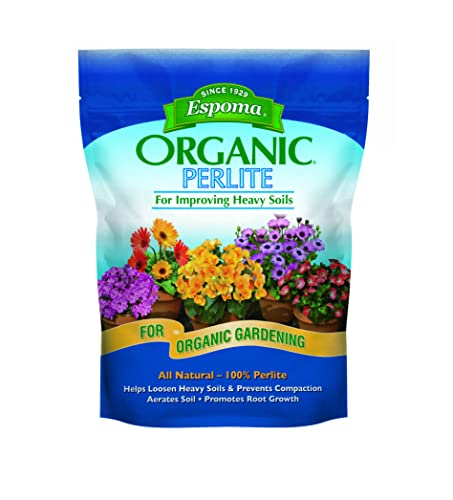
Espoma Organic Perlite 8-Quart

Osmocote Smart-Release Plant Food 2 lb.

Earth Science IronPro Liquid Iron 32 oz

Earth Science Fast Acting Gypsum 5 lb

Earth Science Fast Acting Sulfur 5 lb

Earth Science IronPro Lawn & Garden Iron 5 lb
The Strengths Of Each Pick
I appreciate the small bottle and simple drop format for routine plant care. Seven drops per quart of water make this practical for a mixed windowsill collection, patio containers, or newly transplanted garden plants, while the 10-15-10 formula supplies nitrogen, phosphorus, and potassium in a familiar ratio.
Unlike the soil amendments later in this list, this is a liquid plant food designed for routine feeding. The diluted format suits people who would rather measure a few drops than work through granular fertilizer, although the 8-ounce size may require frequent refills for a large outdoor bed.
Notable Upsides
- Seven-drop dosing integrates easily into regular watering.
- Works for both indoor and outdoor plants.
- The balanced 10-15-10 formula supports routine growth needs.
- Useful during transplanting, repotting, and rooting.
Small Caveats
- The 8-ounce container is compact but limited for extensive beds.
- It addresses general feeding rather than a specific iron or pH issue.
For a productive vegetable bed or a dense summer flower display, I see FlaVUH as an additive rather than a conventional all-purpose feed. Its amino acid monomers and polymers support nutrient uptake, while the 4-0-4 formula identifies it as a nitrogen-led supplement without phosphorus or potassium in the stated ratio.
Derivation from organic oyster shell gives this concentrate a distinct material story, and the one-quart format offers more volume than the small Schultz bottle. Because the product depends on precise dilution, I would follow its label directions closely and avoid treating the concentrate as a ready-to-apply foliar spray.
Everyday Perks
- Supports flowering plants and vegetables.
- Amino acid compounds are designed to aid nutrient absorption.
- The 4X concentrate suits measured dilution.
- One-quart volume serves repeated applications.
Points To Note
- It supplements feeding rather than replacing a complete fertilizer.
- The 4-0-4 ratio does not provide a full three-nutrient balance.
- Accurate dilution matters with a concentrated additive.
A dense potting mix that stays wet long after watering needs more air space, and Espoma perlite provides that structure. The 8-quart volume is useful for mixing several containers or improving a raised bed, particularly where roots have less room to move through compacted soil.
This is a soil amendment, not a source of plant nutrients. Its 100% perlite composition contains no added fertilizer, while the lightweight material and neutral pH make it less likely to alter the acidity of the surrounding mix. I would combine it with an appropriate plant food rather than treat it as one.
Useful Touches
- Lightweight perlite opens pore space in dense soil.
- Neutral pH avoids shifting the mix’s acidity.
- No additives keep the amendment simple.
- The 8-quart package supports multiple containers.
Trade-Offs
- It improves structure but does not feed plants.
- Container mix still needs a separate balanced nutrient source.
Key Product Details
Made For
I recommend it to container gardeners and raised-bed growers dealing with dense, poorly aerated potting soil.
Consider Something Else When
Schultz All Purpose Plant Food 8 oz suits gardeners whose priority is feeding rather than changing soil structure.
Osmocote addresses a common scheduling problem: remembering to fertilize container plants and outdoor beds repeatedly. Its smart-release granules are designed to feed living plants for up to six months, which suits busy gardeners managing several planters or seasonal beds away from home.
Eleven nutrients make this broader than the targeted iron, sulfur, and gypsum products in this list. The 2-pound package is still compact enough for a mixed collection, and granular application avoids handling liquid concentrates. I would still check each plant’s needs rather than applying the same rate everywhere.
Strong Points
- Extended feeding period reduces application frequency.
- Eleven nutrients support a broad range of plants.
- Granules suit both indoor and outdoor containers.
- Compact package covers a useful number of pots.
Where It May Fall Short
- Targeted deficiencies call for a more specific amendment.
- Two pounds may be modest for a large landscape.
Yellowing in a lawn or flower bed often points toward iron deficiency, known as chlorosis, and this liquid concentrate targets that specific need. Its stated coverage of 4,000 square feet makes it the broadest-area iron option here, useful for large lawns, vegetable gardens, and mixed borders where granular applications would take longer.
Iron supports chlorophyll production, the compound involved in green leaf color, without relying on the abundant nitrogen associated with excessive growth. The 32-ounce concentrate suits seasonal work across several planting areas, though its liquid form requires attention to dilution and application coverage.
The Helpful Details
- Targets yellowing associated with iron deficiency.
- Covers up to 4,000 square feet.
- Works with grass, flowers, and vegetables.
- Supports color without nitrogen-driven excess growth.
- Liquid format suits broad seasonal coverage.
Practical Considerations
- Accurate dilution is essential for a concentrate.
- It addresses iron rather than a complete nutrient program.
Feature Snapshot
Who It Suits Best
I favor it for homeowners managing large lawns or mixed gardens with visible iron-related yellowing.
Another Choice May Suit
Earth Science IronPro Lawn & Garden Iron 5 lb offers a dry alternative for gardens that prefer granular application.
Heavy clay and salt-affected soil call for a different intervention than ordinary feeding. This fast-acting gypsum supplies calcium while working to loosen dense soil, improve water penetration, and support the airflow that roots need. I see it as a soil conditioner for a problem area rather than a complete fertilizer.
The Nutri-Bond runoff-reduction technology adds a practical layer by helping nutrients remain in the treated soil. That makes gypsum particularly relevant for vegetable gardens and lawn areas where runoff matters, although the 5-pound package is a weight to consider for large properties.
What Pays Off
- Loosens clay and other compact soils.
- Adds calcium to the root zone.
- Supports water penetration and airflow.
- Helps address salt-damaged soil.
- Reduces nutrient runoff through Nutri-Bond technology.
Possible Compromises
- It conditions soil rather than supplying complete nutrition.
- Large grounds may require more than one 5-pound package.
Core Details
Built With In Mind
I recommend it to vegetable growers and lawn maintainers dealing with heavy clay, poor drainage, or salt accumulation.
Look Elsewhere When
Espoma Organic Perlite 8-Quart is a better fit for container mixes that need more pore space without a calcium amendment.
Blueberries, azaleas, and hydrangeas can struggle when soil pH is too high for them to use available nutrients effectively. This fast-acting elemental sulfur lowers pH, a focused approach that differs from the general feeding in Osmocote Smart-Release Plant Food 2 lb.
Lowering acidity can also improve the availability of nutrients already in the soil, making subsequent fertilizer applications more effective. The 5-pound granule package and runoff-reduction feature suit established beds, although I would confirm the existing soil pH before treating a large area.
Advantages To Know
- Targets soil that is too alkaline for acid-preferring plants.
- Supports blueberries, azaleas, and hydrangeas.
- Helps make applied nutrients more available.
- Elemental sulfur granules begin working quickly.
- Reduces nutrient runoff through soil bonding.
Some Limits To Know
- Changing pH incorrectly can move soil outside a plant’s preferred range.
- It is unnecessary for beds already holding suitable acidity.
This granular iron treatment fills the space between the broad coverage of Earth Science IronPro Liquid Iron 32 oz and a small container application. It covers 1,600 square feet and targets grass, flowers, vegetables, and shrubs, making it a practical choice for a mixed property with several planting types.
Its chelation technology is designed to improve plant uptake, while the dry granules offer straightforward spreading and avoid the dilution step required by a liquid concentrate. The formula is also presented as non-staining and non-burning. I would apply it according to the package directions, especially around paving and containers.
What It Does Well
- Supports green color in mixed lawns and gardens.
- Covers 1,600 square feet with granular application.
- Uses chelation to support iron uptake.
- Suits grass, flowers, vegetables, and shrubs.
- Non-staining and non-burning application.
Details To Watch
- Coverage is smaller than the 4,000-square-foot liquid option.
- It corrects an iron issue rather than general fertility.
Technical Highlights
Right Fit For
I recommend it to household gardeners who want dry iron across lawns, beds, vegetables, and shrubs.
Reach For A Different Pick When
Earth Science IronPro Liquid Iron 32 oz suits larger properties that need greater coverage and prefer liquid application.
What Matters Before Fertilizing Outdoor Plants
Match the product to the symptom
I start with the visible problem rather than a general fertilizer category. Uniform yellowing may point toward a nutrient issue, while iron-related chlorosis often appears as yellow leaves with greener veins. Compacted soil and standing water call for structural amendments, not additional feeding.
Read the nutrient ratio
The three-number label represents nitrogen, phosphorus, and potassium. Nitrogen supports leafy growth, phosphorus contributes to root and flower development, and potassium supports general vigor and stress resilience. A missing number does not mean the product lacks every other nutrient, so its intended role still matters.
Check soil and drainage first
Perlite, gypsum, and sulfur each change the growing medium rather than simply feeding it. I would examine drainage, soil texture, and pH before adding several products at once, since too many interventions can make the underlying cause harder to understand.
Match the format to the schedule
Liquid concentrates offer flexible mixing but require accurate dilution. Slow-release granules reduce application frequency, while elemental sulfur and gypsum make the most sense around a confirmed soil condition. Coverage and container size should match the actual planting area.
Key Considerations Across These Picks
Mistakes Worth Dodging
I avoid treating every pale plant as a nitrogen shortage or adding several amendments without identifying the cause. Soil testing, drainage checks, and a look at recent feeding practices provide a much stronger starting point than a full shelf of products.
What Separates Premium From Basic
Concentrates, extended-release granules, and chelation serve different needs rather than creating a simple premium tier. The more advanced option makes sense only when its coverage, convenience, or targeted delivery addresses a real need in the garden.
Frequently Asked Questions
Can fertilizer for outdoor plants fix yellow leaves?
It can when yellowing reflects a nutrient deficiency that the product targets. Iron products fit iron-related chlorosis, while general fertilizer supports routine nutrition. I would also inspect drainage and root conditions before relying on feeding alone.
Is liquid fertilizer better than granular fertilizer?
Neither format is universally better. Liquid products allow measured mixing and fast coverage, while granules spread easily and some slow-release formulas feed for extended periods. I choose based on plant type, soil condition, coverage area, and application schedule.
Do I need fertilizer for outdoor plants in every season?
Plant demand changes through the year, and soil type also affects nutrient availability. I focus on active growth periods and use a targeted amendment when soil structure or pH is the underlying problem. Dormant or stressed plants may need diagnosis before additional nutrition.
Can perlite replace fertilizer?
No, perlite is a lightweight soil amendment that creates air space and improves drainage. It contains no added plant food in this product, so I pair it with a nutrient source appropriate for the plants and potting mix.
How do I choose between iron, sulfur, and gypsum?
I use iron for deficiency-related yellowing, sulfur for excessively high soil pH, and gypsum for compacted or salt-affected soil. Each addresses a different condition, and confirming that condition prevents an unnecessary addition.
Final Verdict
I choose Schultz for simple routine feeding, Osmocote for low-frequency plant care, and Espoma perlite when potting soil needs more air. The Earth Science options fit more specific situations: liquid or granular iron for color concerns, gypsum for difficult soil, and sulfur for high-pH beds. Matching the product to the actual problem matters more than choosing the broadest label.
