

An olive tree in a patio pot needs feeding that suits its soil, container, and seasonal rhythm, yet most products in this category are labeled for citrus or fruiting plants rather than olives. I separate the broadest tree fertilizers from concentrated and foliar options, then compare application methods, nutrient mixes, and container suitability. The result is a practical shortlist for gardeners who need to make a careful label check before feeding a living olive tree.
The Choices Worth Comparing

Espoma Organic Citrus-Tone 5-2-6 Fertilizer, 4 lb Bag for Fruit Trees
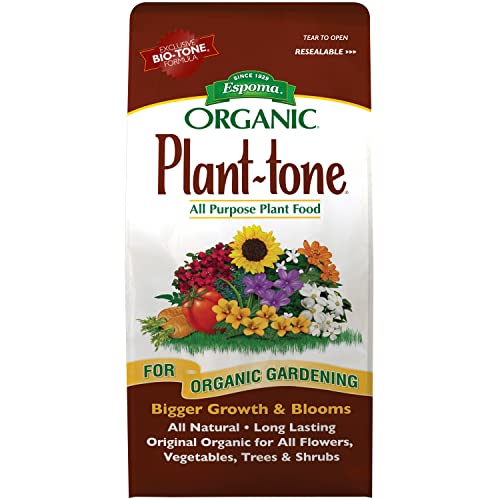
Espoma Organic Plant-Tone 5-3-3 All-Purpose Plant Food, 4 lb Bag

Jack’s Classic 20-10-20 Citrus FeED Water-Soluble Fertilizer, 1.5 lb

Gardenera Citrus Plant Growth Superfood, 18 Nutrients and Micro-Fungi, 8 oz

Gardenera Premium Nutritional Plant Food Spray for Potted Citrus Trees, 8 oz
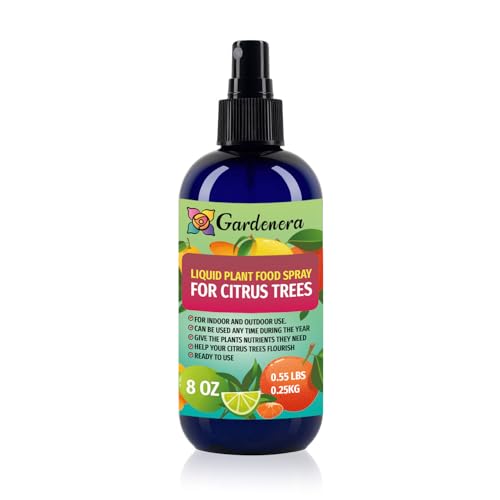
Gardenera Professional Citrus Tree Superfood Spray Mist, Ready-Mixed, 18 Nutrients, 8 oz

Farmer’s Secret Fruit & Bloom Booster Fertilizer, Late Summer, 8 oz
Kgabbke Tall Artificial Olive Tree Indoor Outdoor Floor Plant
Inside Each Recommended Option
Citrus-Tone brings a slow-release approach to fruit-tree feeding, with a 5-2-6 nutrient analysis and 5% calcium. For gardeners maintaining an olive alongside other fruiting plants, the organic label and ready-to-use granules make routine applications comparatively simple.
The label is more specific to citrus, avocado, and nut trees than to olive trees, so I would check the plant guidance before treating it as an automatic olive recommendation. Its late-winter, post-bloom spring, and fall timing fits established seasonal care more closely than routine monthly feeding.
The Value In It
- The slow breakdown of natural organic ingredients supports steady feeding over time.
- Ready-to-use granules remove the need to mix fertilizer before application.
- The 4 lb bag covers repeated tree and shrub applications.
- Organic production registration suits gardeners following organic growing practices.
Honest Caveats
- The product label does not specifically name olive trees.
- Granular fertilizer requires thorough watering after application around the tree’s drip line.
Key Specs
Made For Organic Growers
This option fits gardeners tending established organic fruit trees who value slow-release granules and seasonal applications.
Where Another Pick Shines
Espoma Plant-Tone offers broader plant coverage and is a stronger fit for mixed gardens containing trees, shrubs, flowers, and vegetables.
Plant-Tone has the broadest plant list in this group, covering trees and shrubs alongside flowers and vegetables. That makes it the most straightforward option for a mixed garden containing an olive tree, particularly when a single product is needed across several planting areas.
Compared with Citrus-Tone’s fruit-oriented 5-2-6 formula, Plant-Tone uses 5-3-3 and places less emphasis on potassium. The slower nutrient release and 5% calcium content remain useful, while spring and fall application suits routine tree and shrub care.
Bright Spots
- Broad coverage reduces the need for separate products across a mixed garden.
- Slow nutrient release supports an extended feeding reservoir.
- Ready-to-use granules simplify application around established plants.
- Tree and shrub use is explicitly included on the label.
- Five percent calcium complements the primary nutrient mix.
Points To Note
- Olive trees are not named specifically, despite the broad tree coverage.
- The lower potassium proportion offers less fruit-specific emphasis than Citrus-Tone.
- Monthly feeding is reserved for roses, flowers, and vegetables rather than trees.
Best Suited To
Mixed-garden growers who want one organic plant food for trees, shrubs, flowers, and vegetables will find this the most flexible choice.
Another Choice May Suit
Jack’s Classic Citrus FeED fits gardeners who prefer water-soluble powder with root or foliar application options.
Water-soluble powder gives this fertilizer more application flexibility than the granular Espoma options. Citrus FeED can be mixed for root feeding, sprayed onto leaves, or included in a continuous feeding system, making it useful for growers comfortable handling liquid fertilizer.
The 20-10-20 analysis has a higher nitrogen and potassium concentration than either Espoma blend. That profile emphasizes green foliage, branch growth, and fruiting plants, but the label centers on tropical fruiting plants and citrus rather than naming olive trees.
What It Does Well
- Powder concentrates make multiple gallons of liquid fertilizer possible.
- Root and foliar feeding offer two distinct application routes.
- A continuous-feed system suits established irrigation routines.
- The included measuring spoon simplifies portion control.
- Added micronutrients broaden the nutrient profile.
Small Caveats
- Measuring and mixing are required before every application.
- The concentrated 20-10-20 analysis is more fruit-focused than the Espoma blends.
- Olive trees are not specifically listed among the labeled plants.
Technical Sheet
Built With In Mind
This formula suits experienced growers who want control over dilution, feeding frequency, and whether nutrients enter through roots or leaves.
Not Your Match When
Espoma Organic Plant-Tone is a better fit for organic gardeners who prefer premeasured granules without preparing liquid fertilizer.
This concentrate is aimed at growers who want a broad nutritional blend without limiting the growing system to ordinary garden soil. Its stated uses include soil, hydroponic setups, semi-hydroponic media, LECA, terrariums, and water gardens, which gives it unusual flexibility.
The ingredient list combines mineral materials, organic inputs, fulvic acid, kelp meal, worm castings, and mycorrhizae. Micro-fungi are beneficial organisms associated with plant roots, although this citrus-focused formula still requires a label check before use on an olive tree.
Real Benefits
- The 18-nutrient blend provides a more complex input profile than simple NPK products.
- Compatibility with multiple soils and growing media supports varied indoor setups.
- The liquid concentrate dissolves readily in water for measured mixing.
- Mycorrhizae and organic mineral inputs broaden the biological and nutritional components.
- The 8 oz bottle suits small collections or occasional applications.
Practical Considerations
- The label is written primarily for citrus plants.
- A concentrate requires careful dilution according to its directions.
- The 8 oz size may need frequent replenishment for a large collection.
Feature Facts
Whose Shelf It Belongs On
Advanced indoor growers and mixed-media gardeners benefit most from its broad growing-system compatibility and complex nutrient blend.
Look Elsewhere When
Gardenera Professional Citrus Tree Superfood Spray Mist is easier for growers who prefer a ready-mixed bottle over preparing a concentrate.
Gardenera Premium Nutritional Plant Food Spray is built around foliar feeding, with a 8 oz format suited to potted trees and compact indoor collections. The stated plant list includes lemon, lime, mandarin, orange, pomelo, tangerine, kumquat, grapefruit, citron, avocado, and mango.
Its micronutrient lineup includes iron, zinc, manganese, magnesium, and sulfur, all relevant to leaf and branch care. For an olive in a container, the liquid format is convenient, but the citrus-specific labeling makes a compatibility check more important than the container convenience.
Real-World Strengths
- The liquid spray format suits compact indoor or patio-tree routines.
- Five named micronutrients support a varied foliar nutrition profile.
- The broad fruit-tree list accommodates mixed citrus collections.
- The small bottle takes up little shelf space compared with dry fertilizer.
Less Ideal Details
- Olive trees are not explicitly included in the stated plant list.
- Foliar application requires careful coverage of the leaves.
- The compact bottle may need regular replacement for several trees.
The Right Fit
This spray fits growers with small citrus collections who value convenient foliar feeding and a container-focused routine.
Where A Sibling Pick Shines
Gardenera Plant Growth Superfood offers greater flexibility for growers using hydroponics, LECA, or several different growing media.
The ready-mixed spray bottle removes both measuring and dilution from the routine, which makes this one of the simplest options to use. It creates a fine mist intended for gentle weekly feedings and can serve houseplants, garden plants, and water-garden specimens as well as citrus trees.
Its formula includes the same broad range of 18 nutrients seen in Gardenera’s concentrate, including worm castings, kelp meal, fulvic acid, mycorrhizae, gypsum, and mineral inputs. Unlike the concentrate, however, it places convenience ahead of adjustable concentration.
What Pays Off
- The ready-mixed bottle eliminates preparation and measurement steps.
- A fine mist supports gentle coverage of leaves.
- Weekly feeding fits easily into a recurring care schedule.
- The 18-nutrient blend includes both mineral and organic components.
- Use across houseplants, gardens, and water gardens extends its value.
Where It May Fall Short
- Ready-mixed liquid leaves less control over nutrient concentration than a powder or concentrate.
- Olive trees are not named on the product label.
- The 8 oz bottle may suit only a limited number of plants.
Core Details
Made For In Mind
This mist suits busy growers who favor a repeatable spray routine over preparing fertilizer solutions by hand.
Consider Something Else When
Jack’s Classic Citrus FeED is a better fit for gardeners who want precise dilution and multiple root-feeding options.
This fertilizer targets a specific point in the growing calendar: late summer and early fall. That makes it a different kind of choice from the spring-and-fall Espoma products, particularly for gardeners concentrating on flowering and fruit production near the end of the season.
The product is intended for fruit, vegetable, and flowering plants, with citrus and avocados cited among its uses. Its super-concentrated format can serve a mixed productive garden, but olives are not specifically named, so plant compatibility deserves confirmation.
Key Advantages
- The late-season focus complements products used earlier in the year.
- One formula covers fruit, vegetables, and flowering plants.
- The concentrated format suits gardeners with established feeding routines.
Trade Offs To Consider
- The seasonal window is narrower than the general-purpose Espoma options.
- Olive trees are not specifically listed on the label.
- A concentrate requires careful dilution before application.
Seasonal Timing
This option fits productive gardens that receive their main fertilizer routine in late summer and early fall.
Reach For A Different Pick When
Espoma Organic Citrus-Tone is a better fit for gardeners who prefer slow-release granules and spring, fall, or bloom-cycle applications.
This artificial olive tree serves decor rather than plant nutrition, so I would not treat it as fertilizer for a living olive. Its purpose is to create a tall olive-tree silhouette in a living room, bedroom, office, porch, or other space without relying on a living plant.
The foliage uses sculpted leaves with textured veins and dual-tone shades of green, with individual leaves assembled by hand. That construction gives the decorative form more visual depth, but no amount of feeding can make an artificial tree support roots, blossoms, or fruit.
Practical Pluses
- The tall floor-plant form creates a strong olive-tree accent.
- Textured, dual-tone foliage offers depth without printed leaf surfaces.
- The stated indoor and outdoor use makes it suitable for several parts of a home.
Things To Weigh
- It provides no nutrients and cannot feed a living olive tree.
- The product belongs to home decor rather than garden care.
- It is relevant only when the goal is an artificial olive-tree feature.
Important Details
Shared-Space Pick
This option fits decorators seeking an olive-tree silhouette for an interior, porch, or sheltered outdoor area.
A Better Fit Elsewhere
Espoma Organic Plant-Tone is the appropriate choice for a gardener seeking actual nutrition for a living olive tree.
What Matters Before Feeding an Olive Tree
Nutrient Profile and Plant Scope
A fertilizer label should identify both the nutrient analysis and the plants for which the product is intended. Plant-Tone has the broadest scope because it includes trees, shrubs, flowers, and vegetables, while several Gardenera products focus more closely on citrus. The three-number analysis, such as 5-3-3 or 20-10-20, represents the relative amounts of nitrogen, phosphorus, and potassium.
Granular, Concentrate, or Spray Format
Granular products need soil application and thorough watering. Concentrates provide dilution control but require accurate measurement, while a ready-mixed mist minimizes preparation and suits a compact indoor routine. Each format changes the storage space, application process, and degree of control.
Organic Status and Growing Conditions
Organic gardening practices call for a product registered as an organic input rather than a conventional fertilizer selected merely because it contains natural materials. Soil type, drainage, container size, tree age, and the surrounding climate also affect how much feeding is appropriate.
Confirm Olive Compatibility
None of the product titles specifically names olive trees. Citrus and fruiting-tree labels can be useful starting points, but label guidance or local horticultural advice should confirm suitability before any product is applied to an olive tree.
Shopping Traps in Olive-Tree Fertilizers
Common Shopping Slip Ups
A citrus label does not automatically establish suitability for an olive tree. The same applies to products marketed broadly for trees or fruiting plants, especially concentrates and sprays. I also avoid assuming that a concentrated formula requires less product, since dilution instructions determine the actual application rate.
What The Higher Tier Buys
A higher-priced concentrated product may reduce repeated preparation or offer a more complex nutrient and microbial blend. A ready-mixed spray may cost more per ounce but save mixing time. Granular Espoma products remain practical for gardeners who value slow release and simple soil application over spray equipment.
Frequently Asked Questions
Is any product specifically labeled for olive trees?
No title in this shortlist specifically names olive trees. Plant-Tone covers trees and shrubs broadly, while the remaining fertilizers emphasize citrus, fruiting plants, or mixed plant collections.
Can Espoma Citrus-Tone be used on an olive tree?
Its label names citrus, avocado, and nut trees rather than olives. A gardener should confirm plant compatibility before applying it to a living olive tree.
Which option is most practical for a potted olive?
Plant-Tone has the broadest tree and shrub coverage, while Gardenera Premium Nutritional Plant Food Spray explicitly targets potted citrus trees. Neither establishes confirmed olive use without further label guidance.
Is a concentrate or spray easier to apply?
A ready-mixed spray requires the least preparation because it needs no measuring or dilution. A concentrate provides more control over strength, but each batch must be measured and mixed accurately.
When should fertilizer be applied?
The listed schedules range from spring and fall to late winter, post-bloom spring, fall, and late summer or early fall. For olives, I would follow confirmed plant guidance rather than transfer another crop’s schedule without checking.
Final Thoughts
For a living olive tree, Plant-Tone offers the broadest labeled plant coverage, Citrus-Tone suits organic fruit-tree routines, and Jack’s Classic provides the most control over liquid feeding. The Gardenera concentrates and sprays add intensive nutrition and convenient foliar options, but their citrus focus deserves careful scrutiny. The Kgabbke artificial tree belongs in a decorating category, not a feeding plan, and I would not count it as tree care.
