A monstera in a warm, bright room can look full and healthy, then emerge with pale leaves and stalled growth after a few months in the same pot. I focus on fertilizers that suit container plants, support steady feeding, and fit the way the plant is actually grown rather than relying on dramatic promises.
The products below range from general-purpose liquid nutrition to fertilizers formulated for palms, roses, ficus, and leafy houseplants. Several have broader indoor applications, while others serve as useful comparisons for anyone considering plant food outside its named category. My decision points center on nutrient format, application method, container practicality, and compatibility with a monstera’s growing routine.
The Leading Options At A Glance
PickWhy We Picked ItBest ForAction
Recovery Focus
FoxFarm Bush Doctor Boomerang 2-0.2-0.3 Microbial Fertilizer, 1 Pint
A monstera recovering from temperature swings, neglected watering, or accumulated mineral salts needs attention at the root zone, not another heavy feeding schedule. FoxFarm Bush Doctor Boomerang is built around that recovery scenario, with a low 2-0.2-0.3 NPK ratio, soil microbes, and solubilized nutrients designed for prompt uptake.
I find it most useful for a container monstera that has declined after a difficult period. The catch is that its low nitrogen content prioritizes recovery rather than the heavier feeding a rapidly growing plant may need during active spring and summer growth.
Practical Advantages
✓Supports the root zone with beneficial soil microbes.
✓Solubilized nutrients are designed to release quickly.
✓Works in containers, garden soil, and hydroponic systems.
✓Liquid mixing makes application and dosage adjustment straightforward.
Worth Noting
•The minimal nitrogen ratio offers less support for vigorous top growth than a general houseplant formula.
•Weekly application continues until visible renewal appears, so established care requires attention.
Key Specs
Feature
Specification
Why It Matters
NPK ratio
2-0.2-0.3
Low nitrogen emphasizes root-zone recovery.
Format
1 pint liquid
Easy to mix for container watering.
Application
Mix with water and apply weekly
Fits a controlled feeding routine.
Growing systems
Containers, ground soil, hydroponics
Allows flexible use across setups.
Built For Recovery Situations
This formula suits beginners and experienced plant parents managing a stressed monstera after neglect, temperature changes, or salt buildup.
Consider Something Else When
Big Green Leaves 4X Concentrated Plant Food suits a monstera that needs an established indoor feeding routine rather than recovery support.
The case for this fertilizer comes down to long feeding intervals and a large-format bag. Its slow-release nitrogen is intended to feed a palm for up to six weeks, while the 20-pound package suits a collection of large tropical plants rather than a single windowsill pot.
Monstera and palms are not the same plant, so I would not treat this as a monstera-specific formula. It does, however, provide a practical comparison for a tropical plant with a large root zone, especially one receiving several feedings across a season.
Strong Points
✓Slow-release nitrogen reduces the need for frequent applications.
✓Magnesium, iron, and manganese support palms prone to yellowing or curling fronds.
✓The large bag works well for repeated feeding across several mature plants.
Trade Offs
•The fertilizer is formulated for palms rather than monstera.
•The 20-pound bag creates a storage and handling consideration for a small plant collection.
Made For Large Tropical Collections
This option fits households feeding several mature palms or similarly large tropical plants where storage space and infrequent applications matter.
A Better Fit Elsewhere
Big Green Leaves 4X Concentrated Plant Food is a closer match for a single indoor monstera maintained with concentrated liquid feed.
For a conservatory, large greenhouse, or outdoor collection, the 40-pound refill bag shifts the practical comparison from bottle storage to bulk handling. This palm fertilizer uses controlled-release granules, magnesium, iron, and elevated potassium in a scoop-and-water application.
As with the 20-pound Miracle-Gro option, the plant category creates a fit check for monstera. I would reserve it for a mixed tropical collection only when palm plants dominate the feeding routine; a lone indoor monstera offers too little demand to justify the volume.
Benefits That Matter
✓Controlled-release technology supports measured feeding over time.
✓Two forms of magnesium and iron provide a broader mineral contribution.
✓Higher potassium content supports palms in challenging temperature conditions.
✓Granules are applied by scooping, sprinkling, and watering without mixing liquid fertilizer.
Small Caveats
•The bag is intended as a refill for separately sold pails.
•A 40-pound package is impractical for a small indoor plant collection.
Feature Snapshot
Feature
Specification
Why It Matters
Package
40 lb. refill bag
Serves high-volume feeding needs.
Stated coverage
14 palms with 2-6 inch trunks
Provides a practical scale for use.
Release method
64% controlled-release technology
Meters nutrients over an extended period.
Mineral profile
Two forms of magnesium and iron
Supports several mineral needs at once.
Potassium
Higher level
Relevant for palm stress resistance.
Whose Shelf It Belongs On
High-volume plant collections and greenhouse operators benefit most from the refill format and simple granular application.
Reach For A Different Pick When
Miracle-Gro Palm Tree Food 20 lb. better serves a medium-size palm collection that needs slow-release feeding without bulk handling.
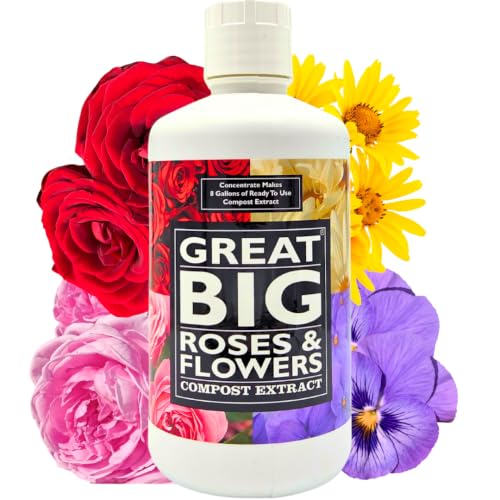
This fertilizer booster takes a different route from complete plant food. It is designed to move into the root zone and activate nutrients already present in garden soil, which makes it more relevant to a mixed outdoor bed than to a monstera confined to a container.
I see it as a companion for a patio that contains roses, hydrangeas, citrus, and other garden plants alongside tropical specimens. The 32-ounce size is manageable, but the rose-and-flower positioning makes a general indoor plant food the more predictable choice for monstera.
The Upside
✓Targets the root zone rather than relying only on foliage contact.
✓Designed to activate nutrients already held in garden soil.
✓The smaller bottle suits a modest patio or mixed garden bed.
Points To Note
•The formulation is positioned for roses and flowering garden plants.
•It does not present the same general indoor nutrition profile as Big Green Leaves.
The Right Fit
This booster best suits gardeners maintaining mixed flowering beds where soil nutrient activation matters more than a dedicated indoor foliage formula.
Not Your Match When
Big Green Leaves 4X Concentrated Plant Food fits a monstera kept in an indoor container better than this garden-focused booster.
Big Green Leaves lands close to the everyday needs of a container-grown monstera. Its 12-4-8 NPK ratio supplies a meaningful share of nitrogen for foliage, while the concentrated format reduces the volume needed for routine watering.
I would pay particular attention to the mixing instructions because a concentrated fertilizer requires careful dilution. The urea-free formula and sea kelp addition make this a practical general houseplant option, assuming the application rate matches the plant’s pot size and watering routine.
Practical Pluses
✓A 12-4-8 ratio places more emphasis on foliage growth than recovery formulas.
The included measuring scoop gives this palm fertilizer an advantage over loose granules, especially for anyone trying to keep applications consistent. Its controlled-release technology and magnesium-and-iron profile suit palms, while the 7-pound pail is more manageable than a bulk refill.
For a monstera, the practical limitation remains the palm-specific positioning. I would consider it for a mixed tropical room only when palm care already has a place in the routine, rather than as the central food for an indoor monstera collection.
Where It Excels
✓An included scoop supports more consistent granule measurement.
✓Controlled-release feeding reduces the need for frequent top-ups.
✓Magnesium and iron complement the palm-focused nutrient profile.
Where It May Fall Short
•The fertilizer is not labeled specifically for monstera.
•A palm-focused blend may not match the needs of a collection made entirely of broadleaf houseplants.
Best Suited To
Palm enthusiasts with one or several potted palms benefit from the measured application and controlled-release format.
Look Elsewhere When
The 40 lb. Dual Action Palm Fertilizer refill bag serves a much larger palm collection with less frequent container refilling.
Fiddle Leaf Treats uses the same 12-4-8 ratio and concentrated approach found in Big Green Leaves, but narrows its application to ficus plants. That targeted positioning makes sense for fiddle-leaf figs, which have distinct foliage and stem expectations compared with monstera.
I would not substitute it for a general indoor formula without checking the application guidance. The concentrated nutrients may suit a vigorous growth routine, yet the label remains centered on ficus rather than broadleaf aroid plants.
A Strong Showing
✓A 12-4-8 blend emphasizes the nutrients associated with leaf and stem growth.
✓The 4X concentration keeps the required liquid volume manageable.
✓Urea-free nutrition may suit plant care routines avoiding urea-based products.
✓Sea kelp adds another source of nutrition to the formula.
Less Ideal Details
•Monstera is outside the product’s stated ficus focus.
•Concentrated feeding requires careful dilution to avoid excessive nutrient delivery.
Feature Facts
Feature
Specification
Why It Matters
NPK ratio
12-4-8
Supports foliage-heavy growth routines.
Concentration
4X
Provides a concentrated feeding format.
Formula
Urea-free
Excludes urea from the stated nutrient source.
Plant focus
Ficus plants
Positions the formula for a specific plant group.
Additional material
Sea kelp
Adds kelp-derived nutrition to the blend.
Who Will Love This
Fiddle-leaf fig enthusiasts benefit most from the targeted ratio, concentrated format, and focus on large-leaved ficus plants.
Another Choice May Suit
Big Green Leaves 4X Concentrated Plant Food better serves a mixed houseplant collection that includes monstera alongside other foliage plants.
Combining plant food with a separate neem oil leaf spray gives this set broader household utility than a single-purpose fertilizer. The food portion supplies seaweed-rich nutrients and complete minerals, while the botanical wash is intended to polish and support leaf appearance.
That makes sense for a monstera owner who wants to address root nutrition and leaf care as separate steps. I would still keep the fertilizer and spray on independent schedules, since combining a feeding product with a foliar treatment does not automatically make one application handle both tasks.
Why It Works Well
✓Addresses root nutrition and routine leaf care in one coordinated set.
✓Seaweed-rich nutrients suit the product’s leafy houseplant focus.
✓The neem oil component provides a separate botanical wash for leaves.
Possible Compromises
•The two products require separate application directions.
•It may be more than a single indoor monstera needs, particularly in a small living space.
Core Details
Feature
Specification
Why It Matters
Fertilizer
Seaweed-rich plant food with complete minerals
Supports container-grown foliage plants.
Leaf care
Neem oil botanical wash
Adds a separate foliar care step.
Production
Made in California
Identifies the stated country and state of manufacture.
Perfect Match For
This set suits plant parents who maintain several leafy houseplants and prefer coordinated nutrition and leaf-care products.
Skip It When
Big Green Leaves 4X Concentrated Plant Food is the simpler option for a household interested primarily in routine indoor feeding.
## What Matters in a Monstera Feeding Routine
### Match the format to the pot
Liquid food offers precise dilution, which is useful for a small collection of container plants. Concentrated formulas require careful measurement, while granules and slow-release products reduce application frequency but may create storage and placement questions in a compact home.
### Read the nutrient ratio
NPK means nitrogen, phosphorus, and potassium, the three nutrients commonly listed on a fertilizer label. A higher nitrogen share generally supports leafy growth, while lower nitrogen ratios tend to emphasize recovery and root-zone work. The right balance depends on the plant’s condition and growth stage.
### Separate general nutrition from recovery care
A lush, actively growing monstera may respond better to a foliage-oriented houseplant formula than to a recovery treatment. A plant recovering from neglect, temperature changes, or salt buildup has different needs, making a lower-nitrogen root-zone formula more appropriate.
### Account for the growing environment
Container plants depend on the nutrients supplied through the soil mix, so feeding frequency should fit the pot size and watering pattern. Outdoor specimens in fertile ground may require different intervention than plants confined to an indoor pot. I also check the application directions before changing between liquid, granule, and foliar products.
## Two Details That Shape the Choice
### Mistakes Worth Dodging
A common error is judging plant food by nitrogen percentage alone, since a concentrated label can encourage excess application. Another mistake is treating a palm, ficus, or flowering-garden formula as interchangeable with general houseplant nutrition. I match the named plant use, dilution instructions, and the plant’s current condition before making a change.
### What Separates Premium From Basic
Higher-priced options often add concentrated coverage, controlled-release technology, specialized mineral profiles, or bundled leaf-care components. Those additions matter most for large collections, plants under stress, or households wanting fewer separate products. For one healthy container monstera, a general indoor formula at the correct dilution remains the practical baseline.
## Frequently Asked Questions
### Is liquid fertilizer better for monstera plants?
Liquid fertilizer fits container-grown monstera because I can dilute it to the plant’s size and watering routine. Granular and slow-release products can also work, but application rate and placement require closer attention.
### What NPK ratio works best for monstera?
A foliage-oriented ratio with moderate to higher nitrogen supports leaf growth during active development. Recovery formulas with lower nitrogen make more sense for a stressed plant, while phosphorus and potassium remain part of the broader nutrient balance.
### Can a monstera receive palm fertilizer?
A palm fertilizer may provide useful nutrients, but its mineral balance and application guidance are designed around palms rather than monstera. A general indoor plant food offers the closer fit for routine monstera care.
### How often should a container monstera be fertilized?
Feeding frequency depends on the fertilizer format, pot size, growing season, and watering pattern. Slow-release products require fewer applications, while concentrated liquid food follows a measured dilution schedule.
### Is neem oil fertilizer necessary for a monstera?
Neem oil is a foliar treatment rather than a substitute for root-zone nutrition. I consider it a separate care step and keep fertilizer and leaf-spray directions distinct.
## Final Verdict
Big Green Leaves 4X Concentrated Plant Food offers the most straightforward starting point for a typical indoor monstera, while FoxFarm Bush Doctor Boomerang addresses a visibly stressed plant with a focused recovery formula. The palm, rose, and ficus choices make more sense for dedicated collections, and the neem oil set serves households wanting combined nutrition and leaf care. Matching the product to the plant’s condition matters more than the label on the front.