

A freshly seeded patch needs more than a general-purpose lawn treatment. I evaluate these options by the stage of growth, the nutrient or soil biology involved, and the practical limits of each application method. That makes it easier to separate a dedicated starter formula from potassium, magnesium, fungal, and iron products that solve narrower problems.
A Quick View Of The Lineup
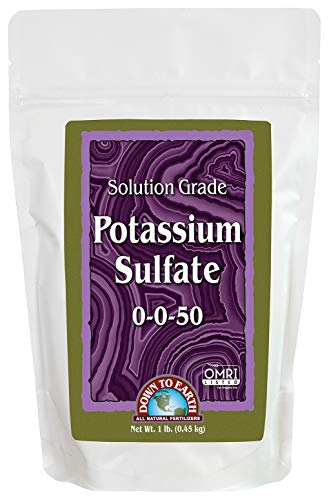
Down to Earth Potassium Sulfate 1lb

Cz Garden Supply Magnesium Sulfate Plant Food Fertilizer 5LB

Organo Republic Mycorrhizal Fungi Inoculant 4oz, 100,000 Propagules

Lawn Synergy Starter Fertilizer 15-20-10, 50 lbs. High Phosphorus

Organo Republic Mycorrhizal Fungi Inoculant 1lb, 400,000 Propagules

Organo Republic Mycorrhizal Fungi Inoculant 8oz, 200,000 Propagules

Earth Science IronPro Fast Acting Liquid Iron Concentrate 32oz, 4,000 Sq Ft

Earth Science IronPro Lawn Garden Iron Supplement 5 lb, 1,600 Sq Ft
For root-focused feeding, I distinguish a concentrated nutrient from a complete starter blend. This potassium sulfate provides no nitrogen or phosphorus, so it supports plant resilience rather than early seedling establishment. Its 0-0-50 analysis means zero percent nitrogen and phosphorus with 50 percent soluble potash, the plant-available potassium measured as potassium oxide.
I favor it for hydroponic, foliar, and precision feeding where potassium is the specific gap. The chloride-free composition also distinguishes it from many potassium fertilizers, making it more appropriate for chloride-sensitive crops. The one-pound pouch is compact, though the concentrated analysis calls for careful measurement.
Advantages To Know
- Fine, water-soluble powder disperses through fertigation and hydroponic systems.
- Chloride-free potassium suits crops sensitive to chloride accumulation.
- OMRI Listed status supports organic gardening practices.
- Potassium contributes to sugar formation and nutrient transport.
Trade Offs
- Its lack of nitrogen and phosphorus makes it a supplement rather than a lawn starter.
- The 50 percent potash concentration requires accurate dosing and careful storage.
Key Specs
Made For
Hydroponic growers, foliar feeders, and gardeners correcting a specific potassium shortage benefit most from this formula.
Where Another Pick Suits Better
Lawn Synergy Starter Fertilizer 15-20-10 serves new seed and sod better because its phosphorus and nitrogen directly support early establishment.
Magnesium sulfate fills a different nutritional role from the potassium-focused Down to Earth product. It supplies magnesium, a component of chlorophyll involved in photosynthesis, plus sulfur for plant protein formation. That makes it more relevant to green foliage and magnesium-related yellowing than to grass root development itself.
I see the strongest fit in controlled growing systems, including drip irrigation, flood-and-drain setups, deep-water culture, soil, coco, and tower gardens. The pouch holds five pounds and reseals after each pour, which is practical for growers mixing repeated batches. Measured application remains essential because excessive magnesium can upset a nutrient balance.
Strengths Worth Knowing
- Its 10 percent magnesium analysis targets a specific plant nutrient.
- Complete water solubility suits fertigation and reservoir systems.
- The five-pound pouch reduces refilling during multi-batch feeding.
Practical Considerations
- Magnesium and sulfur do not supply the phosphorus needed for early root establishment.
- The large pouch needs a dry storage spot with room to pour and reseal it.
- Dosing must be matched to the crop, medium, and existing nutrient levels.
Feature Snapshot
Right Fit For
Hydroponic growers and container gardeners managing magnesium and sulfur in mixed feeding programs benefit most.
Consider Something Else When
Cz Garden Supply works for controlled systems, while Lawn Synergy Starter Fertilizer 15-20-10 better matches a lawn seeded for rapid root establishment.
Root development can benefit from more than mineral nutrition. Mycorrhizal fungi form associations with plant roots, helping them exchange water and nutrients for sugars produced by the plant. This inoculant supplies those fungi rather than adding a conventional N-P-K analysis, so it belongs alongside fertilization instead of replacing it.
The four-ounce package contains 100,000 propagules, which are the viable units used to establish fungal populations. I find the compact size practical for small raised beds, containers, or isolated transplants. Unlike Down to Earth Potassium Sulfate, it targets the biological side of root development, with effectiveness depending on direct contact between inoculant, roots, and growing medium.
Where It Delivers
- Adds root-associated fungi rather than another concentrated mineral.
- Supports plants at multiple growth stages through soil inoculation.
- The compact pouch suits limited storage and small planting projects.
Small Caveats
- It does not replace nitrogen, phosphorus, potassium, or other required nutrients.
- Placement near active roots matters more than scattering the material indiscriminately.
Who Will Love This
Small-space growers planting in containers, raised beds, or transplanted seedlings appreciate the targeted biological approach.
A Better Fit Elsewhere
Organo Republic Mycorrhizal Fungi Inoculant 4oz suits small projects, while Lawn Synergy Starter Fertilizer 15-20-10 better addresses a lawn’s direct nutrient needs during seeding.
For a newly seeded lawn, nutrient balance matters more than a single-purpose amendment. The 15-20-10 analysis supplies 15 percent nitrogen, 20 percent phosphorus, and 10 percent potassium by weight. That phosphorus concentration fits early establishment, while nitrogen supports the visible growth that follows successful germination.
I would consider this for new seed, sod, overseeding, and patch repairs, especially where the lawn itself is the priority. Unlike the Organo Republic inoculant, it directly feeds the emerging turf rather than introducing root-associated fungi. The 50-pound bag covers a substantial area, but that bulk also makes storage and dry spreading the main practical considerations.
Practical Advantages
- High phosphorus directly supports early root and seedling development.
- Nitrogen and potassium provide a balanced establishment blend.
- XCU slow-release technology controls nutrient availability over time.
- Ammonium sulfate adds a readily available nitrogen source.
- The large bag suits seeding, sodding, overseeding, and repairs.
Points To Note
- The 50-pound package requires dry storage and a compatible broadcast spreader.
Technical Highlights
Built With In Mind
Homeowners seeding a new lawn, laying sod, or repairing broad patches benefit most from the dedicated starter analysis.
Not Your Match When
Organo Republic Mycorrhizal Fungi Inoculant 4oz is the better fit for a small bed where soil biology matters more than a full lawn fertilizer program.
The one-pound Organo Republic package scales up the biological approach without changing its core function. It contains 400,000 fungal propagules, four times the stated count in the four-ounce version. That makes it a more practical choice for larger gardens, multiple beds, or repeated transplanting, where small sachets would be opened and closed too often.
I still treat it as a root-zone amendment rather than a complete feeding program. It introduces mycorrhizal fungi, which associate with roots and participate in water and nutrient exchange, but it does not supply the nitrogen and phosphorus required by a new lawn. The larger package is less convenient to carry than the compact version, so storage and handling decide the fit.
Where It Helps
- Provides 400,000 propagules for larger planting programs.
- Supports root-zone biological activity across multiple crops.
- OMRI Listed for compatible organic growing practices.
- Reduces repeated handling compared with several small packs.
Where It May Fall Short
- The one-pound bag is unnecessary for a few small containers.
- It does not replace the balanced nutrients needed during lawn establishment.
The Right Fit
Large-garden growers, market gardeners, and frequent transplanters benefit from the higher propagule count and one-pound format.
Swap It Out When
Organo Republic Mycorrhizal Fungi Inoculant 8oz is easier to manage for a medium-sized bed, while the one-pound version suits broader repeated use.
The eight-ounce format lands between the highly portable four-ounce pack and the one-pound bulk option. Its stated 200,000 propagules equal the same propagule count per ounce as the other Organo Republic packages, so the main difference is total coverage rather than concentration. For a medium raised bed or several containers, that middle ground can feel more reasonable.
Compared with Lawn Synergy Starter Fertilizer 15-20-10, this product supports root biology instead of delivering a complete mineral analysis. The distinction matters in a mixed garden where some plants already receive balanced nutrition but the soil itself may benefit from fungal inoculation. Root contact and medium conditions still determine how well the fungi establish.
Benefits That Matter
- Supplies 200,000 propagules in a medium-sized package.
- Suits multiple beds, containers, and transplanting tasks.
- Adds root-associated biology without nitrogen or phosphorus.
A Few Limitations
- Large lawns still need a dedicated mineral fertilizer program.
- The inoculant must reach active roots for the best fit.
- Storage requires a sealed, dry location.
Core Details
Best Suited To
Raised-bed growers and container gardeners wanting a medium package of root-zone inoculant benefit most.
Another Choice May Suit
Organo Republic Mycorrhizal Fungi Inoculant 4oz is easier to store, while the one-pound version provides more material for large gardens.
Yellowing turf can signal iron deficiency, a condition called chlorosis caused by inadequate available iron. This liquid concentrate supplies iron for lawns, flowers, vegetables, and other plants, with a listed coverage area of 4,000 square feet. It addresses green color rather than phosphorus-driven root formation, so the application goal should be clear before adding it.
I favor the liquid format for larger areas or mixed plantings that need a quick color-focused treatment without the nitrogen associated with many lawn fertilizers. Compared with Lawn Synergy Starter Fertilizer 15-20-10, it solves a different problem. As a concentrate, it requires dilution according to the label, and the 32-ounce bottle needs a protected place away from temperature extremes.
Features That Help
- Liquid concentrate spreads through irrigation or application equipment.
- Addresses yellowing associated with iron deficiency.
- Supports greener turf without adding excessive nitrogen.
- Covers a listed 4,000 square feet of lawn or garden area.
Details To Watch
- Iron corrects a color problem rather than supplying root-building phosphorus.
- The concentrate must be diluted according to the product instructions.
Who Should Grab It
Homeowners addressing iron-related yellowing across a broad lawn or mixed garden benefit most from the liquid format.
Look Elsewhere When
Earth Science IronPro Lawn Garden Iron Supplement 5 lb is easier for a small, dry application, while this concentrate suits broader coverage.
The dry Earth Science option focuses on chelated iron, meaning the iron is bound to a carrier that helps keep it available for plant uptake. Its patent-pending chelation technology is stated to increase iron uptake by 65 percent compared with standard iron supplements. That makes it relevant for iron-deficiency yellowing in grass, flowers, vegetables, and shrubs.
Compared with Earth Science IronPro Fast Acting Liquid Iron Concentrate 32oz, the five-pound dry product covers 1,600 square feet rather than 4,000, making it more proportional to a small lawn. The label identifies the formula as non-staining and non-burning. It still addresses color and iron availability, not the phosphorus needs of a newly seeded lawn.
The Helpful Details
- Chelated iron supports plant uptake in soil.
- The manufacturer states 65 percent greater iron uptake.
- Dry granules suit small lawns and garden sections.
- The formula is labeled non-staining and non-burning.
- One five-pound pouch simplifies storage and handling.
Factors To Consider
- The listed 1,600-square-foot coverage suits smaller areas.
- Iron addresses yellowing rather than direct root establishment.
Feature Breakdown
Who Will Love This
Small-lawn owners and garden growers wanting targeted iron in a dry, easy-to-store format benefit most.
Where A Sibling Pick Shines
Earth Science IronPro Fast Acting Liquid Iron Concentrate 32oz covers twice the listed area, making the five-pound product better suited to compact spaces.
Matching Nutrients And Root Goals
Start With The Planting Stage
I begin by separating new seed, established turf, and color correction. New grass usually needs phosphorus and nitrogen during establishment, while established lawns may require a balanced maintenance program. Iron belongs in the mix only when yellowing points to an availability problem.
Match The Nutrient Gap
Potassium supports stress response and water regulation, magnesium supports chlorophyll production, and iron supports green tissue. A soil or tissue analysis is more useful than applying several supplements at once. It reveals whether the limiting factor is actually present.
Account For The Growing System
Hydroponic growers need fully soluble materials, while lawn owners need compatible spreaders and enough storage for bulk bags. Fungal inoculants require root contact and still need balanced nutrition. Package size, delivery method, and label directions matter as much as the nutrient analysis.
Practical Decisions Before Application
Common Shopping Slip Ups
Choosing by color alone can lead to the wrong treatment, since several products deepen green foliage without addressing roots. Another mistake is using a concentrated amendment without calculating the application rate. I also avoid combining multiple nutrient products before confirming what the lawn or growing medium lacks.
What Separates Premium From Basic
Concentrated nutrients, specialized carriers, larger propagule counts, or slower-release coatings can justify added cost when a specific need exists. Premium packaging matters less than accurate dosing and a suitable application method. I favor a simpler product that matches the actual problem over a more elaborate formula that leaves nutrients unbalanced.
Frequently Asked Questions
Does Phosphorus Fertilizer Grow Grass Roots Faster?
Phosphorus supports root formation and early seedling development, but results also depend on soil, moisture, seed quality, and nitrogen. A starter fertilizer such as Lawn Synergy Starter Fertilizer 15-20-10 provides phosphorus with supporting nutrients.
When Should Starter Fertilizer Be Applied?
Starter fertilizer belongs at seeding, sodding, overseeding, or patch repair, when the root system is establishing. Older established turf has different nutritional requirements and usually needs a maintenance approach instead.
Is Potassium Sulfate Good for New Grass?
Potassium sulfate supports plant resilience, sugar formation, and nutrient movement, but it does not supply the nitrogen and phosphorus needed for early root establishment. It works best as a targeted supplement rather than the only fertilizer for new seed.
Do Mycorrhizal Fungi Replace Fertilizer?
Mycorrhizal fungi support root associations and biological activity, but they do not replace required mineral nutrients. They work best alongside an appropriate fertilizer program and direct contact with active roots.
Will Iron Fertilizer Help Grass Roots?
Iron primarily addresses iron availability and yellowing rather than root development. Lawn Synergy Starter Fertilizer 15-20-10 is the closer match when phosphorus-supported root establishment is the main goal.
Final Verdict
I would start by matching the product to the lawn’s actual stage and nutrient need. Lawn Synergy Starter Fertilizer 15-20-10 fits new seed and sod, while Organo Republic serves root-zone biology, and the Earth Science options address iron-related color. Selecting the narrower purpose first usually leads to a cleaner lawn program.
