A fiddle leaf fig can look dramatic after a dry spell, a move, or one particularly enthusiastic watering. I built this guide for fig growers who need to distinguish routine nutrition from emergency support, then match each formula to indoor pots, outdoor trees, and different care routines.
A fiddle leaf fig with drooping, browning leaves after repotting or excessive watering presents a different problem from a fig that simply needs routine nutrition. I would consider Fiddle Leaf Fig Rescue Drops for that narrower situation because the formula was designed around common stresses affecting ficus plants.
The liquid drops fit neatly into an existing watering routine, which matters for anyone already managing a demanding indoor tree. Unlike broad-spectrum plant food, this product focuses on brown spots, root stress, overwatering effects, and transplant shock. The honest read is that it is a targeted support product, not a general-purpose feeding program.
Benefits That Matter
✓Formulated specifically for fiddle leaf figs and related ficus needs
✓Supports plants showing drooping, browning, or damaged foliage
✓Uses humic acid and chelated micronutrients in a concentrated liquid
✓Dropper format avoids powder handling and fits regular watering
Points To Keep In Mind
•It addresses stressed plants rather than replacing balanced routine nutrition
Feature Snapshot
Feature
Specification
Why It Matters
Format
3.3 oz liquid drops
Easy to add during watering
Core ingredients
Humic acid and chelated micronutrients
Targets plant and root support
Designed for
Fiddle leaf figs and ficus
More focused than general plant food
Built With In Mind
This suits indoor fig growers dealing with recent stress, transplant recovery, or unexplained leaf deterioration.
Another Choice May Suit
Growth Technology GT Foliage Focus suits figs needing routine tropical-plant nutrition rather than emergency support.
For a fig sharing a room with aroids, ferns, and palms, a shared tropical-plant formula can simplify the watering shelf. Growth Technology GT Foliage Focus serves that role with a concentrated liquid containing nitrate-nitrogen, phosphorus, potassium, calcium, magnesium, and trace elements.
Compared with Fiddle Leaf Fig Rescue Drops, this is routine nutrition rather than a response to visible stress. I favor it for a healthy indoor collection where consistent feeding matters more than a single corrective step. The smaller 250 mL bottle concentrates on plants rather than garden-scale applications.
Practical Pluses
✓Works for ficus, aroids, ferns, palms, and other tropical foliage plants
✓Provides several primary and secondary nutrients in one formula
✓Concentrated liquid simplifies controlled feeding in small spaces
Small Caveats
•The 8.5 fl oz size may need regular replenishment for large collections
•It is a broad foliage formula rather than a fig-specific corrective treatment
Quick Facts
Feature
Specification
Why It Matters
Volume
8.5 fl oz / 250 mL
Compact enough for an indoor shelf
Format
Concentrated liquid
Mixes into a watering routine
Primary nutrients
Nitrate-nitrogen, phosphorus, potassium
Supports balanced plant growth
Secondary nutrients
Calcium and magnesium
Broadens the mineral profile
Made For
Apartment plant keepers with several tropical foliage species can use one liquid food across the collection.
Reach For A Different Pick When
GARDENWISE 10-10-10 Slow-Release Granular Fertilizer for Fig Trees better fits a fig-focused collection needing granular feeding.
A large outdoor fig planted near vegetables or flowers calls for a broader garden fertilizer rather than a specialty indoor drop. Espoma Organic Plant-Tone fits that scale with an 18-pound bag of dry plant food labeled for flowers, vegetables, trees, and shrubs.
Its 5-3-3 analysis means five parts nitrogen, three parts phosphorus, and three parts potassium by weight, with 5% calcium also included. The natural and organic ingredients break down gradually, creating a steadier nutrient reservoir than a quick-mixing liquid. I see this as a garden-bed and landscape option, not the neatest fit for a windowsill pot.
What Earns Its Place
✓The 18-pound bag covers multiple outdoor planting areas
Neptune’s Harvest Seaweed Plant Food appeals to fig growers who maintain both houseplants and an outdoor garden. This liquid is derived from Ascophyllum nodosum seaweed and applies to lawns, flowers, vegetables, and indoor plants, making the quart container genuinely cross-category.
Its 0-0-1 analysis places the emphasis on potassium rather than equal NPK, so I would not treat it as a straight replacement for a balanced fig feed. The formula includes more than 60 nutrients, amino acids, trace minerals, and natural growth-promoting compounds. Compared with Espoma Organic Plant-Tone, it offers easier liquid application and a broader indoor-outdoor reach.
What Helps Most
✓Liquid format fits routine watering across many plant types
✓Seaweed base supplies a broad range of nutrients and trace minerals
✓Useful for both container plants and outdoor garden areas
✓The quart bottle offers more capacity than the smaller GT formula
Worth Noting
•The 0-0-1 ratio differs from balanced fig-feeding formulas
•Dilution and application frequency still require attention
At A Glance
Feature
Specification
Why It Matters
Analysis
0-0-1
Emphasizes potassium over NPK
Source
Ascophyllum nodosum seaweed
Provides a marine-derived nutrient profile
Who Will Love This
Mixed-plant households will appreciate maintaining one seaweed liquid for several indoor and outdoor collections.
Where A Sibling Pick Shines
GARDENWISE 20-20-20 Water-Soluble Powder Fertilizer offers equal NPK for plants needing a more conventional balanced feed.
A fig grown in a soilless hydroponic setup needs a different delivery plan from a plant in a decorative pot. Dyna-Gro Foliage Pro accommodates both, since its liquid formula is intended for conventional soil and hydroponic systems.
The balanced formulation supports foliage and root growth, including plants kept in low-light conditions. Compared with the 8.5 fl oz GT bottle, the 32-ounce container takes up more shelf space but suits a larger plant collection or a grower maintaining several pots. I find the format flexible, although accurate dilution remains essential.
Strengths Worth Knowing
✓Works in soil-based and hydroponic growing systems
✓Supports both foliage and root development
✓Liquid form mixes into the watering process
Practical Considerations
•The quart size requires more storage than smaller liquid fertilizers
•Concentrated feeding calls for careful measurement and dilution
•It is formulated for general plant nutrition rather than a specific stress condition
Built With In Mind
Fig growers using hydroponics or maintaining several indoor plants will value the flexible delivery method.
Consider Something Else When
Fiddle Leaf Fig Rescue Drops better fit a recently stressed fig that needs targeted support rather than routine nutrition.
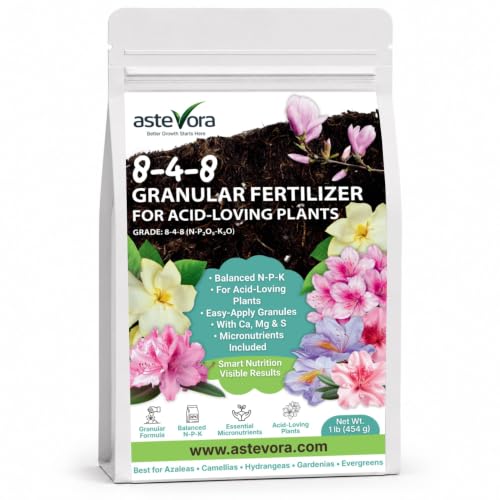
Gardeners combining figs with azaleas, camellias, hydrangeas, blueberries, and rhododendrons may want one fertilizer suited to the entire acidic-soil collection. GARDENWISE 8-4-8 targets that group with magnesium, iron, and manganese in its nutrient profile.
The 8-4-8 analysis provides more nitrogen and potassium than phosphorus, which supports leafy and root growth. I would check the fig’s soil conditions before using an acid-formulated food, since this product is specifically presented for acid-loving plants and does not name figs among its target list. Compared with the explicit fig-focused slow-release granules, it serves the wider landscape more than one tree.
A Strong Showing
✓Provides iron, magnesium, and manganese for listed acid-loving plants
✓Suits a mixed landscape of flowering shrubs, blueberries, and trees
✓Supports acid-soil care alongside other specialized plants
Where It May Fall Short
•Figs are not among the specifically listed plants
•Soil acidity and drainage should be checked before use
The Right Fit
This formula suits gardeners whose figs share a bed or landscape with strongly acid-loving plants.
Swap It Out When
GARDENWISE 10-10-10 Slow-Release Granular Fertilizer for Fig Trees is the clearer choice for a fig-centered planting.
The most direct choice in this group for a fig-focused routine is GARDENWISE 10-10-10 Slow-Release Granular Fertilizer for Fig Trees. Its listing explicitly includes fig trees, potted plants, indoor gardens, fruit trees, shrubs, flowers, and vegetables, giving it broader garden utility without pretending to be a narrowly concentrated fig treatment.
Slow release distinguishes the granules from the liquid options, spreading nutrient availability over a longer feeding period rather than delivering everything in one watering. The equal 10-10-10 analysis provides equal nitrogen, phosphorus, and potassium, which I find more intuitive for general fig maintenance. For a container fig, the practical question is whether the label’s application method suits the pot size and watering pattern.
Useful Strengths
✓Fig trees appear directly in the product’s intended uses
A one-pound box of water-soluble fertilizer fits neatly into a utility closet and can feed more than one collection. GARDENWISE 20-20-20 dissolves into watering cans for use on figs, orchids, vegetables, flowers, lawns, and other indoor or outdoor plants.
The equal 20-20-20 analysis provides concentrated proportions of nitrogen, phosphorus, and potassium, with nitrogen typically associated with leafy growth. Compared with Dyna-Gro Foliage Pro, this starts as a dry powder that must dissolve before use, but it offers a familiar 20-20-20 ratio and broad plant compatibility. I would follow the label carefully because the concentrated analysis leaves little room for guesswork.
## Matching Fig Care to Plant Condition
### Container Size and Plant Stage
A small pot dries quickly and receives less runoff than a large container, so fertilizer concentration matters as much as the nutrient ratio. I pay closer attention to label directions for young or recently repotted figs, especially after the roots have had time to settle. A mature outdoor tree has different soil volume and watering demands from an indoor plant.
### Liquid, Granular, or Water-Soluble
Liquid concentrates are convenient for small indoor collections because they enter the watering routine. Slow-release granules reduce the need for frequent feeding but require even distribution and careful placement. Water-soluble powders offer another liquid option, although proper dissolution is essential.
### Reading the Nutrient Analysis
NPK means nitrogen, phosphorus, and potassium, listed in that order. Nitrogen supports leaf and stem development, phosphorus contributes to root and flower formation, and potassium supports overall plant vigor. Equal ratios work for routine care, while 0-0-1 seaweed products emphasize potassium. Fig-specific formulas remain useful when the plant’s current condition clearly calls for a different approach.
## Fertilizer Mistakes Worth Avoiding
### Common Shopping Slip Ups
Choosing a fertilizer by the plant name alone can lead to the wrong format or nutrient profile. I also avoid applying a concentrated product at full strength or feeding a stressed plant without first checking its watering and drainage conditions.
### What Separates Premium From Basic
Higher-priced options often provide a more concentrated formula, specialized ingredients, or a format made for a particular care routine. Those traits are worthwhile for a dedicated fig collection, but a reliable general fertilizer may be sufficient for one plant in a mixed household.
## Frequently Asked Questions
### What Is the Best Fertilizer for a Potted Fiddle Leaf Fig?
Growth Technology GT Foliage Focus is a sensible routine option for a healthy potted fiddle leaf fig because it targets tropical foliage plants in liquid form. Fiddle Leaf Fig Rescue Drops fit more specifically when the plant has experienced recent stress.
### Can the 10-10-10 Slow-Release Granules Be Used on Indoor Fig Trees?
Yes, the product is listed for fig trees, potted plants, and indoor gardens. The application method still needs to account for pot size, drainage, and the fig’s normal watering schedule.
### Should I Use Liquid or Granular Fertilizer on a Fig Tree?
Liquid food fits frequent indoor watering routines, while slow-release granules suit gardeners wanting fewer feeding applications. Container size and watering frequency should determine the format more than the plant name alone.
### Is an Acidic Fertilizer Necessary for Fig Trees?
Not automatically, because an acidic fertilizer mainly serves plants and soils that prefer lower pH. GARDENWISE 10-10-10 Slow-Release Granular Fertilizer for Fig Trees is the more direct option for routine fig care.
### Can Rescue Drops Replace Regular Fertilizer?
Rescue drops are formulated for stressed or damaged fiddle leaf figs, not routine nutrition. Growth Technology GT Foliage Focus or another balanced formula is more suitable for continuing a healthy plant’s regular feeding routine.
## Final Verdict
Fiddle Leaf Fig Rescue Drops serve the narrowest problem, while GARDENWISE 10-10-10 Slow-Release Granular Fertilizer for Fig Trees offers the clearest routine match. I would choose the liquid formulas for convenient indoor feeding and the granular option for a fig-centered garden, always following the product label and adjusting for pot size, drainage, and plant condition.