

Camellias can look healthy between feedings, then struggle when bud formation demands more support. I focus on formulas designed for acid-loving plants, liquid versus slow-release feeding, and the practical differences that matter in pots, borders, and mixed gardens.
The Shortlist At A Glance

Fox Farm Big Bloom Liquid Plant Food for Flowering and Fruiting Plants 1 Quart

Scotts Miracid Water Soluble Plant Food 4-Pound Two-Pack

Miracle-Gro Plant Food 3 lb.
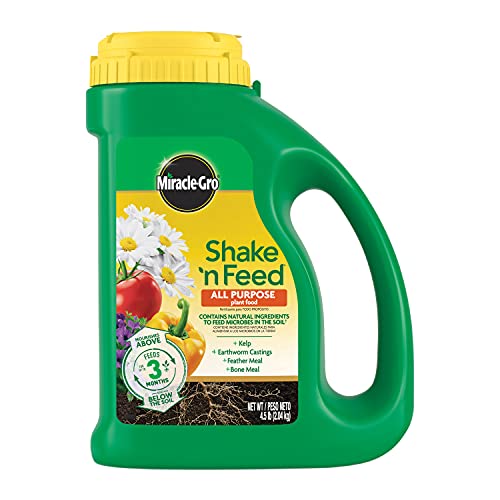
Miracle-Gro Shake ‘N Feed 4.5 lb.
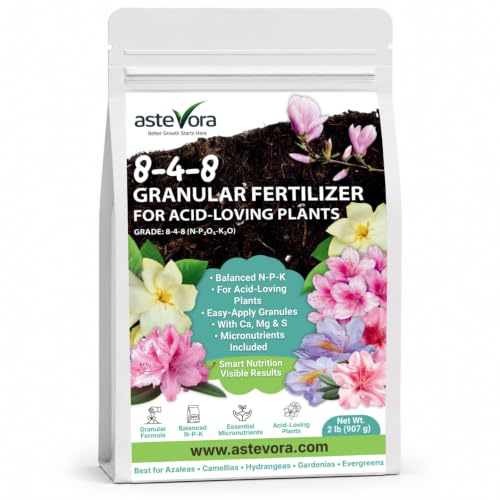
GARDENWISE 8-4-8 Acidic Fertilizer for Camellias and Azaleas 1 Quart

GARDENWISE 10-10-10 Slow-Release Garden Fertilizer for Plants and Shrubs 1 Quart

GARDENWISE 20-20-20 Water-Soluble Plant Fertilizer Powder for Flowers 1 Quart

Farmer’s Secret Fruit & Bloom Booster Fertilizer 8oz
A Breakdown Of The Leading Choices
A liquid concentrate gives me more control over feeding frequency than a surface-applied granule, and this formula targets flowering and fruiting plants rather than general foliage growth. It suits a potted camellia that receives regular watering, where diluted nutrients can reach the root zone without repeated physical feeding.
Earthworm castings and bat guano provide the nutrient base, while the 0-0.5-0.7 NPK ratio keeps nitrogen comparatively low. In my view, that profile makes more sense during bloom development than for pushing a large amount of leafy growth. It also supports plants beyond camellias, including roses and edible flowering plants.
Real Benefits
- Liquid format allows precise dilution and easy distribution through existing watering routines.
- The low-nitrogen profile is tailored toward flowers, buds, and fruit rather than abundant leaves.
- Earthworm castings and bat guano suit gardeners seeking a nutrient blend with recognizable natural inputs.
- It can feed through watering cans, hose-end sprayers, siphon mixers, or drip irrigation.
- One quart works well for container plants or a limited group of flowering specimens.
Practical Considerations
- The suggested dilution is four tablespoons per gallon, so accurate measuring matters.
- It requires application every other watering, making it less convenient than a slow-release granule.
Feature Snapshot
Built With In Mind
This formula suits container gardeners who water regularly and want bloom-focused nutrition without managing surface fertilizer.
Where Another Pick Shines
Miracle-Gro Shake ‘N Feed 4.5 lb. suits gardeners who prefer infrequent soil applications over liquid dilution.
Miracid takes a more direct approach to acid-loving plants than the all-purpose formulas later in this list. It is intended for azaleas, hydrangeas, rhododendrons, and camellias, making it a sensible fit for an established border containing several plants that share the same soil preferences.
Its water-soluble format feeds through both roots and leaves, which gives me a more flexible option for container plants and mixed beds. The two 4-pound boxes provide a larger reserve than most single-container setups need, but they may work well for a sizable collection of acid-loving shrubs.
Positive Takeaways
- The formula is specifically directed toward acid-loving flowering plants.
- Root and leaf feeding makes the treatment suitable for several watering methods.
- Water-soluble nutrients become available quickly during active growth and bloom development.
- The larger package suits gardeners managing multiple azaleas, hydrangeas, or rhododendrons.
Things To Consider
- The package may be more than necessary for one small potted camellia.
- Liquid feeding requires measuring and dilution instead of a simple soil-surface application.
- Its acid-plant focus is less relevant to a mixed collection of neutral-soil plants.
Quick Facts
Made For
This product fits households with several acid-loving shrubs in beds or large containers.
Another Choice May Suit
GARDENWISE 8-4-8 Acidic Fertilizer for Camellias and Azaleas 1 Quart suits smaller gardens that need a more compact package.
This option makes sense when the watering can serves several kinds of plants rather than an entire acid-loving border. I would consider it for a mixed patio containing camellias, houseplants, roses, vegetables, and shrubs, since its purpose is broader than any single plant family.
The water-soluble format supports quick nutrient delivery and fits the routine of someone already watering containers on a set schedule. Unlike Miracid, however, it does not present itself as a dedicated formula for acid-loving plants, so camellias receive general nutrition rather than a blend tailored to that category.
Positive Points
- One formula can cover flowers, vegetables, houseplants, roses, trees, and shrubs.
- Water solubility fits routine watering-can or hose feeding.
- The 3-pound package offers a practical size for a mixed home garden.
Minor Gripes
- Its general-purpose positioning does not specifically address acid-loving soil preferences.
- Dilution and application frequency still need to follow the label.
The Right Fit
This product suits mixed-plant households that value one versatile food over separate formulas.
A Better Fit Elsewhere
Scotts Miracid Water Soluble Plant Food 4-Pound Two-Pack suits gardeners committed to camellias and other acid-loving shrubs.
Shake ‘N Feed changes the feeding method rather than concentrating on a particular flower. The granules spread across the soil and release nutrients for up to three months, which suits a garden where I would rather handle fertilizer less often than mix it into every watering.
Natural ingredients feed soil microbes, which then break those materials down into nutrients available to roots. That approach adds an element missing from Fox Farm Big Bloom’s liquid feeding model, although the formula remains general-purpose and not explicitly designed for acid-loving camellias.
A Favorable Mix
- Soil application takes less effort than repeated liquid dilution.
- The stated feeding duration extends up to three months.
- Microbial activity supports nutrient release and root development.
- The 4.5-pound package suits several outdoor containers or a garden bed.
- Water-efficiency support may be useful in dry summer conditions.
Points To Note
- Granular feeding requires spreading the material evenly around the root zone.
- It is not a dedicated acid-loving plant formula.
Feature Breakdown
Ready For Routine
This granule suits gardeners who favor infrequent soil feeding over watering-can nutrition.
Consider Something Else When
Fox Farm Big Bloom Liquid Plant Food for Flowering and Fruiting Plants 1 Quart suits gardeners who want bloom-focused liquid nutrition.
This formula makes the clearest plant-specific case in the group because camellias and azaleas appear directly in its positioning. I find that useful when the goal is a dedicated feeding routine for an acid-loving border rather than broad nutrition for an entire mixed garden.
Magnesium, iron, and manganese distinguish it from balanced all-purpose products. The 8-4-8 ratio supplies a larger share of nitrogen and potassium than phosphorus, so this is more of a general nutrient blend with an acid-plant emphasis than a bloom-only formula.
Advantages To Know
- Camellias and azaleas are named directly in the product’s intended use.
- The acidic formulation also covers hydrangeas, blueberries, gardenias, magnolias, evergreens, and rhododendrons.
- Magnesium, iron, and manganese provide a more targeted nutrient profile.
- The 8-4-8 ratio balances nitrogen, phosphorus, and potassium.
Less Ideal Details
- A 1-quart package may run short for a large bed of mature shrubs.
- Its broader nutrient profile does not concentrate exclusively on flower and fruit production.
Who Should Grab It
This product suits gardeners maintaining a dedicated bed of camellias, azaleas, and related acid-loving plants.
Reach For A Different Pick When
Miracle-Gro Plant Food 3 lb. suits mixed collections that need one general-purpose food for many plant types.
Equal 10-10-10 proportions make this a straightforward option for a busy outdoor bed where vegetables, shrubs, flowers, and fruit plants share the same watering area. I would weigh it as a general soil-feeding product, not as a formula specifically designed around the preferences of camellias.
The slow-release granules support steadier outdoor feeding than a liquid mixed at each watering. That reduces the frequency of fertilizer handling, although the one-quart container may need careful planning for multiple large planters.
Key Advantages
- Equal nitrogen, phosphorus, and potassium provide balanced nutrition.
- Slow release suits outdoor beds that receive regular moisture.
- The formula covers vegetables, fruit trees, evergreens, shrubs, flowers, and potted plants.
- One product simplifies feeding across varied outdoor plantings.
Trade Offs
- The formula does not specifically address acid-loving plant nutrition.
- Slow-release granules need placement near active roots and appropriate soil moisture.
Core Details
Whose Shelf It Belongs On
This fertilizer suits mixed-bed gardeners who prioritize balanced nutrients and fewer feeding sessions.
Swap It Out When
Scotts Miracid Water Soluble Plant Food 4-Pound Two-Pack suits gardeners focused specifically on acid-loving shrubs.
This powder dissolves into water, giving me a straightforward option for gardeners already using a watering can. The 20-20-20 ratio supplies equal amounts of nitrogen, phosphorus, and potassium, so it is best understood as balanced nutrition rather than an acid-specific or flowering-only treatment.
That balance works across indoor plants, orchids, vegetables, flowers, and lawns. For a camellia, though, I would weigh it against GARDENWISE 8-4-8 Acidic Fertilizer, whose magnesium, iron, and manganese profile more closely reflects the needs of acid-loving plants.
What Pays Off
- The powder dissolves in water for quick nutrient delivery.
- Equal primary nutrients fit a broad range of flowering and foliage plants.
- Liquid feeding integrates easily into regular indoor or outdoor watering.
- It covers orchids, vegetables, flowers, lawns, and potted plants.
Possible Compromises
- The general 20-20-20 ratio does not target acid-loving plants.
- Measured dilution is necessary each time the powder is used.
Made For
This formula suits mixed indoor and outdoor gardeners who prefer creating liquid feed directly at the watering can.
Where A Sibling Pick Shines
GARDENWISE 8-4-8 Acidic Fertilizer for Camellias and Azaleas 1 Quart suits dedicated camellia growers seeking an acid-oriented profile.
Late summer and early fall set this concentrate apart from the general-purpose products in the group. I see it as a seasonal support option for camellias entering a period of bud development, especially when the goal is flower and fruit production rather than year-round balanced feeding.
The formula is intended for flowers, vegetables, and fruit-bearing plants and supports root activity and nutrient uptake. Its super-concentrated format also keeps storage compact, but an 8-ounce container is a small supply compared with the quart packages featured elsewhere.
Practical Pluses
- Late-season timing aligns with autumn bud development in many camellias.
- The formula focuses on flowers, fruit production, and root support.
- It applies across multiple fruiting and flowering plant types.
- The concentrated bottle requires relatively little storage space.
Things That May Matter
- Its seasonal positioning is less aligned with spring growth routines.
- The 8-ounce size may require careful measurement and repeated purchases.
Important Details
Best Suited To
This concentrate suits gardeners preparing camellias for autumn flowering and bud development.
Look Elsewhere When
Miracle-Gro Shake ‘N Feed 4.5 lb. suits gardeners wanting a general-purpose fertilizer that can be applied throughout the growing routine.
What Camellias Actually Need From Fertilizer
Camellias grow best in acidic soil, so the formula’s plant focus matters more than a large number on the bag. GARDENWISE 8-4-8 and Scotts Miracid both direct their positioning toward acid-loving plants, while the all-purpose options prioritize versatility.
Match The Formula To The Plant Group
I look for dedicated acid-plant support when camellias occupy most of the planting area. For a mixed collection containing vegetables, houseplants, and shrubs, Miracle-Gro Plant Food 3 lb. or GARDENWISE 20-20-20 Water-Soluble Plant Fertilizer Powder for Flowers may be easier to manage.
Decide Between Liquid And Granules
Liquid products give more control over timing and distribution, especially in containers. Granular slow-release options reduce handling, so I consider soil moisture, root placement, and the size of the planting area before choosing one.
Read The NPK Ratio In Context
N-P-K represents the primary nutrient ratio. A low-nitrogen bloom formula suits active flowering, while an equal 10-10-10 or 20-20-20 ratio offers broader nutrition for mixed plantings.
Check The Feeding Window
Farmer’s Secret Fruit & Bloom Booster Fertilizer is positioned for late summer and early fall. That timing may suit autumn bud development, while a general plant food can serve earlier or more continuous feeding schedules.
Practical Fertilizing Mistakes To Avoid
Common Shopping Slip Ups
Choosing by package size alone can leave a small garden with too much fertilizer or a large planting with too little. I check the plant list, format, feeding rate, and application window before comparing containers.
Mixing concentrated products at full strength is another frequent error. Accurate measuring and the label dilution protect plant roots and make results more consistent.
What Separates Specialized From Basic
A specialized formula centers its nutrient profile and plant positioning on acid-loving or flowering subjects. A basic option offers broader coverage and may be more practical for mixed gardens.
The useful upgrade is the formula that matches the actual planting, not the more elaborate package. Concentrated or slow-release products add convenience when their application method fits the routine.
Frequently Asked Questions
How Do I Choose Fertilizer For Camellias?
Camellias benefit from fertilizer suited to acid-loving plants, especially when their soil and planting mix are already appropriately acidic. Liquid, slow-release, and bloom-focused formulas can all work, so application frequency and planting scale matter too.
Is Liquid Fertilizer Better For Camellias?
Liquid fertilizer provides more control over each feeding and distributes readily through containers or drip systems. Slow-release granules require fewer applications, making them more convenient for larger beds with regular soil moisture.
Should Camellias Receive High-Nitrogen Fertilizer?
High nitrogen primarily encourages vegetative growth rather than concentrated flower production. A lower-nitrogen bloom formula may suit a camellia already receiving enough nitrogen and focused on bud development.
Can I Use All-Purpose Fertilizer For Camellias?
All-purpose fertilizer can suit a camellia when it is mixed with other plants and the soil is already properly prepared for acid-loving shrubs. Dedicated acid-plant formulas provide a closer nutritional match for an established camellia border.
When Should I Fertilize Camellias?
Feeding should align with active growth and the plant’s development cycle. Bloom boosters designed for late summer and early fall may suit autumn bud formation, while general-purpose foods can serve broader seasonal routines.
Final Verdict
For a dedicated camellia planting, I favor GARDENWISE 8-4-8 Acidic Fertilizer for Camellias and Azaleas because its plant focus and mineral profile match the category closely. Fox Farm Big Bloom offers more precise bloom-stage control, while Miracle-Gro Shake ‘N Feed serves gardeners who value fewer applications over specialized nutrition.
