

An amaryllis in a living-room pot can look impressive in leaf but struggle to produce a strong flower stalk. I understand the decision: potted bulbs need a fertilizer that supports their growth cycle, fits the available space, and suits either indoor soil or hydroponic culture. The strongest options below emphasize bloom and bulb support, general plant nutrition, or convenient liquid feeding, with clear trade-offs for each approach.
The Leading Options At A Glance

TPS Nutrients Silica Gold 1 Gal

Down To Earth Organic 2-6-5 Fertilizer

Espoma Organic Bulb-Tone 3-5-3 Fertilizer, 4 lb. Pack of 2

GrowThrive Lemon Tree Liquid Fertilizer
GrowThrive Citrus Tree Liquid Fertilizer, 10 oz

GrowThrive Money Tree Liquid Fertilizer, 10 oz
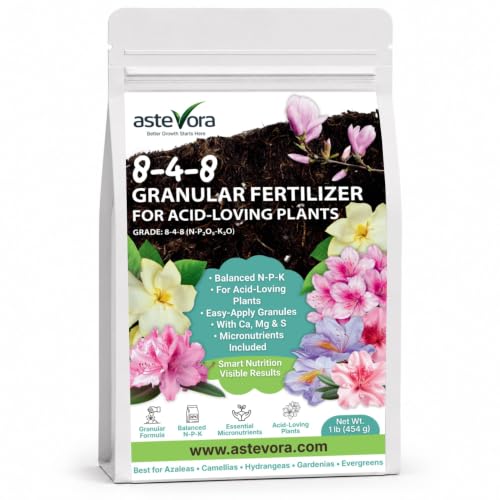
GARDENWISE 8-4-8 Acidic Fertilizer, 1/2 Quart

GrowThrive Fiddle Leaf Fig Liquid Fertilizer, 10 oz
A Deeper Look At The Lineup
I favor this pick for amaryllis growers who want one supplement that works in ordinary potting soil or a hydroponic setup. Its one-gallon format provides more volume than the smaller liquid choices below, which matters for a collection of actively growing bulbs.
Unlike Down To Earth Organic 2-6-5 Fertilizer, which centers on flowering bulbs and soil, Silica Gold is presented as a broad plant-strength supplement. For an amaryllis grown in a bright indoor room, that flexibility is useful, although I would check the label directions carefully before adding it to a bulb already receiving another feed.
What Stands Out
- The 1-gallon container suits multiple pots or a hydroponic setup needing more than a small bottle.
- Its soil and hydroponic compatibility removes the need to maintain separate products for different growing methods.
- The formulation is intended to support sturdy stems and overall plant development during active growth.
Things To Consider
- It is described as a plant-strength supplement rather than a bulb-specific flower fertilizer.
- The full gallon requires sensible storage and may be more than a single windowsill bulb needs.
Feature Snapshot
Who It Suits Best
I recommend this for indoor gardeners managing several amaryllis bulbs in soil or hydroponic containers.
A Better Fit Elsewhere
Down To Earth Organic 2-6-5 Fertilizer suits gardeners who want a compact soil product specifically oriented toward flowers and bulbs.
I consider this the most balanced choice for an amaryllis grown in a pot with ordinary soil. Its 2-6-5 analysis puts more emphasis on phosphorus, the nutrient associated with flowering, while the formula is also intended to support root development in a manageable one-pound package.
Fish bone meal, rock phosphate, and seaweed give this pick a more soil-focused profile than the general TPS Nutrients Silica Gold 1 Gal. That distinction matters for a gardener who prefers a dry amendment for raised beds or containers, although the smaller package may need replenishment for a large group of bulbs.
Well-Handled Touches
- The 6% phosphorus level directly supports a bloom-focused feeding decision.
- Fish bone meal, rock phosphate, and seaweed provide a recognizable organic ingredient profile.
- The one-pound package is manageable for pots, trial applications, and small raised beds.
- It can support new plantings or monthly side-dressing around established flowers and bulbs.
Small Caveats
- The flowering emphasis makes it less directly aligned with a general structural supplement.
Key Specs
Made For
This fits potted amaryllis growers who want a bloom-focused soil fertilizer and work with only a few containers.
Where Another Pick Shines
Espoma Organic Bulb-Tone 3-5-3 Fertilizer, 4 lb. Pack of 2 offers more volume for gardeners planting or feeding several spring and fall bulbs.
I look to this option for a garden containing numerous bulbs and a preference for straightforward soil application. It is made for spring and fall bulbs, and the ready-to-use format can be placed in the planting hole or sprinkled over established soil before thorough watering.
Compared with Down To Earth Organic 2-6-5 Fertilizer, this pick carries a lower phosphorus percentage but adds calcium and a formulation designed around bulb planting and post-bloom feeding. Two four-pound bags cover a larger area, so storage space and seasonal timing deserve attention before application.
Good Reasons To Consider
- Its purpose covers planting and feeding established spring or fall bulbs.
- The 3-5-3 analysis provides a balanced proportion of nitrogen, phosphorus, and potassium.
- Calcium is included at 6% for bulb gardening.
- It requires no mixing, reducing preparation before planting or side-dressing.
- The two-pack provides 8 pounds of material for larger bulb collections.
Points To Note
- Eight pounds of dry fertilizer calls for a dry, accessible storage place.
- The lower phosphorus level differs from the more bloom-centered Down To Earth formula.
Core Details
Built With In Mind
This works well for gardeners maintaining numerous spring or fall bulbs in garden soil.
Another Choice May Suit
Down To Earth Organic 2-6-5 Fertilizer better serves a small container collection that needs a higher-phosphorus flower formula.
I would place this outside the leading amaryllis choices because it is formulated for lemon and citrus plants rather than flowering bulbs. The liquid format may still interest an indoor gardener who wants a simple way to feed container plants and prefers a citrus-specific nutrient profile.
Its role is more specialized than the broader TPS Nutrients Silica Gold 1 Gal, which accommodates indoor soil and hydroponic growth. For amaryllis, the deciding factor is compatibility with the plant’s growth cycle and the fertilizer label’s application guidance, not simply whether the product is liquid.
Positive Points
- The liquid format integrates into routine container-plant watering and avoids handling dry material.
- The formula is specifically designed around the nutritional needs of citrus plants.
Things That May Matter
- Citrus is the stated purpose, so the label directions need careful review before use on an amaryllis.
- It is less relevant than a general supplement or bulb-focused amendment for mixed indoor collections.
- The lack of a bulb-specific application description limits its usefulness for this particular category.
Best Suited To
This primarily suits households caring for container-grown lemon or citrus trees alongside their flower bulbs.
Reach For A Different Pick When
TPS Nutrients Silica Gold 1 Gal is the more relevant option for amaryllis grown in soil or hydroponics.

I see this as a compact liquid option for citrus plants in a restricted indoor or patio space. The 10-ounce bottle is easier to store and move than the one-gallon TPS Nutrients Silica Gold 1 Gal, while its slow-release liquid format is designed for gradual feeding.
Unlike GrowThrive Lemon Tree Liquid Fertilizer, this choice presents a broader citrus designation and emphasizes beneficial microbes, fungi, enzymes, and amino acids. For amaryllis, though, the specialized plant purpose still places it behind Down To Earth Organic 2-6-5 Fertilizer in terms of direct relevance.
Practical Pluses
- The 10-ounce bottle is compact for patios, indoor shelves, and smaller gardening kits.
- Liquid application keeps feeding and watering connected in a routine container-plant schedule.
- The slow-release presentation is intended to provide nutrients gradually rather than through repeated dry side-dressings.
Where It May Fall Short
- The product is tailored to citrus plants, not specifically to amaryllis bulbs.
- The bottle may need regular replacement in a collection containing several plants.
Quick Facts
The Right Fit
This suits a small-space gardener tending citrus trees and other compatible container plants.
Consider Something Else When
GrowThrive Lemon Tree Liquid Fertilizer better serves a household whose citrus collection centers specifically on lemon trees.
I would keep this pick in mind for an indoor plant collection centered on money trees, monstera, pothos, and other broad-leaved tropical houseplants. Its compact bottle and liquid delivery system suit apartments where shelf space and simple routines matter.
The fermented microbial approach distinguishes it from the mineral-led Espoma Organic Bulb-Tone 3-5-3 Fertilizer, 4 lb. Pack of 2. That does not make it the natural first choice for an amaryllis bulb, but it can serve a mixed indoor collection whose plants share a similar fertilizer program.
What Works In Its Favor
- The 10-ounce size keeps storage demands modest in an apartment or home office.
- The formula is made from fermented beneficial microorganisms rather than synthetic additives.
- Liquid feeding fits a routine that already includes regular indoor plant watering.
- Its stated plant range includes money trees, monstera, pothos, snake plants, and peace lilies.
Honest Caveats
- Money trees and tropical foliage plants are the stated targets, not flowering bulbs.
- An amaryllis sharing a pot with another plant would require separate feeding decisions.
Whose Shelf It Belongs On
This belongs in a compact indoor garden centered on money trees and broad-leaved tropical plants.
Not Your Match When
Down To Earth Organic 2-6-5 Fertilizer fits a single-purpose amaryllis setup better because its profile is oriented toward flowers and bulbs.
I see this as a garden fertilizer for acid-preferring plants such as azaleas, camellias, hydrangeas, blueberries, and rhododendrons. Its half-quart container and iron-rich profile are worth considering for an outdoor bed maintained alongside indoor amaryllis bulbs.
Unlike Espoma Organic Bulb-Tone 3-5-3 Fertilizer, 4 lb. Pack of 2, this formula puts more emphasis on nitrogen and includes magnesium, iron, and manganese for plants associated with acidic soil. Amaryllis does not automatically need an acidic fertilizer, so soil and label guidance should determine the fit.
Notable Gains
- Magnesium, iron, and manganese distinguish it from a basic NPK fertilizer.
- The 8-4-8 analysis supplies a higher nitrogen proportion for active foliage growth.
- The half-quart format is practical for a modest home garden collection.
- Its stated plant range covers several familiar acid-garden flowers and fruiting shrubs.
Factors To Consider
- Its acidic purpose makes it less direct for ordinary amaryllis soil.
- Applying it beside every flowering plant in a mixed bed may not be appropriate.
- The higher nitrogen proportion differs from the bloom-oriented Down To Earth formula.
Technical Highlights
Right Fit For
This suits gardeners tending azaleas, blueberries, camellias, and other plants suited to acidic soil.
Swap It Out When
Espoma Organic Bulb-Tone 3-5-3 Fertilizer, 4 lb. Pack of 2 is the clearer choice for a garden organized around spring and fall bulbs.
I consider this a supporting choice for a home collection that includes fiddle leaf figs and similar large-leaved indoor plants. The 10-ounce bottle and slow-release liquid format make it easy to store beside a watering can and use as part of a regular indoor feeding routine.
Its microbial-fermentation approach differs from the mineral-based Down To Earth Organic 2-6-5 Fertilizer, yet the product is still aimed at broad-leaved foliage plants rather than flowering bulbs. For amaryllis, I would favor a flower or bulb-oriented formula unless the label explicitly permits this use.
A Few Highlights
- The compact 10-ounce bottle takes up little room in an indoor plant-care cabinet.
- The slow-release liquid format supports gradual feeding during regular plant maintenance.
Practical Considerations
- Fiddle leaf figs are the stated target, so amaryllis compatibility depends on the label.
- A plant declining for reasons beyond nutrient availability still needs a broader care assessment.
Who Will Love This
This appeals to urban indoor gardeners who maintain large-leaved tropical plants in compact living spaces.
Look Elsewhere When
TPS Nutrients Silica Gold 1 Gal better serves amaryllis grown in soil or hydroponics because it supports both growing methods.
What Matters in a Bulb Fertilizer
Read the NPK Numbers
NPK describes the relative proportions of nitrogen, phosphorus, and potassium. Nitrogen supports leaf and stem growth, phosphorus contributes to flower and root development, and potassium supports general plant vigor, so a higher phosphorus number may suit an amaryllis grown primarily for its flower stalk.
Match the Form to the Pot
Granular products work directly in soil and can be easier to apply around bulbs. Liquid fertilizer fits routine watering and hydroponic culture, while supplements such as Silica Gold offer broader flexibility across indoor growing systems.
Check the Application Method
I would look for clear directions covering planting, watering, dilution, and repeat feeding. A ready-to-use product reduces preparation, while concentrated liquids offer more control over the amount applied to each pot.
Avoiding Fertilizer Mistakes
Mistakes Worth Dodging
I would avoid choosing solely by the word “bloom” on the label. Amaryllis also needs balanced nutrition, and overemphasis on one nutrient can create an imbalance. The fertilizer should match the plant’s growth stage, growing medium, and the label’s watering instructions.
What Separates Premium From Basic
The extra cost may reflect nutrient completeness, organic ingredients, microbial components, concentrated formulas, or a larger package. I find that worth paying for when a product directly matches the growing system or replaces several separate inputs, but package size alone does not make a fertilizer more suitable.
Frequently Asked Questions
What Fertilizer Is Best for Amaryllis?
I favor a balanced, bulb-oriented fertilizer with adequate phosphorus for amaryllis grown in soil. Down To Earth Organic 2-6-5 Fertilizer and Espoma Organic Bulb-Tone 3-5-3 Fertilizer, 4 lb. Pack of 2 are the closest matches in this list.
Can I Use a General Houseplant Fertilizer on Amaryllis?
A general houseplant fertilizer can support an amaryllis during active growth when its nutrient balance and application directions are appropriate. Bulb-specific products remain easier to match to a plant grown primarily for flowers.
Is Liquid Fertilizer Better for Potted Amaryllis?
Liquid fertilizer is convenient because it can be incorporated into a watering routine and reaches the root zone directly. Its suitability still depends on the formulation, dilution instructions, and the growing medium.
Should Fertilizer For Amaryllis Contain Silica?
Silica supplements can support stems and overall plant structure, making them useful in a broad plant-nutrition program. They are not a replacement for a fertilizer selected to match the amaryllis’s flowering needs and growing conditions.
Can Amaryllis Grow in Hydroponics?
Yes, amaryllis can be grown hydroponically with an appropriate system and plant nutrition. I would choose a product that explicitly supports hydroponic use, such as TPS Nutrients Silica Gold 1 Gal.
Final Verdict
I would start with Down To Earth Organic 2-6-5 Fertilizer for a potted amaryllis seeking a bloom-focused soil feed, or Espoma Organic Bulb-Tone 3-5-3 Fertilizer, 4 lb. Pack of 2 for a larger bulb garden. TPS Nutrients Silica Gold 1 Gal becomes the practical choice for growers using soil and hydroponics. The remaining liquid and acidic formulas serve more specialized indoor or garden collections rather than a dedicated amaryllis setup.
