

An established asparagus bed needs different nutrition before spears emerge and again after the final harvest. I built this shortlist around dedicated asparagus feeds, then assessed adjacent fertilisers for mixed gardens where asparagus shares space with fruit, vegetables, or acid-loving plants. The dedicated formulas deserve the closest attention, while the general-purpose options need careful placement.
How The Shortlist Stacks Up
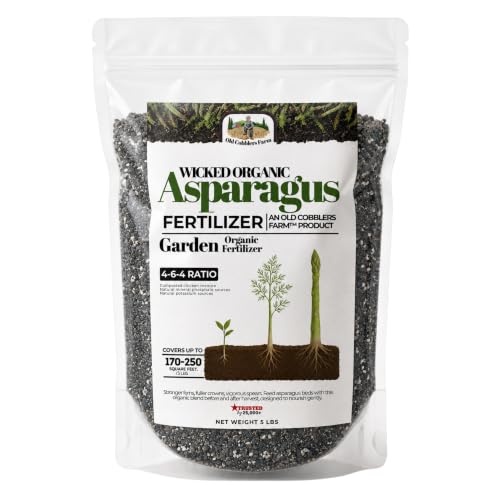
Old Cobblers Farm Wicked Organics Asparagus Fertilizer 5 lbs

Old Cobblers Farm Wicked Growth Asparagus Fertilizer 10 lbs

GrowThrive Lemon Tree Liquid Fertilizer

GrowThrive Citrus Tree Fertilizer 10oz

GrowThrive Money Tree Liquid Fertilizer 10 oz
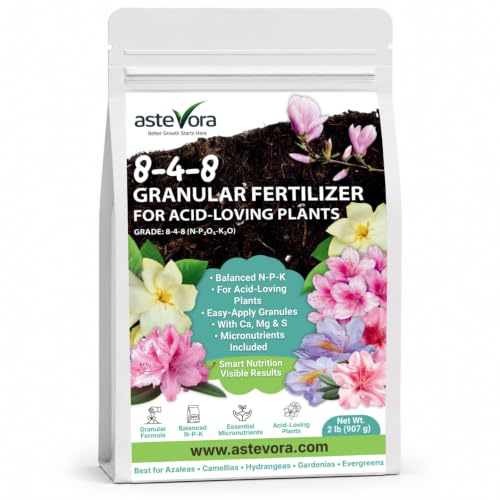
GARDENWISE 8-4-8 Acidic Fertilizer for Blueberries, Azaleas, Camellias, 1 Quart

GARDENWISE 10-10-10 Slow-Release All-Purpose Granular Fertilizer, 1 Quart

GrowThrive Fiddle Leaf Fig Liquid Fertilizer 10 oz
The Details Behind The Selections
This is the most asparagus-specific option in the list. Its 4-6-4 analysis balances nitrogen for spring growth, phosphorus for roots and crowns, and potassium for fern development, which makes it suitable for both pre-emergence and post-harvest feeding.
Unlike a general vegetable fertiliser, this formula accounts for the perennial crown and its shallow root system. In a long-lived backyard bed, I value that specificity, particularly because a soil test and measured application can prevent unnecessary nutrient accumulation.
Practical Advantages
- Targets the crown, roots, spear emergence, and fern growth as one connected system.
- Uses water-insoluble nitrogen to release nutrients gradually through microbial activity.
- Supports spring emergence before spears appear.
- Provides a second feeding window after the final cut.
- Uses meal-based inputs and bone char, with suitability for organic gardening.
Things To Consider
- The 4-6-4 analysis is less nitrogen-heavy than the dedicated post-harvest formula, so timing remains essential.
Feature Snapshot
Who It Suits Best
I recommend this for gardeners maintaining perennial asparagus beds through organic methods and following a two-stage spring feeding schedule.
Where Another Pick Suits Better
Old Cobblers Farm Wicked Growth Asparagus Fertilizer 10 lbs better suits gardeners prioritising a nitrogen-heavy treatment immediately after harvest.
Where Old Cobblers Farm Wicked Organics Asparagus Fertilizer spreads nutrition across two seasonal stages, this 16-10-13 formula concentrates on the post-harvest job. Its high nitrogen supports the ferns that rebuild crown reserves after the final spears are removed.
That makes it a better fit for an established bed than a newly planted patch. I would check the bed size and label rate before ordering, since the 10-pound bag covers roughly 250 to 333 square feet and excess nitrogen is easy to overapply.
Key Advantages
- High nitrogen directly supports the fern stage after spear harvest.
- Polymer-coated urea provides part of the nitrogen in a gradual-release form.
- Sulfur and magnesium support chlorophyll formation and nutrient use.
Trade Offs
- Its high nitrogen makes careful measurement more important around shallow asparagus roots.
- The 10-pound format may be excessive for a small raised bed or a new planting.
Quick Facts
Made For
This fits established asparagus growers with large beds who want a dedicated high-nitrogen feed after the spring harvest.
Swap It Out When
Old Cobblers Farm Wicked Organics Asparagus Fertilizer 5 lbs fits smaller beds and gardeners seeking a more balanced spring-to-post-harvest programme.
This liquid feed is formulated for citrus rather than asparagus, so its place here depends on the wider garden. In a mixed container or patio setup, I can see it serving a lemon tree without requiring a separate granular feed.
The liquid format is the main attraction, while the micro-nutrient focus distinguishes it from the balanced granular products elsewhere in this shortlist. For a dedicated asparagus bed, however, I would not substitute it for a formula designed around crown nutrition.
Benefits That Matter
- A liquid format can simplify feeding for potted citrus kept away from a garden bed.
- The micro-nutrient approach suits gardeners maintaining several citrus containers.
Possible Compromises
- The formula targets citrus rather than asparagus crowns and ferns.
- No asparagus-specific application rate is identified.
- Using it in an asparagus bed would make the product choice less precise.
The Right Fit
I consider this most relevant for mixed patio gardens where a liquid citrus feed is needed alongside, rather than instead of, dedicated asparagus nutrition.
Look Elsewhere When
Old Cobblers Farm Wicked Organics Asparagus Fertilizer 5 lbs serves a dedicated perennial asparagus bed more precisely.
The 10-ounce citrus liquid is a compact choice for a small collection of potted citrus. Its slow-release liquid format offers an alternative to broadcasting granules around containers, while the microbial and organic-matter components suit gardeners who prefer soil-focused nutrition.
I see this as supporting equipment around an asparagus bed rather than feeding the bed itself. The deciding factor is plant compatibility: citrus fertiliser cannot substitute for measured nitrogen, phosphorus, and potassium matched to asparagus growth stages.
Strengths Worth Knowing
- The 10-ounce container is easier to store than a large granular bag.
- A liquid slow-release format offers straightforward container-garden application.
Practical Considerations
- The product is formulated for citrus, not asparagus.
- A 10-ounce size suits compact plant collections more closely than extensive beds.
Best Suited To
This fits small-space gardeners tending a few citrus containers alongside an outdoor asparagus bed.
Another Choice May Suit
GrowThrive Lemon Tree Liquid Fertilizer offers a broader citrus and micro-nutrient angle for gardeners handling several types of citrus plants.
This product is built around money trees and other indoor foliage plants, including monstera, fiddle-leaf fig, pothos, snake plant, and peace lily. Its fermented microbial approach appeals to container gardeners who prefer a liquid derived from beneficial organisms.
That focus makes it a natural companion product for a balcony or indoor growing area, not an asparagus feed. The honest read is simple: it can organise indoor plant care while a dedicated asparagus formula handles the outdoor bed.
Standout Benefits
- Supports money trees and a broad range of common indoor foliage plants.
- The liquid format suits container watering routines.
- The 10-ounce bottle offers manageable indoor storage.
Details To Watch
- Its plant-specific purpose excludes a direct asparagus application.
- The compact bottle may need repeated purchases for a large indoor collection.
- Separate feeding directions are needed for outdoor and indoor plants.
Built With In Mind
I recommend this for apartment and indoor gardeners maintaining several foliage plants alongside a separate outdoor food garden.
Reach For A Different Pick When
GARDENWISE 10-10-10 Slow-Release All-Purpose Granular Fertilizer, 1 Quart better serves outdoor mixed beds needing balanced granular nutrition.
This acidic fertiliser is most relevant when asparagus shares a bed with blueberries, azaleas, camellias, gardenias, hydrangeas, magnolias, or rhododendrons. Its 8-4-8 analysis supplies a moderate amount of nitrogen, phosphorus, and potassium, with magnesium, iron, and manganese included for acid-loving plants.
I would keep the application zones separate from the asparagus root zone, especially in a small bed. The product targets a different soil preference, so mixing it into the whole bed could undermine the more controlled nutrition provided by a dedicated asparagus feed.
Real Benefits
- Supports a broad group of acid-loving shrubs and fruiting plants.
- Adds magnesium, iron, and manganese alongside the primary nutrients.
- The one-quart container is manageable for focused beds.
- Its specialised formula is more targeted than an all-purpose feed.
Minor Gripes
- It is not formulated specifically for asparagus crowns or ferns.
- Separate application areas are advisable in a mixed planting.
Technical Highlights
Who Will Love This
This suits gardeners combining asparagus with blueberries or acid-loving shrubs while keeping separate feeding areas.
Where A Sibling Pick Shines
Old Cobblers Farm Wicked Growth Asparagus Fertilizer 10 lbs is more suitable when the asparagus bed itself is the primary planting.
The equal 10-10-10 analysis makes this a general-purpose option for a varied food garden. It suits vegetables, fruit trees, shrubs, roses, flowers, and potted plants, while the slow-release granules offer a steadier feeding pattern than a quick-release lawn treatment.
For asparagus, I see this as a secondary option for a mixed bed rather than the central feeding plan. Equal primary nutrients do not reflect the bed’s distinct need for low nitrogen before emergence and stronger nitrogen after harvest.
A Few Highlights
- Handles several outdoor and indoor planting categories with one balanced analysis.
- Slow-release granules reduce the need for frequent follow-up feeding.
- The one-quart size works well for smaller gardens and containers.
Points To Note
- The equal nutrient analysis lacks the stage-specific balance of dedicated asparagus formulas.
- Application rates for mixed crops may not match those for a dedicated bed.
Feature Facts
Whose Shelf It Belongs On
This belongs with mixed vegetable and flower beds where balanced nutrition matters more than an asparagus-specific programme.
Not Your Match When
Old Cobblers Farm Wicked Organics Asparagus Fertilizer 5 lbs is the stronger option for a bed managed around perennial crown nutrition.
This liquid is made for fiddle-leaf figs, so it belongs in an indoor foliage collection rather than an asparagus bed. Its slow-release format and microbial fermentation distinguish it from granular feeds intended for outdoor soil beds.
I find it useful when indoor plant care and outdoor harvesting share the same weekly routine. The liquid format can integrate with container watering, but the plant-specific formulation still makes it unsuitable as the primary asparagus feed.
Reasons It Performs
- Targets fiddle-leaf figs with a dedicated liquid formulation.
- The 10-ounce bottle is convenient for indoor plant storage and handling.
Where It May Fall Short
- It does not provide a formulated nutritional programme for asparagus crowns.
- Outdoor bed fertiliser and indoor foliage food require different application approaches.
Product Snapshot
Right For
This fits indoor gardeners tending fiddle-leaf figs who want a dedicated liquid alongside a separate outdoor asparagus programme.
Consider Something Else When
GrowThrive Money Tree Liquid Fertilizer 10 oz suits a wider collection of common indoor foliage plants.
Matching Nutrients to Each Asparagus Growth Stage
Establish the Bed Before Spring Growth
A soil test gives the clearest starting point for a perennial bed. I use the results to determine whether phosphorus, potassium, or other amendments are needed before adding a general fertiliser.
For asparagus specifically, the pre-emergence window matters. Old Cobblers Farm Wicked Organics Asparagus Fertilizer supplies a balanced 4-6-4 formula with gradual nitrogen release, making it more relevant than a lawn or houseplant feed.
Replenish Crowns After the Final Cut
The asparagus fern continues growing after spear harvest. Its leaves restore carbohydrates stored in the crown, creating the foundation for the following spring’s crop.
Old Cobblers Farm Wicked Growth Asparagus Fertilizer addresses that stage with 16-10-13 analysis, polymer-coated urea, magnesium, and sulfur. Its high nitrogen is purposeful, but the application rate and bed area must be measured carefully.
Keep Mixed Plantings Separate
Acid-loving shrubs, citrus trees, and indoor foliage plants have different nutritional requirements. I avoid spreading those products across an asparagus root zone merely for convenience.
In a mixed bed, separate application zones preserve the asparagus-specific schedule. The general and specialty options in this shortlist are more useful for neighbouring plants than for the crowns themselves.
Common Mistakes and Worthwhile Upgrades
Mistakes Worth Dodging
The most common error is treating every plant in a mixed bed as part of one fertiliser plan. Another is applying a high-nitrogen product before spears emerge, when the bed does not need the same emphasis as the post-harvest ferns. I also avoid guessing at application rates, since bed area and existing soil nutrients determine the correct quantity.
What The Extra Money Goes
Specialised asparagus formulas spend that difference on nutrient ratios matched to crowns, spring spears, and post-harvest ferns. They may also include slow-release ingredients that reduce concentrated feeding near shallow roots. The premium is more useful in a dedicated perennial bed than in a small mixed planting that already has adequate general fertiliser.
Frequently Asked Questions
When should asparagus fertiliser be applied?
Apply pre-emergence fertiliser before the spears appear, following the label rate. After the final spring harvest, a second application supports the ferns and replenishes the crown for the following season.
Is high-nitrogen fertiliser suitable for asparagus?
High-nitrogen feed makes the most sense after the final spear harvest, when fern growth becomes the priority. Early-season use requires a lighter, more balanced approach because excessive nitrogen can place unnecessary stress on the bed.
Can slow-release fertiliser be used on asparagus?
Slow-release granules can suit perennial beds because they provide nutrients over a longer period. The release rate and application rate still need to match the product label and the bed’s soil needs.
Is organic asparagus fertiliser different from conventional fertiliser?
Organic options rely on meal-based or biologically derived inputs, while conventional formulas may include processed nutrient sources. The important comparison remains the nutrient analysis, release pattern, and suitability for asparagus rather than the label alone.
Should one fertiliser cover an entire mixed garden?
A single product rarely suits crops with different requirements. I keep asparagus nutrition separate from acid-loving shrubs, citrus plants, and houseplants, particularly in small beds where separate application zones are manageable.
Final Verdict
For a dedicated perennial bed, I would start with Old Cobblers Farm Wicked Organics Asparagus Fertilizer for measured spring and post-harvest feeding, or choose Wicked Growth when strong fern recovery is the main priority. The remaining options work best around the garden, not in place of an asparagus-specific programme. Measure the bed, read the label, and let the crop’s growth stage guide each application.
