

Evergreen trees rarely look neglected until new growth becomes thin, foliage loses its usual fullness, or spring arrives without the recovery a healthy tree should show. I’ve organized these eight options by plant type, fertilizer format, and maintenance style, from slow-release spikes for evergreens to liquid feeds for mixed landscapes. The right choice depends less on packaging and more on what is actually growing beneath the branches.
The Shortlist At A Glance

Espoma Organic Holly-Tone 4-3-4 Plant Food for Acid-Loving Plants, 50 lb. Bag
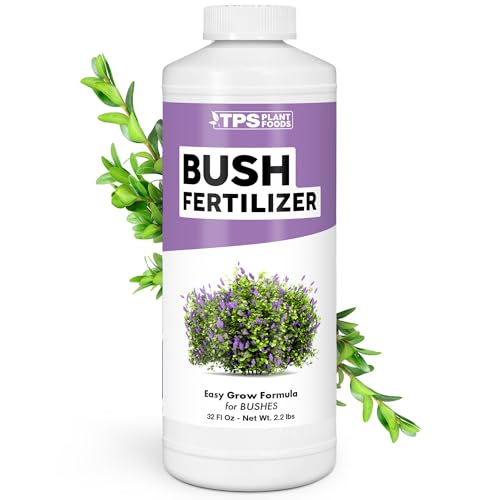
TPS NUTRIENTS Bush Fertilizer, 32 oz

Miracle-Gro Water Soluble Plant Food, 5 lb.
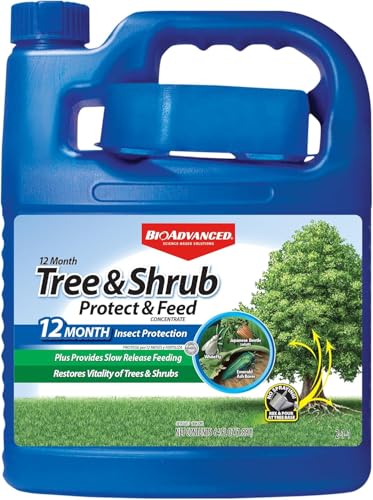
BioAdvanced Tree & Shrub Protect and Feed Concentrate, 64 oz

BioAdvanced Rose and Flower Care Concentrate, 64 oz

Landscaper Pack Evergreen Spikes 12-10-10, 70 Count

Landscaper Pack Tree and Shrub Spikes 15-10-9, 70 Count

Landscaper Pack Fruit and Citrus Spikes 8-18-18, 70 Count
What Each Pick Brings To The Table
A row of rhododendrons beside a foundation often shows its stress before the evergreen canopy does. Espoma Holly-Tone suits those acid-preferring shrubs, including azaleas, hydrangeas, blueberries, camellias, and evergreens, with natural organic ingredients that release nutrients gradually.
The 4-3-4 analysis lists nitrogen, phosphorus, and potassium in that order, while 5% sulfur supports the acidic soil conditions associated with this plant group. I favor it for a large, established bed because the 50-pound bag reduces frequent replenishment, although that size demands dry, accessible storage.
Good Reasons To Consider
- Slow breakdown creates a longer-lasting nutrient reserve in the root zone.
- One formula serves several acid-loving plants across a mixed landscape.
- The large bag suits multiple shrubs and repeated seasonal applications.
- Ready-to-use granules eliminate measuring and mixing.
- Its organic-input status suits organic gardening practices.
Practical Considerations
- The 50-pound package is substantial for a single container plant and needs somewhere dry to store it.
- Application requires thorough watering after the fertilizer is placed around the drip line.
Key Specs
Made For
This is a strong match for gardeners maintaining several rhododendrons, blueberries, azaleas, or other plants that thrive in acidic soil.
A Better Fit Elsewhere
Gardeners wanting a compact, low-fuss option for individual evergreens will find Winchester Gardens Evergreen Fertilizer Spikes more convenient.
Container shrubs can exhaust the nutrients in a small potting mix surprisingly quickly. TPS NUTRIENTS Bush Fertilizer provides a liquid option for gardeners who want to feed several bushes without carrying a dry granule product across the patio.
Its purpose is straightforward: support stronger roots, fuller foliage, and healthy shrub structure. I see it as a practical companion to Espoma Holly-Tone, though the bottle format may be less economical for a broad foundation planting than the 50-pound bag.
Strengths Worth Knowing
- Liquid format fits routine watering schedules and portable containers.
- The formula targets shrubs and bushes rather than relying on a generic lawn feed.
- It supports root development and denser foliage in outdoor beds.
- The 32-ounce bottle remains easier to store and handle than a large dry product.
Points To Note
- The label’s application rate determines how much ground the bottle can cover, so large shrub rows may require several bottles.
- Liquid feeding needs careful dilution and even distribution to avoid concentrating nutrients in one spot.
At A Glance
Right Fit For
This bottle best suits patio shrubs, young hedges, and container-grown bushes managed by a gardener comfortable measuring liquid fertilizer.
Another Choice May Suit
A large acidic border or berry patch calls for Espoma Organic Holly-Tone, which offers a larger quantity and a more specific acidic-soil focus.
A windowsill herb, a flowering houseplant, and a young shrub rarely share the same nutritional demands, yet many homes need one simple feed for all three. Miracle-Gro Water Soluble Plant Food dissolves into irrigation water and is intended for indoor and outdoor flowers, vegetables, houseplants, roses, trees, and shrubs.
Unlike the targeted acid-lover blend, this formula favors convenience across mixed plantings. For most mixed plant collections, I find that flexibility more useful than a narrowly specialized profile, though evergreen trees may still benefit from a product designed around their established needs.
The Helpful Details
- Water-soluble granules distribute through routine watering.
- One product serves houseplants, flowers, vegetables, trees, and shrubs.
- The 5-pound package balances storage convenience with enough material for repeated use.
- Fast-dissolving format suits gardeners who prefer not to handle dry top-dress fertilizer.
Some Limits To Know
- An all-purpose formula cannot match a specialty product tailored to a particular soil condition or fruiting cycle.
- Correct dilution matters, especially in containers where excess fertilizer can collect around roots.
Who Will Love This
Houseplant-heavy homes and mixed vegetable gardens will appreciate having one water-soluble food for many different containers and beds.
Consider Something Else When
Gardeners focused on acidic evergreens and berry bushes will receive more relevant nutrition from Espoma Organic Holly-Tone.
Some landscapes deal with both thin growth and repeated insect pressure, making separate products inconvenient. BioAdvanced combines feeding with systemic protection, meaning the active ingredients travel into the plant rather than sitting on the foliage where rain can wash them away.
The concentrate is intended to protect listed insects such as aphids, scale, Japanese beetles, adelgids, leafminers, and emerald ash borers for up to 12 months. I would reserve it for landscapes facing that broader pest issue, since a fertilizer-only spike handles nutrition without adding insect-control concerns.
Noteworthy Benefits
- Feeding and insect protection arrive through one concentrate.
- Root absorption supports a longer-lasting treatment than foliage spraying.
- The stated protection period reduces the need for several separate applications.
- The 64-ounce bottle serves many established trees and shrubs.
Where It May Fall Short
- Its broad protective scope is unnecessary for a landscape without the listed insect problems.
- Application timing and dilution must follow the label, which is especially important near active root zones.
Feature Snapshot
Built With In Mind
This formula best fits gardeners managing established trees and shrubs that face recurring, specifically listed insect pests as well as poor nutrition.
Reach For A Different Pick When
Gardeners needing only slow-release nutrition for a healthy evergreen will find Winchester Gardens Evergreen Fertilizer Spikes easier to manage.
A rose bed often attracts more than admirers. Aphids, beetles, leaf spots, and weakened blooms can arrive together, which is why BioAdvanced Rose and Flower Care combines plant food, insect control, and disease control in one concentrate.
Its systemic action moves into the plant and is not washed off by rain, offering protection for up to six weeks. I consider it a specialized flower-garden treatment rather than an evergreen-tree feed, especially useful when roses dominate a mixed border.
Useful Touches
- One treatment addresses nutrition, insects, and common flower diseases.
- Rain resistance makes the systemic formula useful in changeable spring weather.
- The concentrate supports stronger roots alongside flower development.
- It simplifies care for beds containing several susceptible flowering plants.
Details To Watch
- The six-week protection period is shorter than the stated duration of BioAdvanced Tree & Shrub Protect and Feed.
- The rose-and-flower focus makes it less relevant to a landscape centered on mature evergreens.
The Right Fit
This concentrate suits gardeners who maintain roses or mixed flower borders and want feeding and pest management handled in one routine.
Where A Sibling Pick Shines
Gardeners caring for trees and shrubs with year-round insect concerns will find BioAdvanced Tree & Shrub Protect and Feed more directly aligned with their landscape.
Spreading loose fertilizer beneath an evergreen can leave a visible line of granules and leave some nutrients exposed before water carries them inward. Winchester Gardens Evergreen Fertilizer Spikes place measured nutrition below the soil, reducing mess and runoff while slow-release nitrogen feeds the roots over time.
Its 12-10-10 analysis gives this option a distinct place among the list, especially for established evergreens treated in spring or fall. Compared with TPS NUTRIENTS Bush Fertilizer, the spikes require less handling but less control over each watering cycle.
What Helps Most
- Pre-measured spikes simplify feeding around shrubs and trees.
- Slow-release nitrogen supports gradual nourishment beneath the soil.
- No-mess placement suits mulched beds and managed landscaping.
- The 70-count case covers numerous plantings or repeated seasonal work.
Possible Compromises
- The correct number of spikes depends on plant size and label directions, so placement requires attention.
- Bulk storage may be unnecessary for a small yard with only one or two evergreens.
Technical Highlights
Best Suited To
These spikes suit gardeners feeding several established evergreen trees or shrubs who value controlled placement over adjustable liquid feeding.
Swap It Out When
A mixed landscape needing one feed for trees, shrubs, flowers, and houseplants will find Miracle-Gro Water Soluble Plant Food more adaptable.
Not every tree wants the evergreen formula. Deciduous maples, flowering dogwoods, and broad ornamental shrubs often receive a more nitrogen-forward feeding, which is where the 15-10-9 analysis of Winchester Gardens Tree and Shrub Fertilizer Spikes becomes useful.
The spikes dissolve at an even rate and deliver continuous nourishment without the scatter associated with loose fertilizer. I see this as a strong choice for a mixed yard of trees and shrubs, though the higher nitrogen emphasis makes it less tailored to fruiting plants that need a different balance.
A Few Highlights
- The nutrient profile is designed for general tree and shrub growth.
- Evenly dissolving spikes provide continuous root-zone nourishment.
- Pre-measured placement reduces fertilizer scatter and cleanup.
- Child- and pet-friendly placement avoids exposed granules.
What To Weigh
- Plants need different nutrient profiles, so a general tree-and-shrub formula is not ideal for every species.
- Spikes must be placed according to the label, and incorrect placement can limit root contact.
Who Should Grab It
This option best fits households maintaining several deciduous trees and ornamental shrubs across beds and lawns.
Look Elsewhere When
Backyard citrus and fruit trees receive a more specialized phosphorus-and-potassium profile from Winchester Gardens Fruit and Citrus Fertilizer Spikes.
A citrus tree in a patio container has a different feeding profile from a lawn or an evergreen hedge. Winchester Gardens Fruit and Citrus Fertilizer Spikes use an 8-18-18 analysis, placing less emphasis on nitrogen and more on phosphorus and potassium, the nutrients associated with flowering and fruiting.
Slow nutrient release supports fruit trees over time, while the pre-measured spikes limit mess and runoff. I would keep this formula for citrus and productive fruit trees rather than applying it broadly across an evergreen landscape, where its balance is less targeted.
Positive Points
- The 8-18-18 profile is tailored to fruit and citrus plants.
- Slow release supports steady nutrition over an extended period.
- Pre-measured spikes make seasonal applications less messy.
- Placement underground avoids exposed granules around the root zone.
Factors To Consider
- The formulation is specialized for fruiting plants and is less relevant to ornamental evergreens.
- The 70-spike case may be excessive for a home with only a few container trees.
Core Details
Whose Shelf It Belongs On
This case belongs in the shed of a gardener tending citrus, apple, peach, or other backyard fruit trees.
Skip It When
Gardeners focused on acid-loving evergreens will find Espoma Organic Holly-Tone better aligned with the soil and plant profile.
Matching Fertilizer Form to the Plant and Routine
Read the NPK Numbers in Context
The three numbers on a fertilizer label represent nitrogen, phosphorus, and potassium. Nitrogen supports leafy growth, phosphorus contributes to flowering and root development, and potassium helps plants manage water and sustain fruit production. I compare those functions with the plant’s needs rather than treating one ratio as universally correct.
Separate Evergreen, Shrub, and Fruit Profiles
Evergreen spikes tend to emphasize sustained nitrogen, while tree-and-shrub products may use a more general analysis. Fruit and citrus fertilizers shift the balance toward phosphorus and potassium, and acid-loving plants need a formulation suited to low-pH soil. The Espoma Holly-Tone option serves that last group particularly well.
Compare Spikes, Liquids, and Dry Granules
Spikes suit gardeners who want measured placement and less scattered material. Liquid food offers more control during watering and works well for containers, while dry granules provide convenient bulk storage for broad beds. I consider container size, watering frequency, and storage space before settling on a format.
Check Timing and Watering Requirements
Spring and fall feeding suits many shrubs and established evergreens, while fruit plants may follow their own seasonal feeding cycle. Dry fertilizer needs thorough watering to move nutrients into the root zone, and liquid concentrates require accurate dilution. Reading the application directions before opening the container prevents avoidable overfeeding or uneven placement.
Key Details That Change the Choice
Common Shopping Slip Ups
A broad “plant food” label does not guarantee a good match for acid-loving evergreens, fruit trees, or flowering shrubs. I also avoid judging by package size alone, since concentrated liquids can cover more ground than their bottle size suggests. Confirming the plant type, nutrient ratio, and application method prevents an expensive mismatch.
What Separates Premium From Basic
Added protection, specialized nutrient ratios, and slow-release design can justify a higher-priced formula when the landscape has a matching need. A simple evergreen spike remains the more sensible choice for routine feeding alone. The useful upgrade solves a specific problem rather than merely adding another feature.
Frequently Asked Questions
Can evergreen trees use all-purpose plant food?
Yes, an all-purpose water-soluble food can support general growth when applied according to its directions. Acid-loving evergreens or plants with specialized feeding needs are better served by a more targeted formula.
Are fertilizer spikes suitable for established evergreens?
Yes, spikes are designed to place slow-release nutrients near the root zone with less scattering than loose fertilizer. Placement still matters, so the label’s spacing and depth instructions should be followed.
Should evergreen trees be fertilized in spring and fall?
Spring and fall are the stated application periods for Espoma Holly-Tone and Winchester Gardens Evergreen Fertilizer Spikes. Soil moisture, plant condition, and local climate can affect the best timing.
Do BioAdvanced concentrates feed as well as protect?
BioAdvanced Tree & Shrub Protect and Feed combines feeding with insect protection, while Rose and Flower Care combines nutrition with insect and disease control. These products make more sense when the included protection addresses a documented problem in the planting.
Can fruit and citrus fertilizer spikes feed evergreen trees?
Technically possible, the fruit-and-citrus ratio is specialized and less relevant to ornamental evergreens. A nitrogen-focused evergreen formula is usually the better match when the landscape contains no fruiting plants.
Final Verdict
Espoma Organic Holly-Tone stands out for acid-loving shrubs and large mixed plantings, while Winchester Gardens Evergreen Fertilizer Spikes offer the cleanest routine for established evergreens. BioAdvanced concentrates serve landscapes with a clear pest-management need, and the remaining liquid and spike formulas cover mixed containers, woody shrubs, and fruiting trees. The decisive detail is the plant and soil profile, not the package format alone.
