

Spring cleanup starts with the layer you rarely see. Thatch is the buildup of dead roots, clipped grass, and other organic material sitting between green growth and the soil; removing it gives water and air a clearer path toward the root system. The right machine depends on lawn size, towing equipment, storage space, and how often you handle seasonal maintenance.
The Essentials At A Glance

Brinly 48″ Tow-Behind Dethatcher

TIECTOWN 16-Inch Electric Dethatcher & Scarifier

Westinghouse 16-Inch 2-in-1 Dethatcher/Scarifier

TIECTOWN 16-Inch 2-in-1 Dethatcher & Scarifier, Green
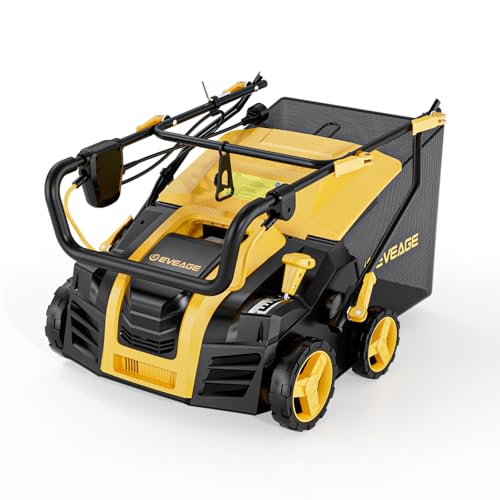
EVEAGE 16-Inch 2-in-1 Dethatcher & Scarifier
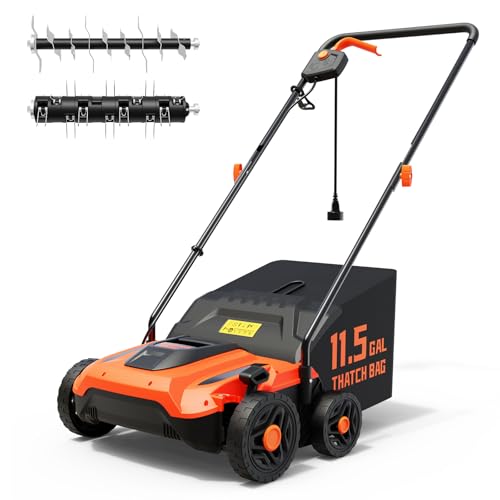
TIECTOWN 14-Inch 2-in-1 Dethatcher & Scarifier, Orange
A Breakdown Of The Leading Choices
A tow-behind dethatcher makes the most sense when your lawn is too large for a handheld machine and you already own a mower capable of pulling the attachment. The Brinly model spans 48 inches, with two rows of independently flexing spring-steel tines that lift accumulated thatch from the grass canopy.
Its all-steel construction gives it a purposeful appearance, while the included safety rod is designed to catch a broken tine before it reaches mower blades. For most large properties, that combination of width, metal construction, and mower compatibility makes this the clear hands-off option.
Notable Upsides
- The 48-inch width reduces passes across large lawns.
- Twenty-four flexible tines lift thatch for later mowing or mulching.
- Steel construction suits frequent seasonal towing.
- In-line 8-inch transport wheels help with leveling and maneuvering.
Practical Considerations
- You need a compatible mower and enough storage space for the 48-inch attachment.
Technical Sheet
Made For
Large-property owners with a compatible mower who want to cover broad lawns with fewer passes.
A Better Fit Elsewhere
The EVEAGE 16-Inch 2-in-1 Dethatcher & Scarifier suits households needing a compact electric machine instead of a mower-mounted attachment.
Depth adjustment is the feature that sets this electric machine apart from a simpler rake-style cleanup tool. Its five-position lever moves scarifying depth from negative 0.47 inches to positive 0.24 inches, while the dethatching range runs from negative 0.32 inches to positive 0.39 inches.
That range lets you respond to grass height, accumulated debris, and seasonal conditions without forcing one setting onto every patch. A separate three-position rod also adjusts to the operator’s height, which matters during repeated passes across uneven ground.
The Good Stuff
- Five working-depth positions support gradual, controlled passes.
- Separate scarifying and dethatching ranges adapt to different tasks.
- The adjustable handle accommodates different operator heights.
- A 16-inch path covers more ground than narrower household units.
Soft Cautions
- Electric operation requires access to a suitable outdoor power source and cord management.
- Adjusting depth and handle height adds setup compared with a fixed basic dethatcher.
Right Fit
Home lawn maintainers who want precise depth control across changing seasonal conditions.
Consider Something Else When
The TIECTOWN 16-Inch 2-in-1 Dethatcher & Scarifier, Green, better serves people who prioritize a large collection bag over the same depth range.
A corded electric dethatcher and scarifier is a practical fit for a conventional suburban lawn where seasonal debris needs clearing without gas-engine maintenance. The Westinghouse uses a 16-inch working path and combines steel tines for lifting thatch with a second lawn-care function.
The collection bag keeps removed material out of the grass, reducing the amount of debris waiting for you to rake. Compared with the 48-inch Brinly tow-behind, this machine offers more accessible storage and handling, though it will require several passes on an expansive property.
Useful Highlights
- Interchangeable functions let you switch between thatch removal and scarifying.
- Steel tines reach into accumulated debris rather than merely skimming the surface.
- The collection bag gathers loosened material during operation.
- Electric power removes fuel handling from routine lawn maintenance.
Points To Note
- You need an outdoor electrical outlet and enough cord length for the lawn’s layout.
- A 16-inch path requires more passes than the Brinly’s 48-inch width.
Who Will Love This
Suburban homeowners who want two maintenance functions in one corded machine and have convenient access to power.
Reach For A Different Pick When
The Brinly 48″ Tow-Behind Dethatcher fits owners of large lawns who already have compatible towing equipment.
This TIECTOWN model combines a 16-inch path with a 14.5-gallon collection bag, giving it a sensible balance for medium and large lawns. The bag holds substantial debris during spring cleanup, while the 15.5-amp peak motor operates at 3,600 RPM for sustained corded work.
Five-position depth control helps you approach the thatch layer without treating every section identically. The manufacturer recommends a heavy-duty outdoor extension cord, using 14 AWG up to 50 feet or 12 AWG up to 100 feet, so cord length belongs in your setup plan.
A Favorable Mix
- The large bag reduces interruptions for emptying debris.
- A 16-inch working path suits medium and large lawns.
- Five depth positions support controlled engagement.
- Peak 15.5-amp operation provides ample power for corded cleanup.
Trade Offs
- The collection bag adds bulk that requires space during use and storage.
- Outdoor cord selection and placement need planning across larger properties.
Feature Overview
Built With In Mind
Seasonal maintainers who want a high-capacity bag and a broad 16-inch cleaning path.
Another Choice May Suit
The EVEAGE 16-Inch 2-in-1 Dethatcher & Scarifier better serves people who prioritize a folding frame for compact storage.
The EVEAGE’s quick-folding frame addresses a problem many electric lawn tools create: where to put the machine after a long seasonal session. Its 16-inch path remains wide enough for medium and large yards, but the foldable structure can make the unit easier to organize in a garage or utility area.
Interchangeable blades support separate dethatching and scarifying passes, while a 14.5-gallon bag collects the loosened material. For a lawn with room for power access and a dry storage location, that combination of capacity and folding convenience is refreshingly practical.
Notable Gains
- The quick-fold frame supports more compact seasonal storage.
- A 16-inch working path covers a generous lawn strip.
- Two interchangeable blades handle different cleanup tasks.
- The 14.5-gallon bag reduces frequent emptying stops.
Small Caveats
- The folding frame does not eliminate the need to store the bag and cord.
- Electric use requires an outdoor outlet and a cord long enough for the work area.
Best Suited To
Homeowners with medium or large lawns who want a wide electric path and a foldable frame for storage.
Where A Sibling Pick Shines
The TIECTOWN 14-Inch 2-in-1 Dethatcher & Scarifier, Orange, offers a narrower path for lawns where maneuverability matters more than coverage.
A 14-inch path makes this TIECTOWN easier to steer through medium lawns, especially around garden beds, trees, and other obstacles. Its 13.5-amp electric motor handles both dethatching and scarifying, while an 11.5-gallon bag collects material during each pass.
Tool-free blade replacement simplifies switching between the two functions, reducing the need for tools during seasonal setup. The five-position depth lever covers a scarifying range of negative 0.47 to positive 0.24 inches and a dethatching range of negative 0.32 to positive 0.39 inches.
Useful Strengths
- The narrower 14-inch path improves maneuverability.
- Tool-free blade replacement speeds function changes.
- Five depth positions support controlled passes.
- The 11.5-gallon bag handles collected lawn debris.
Smaller Limitations
- It takes more passes than the 16-inch electric options.
- Power and cord access remain part of the setup.
Key Product Details
The Right Fit
Homeowners with medium lawns who value maneuverability and quick blade changes over maximum path width.
Swap It Out When
The EVEAGE 16-Inch 2-in-1 Dethatcher & Scarifier suits larger properties where fewer passes and a folding frame take priority.
What Matters Before You Buy
Lawn Size And Towing Setup
A 48-inch tow-behind dethatcher is built for broad acreage and an existing compatible mower. Electric walk-behind models are easier to store but demand more passes as lawn size increases. Measure the lawn first, then account for trees, beds, and other obstacles that reduce straight-line coverage.
Dethatching And Scarifying Roles
Dethatching removes the loose organic layer between grass and soil. Scarifying cuts into the surface to thin that cover and open the soil for later overseeding or improved growing conditions. A 2-in-1 machine saves storage space, though you still need to change blades between tasks.
Depth Controls And Collection
Five-position depth adjustment gives you more control than a fixed setting, especially where grass varies in height. A larger collection bag means fewer stops, but it also takes up more space. Match both features to your lawn and storage area rather than choosing by specification alone.
Power And Handling
Corded models need an outdoor outlet and a cord suitable for the extension distance. Narrower paths turn more readily around landscaping, while wider paths cover lawns in fewer passes. Your mowing habits and typical cleanup route will reveal which tradeoff matters more.
Buying Lessons Before Checkout
Mistakes Worth Dodging
Matching width without checking lawn obstacles can leave you circling the same tight area repeatedly. Do not overlook the power source either, since a long extension cord changes handling around the lawn. Measure storage space with the collection bag attached, and confirm towing compatibility before choosing an attachment.
When Paying More Pays Off
A higher-capacity collection bag reduces interruptions, while additional depth settings make uneven lawns easier to manage. The Brinly earns its place through width and steel construction, not because every lawn needs a tow-behind unit. Pay for the feature that removes a recurring inconvenience in your specific setup.
Frequently Asked Questions for Dethatcher And Scarifier
Do I need a dethatcher and scarifier every year?
Not every lawn needs both treatments annually. Thatch buildup, declining grass growth, and compacted surface conditions can indicate when deeper seasonal work would help.
Should I use a tow-behind or electric model?
A tow-behind model suits large lawns with compatible mowing equipment. An electric walk-behind unit offers easier storage and simpler handling on medium yards with nearby power access.
What does five-position depth adjustment change?
It changes how deeply the tines engage the lawn. Starting with a shallower setting can reduce disruption while you determine the appropriate depth for your grass and debris.
Is a collection bag necessary?
A bag keeps removed debris contained and reduces the cleanup left behind. Open designs can work too, but you will need to gather the material separately afterward.
How often should the lawn be scarified?
Frequency depends on grass type, soil, and visible conditions rather than a fixed calendar. Scarifying is most useful when the surface has become dense and the lawn shows reduced growth.
Final Verdict
The Brinly 48″ Tow-Behind Dethatcher serves large properties with compatible mower equipment, while the electric options make seasonal cleanup easier to approach. Match the machine to your lawn width, storage situation, power access, and preferred level of control. The right fit will feel routine rather than cumbersome once spring cleanup arrives.
