

A patio tomato needs more than garden soil lifted into a pot. Its roots need a growing medium that holds enough moisture for growth without staying saturated, especially when rainfall cannot reach containers beneath an overhang. The right mix also depends on the plant, pot size, and how often you water, making these six options suitable for everything from kitchen herbs to indoor succulents.
The Lineup, Simplified
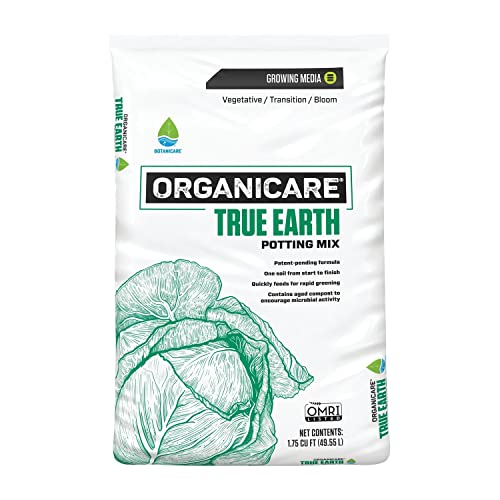
Botanicare Organicare True Earth Potting Mix 1.75 cu. ft.

MUMTOP 1.3 Gal Compost Bin
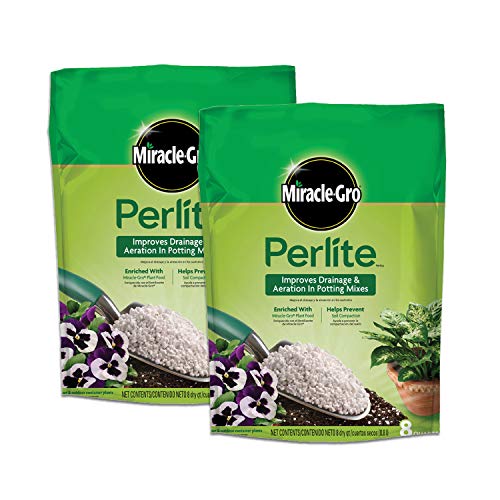
Miracle-Gro Perlite 8 qt. 2-Pack

FoxFarm Happy Frog Potting Soil

Omitgoter Natural Cactus & Succulent Soil 1qt
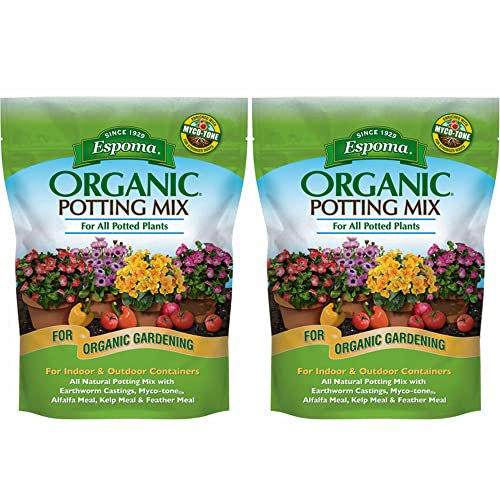
Espoma Organic Potting Soil for Herbs and Vegetables, 8 qt., 2-Pack
A Deeper Look At The Lineup
You get a ready-to-use medium for both indoor and outdoor containers, with a 1.75-cubic-foot bag suited to mixed plantings rather than a single small pot. Aged compost and an initial feeding program support the root zone, which can be useful for herbs, annual flowers, and vegetables that need a dependable start.
Its broad plant range makes it a practical default compared with FoxFarm Happy Frog Potting Soil, whose richer ingredient profile may suit indoor growers. For most container gardens, the honest read is that Botanicare delivers the more straightforward starting point.
Everyday Wins
- You can use the mix from seedling stage through harvest.
- You get organic and natural ingredients in a ready-to-use blend.
- Aged compost supports microbial activity in the growing medium.
- The 22.75-pound bag provides useful volume for multiple containers.
Trade Offs
- The general-purpose formula offers less plant-specific control than a cactus mix or custom perlite blend.
- You still need pots with drainage holes because container soil cannot correct a waterlogged container.
Key Specs
Who It Suits Best
You benefit most from this mix when you want one organic option for vegetables, herbs, flowers, and houseplants in containers.
A Better Fit Elsewhere
Omitgoter Natural Cactus & Succulent Soil 1qt serves you better when drainage for cacti, succulents, palms, or citrus is the deciding factor.
This entry supports the compost side of container gardening rather than serving as a planting medium. It collects fruit peels, vegetable scraps, and coffee grounds in a 1.3-gallon countertop bin, giving you a tidy way to separate food waste from your kitchen routine.
For households without outdoor compost space, that convenience can matter. Compared with the finished potting mixes in this list, though, you still need to move the collected material to a suitable composting system before it becomes useful for container plants.
The Helpful Details
- You get a removable inner bucket for simpler emptying and cleaning.
- The vented lid includes a compartment for replaceable charcoal filters.
- A sturdy metal handle helps you carry scraps outside.
- Its 7-by-6.7-inch footprint keeps the bin compact on a countertop.
Practical Considerations
- You need an outdoor composting destination because this container collects scraps rather than producing finished soil.
- The charcoal filters manage odor but do not change what belongs in the bin.
Built With In Mind
You benefit most from this bin as a home cook who wants a dedicated, compact place to collect daily food scraps.
Consider Something Else When
Botanicare Organicare True Earth Potting Mix 1.75 cu. ft. is the better choice when you need an immediate medium for planting containers.
You get perlite rather than a complete potting mix, which gives you control over the blend already in your pots. Perlite is a lightweight porous amendment that improves aeration and drainage, useful for dense mixes that stay wet longer than you want.
For a standard houseplant, you can mix it evenly with a compatible potting base. Unlike Espoma Organic Potting Soil for Herbs and Vegetables, 8 qt., 2-Pack, this option does not present itself as a standalone planting medium, so your own base mix determines the final result.
What Helps Most
- You can improve drainage without replacing your entire medium.
- The two-pack provides 16 quarts of amendment for multiple containers.
- You can adjust the ratio according to the plant and pot.
Less Ideal Details
- You need a separate potting base for a complete planting mix.
- Perlite cannot compensate for a container that lacks drainage holes.
Quick Facts
The Right Fit
You benefit most from this perlite when you already have a potting base and want to improve its drainage for specific plants.
Another Choice May Suit
FoxFarm Happy Frog Potting Soil suits you better when you want a complete mix rather than an amendment you must blend yourself.
You get a two-cubic-foot potting medium built around earthworm castings, bat guano, and composted forest humus. Beneficial microbes and fungi in the blend help break down organic material, which distinguishes it from a general-purpose mix that relies more heavily on an initial feeding program.
That richer composition makes this a logical choice for dedicated indoor growers, especially in containers where you cannot replenish garden soil naturally. For most patios, Botanicare Organicare True Earth Potting Mix 1.75 cu. ft. may cover the broader range of vegetables and flowers at a more general level.
Noteworthy Benefits
- You get a substantial two-cubic-foot volume for larger containers.
- Microbes and fungi add biological activity to the root zone.
- Earthworm castings, bat guano, and forest humus create a rich ingredient base.
- Two plant tags help you mark varieties after repotting.
Some Limits To Know
- The richer blend offers less direct control than mixing your own ingredients.
- A large two-cubic-foot package needs a dry storage place when partly unused.
Feature Snapshot
Who Will Love This
You benefit most from this blend as an indoor plant grower who values biologically active ingredients and a larger volume of finished mix.
Reach For A Different Pick When
Miracle-Gro Perlite 8 qt. 2-Pack is the better fit when you want to fine-tune drainage in an existing potting base.
You get a one-quart gritty blend designed around the needs of cacti, succulents, palms, and citrus. River sand, lava rock, and vermiculite create larger spaces for water to move through, while peat adds some moisture retention between thorough waterings.
That balance matters on a sunny windowsill or covered patio, where a dense general-purpose mix can remain wet too long. Compared with FoxFarm Happy Frog Potting Soil, this choice is more deliberately mineral-based, although the one-quart size suits smaller repotting jobs rather than filling a crowded bench.
Points In Its Favor
- You get a porous blend suited to plants that prefer quick drainage.
- River sand, lava rock, and vermiculite provide a gritty structure.
- Peat moss gives the mix some capacity to retain moisture between waterings.
- The formula also accommodates container-grown palms and citrus.
Possible Compromises
- The one-quart volume may require several purchases for a large collection.
- The mineral-rich mix may dry faster than a general-purpose blend in a hot location.
Best Suited To
You benefit most from this mix when you container-grow cacti, succulents, palms, or citrus and prioritize drainage.
Where A Sibling Pick Shines
Espoma Organic Potting Soil for Herbs and Vegetables, 8 qt., 2-Pack suits you better for moisture-loving herbs and edible container crops.
You get two eight-quart bags of organic potting medium for indoor and outdoor containers. Its blend combines sphagnum peat moss, humus, and perlite with earthworm castings, alfalfa meal, kelp meal, and feather meal, giving you a finished medium for herbs, vegetables, flowers, and houseplants.
The two-bag format offers practical volume for a kitchen garden or several large patio pots. Compared with Botanicare Organicare True Earth Potting Mix 1.75 cu. ft., this option supplies more material, while its specific ingredient list gives you another route to an organic-style blend.
Useful Highlights
- You receive two eight-quart bags for separate indoor and outdoor containers.
- The mix suits herbs, vegetables, flowers, and other container plants.
- Peat moss and humus support moisture retention in pots.
- Perlite adds pore space alongside the organic ingredients.
Details To Watch
- You need a storage area for 16 quarts of potting material.
- The general blend does not provide the mineral structure of a cactus and succulent mix.
Core Details
Made For
You benefit most from this two-pack when you want flexible volume for kitchen herbs, patio vegetables, flowers, or houseplants.
Swap It Out When
Omitgoter Natural Cactus & Succulent Soil 1qt fits you better for dry-loving plants that need a fast-draining, gritty medium.
Build Your Container Mix With Purpose
Match The Mix To The Plant
You need different growing conditions for basil, ferns, citrus, and cacti. A general organic blend suits many herbs, vegetables, flowers, and foliage plants, while a cactus and succulent mix offers a faster-draining structure for plants adapted to dry conditions. Read the intended plants before choosing by bag size alone.
Check Drainage Before Volume
Drainage holes matter as much as the medium itself. Perlite can improve pore space in a dense mix, but it cannot prevent standing water in a solid-bottom pot. Match the container material and size to the plant, and avoid choosing a large volume that you cannot store in a dry, cool location.
Read The Bag For Use
You should check whether the product is a complete potting medium or an additive. A ready-to-use mix can be placed directly into a container, while perlite must be blended with a compatible base. Organic and natural ingredient language helps describe composition, but you still need to assess drainage, plant needs, and watering frequency.
Two Details That Change Your Choice
Common Shopping Slip Ups
You can miss the practical distinction between a complete mix and a soil amendment. Choosing perlite as your only growing medium leaves you without the components needed to support roots. A much larger bag also adds no value when your containers, storage area, and watering routine are small.
What The Higher Tier Buys
You may pay more for a higher-tier mix because it includes additional organic materials, biological content, or a larger package. That approach can suit indoor growers who value a complete blend, while a simple general-purpose mix or measured amendment may make more sense for a small garden.
Frequently Asked Questions
What Is The Best Container Soil For Most Plants?
A balanced organic potting mix works for many herbs, vegetables, flowers, and foliage plants. Cacti, succulents, and other dry-loving plants benefit more from a fast-draining, mineral-rich medium.
Do All Container Soils Work For Indoor And Outdoor Pots?
Many general-purpose mixes support both indoor and outdoor containers, but you still need to account for changing light, rain, and temperature. Plants with specialized needs call for a more specific blend.
Is Perlite A Complete Potting Mix?
No, perlite is a lightweight amendment used to improve aeration and drainage. You normally blend it with a suitable potting base rather than using it alone.
Should Container Soil Contain Compost?
Compost can add organic matter and support microbial activity, but its presence alone does not determine drainage. You also need to consider the structure and porosity of the remaining ingredients.
How Much Container Soil Do I Need?
You need enough mix to fill the container around the root system while leaving appropriate drainage space. Larger plants and deeper pots require more soil, while a cactus in a small pot needs only a modest amount.
Final Verdict
The most useful container soil is the one matched to the plant, pot, and watering routine. Botanicare offers a broad starting point, Espoma supplies generous two-bag volume, and FoxFarm serves ingredient-focused indoor growers. Choose a specialized mix for cacti and succulents, keep perlite for custom blends, and use the MUMTOP bin as a practical companion for collecting compost material.
