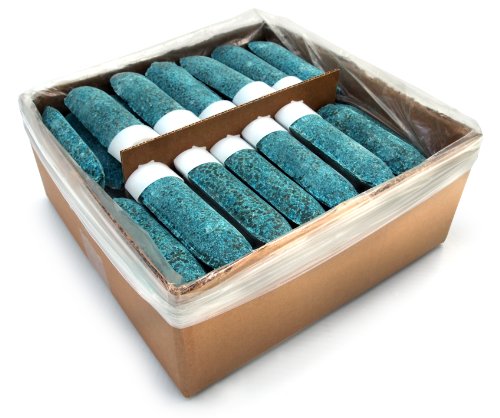
A garden rarely contains just one kind of plant. Your patio may hold herbs in pots, your yard may include flowering shrubs, and your windowsill may contain a few hungry houseplants. These six fertilizers offer different ways to feed them, from balanced dry nutrients to concentrated liquid food and targeted spike formulas.
A mixed collection of houseplants and garden plants needs a straightforward feeding option that does not require a separate product for every pot. Maxsea uses a 16-16-16 ratio, meaning nitrogen, phosphorus, and potassium are present in equal proportions, with each representing 16 percent of the listed formula.
The 1.5-pound package is compact enough for a modest shelf and serves as a practical choice for home gardeners feeding several types of plants. Compared with the 4-pound IV Organic blend, it takes less storage space, though the larger container may be more convenient for extensive feeding routines.
What Earns Its Place
✓The equal N-P-K ratio provides a straightforward balance for mixed plant collections.
✓One formula can serve multiple indoor and outdoor planting areas.
✓The smaller package fits neatly into limited storage spaces.
Things To Consider
•This balanced formula may not match the specialized ratios offered by the plant-specific spikes.
•The 1.5-pound size may require more frequent package replacement than a larger container.
At A Glance
Feature
Specification
Why It Matters
Nutrient ratio
16-16-16
Provides equal listed proportions of nitrogen, phosphorus, and potassium.
Package size
1.5 lb
Offers a compact option for smaller feeding routines.
Plant coverage
All-purpose use
Suits mixed plant collections rather than one specialized plant group.
Right Fit For
This formula fits beginners and home gardeners maintaining a manageable mix of houseplants, flowers, or garden plants.
A Better Fit Elsewhere
Watch Us Grow Concentrate is the stronger fit for gardeners who want one liquid formula to dilute for a wide range of indoor and outdoor plants.
A balcony garden that contains herbs, flowers, shrubs, and potted foliage can be fed from one container. Watch Us Grow Concentrate is a liquid fertilizer that becomes ready to use after dilution, and one gallon can make up to 256 gallons of plant food according to its listed mixing potential.
Its broader use across indoor and outdoor plants makes it the most flexible option here, although a liquid routine requires mixing and application. For a large or varied garden, that convenience may outweigh the extra handling associated with concentrated plant food.
Real Benefits
✓The one-gallon concentrate produces up to 256 gallons of ready-to-use plant food.
✓One liquid formula works for fruits, vegetables, flowers, lawns, trees, and shrubs.
✓Dilution makes the amount applied easier to adjust across differently sized containers.
✓The manufacturer states that it will not burn plants when used as directed.
Trade Offs
•Mixing and measuring add steps that dry fertilizer does not require.
•Concentrated plant food needs secure, clearly labeled storage away from children and pets.
Quick Facts
Feature
Specification
Why It Matters
Container size
1 gallon
Provides a concentrated quantity for repeated dilution.
Diluted yield
Up to 256 gallons
Supports frequent use across numerous plants.
Application interval
Every 7 to 14 days
Provides a stated feeding rhythm for regular maintenance.
Plant coverage
Indoor and outdoor plants
Reduces the need for separate liquid products.
Made For
This concentrate fits gardeners with many plant types who value a single feeding routine and have somewhere to mix and store liquids safely.
Consider Something Else When
IV Organic All Purpose better fits gardeners seeking a broad dry blend that includes primary and secondary nutrients in one package.
Feeding a row of arborvitae or a grouping of evergreen shrubs calls for a more targeted ratio than a general-purpose blend. Winchester Evergreen Fertilizer Spikes use a 12-10-10 formula and are intended specifically for evergreen trees and shrubs.
Each spike is pressed into the soil near a plant, reducing the loose material and runoff associated with some top-dressed fertilizers. The slow-release nitrogen is designed for spring and fall feeding, which makes the spikes useful for maintaining established evergreens through the main growing seasons.
Strengths Worth Knowing
✓The 12-10-10 ratio targets the needs of evergreen trees and shrubs.
✓Slow-release nitrogen supports an extended feeding period.
✓Spike placement avoids loose fertilizer and the runoff it can create.
✓Child and pet-friendly positioning suits gardens where people and animals share the space.
Points To Note
•Spikes need to be positioned in the soil around each target plant, so access beneath dense branches matters.
•This formula is specialized for evergreens rather than mixed beds containing vegetables or flowering perennials.
Who It Suits Best
These spikes suit gardeners maintaining established evergreens who prefer targeted soil placement over general-purpose top feeding.
Where Another Pick Suits Better
Winchester Tree & Shrub Spikes offer a better fit for deciduous trees and mixed shrubs that need broader 15-10-10 nutrition.
A fruit tree, a rose bed, and several houseplants create a demanding feeding list, yet using a separate formula for each group quickly becomes cumbersome. IV Organic All Purpose takes a broader approach with primary nutrients, including nitrogen, phosphorus, and potassium, plus the secondary nutrients calcium, magnesium, and sulfur.
The 4-pound package gives this option a different role from the smaller Maxsea container. Its broad plant coverage makes it a natural choice for mixed gardens, while the inclusion of secondary nutrients sets it apart from formulas that list only the familiar N-P-K trio.
A Few Highlights
✓Primary and secondary nutrients are included in the formula.
✓The stated coverage includes fruit trees, vegetables, roses, ornamentals, shrubs, and potted plants.
✓A 4-pound package offers more product than the 1.5-pound Maxsea option.
Small Caveats
•The larger container requires enough dry storage space to keep it accessible and contained.
•A broad nutrient profile is less focused than the specialized ratios in the evergreen and fruit-tree spikes.
Built With In Mind
This blend fits organic-minded gardeners who feed several plant categories and want secondary nutrients included alongside N-P-K.
Not Your Match When
Watch Us Grow Concentrate suits gardeners who would rather dilute one liquid formula on a 7-to-14-day schedule than handle a dry blend.
A newly planted shade tree and several ornamental shrubs need nutrients in different places around their root zones. Winchester Tree and Shrub Fertilizer Spikes place measured nutrition directly into the soil, and their 15-10-10 ratio carries a higher nitrogen proportion than the evergreen and fruit formulas.
Unlike the evergreen spikes, these are not limited to conifers, and unlike the fruit-tree spikes, they do not pursue the potassium-heavy 8-18-18 profile. For most backyards with mixed woody plants, that broader tree-and-shrub focus is the useful middle ground.
Practical Advantages
✓The formula supports overall nutrition for trees and shrubs.
✓Pre-measured spikes simplify application around multiple woody plants.
✓Even dissolving is designed to provide continuous nourishment.
✓The 70-spike case supports repeated use across a landscaped area.
Where It May Fall Short
•The formula is less suitable for fruit production than the potassium-focused fruit and citrus spikes.
•You must reach the soil around each plant to place the spikes correctly.
Whose Shelf It Belongs On
This case fits landscapers and homeowners caring for established deciduous trees, ornamental trees, and mixed shrubs.
Reach For A Different Pick When
Winchester Fruit Citrus Spikes are the better fit for fruit trees and citrus plants that receive a more potassium-focused 8-18-18 formula.
Fruit trees and citrus shrubs have different priorities from evergreen ornamentals, particularly when potassium, the nutrient represented by the third number, is higher. Winchester Fruit Citrus Spikes use an 8-18-18 ratio, placing less emphasis on nitrogen and more on phosphorus and potassium than the other spike choices.
The slow-release design delivers nutrients over time, while pre-measured placement removes the guesswork of measuring loose material around each trunk. In a warm climate, where citrus and fruit trees may occupy several planting areas, the 70-spike case is a practical format for routine upkeep.
What Helps Most
✓The 8-18-18 ratio is formulated specifically for fruit and citrus plants.
✓Slow release supports an extended supply of nutrients over time.
✓Pre-measured spikes reduce loose material and associated runoff.
Possible Compromises
•The specialized ratio is not the best match for a mixed bed of general ornamental plants.
•Placement still requires working around each tree or shrub where the soil is accessible.
Feature Snapshot
Feature
Specification
Why It Matters
Nutrient ratio
8-18-18
Provides a potassium-forward profile for fruit and citrus plants.
Count
70 spikes
Covers repeated applications across several plants.
Application format
Pre-measured spikes
Places a measured amount directly into the soil.
Best Suited To
These spikes suit home orchard and citrus gardeners who want a dedicated fertilizer formula for fruit-bearing plants.
Another Choice May Suit
IV Organic All Purpose fits mixed gardens where one broad formula needs to serve fruit trees, vegetables, roses, ornamentals, and potted plants together.
## Matching Fertilizer to Your Planting Priorities
### Choose the format around the plants
Dry fertilizer suits gardeners who want a straightforward product for top-feeding mixed areas. Concentrated liquid food offers adjustable dilution and can serve numerous plant types, while spikes place measured nutrition close to the roots of trees and shrubs.
### Read the nutrient ratio first
N-P-K describes the relative proportions of nitrogen, phosphorus, and potassium. Balanced formulas such as 16-16-16 suit general feeding, while the 12-10-10, 15-10-9, and 8-18-18 spike formulas place greater emphasis on different nutrients for specific plant groups.
### Match the formula to the planting job
Evergreens need a formula made for them, fruit and citrus plants call for a more potassium-forward ratio, and mixed beds benefit from a broad blend. Your watering habits also matter, since liquid fertilizer requires dilution while spikes depend on proper soil placement.
### Account for storage and handling
A one-gallon liquid concentrate needs dedicated mixing and storage space. Dry blends require a dry place with enough shelf capacity, and spike cases are convenient to store but still need a way to reach the soil around established plants.
## Fertilizer Choices Worth Checking Carefully
### Mistakes Worth Dodging
Choosing by the word “all-purpose” alone can leave a specialized tree or fruit plant on the wrong nutrient ratio. Match the product to the plant group, follow the labeled application rate, and avoid combining multiple fertilizers unless the directions specifically allow it.
### What Separates Premium From Basic
Higher-cost options may add nutrient variety, a larger container, concentrated mixing capacity, or targeted release profiles. The upgrade makes sense when those features match your plant mix and routine; otherwise, a simpler balanced formula can cover the same practical need.
## Frequently Asked Questions
### What Is the Best All Purpose Fertilizer for Mixed Plants?
Watch Us Grow Concentrate is a strong fit for mixed indoor and outdoor plants because one diluted formula can serve fruits, vegetables, flowers, lawns, trees, and shrubs. IV Organic All Purpose is a better dry option when primary and secondary nutrients matter most to your routine.
### Are Fertilizer Spikes Better Than Dry Fertilizer?
Fertilizer spikes are convenient for trees and shrubs because each measured spike can be placed near the root zone. Dry fertilizer spreads more readily across annual beds and container plants, so plant type and application access determine which format makes more sense.
### What Does 16-16-16 Mean in Fertilizer?
A 16-16-16 fertilizer lists equal proportions of nitrogen, phosphorus, and potassium. It provides a balanced nutrient ratio for general plant feeding, although plants with specialized requirements may benefit from a different formula.
### How Often Can You Use Liquid Plant Food?
Watch Us Grow Concentrate is labeled for feeding every 7 to 14 days. Follow its dilution and application directions, since plant type, growing conditions, and soil can affect the appropriate schedule.
### Do You Need Different Fertilizer for Fruit Trees?
A dedicated fruit-tree formula can provide a nutrient ratio tailored to fruit and citrus plants. Winchester Fruit Citrus Spikes use 8-18-18, while the broader IV Organic All Purpose blend can suit a garden containing several plant categories.
## Final Verdict
The most useful choice depends on your planting mix. Watch Us Grow Concentrate offers the broadest liquid coverage, IV Organic All Purpose covers many plant types with a broad dry blend, and the three Winchester spike formulas narrow the focus for evergreens, general shrubs, and fruit-bearing plants. Match the format and nutrient ratio to the plants you actually maintain, then follow the application directions carefully.