

A balanced 20-20-20 fertilizer can simplify feeding for houseplants, vegetables, flowers, and lawns, but the right package depends on where you use it. You may prefer orchid-specific nutrients, a concentrated formula for hydroponics, or a soil amendment for acid-loving plants. Match the nutrient ratio, application method, and container size to your growing routine.
The Main Contenders

GARDENWISE 20-20-20 Water-Soluble Fertilizer for Plants, 4 Quarts
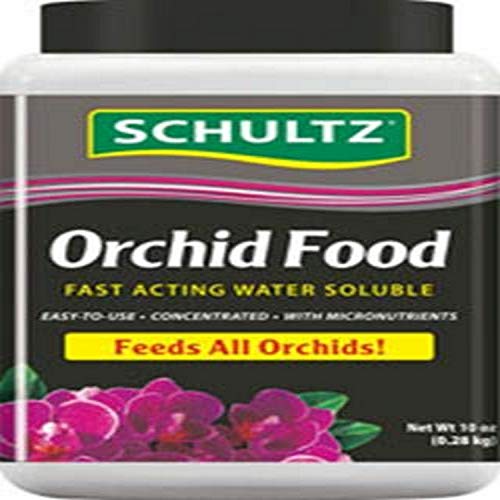
Schultz Orchid Food 20-20-15, 10 oz

PowerGrow MASTERBLEND 20-20-20, 1 lb

Lancaster 90% Elemental Sulfur Fertilizer Soil Amendment, 20-Pound

GARDENWISE 20-20-20 Water-Soluble Fertilizer for Plants, 1/2-Quart

GARDENWISE 20-20-20 Water-Soluble Fertilizer for Plants, 1 Quart
Inside Each Recommended Option
A mixed collection of foliage plants, tomatoes, roses, and lawn grass can make separate feeding products inconvenient. GARDENWISE 20-20-20 uses equal nitrogen, phosphorus, and potassium in a powder that dissolves in water, giving you one product for several parts of the home or garden.
The 4-quart container carries more weight than the smaller Gardenwise options, so it suits households that feed regularly. The honest read is that its general-purpose balance is useful for routine maintenance, though orchids may receive better-targeted nutrition from a dedicated formula.
Advantages To Know
- The equal-part N-P-K formula supports foliage, roots, flowers, and fruit-bearing plants without separate nutrient products.
- Water solubility makes measured liquid feeding convenient for containers, raised beds, and indoor plants.
- Specific dilution guidance covers indoor plants, outdoor plants, and lawns.
- The 4-quart size suits regular use across several plant groups.
Trade Offs
- A general formula may be less precise for plants with specialized nutrient requirements.
- The powder must be stored dry and measured accurately during each application.
Quick Facts
Made For
You benefit most when you maintain indoor plants, flowers, vegetables, and lawn areas with one balanced feed.
Another Choice May Suit
Schultz Orchid Food 20-20-15, 10 oz serves orchid collections that need a lower-potassium, crop-specific formula.
Orchids occupy a narrow shelf, yet their root systems and flowering cycle can demand consistent feeding. Schultz Orchid Food uses a 20-20-15 ratio, with slightly less potassium than a standard 20-20-20 blend, plus micronutrients that are small in quantity but important to plant nutrition.
The water-soluble powder works with indoor or outdoor orchids and different potting mixes. You may find the 10-ounce container especially convenient for a small collection, although gardeners tending a greenhouse would move through it faster.
Key Advantages
- The orchid-specific 20-20-15 ratio gives flowering plants a more focused nutrient profile than an all-purpose feed.
- Included micronutrients support foliage and root development alongside the primary nutrients.
- Water solubility and clear application steps simplify routine feeding for beginners and experienced growers.
Small Caveats
- This formula is tailored to orchids, so it does not replace a balanced lawn or vegetable fertilizer.
At A Glance
Who It Suits Best
You benefit most as an indoor orchid grower who wants a dedicated feed for weekly or monthly watering routines.
Look Elsewhere When
GARDENWISE 20-20-20 Water-Soluble Fertilizer for Plants, 4 Quarts better serves mixed beds, lawns, and non-orchid houseplants.
A hydroponic setup already relies on measured nutrient solutions, and this concentrated formula fits that kind of control. Two teaspoons per gallon create the base feeding solution, while the single-part design removes the need to combine several additives for a standard 20-20-20 mix.
The same simplicity carries into soil gardens, where the fertilizer dissolves completely. Compared with Gardenwise’s broad indoor-and-outdoor directions, MASTERBLEND presents a more concentrated routine built around precise dilution, which may suit growers with established feeding systems.
Practical Pluses
- Full water solubility supports consistent mixing in irrigation and watering routines.
- Two teaspoons per gallon simplify concentration calculations for each prepared batch.
- The single-part formula reduces the number of separate nutrient products to manage.
- Its compatibility with hydroponic and soil cultivation broadens its usefulness.
Points To Note
- The strong concentration requires accurate measuring and careful dilution.
- The 1-pound bag may refill more often for a large greenhouse or garden.
Built With In Mind
You benefit most when you maintain hydroponic systems or already prepare measured nutrient solutions for soil-grown plants.
Reach For A Different Pick When
GARDENWISE 20-20-20 Water-Soluble Fertilizer for Plants, 1/2-Quart is easier to store and use for a small collection of houseplants.
Some garden beds need their soil chemistry adjusted rather than another dose of equal N-P-K nutrients. Lancaster’s 90% elemental sulfur is a soil amendment associated with acidic-soil needs, including hydrangeas and blueberries, rather than a standard 20-20-20 feed.
The 20-pound package suits established beds, lawn care, and seasonal soil work where larger quantities are practical. In a small patio garden, carrying and storing that much material may be less convenient than choosing a product formulated directly for balanced plant nutrition.
What Pays Off
- Elemental sulfur targets soil acidification instead of supplying equal nitrogen, phosphorus, and potassium.
- The large package suits garden, lawn, and soil-management projects requiring more material.
Where It Is Less Suited
- It is not a 20-20-20 formula and does not replace balanced plant food.
- The 20-pound size can be excessive for containers or compact patio spaces.
- Its strongest fit depends on soil needs rather than routine foliar or liquid feeding.
Feature Snapshot
The Right Fit
You benefit most when maintaining acid-loving plants and managing soil that requires acidification.
Swap It Out When
PowerGrow MASTERBLEND 20-20-20, 1 lb is the better fit for routine balanced feeding in hydroponic or soil gardens.
A half-quart container is easier to place beside a watering can or fit into a compact utility cupboard. This Gardenwise version carries the same equal-part 20-20-20 concept in a 1-pound package, making it a practical choice for a small group of houseplants or seed-starting trays.
The powder dissolves in water for liquid feeding, so you do not need a separate watering system. Compared with the 4-quart Gardenwise package, its limitation appears in refill frequency, especially for a gardener tending vegetables, flowers, and lawn areas through the season.
Positive Points
- The compact container saves shelf and cupboard space while providing balanced nutrients.
- Water-soluble powder makes the formula convenient for regular indoor plant watering.
Some Limits To Know
- The 1-pound supply may run short with frequent outdoor or lawn feeding.
- It does not offer the crop-specific nutrient profile of a dedicated orchid food.
Small Space Pick
You benefit most with a small apartment collection, seed starts, or a limited number of container plants.
Consider Something Else When
GARDENWISE 20-20-20 Water-Soluble Fertilizer for Plants, 1 Quart better serves a mixed collection that needs more frequent refills.
The 1-quart size occupies the useful middle ground between Gardenwise’s 1-pound and 8-pound packages. It suits apartments with several plants, balcony containers, and home gardens that need balanced nutrients without committing to a large lawn-and-garden supply.
You still get the familiar 20-20-20 ratio in dissolving powder, which supports foliage, roots, flowers, and vegetable production. The trade-off appears with extensive lawn care, where the larger 4-quart option may reduce how often you open and measure from the container.
Reasons It Performs
- The 2-pound package offers a practical balance of capacity and storage convenience.
- Equal N-P-K nutrition supports a broad range of indoor and outdoor flowering or edible plants.
Practical Considerations
- Large lawns and gardens may require a greater volume than this container holds.
Whose Shelf It Belongs On
You benefit most with a mixed collection of container plants, balcony vegetables, and flowering plants.
Where A Sibling Pick Shines
GARDENWISE 20-20-20 Water-Soluble Fertilizer for Plants, 4 Quarts better fits households that feed lawns and multiple outdoor beds regularly.
Matching Formula, Plants, and Package Size
Read the N-P-K ratio
A 20-20-20 formula contains equal proportions of nitrogen, phosphorus, and potassium. Nitrogen supports leafy growth, phosphorus supports roots and flowers, and potassium contributes to general vigor and fruit production. A different ratio, such as 20-20-15, may suit a specific crop more closely.
Match the formula to the plant
Broad feeding suits many ornamental and edible plants, but dedicated products can reflect a plant’s particular needs. Orchids benefit from formulas designed around their growing conditions, while elemental sulfur addresses soil chemistry rather than routine nutrition. Check the label against the plants in your care plan.
Compare application formats
Water-soluble powder dissolves into a measured watering solution, which suits hand watering and controlled irrigation. Its usefulness depends on accurate dilution and dry storage. A concentrated hydroponic formula may also dissolve completely, but its stated dosage remains the controlling factor.
Account for refill frequency
Package size should match how often you feed and how much storage space you have. A compact half-quart package is convenient for a few houseplants, while a larger container may make sense for mixed gardens or lawns. Choose the size that reduces refills without creating unnecessary storage clutter.
Two Details That Change the Purchase
Common Shopping Slip Ups
A balanced label does not guarantee that every plant needs the same nutrients. Check the formula, crop suitability, and dilution directions before mixing. Also consider dry storage and measuring tools, since water-soluble powder becomes less convenient without an accurate way to measure each batch.
Where The Extra Money Goes
Larger packages usually cost more because they contain more material, not because the fertilizer mix becomes fundamentally different. Specialty formulas can also cost more because their nutrient profile is tailored. The extra expense matters most when regular feeding, specialized plants, or fewer refills justify the added capacity.
Frequently Asked Questions for 20 20 20 Fertilizer
What does 20-20-20 fertilizer contain?
A 20-20-20 fertilizer contains equal parts nitrogen, phosphorus, and potassium. It provides a general-purpose nutrient balance for many plants.
Can you use 20-20-20 fertilizer on houseplants?
You can use it on many houseplants by following the recommended dilution for indoor plants. Plants with specialized nutrient needs may benefit from a more targeted formula.
Is 20-20-20 fertilizer suitable for orchids?
General-purpose 20-20-20 can feed orchids, though a dedicated 20-20-15 orchid formula offers a more tailored nutrient balance. Match the product to your growing routine and follow its directions.
Can 20-20-20 fertilizer be used on lawns?
Yes, water-soluble 20-20-20 is labeled for lawn use in the featured Gardenwise options. Apply the lawn-specific dilution and account for the amount of grass you plan to treat.
How does water-soluble fertilizer differ from granular fertilizer?
Water-soluble fertilizer dissolves into water for application through watering. Granular fertilizer is spread across the soil, and its nutrient-release behavior differs.
Closing Remarks
Your best match depends on the plants, not the numbers alone. Choose a broad Gardenwise package for mixed routine care, Schultz for orchids, MASTERBLEND for measured hydroponic feeding, and elemental sulfur for acidifying soil. Match the ratio to the crop and the package to your storage and refill needs.
