

A 16-4-8 fertilizer can support lawn color, root development, and resilience across warm- and cool-season grass. The right formula depends on your soil drainage, plant type, and preferred application method, from a liquid lawn-food bundle to slow-release granules for mixed garden beds. These six options cover distinct lawn and planting needs.
Your Options, Compared

Simple Lawn Solutions 16-4-8 Fertilizer and Soil Loosener

Prorganics Bonsai 16-4-8

Yard Mastery GreenePunch 18-0-1 Liquid Fertilizer, 2 Gallons
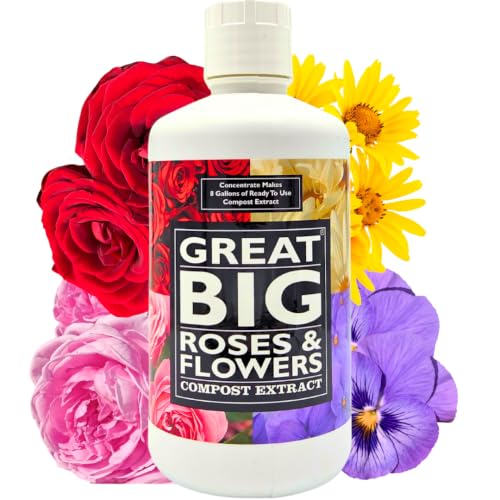
Great Big Roses 32 Ounce Booster
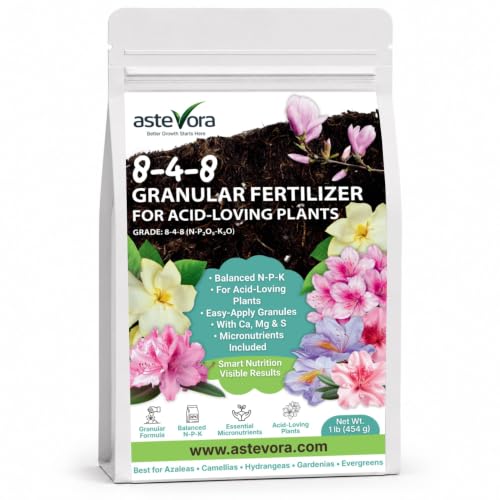
GARDENWISE 8-4-8 Acidic Plant Fertilizer, 1/2 Quart

GARDENWISE 10-10-10 Slow-Release Fertilizer, 1/2 Quart
Meet The Standout Selections
Water collecting in low spots can be a bigger obstacle than sparse grass, especially where foot traffic has compacted the soil. This bundle pairs a liquid 16-4-8 lawn food with a separate soil loosener designed to improve water penetration and vertical drainage, which is the movement of water downward through compacted soil.
The NPK numbers represent the percentage of nitrogen, phosphorus, and potassium. Its 16% nitrogen supports green leaf growth, 4% phosphorus supports roots and early development, and 8% potassium contributes to tolerance of heat and dry conditions. For most backyards with compacted turf, the combination addresses feeding and drainage in one lawn-care plan.
Positive Takeaways
- The one-gallon fertilizer bottle provides a practical lawn-feeding quantity.
- The 32-ounce soil loosener covers up to 32,000 square feet.
- The formula supports green color, root development, and environmental stress tolerance.
- It suits warm- and cool-season grasses, including Bermuda, St. Augustine, Zoysia, fescue, and Kentucky bluegrass.
- Separating fertilizer and soil treatment gives you control over each application.
Things To Consider
- You need two products and two application steps, which takes more planning than a single granular feed.
- Persistent standing water may point to grading or drainage issues that fertilizer cannot correct.
Quick Facts
Made For
Home lawn caretakers dealing with compacted soil, standing water, and the need for balanced turf nutrition.
Where Another Pick Shines
Yard Mastery GreenePunch 18-0-1 serves large lawns that prioritize rapid nitrogen-driven green-up over a 16-4-8 nutrient balance.
A bonsai tree occupies a small pot, so its feeding needs and application scale differ from those of a lawn. Prorganics removes that guesswork with a fertilizer formulated for bonsai and a 16-4-8 ratio, giving you a dedicated option rather than a general turf product used at uncertain concentrations.
The listing identifies a six-month nutrient supply, which is useful for planning a routine around the tree’s growing season. Nitrogen supports foliage, phosphorus contributes to root and early growth, and potassium assists general stress tolerance. In many homes, the specialized purpose makes this a cleaner decision than adapting lawn fertilizer for a prized bonsai.
What Pays Off
- The bonsai-specific focus avoids relying on lawn directions around delicate container trees.
- The 16-4-8 formula supports foliage, roots, and stress tolerance in one product.
Points To Note
- Its bonsai focus makes it unsuitable as a general lawn or flower-bed treatment.
- Confirm the label directions before mixing or applying it, since application details determine plant safety.
Right Fit For
Bonsai growers seeking a dedicated 16-4-8 fertilizer for container trees maintained indoors or on a patio.
Another Choice May Suit
Simple Lawn Solutions 16-4-8 Fertilizer and Soil Loosener is the better fit for an outdoor lawn with drainage concerns.
Cool-season grass can lose its color quickly as temperatures shift, and many lawn caretakers respond with a nitrogen-led treatment. GreenePunch takes a different approach from the 16-4-8 bundle: its 18-0-1 ratio concentrates on nitrogen for visible green-up rather than distributing nutrients equally.
Sea kelp and humic acid round out the formula. Humic acid is an organic soil component associated with nutrient movement and soil structure, while sea kelp contributes a broader conditioning element. The two-gallon pack covers up to 16,000 square feet, and liquid application through a sprayer or hose-end makes it practical for sizable properties.
The Value In It
- The 18% nitrogen targets quick green color across cool- and warm-season lawns.
- One application is described as feeding turf for four to six weeks.
- Sea kelp and humic acid complement the fertilizer with soil-focused ingredients.
- The two-gallon size covers up to 16,000 square feet when used at the stated rate.
- No watering-in is required, simplifying the application routine.
Trade Offs
- Its 18-0-1 profile does not provide the balanced phosphorus and potassium levels of a 16-4-8 formula.
- You need a compatible sprayer or hose-end applicator for even liquid distribution.
Feature Snapshot
Who Will Love This
Lawn caretakers managing larger properties who want rapid color and sustained feeding from a liquid application.
Swap It Out When
Prorganics Bonsai 16-4-8 is more appropriate for a container bonsai that needs a dedicated plant-specific formula.
Rose beds often receive fertilizer before planting, but the soil around established roots may still need help making those nutrients available. This booster is positioned for rose bushes, hydrangeas, citrus trees, and garden plants, taking a root-zone approach rather than treating it as a general-purpose lawn feed.
Its stated purpose is to activate nutrients in existing garden soil and amplify fertilizer already present. That makes the product more relevant for a maintained rose garden than for a neglected lawn with no established feeding routine. The 32-ounce bottle also provides a manageable quantity for a dedicated flower bed.
Useful Strengths
- Targets the root zone where planted roses and flowers access soil nutrients.
- Works alongside an existing fertilizer routine rather than replacing that routine.
- Its 32-ounce container suits a concentrated rose or flower-garden application.
- It can also support hydrangeas, citrus trees, and mixed garden plants.
Worth Noting
- This is a garden booster, not the broad 16-4-8 lawn formula included in the first selection.
- Its usefulness depends on an established soil and fertilizer program, so container or new-bed setup may need more.
Made For
Rose and flower-garden caretakers who already use fertilizer and want to support nutrient availability around planted roots.
Look Elsewhere When
GARDENWISE 8-4-8 Acidic Plant Fertilizer is the stronger fit for a bed centered on azaleas, camellias, blueberries, or other acid-loving plants.
Azaleas, camellias, and blueberries have different soil preferences from many ornamental shrubs, and ordinary garden food may not match their needs. This 8-4-8 acidic fertilizer narrows the formula toward plants that thrive in lower-pH soil, with magnesium, iron, and manganese included for broader nutritional support.
Chlorosis, or yellowing linked to inadequate nutrient availability, is one condition these micronutrients are intended to address. The plant list also includes hydrangeas, gardenias, magnolias, evergreens, and rhododendrons. For a dedicated bed of these species, the half-quart container offers more targeted nutrition than a general 10-10-10 blend.
The Case For It
- The acidic profile directly matches the preferred soil environment of the listed plants.
- Magnesium, iron, and manganese support plants showing signs of nutrient-related yellowing.
- The 8-4-8 ratio balances growth, root support, and stress tolerance.
- It suits mixed acid-loving beds containing flowers, shrubs, and blueberries.
Trade Offs
- It is a specialized plant food rather than a suitable lawn treatment.
- At half a quart, you may need several containers for a large, densely planted bed.
Technical Highlights
Who Should Grab It
Home gardeners maintaining azaleas, blueberries, camellias, hydrangeas, or other plants suited to acidic soil.
Consider Something Else When
GARDENWISE 10-10-10 Slow-Release Fertilizer fits mixed beds containing vegetables, fruit trees, roses, and flowers without a shared acidity requirement.
A mixed garden rarely contains only one type of plant, and that can make a specialized fertilizer less convenient. The equal 10-10-10 ratio provides 10% nitrogen, 10% phosphorus, and 10% potassium, giving vegetables, fruit trees, shrubs, flowers, and lawn areas a more neutral nutrient foundation.
Slow release means the nutrients are intended to become available gradually rather than all at once, which suits gardeners who want steadier feeding across the outdoor season. The formula is also presented for potted and indoor plants. Its half-quart container is modest, so the planting area and application rate matter more here than they would with a bulk bag.
Bright Spots
- The equal NPK formula works across widely mixed plant collections.
- Slow release supports gradual feeding for outdoor gardens.
- It suits vegetables, tomatoes, shrubs, roses, flowers, fruit, fig trees, and arborvitae.
- The formula is also appropriate for potted and indoor plants.
Practical Considerations
- The half-quart size may be insufficient for a large vegetable plot or orchard.
- Equal nutrient percentages make it less targeted for specialized soil or plant requirements.
Core Details
The Right Fit
Gardeners tending mixed beds, containers, or compact food gardens that value one balanced formula for many plant types.
Reach For A Different Pick When
Great Big Roses 32 Ounce Booster is more focused for established rose beds that already have a fertilizer program in place.
How to Match Fertilizer to Your Planting Plan
Read the NPK Numbers
The first number represents nitrogen, the second phosphorus, and the third potassium. A 16-4-8 formula emphasizes green growth and root support while adding potassium for stress tolerance. A 10-10-10 product distributes the three nutrients evenly, making it easier to manage across mixed plants.
Match the Formula to the Plant
Lawn care calls for a formula suited to your grass type and soil conditions. Roses and flowers may benefit from a dedicated root-zone booster, while azaleas, camellias, and blueberries call for acidic plant food. Check the listed plants before making a purchase, and avoid treating a lawn formula as interchangeable with container-tree nutrition.
Consider Liquid and Granular Formats
Liquid products offer straightforward coverage and can reach grass blades quickly, but they require controlled application equipment. Granular slow-release fertilizer suits broader garden use and provides gradual feeding, yet application rate and container size determine whether the quantity will cover your space. Soil loosener is a separate function from feeding, especially where standing water suggests compaction.
Before You Put It on the Lawn
Mistakes Worth Dodging
Choosing by NPK ratio alone can leave a poor match for your plants. Check the labeled plant list, grass type, application rate, and coverage before opening any container. A fertilizer intended for acid-loving shrubs or bonsai should not be treated as a general lawn treatment.
What Separates Premium From Basic
Higher-cost formulations may add soil conditioners, specialized nutrients, or concentrated ingredients that basic products omit. Those additions help only when your soil or plants have a matching need, so the label matters more than the cost.
Frequently Asked Questions
What does 16-4-8 fertilizer do?
The 16% nitrogen supports green leaf growth, 4% phosphorus supports roots and early development, and 8% potassium contributes to stress tolerance. It is most useful when those nutrient priorities match your lawn or plants.
Is 16-4-8 fertilizer suitable for gardens?
It can suit lawns and plants that benefit from a nitrogen-forward balance, but plant-specific formulas may be more appropriate for acid-loving shrubs, bonsai, or rose gardens. Check the labeled plants and soil requirements first.
Should you choose liquid or slow-release fertilizer?
Liquid fertilizer provides fast, controlled coverage and suits large lawns or visible green-up. Slow-release granules provide gradual feeding and fit mixed beds where a general-purpose formula is more useful.
How much lawn does the two-gallon GreenePunch pack cover?
At the stated application rate, the two-gallon pack covers up to 16,000 square feet. Accurate measurement of the treated area helps you apply a consistent amount.
What fertilizer suits acid-loving plants?
GARDENWISE 8-4-8 Acidic Plant Fertilizer is formulated for azaleas, camellias, hydrangeas, blueberries, gardenias, magnolias, evergreens, and rhododendrons. It also includes magnesium, iron, and manganese for broader plant nutrition.
Final Verdict
Simple Lawn Solutions 16-4-8 Fertilizer and Soil Loosener is the strongest all-around choice for lawn care, while the remaining picks serve narrower needs involving bonsai, rapid green-up, roses, acidic soil, or mixed gardens. Match the formula to your plants, confirm the application rate, and choose the format that fits your routine. The right fertilizer makes upkeep more predictable without trying to solve every growing condition at once.
