

A patchy lawn rarely starts above ground. It usually starts in the soil, where pH, nutrient balance, and moisture all shape how turf grows after every watering and mow. The right test kit helps you stop guessing and start matching care to the ground under your feet.
You’ll find a mix of digital meters, strip-based kits, and lab-style color tests below. That mix matters because some yards need quick checks between treatments, while others need a fuller look before you add lime or fertilizer.
Quick Look At Our Shortlist

Luster Leaf Rapitest Digital Soil pH Meter

Luster Leaf Rapitest Soil Test Kit
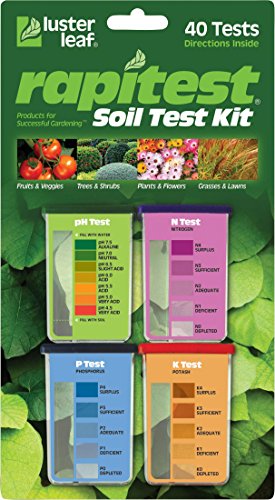
Luster Leaf 1601 Rapitest Soil Test Kit

Soil Test Kit 2-in-1 Soil Moisture Meter, Soil pH Meter PureWhite

Soil Test Kit 100 Soil pH Test Strips 3.5-9 Range

Soil Test Kit 140 Tests 2026 Updated Instructions
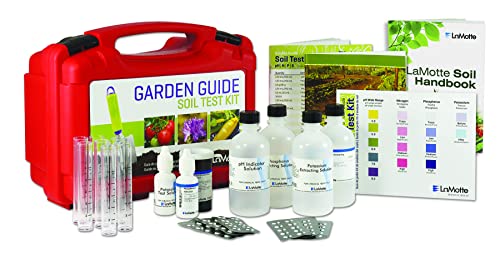
Lamotte Model El Turf and Garden Soil Test Kit 5679-01

HSLGOVE Soil Test Kit 7-in-One Soil Moisture Meter, Soil PH Meter, Fertility
More Details On Our Top Picks
For lawn care that starts with pH, this digital meter keeps the process quick and easy to read. The digital output matters most when you want a fast check before adding lime or fertilizer, and the moisture meter adds a second layer of context for everyday yard care.
Compared with the strip kits later in this list, this one feels more immediate in use, especially for spot checks around problem areas. The trade-off is that it focuses on a narrower slice of soil information, so it suits you best when pH and moisture are the main questions.
What We Like
- Digital readout is easier to scan than color matching.
- Moisture reading helps you pair watering with soil condition.
- Compact format works well for quick pass-through checks in the yard.
- Useful for repeat checks after seasonal lawn treatments.
Things To Consider
- It focuses on pH and moisture, not a full nutrient picture.
- The probe style asks for careful cleaning after use in damp soil.
- Results are best treated as a quick guide, not a full lab-style report.
Feature Snapshot
Who It Suits Best
You’re a good match for this meter if you want fast pH checks for a home lawn and don’t need a broad nutrient breakdown.
A Better Fit Elsewhere
Luster Leaf Rapitest Soil Test Kit suits you better when you want a more traditional at-home soil read with less emphasis on digital probing.
This kit fits the classic home-soil-test use case: you want a straightforward answer without getting buried in extra controls. It makes sense for a yard that needs periodic checks before feeding, seeding, or adjusting the soil mix around flower beds and grass.
Compared with the digital meter above, this style leans more toward broad at-home convenience than quick probe-based feedback. The honest read is that it’s a comfortable middle ground for casual lawn upkeep, especially when you like a familiar kit format.
Highlights
- Simple kit format is easy to understand at first glance.
- Works well for lawn care routines that happen a few times a season.
- Good fit for households that want a basic soil snapshot before treatment.
Room For Improvement
- It does not bring the same instant read style as a digital meter.
- Careful sample handling matters more than it does with a probe-based tool.
- Folks wanting broader nutrient detail may outgrow it sooner.
Core Details
Who Will Love This
You’re in the sweet spot for this one if you want an easy entry into soil testing for lawns and garden beds.
Another Choice May Suit
Dewilde Trading Co Soil Test Kit 100 Soil pH Test Strips 3.5-9 Range suits you better if your focus stays on quick pH checks with low fuss.
This version pushes farther into practical lawn upkeep, especially for homeowners who want a dependable kit without moving into advanced lab-style tools. It sits between the simpler product above and the more detailed 140-test kit later on, which makes it an easy step-up for regular garden work.
In a busy backyard, that middle position matters because you can keep checking soil through the season without making the process feel overbuilt. Depending on your soil, the value here comes from having a familiar kit that stays useful beyond one quick reading.
Best Bits
- Balanced setup suits regular lawn and garden checks.
- Feels less stripped-down than the simplest pick in this list.
- Good fit for ongoing yard care across multiple planting areas.
- Easy to stash with other home maintenance tools.
Worth Noting
- It still relies on manual soil handling rather than a direct digital read.
- Users who want a very fast answer may prefer the digital meter.
- Sample prep and storage matter for keeping the kit in good shape.
Details At A Glance
Best Suited To
You’re likely to appreciate this kit most if you want a steady middle path between a basic strip test and a more complex lab-style setup.
Where A Sibling Pick Shines
HSLGOVE Soil Test Kit 7-in-One Soil Moisture Meter, Soil PH Meter, Fertility works better for mixed-use spaces where temperature and humidity matter too.
The dual-dial layout is the big draw here, because you can look at moisture and pH together without juggling two separate tools. That’s handy in a garden where watering habits and soil acidity both shape how grass and beds respond through the season.
Compared with the earlier Luster Leaf options, this one leans harder into visual convenience than kit tradition. The trade-off is that a more feature-heavy probe can ask for a steadier hand and a little more care during storage and cleaning.
Strong Points
- Dual dial display keeps two readings in view at once.
- Useful for lawns, beds, and container areas that dry at different speeds.
- Can simplify routine watering choices around mixed plantings.
- White finish gives it a clean, easy-to-spot look in the tool drawer.
Minor Gripes
- Two functions still depend on probe-style handling in the soil.
- Like most meters of this kind, it benefits from careful wiping after use.
- Shoppers wanting nutrient detail need a different style of kit.
Technical Sheet
The Right Fit
You’re a strong match for this meter if you want one tool that tracks both moisture and pH across a yard with different planting zones.
Look Elsewhere When
Dewilde Trading Co Soil Test Kit 140 Tests 2026 Updated Instructions suits you better when you want nutrient-focused analysis rather than a dual-read meter.
Strip tests make sense for quick pH checks, and this 100-strip pack leans into that simple rhythm. You dip, compare, and move on, which is exactly what many lawn owners want before making small soil adjustments.
Compared with the probe-style meters above, the trade-off is obvious: you gain quantity and simplicity, while giving up instant digital feedback. In most yards, that’s fine for repeat pH monitoring, especially around spots that get the same treatment over and over.
Upsides
- Large strip count supports repeated pH checks through the season.
- Range covers common soil acidity and alkalinity questions for home use.
- Easy to store in a drawer or garden box.
- Good match for gardeners who want a low-fuss routine.
Small Caveats
- It measures pH rather than the full nutrient picture.
- Color comparison works best in steady lighting.
- Strip kits can feel a little less immediate than digital meters.
Feature Card
Whose Shelf It Belongs On
You’ll like this kit most if you want a simple strip-based pH routine for lawn and indoor plant care.
Swap It Out When
Luster Leaf Rapitest Digital Soil pH Meter suits you better when a direct digital read matters more than strip comparison.
This kit goes broader than the earlier picks, which is why it stands out for lawn owners who want more than pH alone. With pH, nitrogen, phosphorus, potassium, and ammonia covered, you get a much fuller picture of what’s going on in the soil before you plan feedings or repairs.
The trade-off is time and attention, because a multi-factor kit asks more of you than a quick strip or meter. That said, for larger lawns or recurring fertility questions, the extra detail can be worth the slower pace.
Reasons To Buy
- Wide testing scope covers several core soil questions in one kit.
- 140 tests give you room for repeated lawn and garden checks.
- Updated instructions help make a dense kit less intimidating.
- Useful for planning fertilizing with more confidence.
- Fits people who like a more complete soil read before making changes.
Areas To Watch
- More steps usually mean more patience at the workbench or potting table.
- It can feel like overkill for a tiny yard with one simple question.
- Staying organized matters, since multi-test kits can scatter parts on a shelf.
Feature Rundown
Built With In Mind
You’re the right match for this kit if you manage a lawn that needs more than a surface-level pH check.
Reach For A Different Pick When
Soil Test Kit 100 Soil pH Test Strips 3.5-9 Range fits you better when you want the fastest possible pH-only routine.
This is the most study-like kit in the group, and that shows in the way it leans on diagrammed instructions and laminated charts. Turf managers, serious hobbyists, and careful home gardeners get a clearer path for reading nitrogen, phosphorus, potassium, and pH results without guessing at the chart.
It also stands apart because it includes both a Garden Guide manual and the LaMotte Soil Handbook, which adds context for lime and fertilizer recommendations. The honest trade-off is that this level of detail takes more time, so it suits people who want a deeper soil process rather than a quick weekend check.
Bright Spots
- Rapid test procedures help the kit stay usable despite its more serious tone.
- Laminated color charts are a practical touch for repeated reference.
- Works well for turf analysis and garden planning alike.
- Reference materials help you interpret the results instead of staring at numbers alone.
- Strong match for people who want soil context before making input decisions.
Honest Caveats
- More detail means more steps on the table or workbench.
- It may feel formal for a small yard that only needs a quick pH check.
- Keeping the charts and handbook together takes a bit more storage discipline.
Core Details
Perfect Match For
You’re the best fit for this kit if you want a more guided soil-testing process for turf or a serious garden project.
A Better Fit Elsewhere
Luster Leaf Rapitest Digital Soil pH Meter fits you better when you want a fast, pared-back pH check instead of a handbook-driven kit.
This one aims for the broadest day-to-day read of the group, with moisture, pH, fertility, soil temperature, air temperature, and humidity all folded into a single tool. For mixed lawns, indoor pots, and outdoor beds, that combination can save you from carrying several meters at once.
Compared with the LaMotte kit, it feels more immediate and more general-purpose, while giving up the handbook-style depth that serious turf analysis can need. You may find it especially useful in spaces where growing conditions shift from one corner to the next.
Best Bits
- Seven measurement areas cover a wide range of plant-care questions.
- Dual screen makes it easier to keep track of several readings.
- Useful for lawns, indoor plants, farm spaces, and mixed outdoor areas.
- Digital temperature and humidity readings add useful context.
- Fits owners who like having one tool handle multiple checks.
Points To Note
- More functions can mean more learning at the start.
- It feels broader than the simplest lawn-only tools, so it may be more than you need for basic pH work.
- Storage and cleaning take more care because this is a multi-function meter.
Core Details
Who Should Grab It
You’re the best match for this meter if you want one tool to cover a wide mix of lawn and plant conditions.
Skip It When
Luster Leaf Rapitest Digital Soil pH Meter suits you better if you only want a fast pH check and nothing more.
How To Choose The Right Soil Test Kits For Lawns
Start With The Soil Question You’re Actually Asking
A lawn soil test only helps when it matches the problem in front of you. pH matters for lime decisions and nutrient uptake, moisture matters for watering habits, and broader nutrient testing matters when grass looks thin despite regular care. A quick meter works well for repeated spot checks around trouble patches. A multi-test kit suits you better when the lawn needs a fuller diagnosis before you change a feeding plan.
Match The Tool To Your Patience Level
Probe meters and strip kits feel easy to use because they give you a fast answer. Lab-style kits and handbook-guided kits ask for more steps, but they can bring more context when your lawn has recurring issues. That trade-off matters on a Saturday afternoon, because a faster tool tends to get used more often. A more involved kit earns its keep when you actually want the detail.
Think About How Often You’ll Recheck
Lawns change through rain, heat, mowing, and fertilizer timing, so one reading rarely tells the whole story. A kit with plenty of strips or a meter you can pull out often makes seasonal upkeep simpler. For a small yard, a basic pH tool may be enough. For a large property with different grass zones, more data usually pays off.
Look At Storage And Cleanup, Not Just Readings
Soil testing tools live a rough life in sheds, drawers, and damp garden bags. Probe-style tools need wiping, strip kits need dry storage, and multi-piece kits need a place where charts and tubes stay together. That practical side matters more than it sounds. A kit that stays organized is the one you’ll actually reach for next month.
A Quick Reality Check Before You Choose
Mistakes Worth Dodging
A common slip is buying a detailed kit when all you really need is pH. Another is choosing a strip pack for a project that really needs nitrogen, phosphorus, or potassium context. You also want to think about where the kit will live after opening, because loose pieces and moisture don’t mix well over time.
When Spending More Makes Sense
Higher-tier soil test kits usually charge more because they measure more factors, include better charts or instructions, or support repeated use across more checks. That extra detail helps in lawns with stubborn patches, mixed plantings, or repeated fertilizer questions. For a small, healthy yard, a basic tool often does enough. For a larger lawn or a property with uneven growth, the upgrade can save a lot of guesswork.
Frequently Asked Questions
What does a lawn soil test kit actually tell you?
A lawn kit can show pH, moisture, and, in some cases, nutrient levels like nitrogen, phosphorus, and potassium. That helps you understand why grass may look stressed or patchy.
How often should you check lawn soil?
Seasonal checks are common for home lawns, especially before feeding or after a growth problem appears. More frequent checks make sense in yards with changing conditions or repeated bare spots.
Are strip tests enough for lawn care?
Strip tests work well for quick pH checks and general upkeep. They are less useful when you want a fuller nutrient picture.
Do digital meters replace traditional kits?
Digital meters are fast and easy to read, but they usually focus on a narrower slice of soil conditions. Traditional kits still help when you want broader analysis.
What’s the most useful feature for a normal yard?
For many lawns, pH is the first thing to check because it shapes how the soil handles other inputs. Moisture is a close second when watering habits are part of the problem.
Closing Thoughts
The right soil test kit depends on how deep you want to go and how often you’ll use it. A digital meter suits quick pH checks, strip kits keep things simple, and fuller analysis kits make sense when your lawn has stubborn spots that need more context. You don’t need the most complex option to care well for turf. You just need the one that fits your yard, your routine, and the kind of answer you actually want.
