

Dandelions spread fast, and the wrong treatment can leave you with patchy grass and a second round of frustration. You need a pick that matches your lawn type, how broad the weed problem is, and how much mixing or spraying you want to handle. Some treatments are built for spot work, while others suit larger areas or mixed weed pressure.
Quick Look At The Shortlist
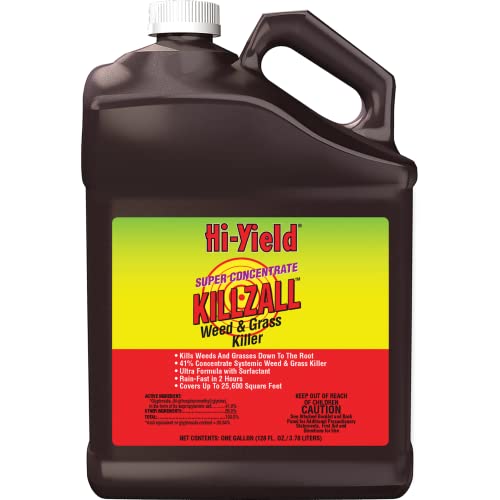
Hi-Yield Killzall Super Concentrate, 1 gal
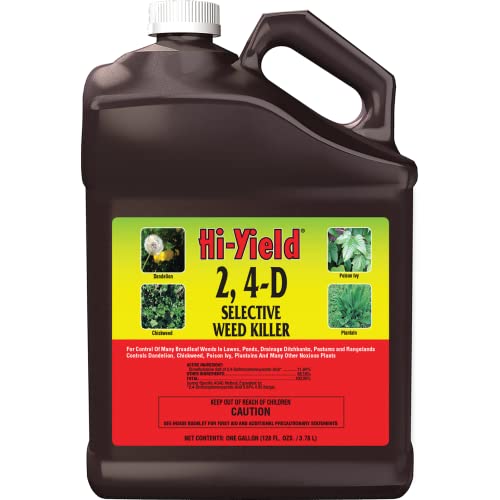
Hi-Yield 2,4-D Selective Weed Killer, 1 gal

Fertilome Weed-Out Lawn Weed Killer Concentrate, 32 oz

Spectracide Weed Stop For Lawns Plus Crabgrass Killer Concentrate, 32 Ounces

Spectracide Weed Stop For Lawns Plus Crabgrass Killer Concentrate

Ortho Weed B Gon Weed Killer, 24oz, RTU Trigger

Ortho GroundClear Weed & Grass Killer2 Concentrate, 32 fl. oz.

Scotts TouchUp Weed Control for Lawn, 24 fl oz
More Details On Our Top Picks
Large, stubborn patches are where this concentrate makes the most sense, especially around driveways, fence lines, and other rough spots where grass and weeds have taken over together. Glyphosate is a non-selective herbicide, which means it targets most green growth rather than sparing turf, so the trade-off is clear: strong cleanup power, no lawn-friendly margin for error.
That makes it a better fit for renovation work than casual dandelion touch-ups in the middle of a yard you want to keep intact. You also get the practical upside of a gallon jug, which suits people who mix for wider coverage, though storage and careful measuring matter more than they do with smaller ready-to-use sprays.
Strong Points
- Concentrate format works well for larger treatment areas.
- Non-selective action suits total cleanout zones.
- The gallon size reduces refill churn for bigger jobs.
- Useful for boundary strips, gravel edges, and reset areas.
Small Caveats
- It’s not the right match for spraying through turf with dandelions still mixed in.
- Mixing and labeling take a little extra care.
- Overspray matters a lot around plants you want to keep.
Core Details
Built With In Mind
Property owners tackling bare patches, fence edges, or gravel strips get the most out of this one.
Where A Sibling Pick Shines
Scotts TouchUp Weed Control for Lawn, 24 fl oz suits turf you want to keep because it’s aimed at spot spraying rather than full-area reset work.
Selective control is the key appeal here, because 2,4-D targets broadleaf weeds while leaving turfgrass alone when used as directed. That makes it a more natural fit for dandelions in established lawns than a non-selective formula like Hi-Yield Killzall, especially when you want the grass to stay in place.
The gallon concentrate format also works well for broadcast applications across larger sections of yard. The trade-off is that you still need to mix carefully and pay attention to label directions, since broad coverage rewards consistency more than guesswork.
What We Like
- Selective action suits lawns with mixed dandelion pressure.
- Concentrate format supports larger-area use.
- Good match for operators who already spray in batches.
- Helps you treat weeds without turning the whole lawn into a reset zone.
Things To Consider
- Mixing adds a step compared with ready-to-use sprays.
- Broadcast use asks for steady application habits.
- Storage matters, since a gallon container takes more room than a small trigger bottle.
Feature Rundown
Whose Shelf It Belongs On
This fits acreage owners and serious lawn caretakers who want broadleaf control without replacing turf.
Another Choice May Suit
Ortho Weed B Gon Weed Killer, 24oz, RTU Trigger suits smaller jobs and quick spot sprays because it arrives ready to use.
Fertilome’s triclopyr concentrate leans hard into broadleaf weed control, so it suits lawns where dandelions are part of a longer list of unwanted growth. Triclopyr is a selective herbicide, meaning it targets certain weed types rather than every green plant, and that helps it stay in the turf-care lane instead of the total-clearout lane.
The source data points to coverage for 200-plus broadleaf species and a 32-ounce container, which gives it a serious utility feel without pushing you into a huge jug. The honest read is that the product feels better for detailed weed management than casual one-off spraying, especially around home lawns that get regular attention.
Highlights
- Selective broadleaf focus fits dandelion-heavy lawns.
- Large listed weed count suggests wide weed coverage.
- Smaller bottle is easier to store than gallon jugs.
- Good middle ground between spot treatment and full-yard batching.
- Useful for home lawns that need ongoing weed control.
Worth Noting
- Concentrate use adds mixing and cleanup steps.
- Broadleaf focus means it’s less about total-area clearing.
- Smaller container can mean more refills on larger properties.
Spec Overview
Who Should Grab It
Homeowners dealing with repeated broadleaf weed pressure in maintained lawns get the best fit here.
Skip It When
Hi-Yield Killzall is the stronger match for cleanup areas where you do not want any plant growth left standing.
This Spectracide concentrate sits in a useful middle zone for lawns with both dandelions and crabgrass showing up. It’s a selective approach, so it works better than a total-kill formula for people trying to hold the rest of the turf in place.
The 32-ounce bottle keeps it manageable, and that size suits homeowners who treat weeds in stages rather than taking on the whole yard at once. One thing worth considering is that concentrates reward good measuring habits, especially in a lawn where problem spots keep changing from season to season.
Positives
- Handles both broadleaf weeds and crabgrass.
- Selective use suits established lawns.
- 32-ounce format stays easy to store.
- Works well for staged yard care.
Areas To Watch
- Requires mixing before application.
- Not the right choice for full bare-ground clearing.
- Careful measuring matters for even coverage.
Details At A Glance
Best Suited To
You’ll like this most if your yard needs a steady, selective cleanup plan rather than aggressive reset work.
Look Elsewhere When
Ortho GroundClear Weed & Grass Killer2 Concentrate fits patios and landscape edges better because it’s built for tougher cleanup areas.
Among the selective lawn options here, this version earns attention for the way it balances weed control with lawn safety when used as directed. The listing’s rainproof note matters in real yards, because weather never waits for a tidy spraying window, and that can make routine care a little less stressful.
It also claims coverage of broadleaf weeds, grassy weeds, crabgrass, dandelion, chickweed, clover, and yellow nutsedge, so the scope feels wider than a single-weed spray. The trade-off is the same one you see with most concentrates, you still need to mix carefully and keep track of where you’ve sprayed.
Bright Spots
- Selective formula fits established lawns.
- Rainproof timing note adds practical flexibility.
- Wide weed list helps with mixed pressure.
- Good match for routine seasonal care.
Minor Gripes
- Concentrate format means a mixing step.
- Coverage is broad, but label reading still matters.
- Storage and measuring matter more than with a spray bottle.
Feature Card
Made For
This suits homeowners who want a broad lawn treatment with some weather flexibility baked in.
A Better Fit Elsewhere
Hi-Yield 2,4-D Selective Weed Killer, 1 gal makes more sense for broad broadcast work across larger acreage.
Ready-to-use spray bottles like this make sense for dandelions that pop up in driveway edges, sidewalk seams, and small lawn patches. Since the trigger comes attached, you skip mixing entirely, which is a real convenience for short cleanup jobs and for people who don’t want to store extra concentrate.
The trade-off is capacity, because a 24-ounce bottle suits touch-up work more than long treatment runs. Compared with the concentrates above, it gives you less flexibility on area coverage, but it also asks for less setup and less cleanup.
Upsides
- Ready-to-use format cuts prep time.
- Good for spot treating dandelions.
- Trigger bottle is simple to handle.
- Useful for small yards and quick fixes.
Points To Note
- Smaller bottle means more limited coverage.
- Not as efficient for wide lawn sweeps.
- Sprayer storage can take more shelf room than expected.
Quick Facts
Perfect Match For
Small-yard owners and anyone who wants a fast dandelion fix without mixing gear should feel at home with this one.
Where Shoppers Go Wrong
Fertilome Weed-Out Lawn Weed Killer Concentrate, 32 oz is the stronger fit for people who need broader selective coverage rather than a small spray bottle.
This one is aimed at tougher cleanup zones such as patios and landscape edges, where dandelions are often only part of a mess that includes moss, chickweed, and crabgrass. The source also notes OMRI listing, which usually matters to gardeners who pay close attention to product positioning, though the best fit still depends on the area you’re treating and the plants you want left behind.
Compared with the turf-focused picks above, GroundClear leans away from lawn maintenance and toward reset work in hardscape-adjacent areas. That makes it a sharper tool for certain yards, but it’s also less forgiving if you’re hoping to preserve a living lawn through the whole treatment zone.
Reasons To Buy
- Good for patios and landscaped areas.
- Handles dandelions alongside several other unwanted plants.
- Concentrate format gives you coverage control.
- Useful for mixed cleanup around hardscape edges.
Honest Caveats
- Not built around preserving an intact lawn.
- Mixing takes a little time and attention.
- The hardscape focus makes it less of a general turf spray.
Feature Snapshot
The Right Fit
You’ll get the most out of this in border zones, hardscape seams, and cleanup areas with mixed weed growth.
Reach For A Different Pick When
Spectracide Weed Stop For Lawns Plus Crabgrass Killer Concentrate is the better lawn-preserving move for turf where dandelions are the main issue.
Scotts keeps things straightforward here with a ready-to-use lawn spray for dandelion, clover, and crabgrass control. Since the bottle is made for touch-up work rather than batch mixing, it suits homeowners who want a simple way to clean up small problem zones without opening a jug of concentrate.
The no-lawn-harm claim is the big reason many people will look here first, especially for patchy spots in established turf. You do give up the larger-area efficiency of the concentrate options, so this is more about convenience and targeted use than heavy-duty coverage.
Best Bits
- Ready-to-use spray keeps setup simple.
- Aimed at common lawn weeds, including dandelions.
- Small bottle works well for touch-up routines.
- Fits homeowners who want an uncomplicated spray-and-go option.
Room For Improvement
- 24-ounce size limits how much ground you can cover.
- Less efficient than concentrates for bigger yards.
- Not sold in HI, which narrows availability.
Core Details
Who It Suits Best
Homeowners with small weed patches and little patience for mixing will find this especially convenient.
Swap It Out When
Hi-Yield 2,4-D Selective Weed Killer, 1 gal makes more sense for broader broadcast treatment across larger lawn areas.
How To Choose The Right Lawn Treatments For Dandelions
Selectivity Versus Total Knockdown
Selective herbicides target broadleaf weeds like dandelions while sparing grass when used as directed. That matters most in established lawns, where you want the turf to stay in place and the weeds to fade out.
Non-selective formulas work differently, because they clear the treatment area more completely. They fit driveways, fence lines, gravel edges, and renovation zones, but they do not belong in the middle of a lawn you want to keep.
Concentrate, Ready-To-Use, Or Spray Bottle
Concentrates suit bigger yards and repeat use because you mix only what you need. The trade-off is more measuring, more storage space, and more room for user error.
Ready-to-use sprays and trigger bottles remove that friction. They are easier for spot treatment, though they usually cover less area and cost more per ounce of active treatment.
Think About The Weed Mix
Dandelions often travel with clover, chickweed, crabgrass, and other broadleaf troublemakers. A broader label helps when the lawn has more than one weed problem, because you are not forced to shop for a new formula every time another patch appears.
That said, wider coverage is not always better. A formula built for patios or reset areas can be too aggressive for turf, while a turf-safe treatment may not be strong enough for hardscape cleanup.
Match The Product To Your Routine
Busy homeowners usually prefer a quick trigger sprayer for touch-ups around walkways and front-yard spots. Larger properties, acreage, and repeated seasonal treatment tend to favor concentrates because they scale better.
Maintenance matters too, since concentrated products usually mean more rinsing, measuring, and careful storage. A simpler bottle can be the easier choice when you only handle a few dandelions at a time.
Things Worth Knowing First
Common Shopping Slip Ups
One frequent mistake is grabbing a total-kill formula for a living lawn. That can solve the weed problem and create a grass problem right along with it.
Another miss is ignoring how much area the package actually covers. A small trigger bottle feels convenient, but it can turn into a poor fit for a wide yard with repeated dandelion patches.
What The Higher Tier Buys
More expensive options usually pay for broader weed lists, selective action, larger containers, or more convenient formats. You are often covering either more ground or more weed types, and that extra flexibility is what lifts the cost.
That upgrade makes sense when your lawn has mixed weeds, larger square footage, or a repeated need for spot treatment. For a tiny yard with one or two patches, a simpler bottle often does the job with less fuss.
Frequently Asked Questions
What kind of product works best for dandelions in grass?
Selective broadleaf weed killers are usually the best starting point for established lawns. They target dandelions without treating the grass like part of the problem.
Should you choose a concentrate or a ready-to-use spray?
Concentrates fit bigger lawns and repeated treatments. Ready-to-use sprays make more sense for quick touch-ups and smaller spots.
Can one treatment handle dandelions and crabgrass together?
Yes, some formulas cover both, but the label has to say so. That matters because many lawn products focus on broadleaf weeds, not grassy weeds.
Are non-selective products a good choice for lawns?
They fit cleanup zones where you want to remove everything in the treated area. They are a poor match for healthy turf you want to keep.
What should you check before treating a lawn?
Check the weed list, the application format, and whether the product is meant for turf or non-lawn areas. Those three details usually tell you more than a long marketing headline.
