

Clean lawn edges do a lot of visual work, even before you touch the rest of the yard. The right edging tool saves you from ragged borders along sidewalks, beds, driveways, and patio lines, especially when you want a quieter manual option instead of a powered machine.
That’s where this roundup helps. You get six hand tools with different handle styles, blade shapes, and reach, so you can match the pick to your soil, your yard size, and how much bending you want to do.
The Shortlist At A Glance

Root Slayer 22611 Serrated Garden Edger

Root Slayer 22711 XL Serrated Garden Edger

Radius Garden 25602 Pro-Lite Carbon Steel Edger
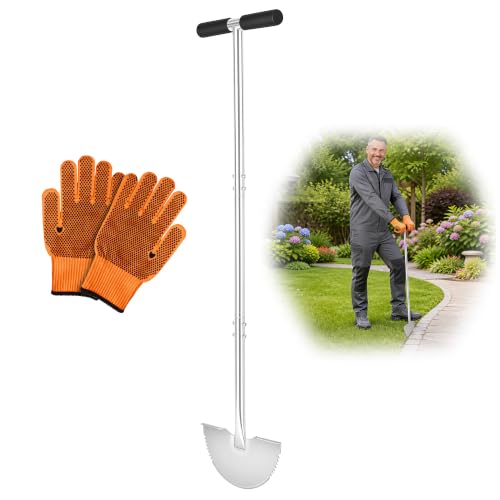
Serrated Edger Lawn Tool Half Moon Shovel with Softer T-Handle

Walensee Wheel Rotary Edger 69.7 Inch Hand Manual Edger Lawn Tool
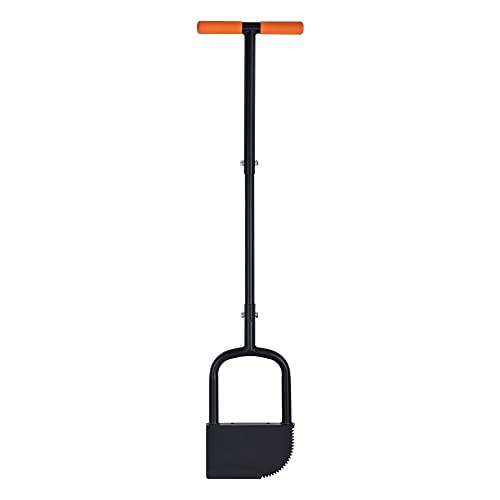
BARAYSTUS Height Adjustable Garden Edger Tool
More Details On Our Top Picks
The Root Slayer 22611 suits yard work that needs a firm, quiet hand. Its half-moon blade and serrated teeth are built for slicing through compact soil, turf, and shallow roots around beds, walks, and drive edges.
For small-to-medium yards, that mix feels practical rather than fussy. You trade powered-speed convenience for a manual tool that keeps noise down and avoids fuel, which many homeowners appreciate during routine touch-ups.
What We Like
- Serrated edge helps the blade bite into dense turf.
- Half-moon shape gives you a clean border line.
- Manual operation keeps the process quiet and simple.
- Useful for regular cleanup along beds and paths.
Things To Consider
- Hand labor is part of the package, so longer runs take more effort.
- Very hard clay can slow progress compared with lighter soil.
- Blade care matters, especially after damp storage.
Feature Snapshot
Who It Suits Best
This fits homeowners who want a straightforward border tool for routine upkeep and don't mind using body weight for leverage.
A Better Fit Elsewhere
Root Slayer 22711 XL Serrated Garden Edger suits taller users or anyone who wants extra reach without stooping as much.
The XL version leans into reach and leverage, which matters more than people expect on edging days. Compared with the Root Slayer 22611, this one should feel friendlier for taller gardeners or anyone who prefers a larger working stance.
That extra size can help reduce bending, though it does ask for a bit more storage room in a shed or garage. For larger properties with long border runs, the longer format makes the job feel less cramped.
Upsides
- Extended format helps you work with less stooping.
- Serrated cutting edge is suited to packed soil and roots.
- Good fit for broader yard lines and longer stretches.
- Manual use keeps upkeep uncomplicated.
Points To Note
- The larger profile takes more room to store.
- Longer tools can feel less nimble in tight corners.
- More reach can mean more weight to manage over time.
Core Details
Who It Suits Best
This fits taller gardeners and homeowners with large perimeter lines who want less crouching during repeated edge work.
A Better Fit Elsewhere
Root Slayer 22611 Serrated Garden Edger suits smaller yards and tighter storage spaces a little better.
The Radius Garden 25602 takes a simpler route than the Root Slayer models, and that’s part of its appeal. A step edger uses body weight on a foot platform to push the blade down, which can feel controlled for crisp lawn lines along patios and walkways.
In a typical suburban yard, that sort of tool is handy for regular touch-ups rather than heavy root cutting. The carbon steel build points toward solid cutting performance, but the trade-off is that steel tools still need drying and basic care after use.
Bright Spots
- Step design gives you predictable downward pressure.
- Carbon steel blade suits routine edge maintenance.
- Quiet operation fits close-in neighborhood work.
- Simple shape makes it easy to store and grab again.
Softer Spots
- Less specialized for very root-heavy edges than the serrated Root Slayer tools.
- Steel care is still part of ownership.
- Best results usually come from steady, repeated passes.
At A Glance
Built With In Mind
This suits homeowners who want a low-fuss manual edger for clean borders and don't need a heavy root-clearing profile.
A Better Fit Elsewhere
Walensee Wheel Rotary Edger 69.7 Inch Hand Manual Edger Lawn Tool makes more sense for long straight runs along driveways.
Comfort is the first thing that stands out here. The softer T-handle and 38-inch length give you a more upright grip than a shorter spade-style edger, which can matter a lot during a full border pass.
The serrated steel blade and wide footrest make sense in mixed yard conditions, especially when your edging line crosses packed soil or a sidewalk edge. The honest read is that this style favors steady pressure and control over speed, which is fine for most residential yards.
Reasons To Buy
- T-handle grip helps reduce hand strain during longer sessions.
- 38-inch length helps limit deep bending.
- Wide footrest gives your shoe a steadier landing point.
- Serrated blade adds bite for cleaner cuts.
Areas To Watch
- Longer tool length can feel awkward in very tight storage spaces.
- Steel blades still need basic drying after wet jobs.
- Best suited to manual edging, not broad clearing.
Details At A Glance
Whose Shelf It Belongs On
This fits homeowners who value comfort and want a manual edger that feels kinder during longer weekend yard sessions.
A Better Fit Elsewhere
BARAYSTUS Height Adjustable Garden Edger Tool is the smarter call for households that want more handle-height flexibility.
Wheel-guided edging changes the feel of the task right away. Instead of pressing a flat blade straight down like the Radius Garden or Root Slayer picks, this design rolls along sidewalks and driveways while you keep the line moving.
The adjustable stainless steel handle and cushion grip point to a setup made for longer stretches, especially on straight borders. For homeowners with large hardscape edges, the trade-off is a bulkier tool that asks for more storage space and a steadier hand on turns.
Best Bits
- Wheel guidance helps keep long edge lines more consistent.
- Adjustable handle supports different arm lengths and working styles.
- Cushion grip can feel easier during repeated passes.
- Good fit for sidewalks, driveways, and landscaping borders.
Minor Gripes
- Wheel tools usually feel less nimble in curved beds.
- Long handle length makes storage a little more demanding.
- Assembly and alignment can matter more on this style.
Technical Sheet
Who Should Grab It
This suits homeowners with long, straight borders who want a rolling edge tool instead of a blade that has to be reset every few inches.
A Better Fit Elsewhere
Root Slayer 22611 Serrated Garden Edger is easier to manage for compact yards with tighter turns and narrower storage space.
Height adjustability gives this BARAYSTUS tool a useful edge over fixed-handle designs. With 37-inch and 41-inch settings, you can match the stance more closely to your height, which helps on longer sessions and shared-tool households.
The half-moon blade mixes a smooth cutting edge with saw-tooth teeth, and the wide 7.9-inch head means more ground covered per pass. Depending on your soil, that combination should be handy for clay, compacted dirt, and rooty border lines, though the wider head can ask for a bit more control in narrow corners.
Highlights
- Two height settings add welcome flexibility.
- Soft T-grip supports a steadier hold.
- Wide blade head helps cover more edge in one pass.
- Saw-tooth blade profile suits tougher ground conditions.
Small Caveats
- Wider head can feel less precise around very tight curves.
- Steel parts still need routine cleaning and drying.
- Manual operation keeps effort in the user's hands.
Quick Facts
Right Fit For
This suits gardeners who want an adjustable manual edger for mixed-height use and tougher soil along broader borders.
A Better Fit Elsewhere
Radius Garden 25602 Pro-Lite Carbon Steel Edger is a calmer choice for homeowners who prefer a simpler step-edger feel.
How To Choose The Right Lawn Edging Tools
Blade Shape And Cutting Style
Half-moon blades work well for clean border lines because they press into turf with a defined edge. Serrated teeth add grip in dense grass, packed soil, and shallow roots, while a wheel design suits long straight runs along sidewalks or driveways.
The trade-off is control versus speed. A wider head or wheel can move faster across open stretches, but a narrower manual blade usually feels easier around curved beds and tight corners.
Handle Height And Grip Comfort
Handle length matters more than it first seems. Taller gardeners usually appreciate longer or adjustable handles because they cut down on bending, while softer grips and T-handles help during repeated passes.
That comfort pays off on larger properties or in yards that need seasonal touch-ups. A tool that feels fine for five minutes can feel very different after a full perimeter, so match the handle to the way you actually work.
Soil Conditions And Yard Layout
Soil type changes the whole job. Loose soil is easier for nearly any manual edger, while clay, compacted edges, and rooty spots favor serrated blades or more aggressive cutting tips.
Yard layout matters too. Straight driveway lines, narrow planting beds, and long sidewalk runs each reward different designs, and your best pick is the one that fits the longest part of your routine, not just the hardest patch.
Storage, Care, And Day-To-Day Use
Steel tools need a little aftercare, especially after wet work or damp storage. A quick clean and dry-down helps keep the blade in better shape, and that small habit makes manual edgers feel much less fussy over time.
Storage also deserves attention. Longer handles and wheel tools ask for more garage or shed space, while simpler step edgers usually tuck away more easily between uses.
What To Weigh Before You Choose
Where Shoppers Go Wrong
Many people focus on blade sharpness and ignore handle height, which is a quick way to end up sore halfway through the yard. Another common miss is choosing a wide tool for a narrow border line, then fighting every turn.
Match the tool to your soil, your storage space, and the longest stretch you keep edging. That practical view usually serves you better than chasing the most aggressive blade.
Where The Extra Money Goes
Higher-tier manual edgers usually pay for thicker steel, adjustable handles, more comfortable grips, or wheel-assisted guidance. Those details matter most for larger properties, tougher soil, or anyone who edges often enough to notice hand fatigue.
For light seasonal cleanup, a simpler tool can be enough. For long borders, shared use, or awkward body positions, the upgrade usually shows up in comfort and control rather than flashy extras.
Frequently Asked Questions
What kind of lawn edge tool works best for compact soil?
Serrated blades and inverted V points are the most useful starting point for packed ground. They usually bite better than smooth blades in dense turf.
Is a wheel edger better than a half-moon blade?
A wheel edger suits long, straight lines and helps keep the cut steady. A half-moon blade usually feels better around curves and planting beds.
Do adjustable handles matter much?
Yes, especially for taller users or shared households. A handle that matches your stance can make repeated edging feel less awkward.
What size yard suits a manual edger?
Most small and medium yards fit manual edging just fine. Very large properties can still use one, though the work takes more time and effort.
How should steel edging tools be stored?
Keep them dry and out of damp corners whenever possible. A quick wipe after use helps the blade stay in better shape for the next round.
