

Steep ground changes everything. A machine that feels fine on flat turf can feel awkward, tiring, or plain wrong once the slope starts to rise, especially around orchard rows, ditch edges, and uneven pasture. This roundup focuses on equipment that fits those harder jobs, from tracked remote-control mowers to large-yard robots and a tow-behind cart for hauling heavy loads across the property.
You’ll see which models suit regular mowing, which are better for remote operation, and which one belongs behind a tractor instead of on the hill itself. That mix matters, because the right setup saves effort in the long run and keeps you from overbuying for land that doesn’t need a huge machine.
The Shortlist At A Glance
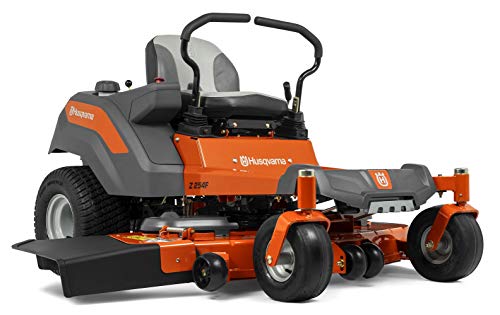
Husqvarna Z254F 54 in. 23 HP Kawasaki Zero Hydrostatic Turn Riding Mower
18HP Tracked Remote Control Lawn Mower 31.5″ Deck

AIWEIYA Remote Control Lawn Mower Oil-Electric Hybrid Crawler Track Mower
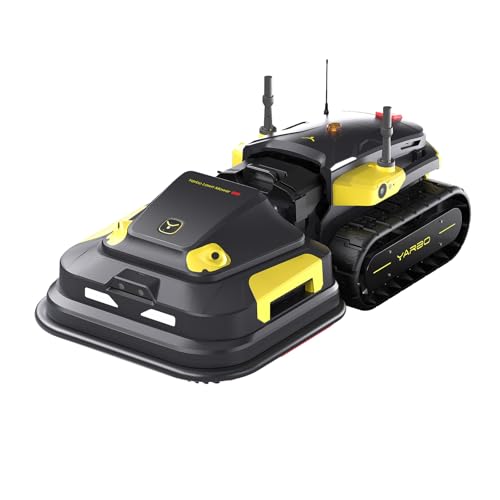
YARBO Upgraded Robot Lawn Mower Pro Modular Design

ATV UTV Trailer Tow Behind Dump Cart for Lawn Tractors 1500 lbs

YARBO Robot Lawn Mower Wire-Free Modular Design
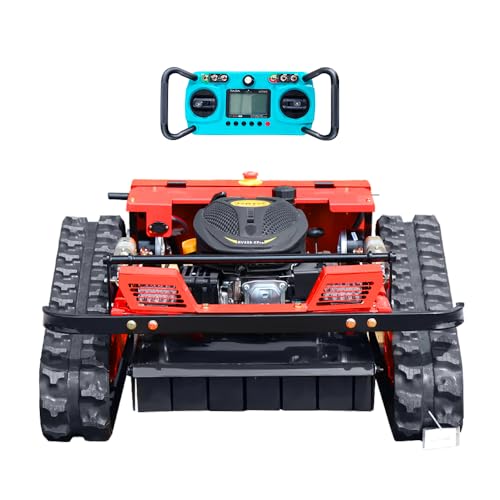
Infront Remote Control Lawn Mower 20 Inch Track Design
More Details On Our Top Picks
A zero-turn mower makes the most sense on broad sections of property where you still want quick coverage and cleaner turning around trees or beds. The 54-inch deck gives you a wide pass, while the 23 HP Kawasaki engine points to steady power for demanding mowing days.
Compared with the tracked machines later in this list, this Husqvarna is more about speed on open ground than confidence on very steep slopes. For large yards with mixed terrain, that trade-off can feel reasonable, though tighter hills still call for a different tool.
Strong Points
- Wide 54-inch deck helps cover large lawns with fewer passes.
- Zero-turn steering makes it easier to work around landscape features.
- The Kawasaki engine is a reassuring match for regular, heavy mowing.
- Good fit for property owners who value efficiency over robot-style automation.
Things To Consider
- Zero-turn riding mowers are best suited to gentler slopes, not the steepest ground in this roundup.
- Open-yard mowing usually means more storage space than a compact walker or remote unit.
- Routine cleaning around the deck matters, especially after damp grass.
Feature Rundown
Who It Suits Best
Homeowners with large, mostly open lawns and only mild slope changes will get the most from this setup.
Where Another Pick Suits Better
Infront Remote Control Lawn Mower 20 Inch Track Design suits you better when the hill is the main concern and you want to stay farther from the work zone.
This tracked remote-control mower is built for the kind of ground that makes riding mowers feel uneasy. The 31.5-inch deck and 1600W brushless motors signal a serious cutting setup, while the 45° slope claim puts it squarely in steep-hill territory.
Remote operation is the real point here, because you’re not sitting on the machine while it works across a slope, pasture, or orchard edge. That setup suits landowners who want distance, control, and a tool that’s closer to a hill specialist than a standard lawn tractor.
Upsides
- Tracked movement gives better contact on rough, sloped ground than a wheeled rider.
- Remote control keeps you away from the steepest section of the yard.
- The 31.5-inch deck offers decent coverage without feeling oversized for tight terrain.
- Brushless motors usually mean smoother electrical efficiency and less fuss around brush wear.
- Useful for pastures, orchards, and uneven side hills where standard riders feel out of place.
Points To Note
- Remote systems take a little learning, especially around obstacle positioning.
- Track-based machines usually need more attention during cleaning than a simple push mower.
- Its size and purpose make it a focused tool, not a casual suburban mower.
Core Details
Built With In Mind
You’ll appreciate this most on rough ground, pasture edges, and steep side hills where remote control feels safer and easier to manage.
Look Elsewhere When
Husqvarna Z254F 54 in. 23 HP Kawasaki Zero Hydrostatic Turn Riding Mower makes more sense for flatter acreage where speed matters more than tracked climbing.
The oil-electric hybrid setup sets this model apart from the simpler remote mowers above it. It pairs crawler tracks with a cutting-height range from 1.1 to 5.9 inches, which gives you flexibility for short estate turf or taller grass on uneven ground.
That kind of range helps in large properties where the terrain changes from one section to the next. The honest read is that this feels most useful for estate owners and groundskeeping work, not casual weekend mowing.
Best Bits
- Hybrid power design gives you a distinct route compared with fully electric or fully mechanical setups.
- Crawler tracks help the machine stay planted across rougher surfaces.
- Cutting height flexibility works well for both maintained turf and taller growth.
- Remote control keeps the operator off the slope and away from the machine’s path.
Room For Improvement
- The hybrid layout adds complexity, which can mean more parts to understand and maintain.
- Track systems typically take more effort to clean after muddy work.
- It’s a specialized machine, so storage and transport may feel less casual than a standard mower.
Feature Card
Who Should Grab It
Estate managers and property owners with changing terrain will get the most from this machine.
Swap It Out When
18HP Tracked Remote Control Lawn Mower 31.5″ Deck is the cleaner fit for someone who wants a more straightforward tracked mower with less system complexity.
This YARBO leans hard into large-property automation, with AI vision, RTK navigation, auto-charge, and modular design all working toward a lower-touch mowing routine. The 20-inch cutting width and 6-acre coverage target big yards rather than small, fussy corners.
Compared with the remote-control mowers above, this one is less about an operator standing nearby and more about setting a system in motion. For owners who manage a lot of acreage and want a robot to handle repeat mowing on slopes up to 70%, that distinction matters.
What We Like
- Wire-free operation removes the headache of laying boundary cable around a big property.
- AI vision and RTK navigation help the mower map and stay oriented on larger land.
- Dual 300W motors give it a stronger power setup than the smaller YARBO model below.
- Auto-charge support reduces how often you need to intervene during routine mowing.
- Modular design makes the platform more flexible than a single-purpose robot.
Minor Gripes
- The system feels advanced, so setup and learning are likely more involved than basic mowing gear.
- Big-capacity robots need enough open space to justify the investment in time and footprint.
- Regular care around sensors and charging areas matters for long-term reliability.
Details At A Glance
The Right Fit
You’ll get the most from this if you manage a large property and want the mower to handle a lot of repeat work on its own.
A Better Fit Elsewhere
YARBO Robot Lawn Mower Wire-Free Modular Design suits you better if you want similar wire-free automation with a slightly simpler motor setup.
This dump cart belongs in a roundup like this because steep-hill properties usually need hauling as much as mowing. The steel build, 15 cubic feet of cargo space, and 1500-pound capacity make it useful for mulch, soil, firewood, and cleanup jobs behind a lawn tractor or ATV.
It’s not a mowing machine, of course, but it earns its place by helping the rest of your equipment do more useful work. The hand-pull or foot-pedal dump option is especially handy in a busy yard where unloading by hand would get old fast.
Plus Points
- Large hauling capacity helps reduce repeat trips across the property.
- Steel construction suits rougher utility use better than lightweight carts.
- Hand pull or foot-pedal dumping gives you two unloading styles.
- Good companion for lawn tractors that already handle the terrain.
Areas To Watch
- This is an attachment, so it only makes sense with a tractor, ATV, or UTV you already own.
- Steel utility carts usually need rinsing and drying after muddy work.
- Large cargo capacity can become awkward in narrow gate paths or tight storage areas.
Quick Facts
Whose Shelf It Belongs On
Property owners with a tractor, ATV, or UTV already in service will get the most value from this cart.
Reach For A Different Pick When
Husqvarna Z254F 54 in. 23 HP Kawasaki Zero Hydrostatic Turn Riding Mower is the better match for someone focused on mowing rather than hauling.
This version of the YARBO keeps the same large-yard, wire-free idea but uses dual 150W motors instead of the stronger 300W setup in the Pro model above. That makes it easier to compare the two, because the real question becomes how much motor strength your acreage and slope demand.
The 70% slope rating, RTK navigation, and auto-charge support still point to a serious robot for big properties. In practical terms, it fits owners who want autonomous mowing on open land without laying perimeter wire.
Bright Spots
- Wire-free setup keeps installation cleaner than systems that depend on boundary cable.
- RTK navigation gives the mower a more structured way to orient itself across large areas.
- The 20-inch cutting width helps it cover ground efficiently for a robot.
- IPX5 protection is useful around spray, damp grass, and routine outdoor exposure.
- Auto-charge support helps reduce hands-on management during normal mowing cycles.
Small Caveats
- The dual 150W motor setup is less forceful than the Pro version’s stronger power package.
- Big robots can feel overbuilt for smaller yards or simple suburban lawns.
- Sensor and charging-area upkeep still matter, especially around debris.
Technical Sheet
Made For
Owners of wide, open yards who want wire-free automation and don’t need the stronger motor package from the Pro model.
Another Choice May Suit
YARBO Upgraded Robot Lawn Mower Pro Modular Design is the better match for heavier use and a stronger dual 300W motor setup.
The Infront keeps things straightforward: remote operation, track design, a 20-inch cutting width, and a height range from 0.79 to 5.9 inches. That combination suits steep slopes, tall grass, and uneven lawns where traction and adjustability matter more than polish.
Compared with the AIWEIYA model, this one reads as a simpler all-terrain option with a broad height range and a clear focus on difficult ground. For many rural properties, that kind of practical setup is easier to justify than a more complicated estate machine.
Reasons To Buy
- Track design helps the mower keep better footing on rough or angled ground.
- Wide height adjustment range gives you room to handle short turf and taller growth.
- Remote control keeps the operator away from the steepest section of the lawn.
- 20-inch cutting width is a solid middle ground for large-lawns work.
Honest Caveats
- Track machines often need more cleanup after wet or muddy use.
- Remote operation asks for a little attention, especially around obstacles and slope edges.
- The aggressive terrain focus makes it less casual than a regular home mower.
Spec Overview
Who Will Love This
You’ll like this most for rough, sloped lawns where a tracked remote mower feels more practical than a standard rider.
Consider Something Else When
AIWEIYA Remote Control Lawn Mower Oil-Electric Hybrid Crawler Track Mower is the better fit for a property that needs hybrid power and a more estate-style setup.
How To Choose The Right Lawn Tractors For Steep Hills
Match The Machine To The Slope
Hill percentage matters more than brand names or deck size. A mild rise can suit a zero-turn rider like the Husqvarna Z254F, while the tracked remote models make far more sense once traction and operator distance become a concern.
Remote control and crawler tracks change the job completely. You’re not just choosing a mower, you’re choosing how much control you want over a hill that may not forgive a mistake.
Think About The Shape Of Your Property
Open acreage, orchard rows, fence lines, and narrow access paths all push you toward different tools. A large robot like either YARBO fits broad land with repeat mowing needs, while a tow-behind cart helps with cleanup and hauling rather than cutting.
For homes with mixed terrain, the right setup often includes more than one piece of gear. The mower handles the grass, the cart handles the debris, and the hill stops feeling like a constant obstacle.
Choose Power, Traction, Or Automation
Tracked remote mowers are the traction-first option, riding mowers are the speed-first option, and robot mowers are the automation-first option. That simple split helps you avoid paying for features you won’t use.
Steep land usually rewards plain function over extra flash. In practice, the best match is the one that lets you finish the job without fighting the terrain each time.
Things Worth Knowing First
Mistakes Worth Dodging
One common slip is buying a fast rider for ground that really needs tracks or remote control. Another is overlooking storage space, since bigger machines and carts need room to park, clean, and service.
It also helps to think about upkeep before the purchase. Mud, damp grass, and hillside debris can make track systems and large decks harder to maintain than a simpler layout.
The Upgrade Payoff
Higher-tier models usually cost more because they bring stronger navigation, heavier-duty drive systems, and more specialized control. On large or risky terrain, that extra capability can save time and reduce the strain of working a hill by hand.
The upgrade makes the most sense when the land itself is the challenge. For a small yard with only mild slope, a simpler riding mower or cart may be plenty.
Frequently Asked Questions
What matters most on steep hills?
Traction comes first, then control, then cutting width. A machine that feels stable on the slope is more useful than a wider machine that struggles to hold its line.
Are remote-control mowers better than riding mowers for hills?
For the steepest ground, remote-control and tracked designs usually make more sense. Riding mowers still work well on gentler slopes and open ground.
Do robot mowers work on large sloped yards?
They can, as long as the property layout suits autonomous mowing and the slope rating matches the terrain. Big open yards are a much better fit than tight, obstacle-heavy spaces.
Why include a dump cart in a hill roundup?
Steep properties usually need hauling as much as mowing. A tow-behind cart helps move mulch, tools, and debris once the cutting is done.
Which option is easiest for a beginner to manage?
A robot mower is easiest once setup is complete, while a simple riding mower is more familiar to many property owners. Remote tracked machines are the most specialized and ask for the most attention.
