Your Tennessee yard can look promising on paper and still punish the wrong tree. Hot summers, shifting rainfall, compacted soil, and limited space make site selection more important than a colorful label, while indoor gardeners need a different kind of guidance altogether. These picks cover practical plant care, bonsai and orchid troubleshooting, woodland identification, and one ornamental tree suitable for many Zone 5 through 8 landscapes.
Your Options, Compared
PickWhy We Picked ItBest ForAction
Beginner Friendly
The Houseplant Bible for New Plant Parents: Light, Watering, and Pest Care
Brightening a Tennessee home with houseplants becomes easier when the basics live in one approachable guide. The Houseplant Bible focuses on light placement, watering, and pest prevention, which are the three routines that most often decide whether a plant thrives in your rooms.
Compared with The Bonsai Owner’s Manual, this book covers a broader collection of ordinary indoor plants rather than one specialized tree type. For a new plant parent, the organized approach may be more useful than buying another decorative pot before learning where the plant should actually sit.
Everyday Wins
✓Light-placement rules help you position plants according to their needs.
✓Seven watering tips turn a recurring chore into a clearer routine.
✓Pest-prevention guidance addresses trouble before it spreads.
✓The home-focused structure suits beginners building a plant collection.
Things To Consider
•It addresses indoor plants rather than choosing trees for a Tennessee yard.
•You still need to identify each plant species to apply the guidance accurately.
Quick Facts
Feature
Specification
Why It Matters
Primary focus
Houseplant care
Targets common indoor plant routines.
Light guidance
Placement rules
Helps you choose a suitable room position.
Watering guidance
Seven tips
Offers a repeatable care method.
Pest guidance
Prevention secrets
Focuses on avoiding common infestations.
Who It Suits Best
You will get the most from this guide as a new indoor plant parent managing mixed houseplants in a Tennessee home.
Another Choice May Suit
Choose The Bonsai Owner’s Manual instead when your main interest is a miniature outdoor tree and its specialized care.
A bonsai tree concentrates many ordinary tree-care tasks into a small container, where watering mistakes can become serious quickly. This manual starts with early root-rot recognition, then connects that inspection habit to watering, winter care by zone, repotting, pruning, and wiring.
That root-first approach is the distinguishing feature. The Houseplant Bible covers general indoor routines, while this book concentrates on the slower, more technical work required to maintain a shaped miniature tree over many seasons.
Practical Advantages
✓Root-rot checks help you inspect problems before visible leaf decline.
Yellow leaves and dropped buds can make an orchid problem feel sudden, even though the underlying issue may have started earlier. The Orchid Care Handbook uses its “delay principle” to encourage closer inspection of the plant, including the roots, before visible symptoms become your only warning.
That focus gives this book a different role from The Bonsai Owner’s Manual. One centers on diagnosing decline in orchids, while the other follows the seasonal maintenance of miniature trees.
Well-Handled Touches
✓Root-rot awareness helps you examine a vulnerable part of the plant early.
✓Yellowing leaves are treated as signs to investigate, not simple final answers.
✓Bud drop guidance connects a visible symptom with earlier plant stress.
Points To Note
•Orchid-specific symptoms require accurate recognition of the plant’s condition.
•The book does not cover landscape tree selection.
•Several flowering varieties need species-specific care beyond general signs.
Made For
This handbook fits indoor orchid growers who want to diagnose root, leaf, and bud changes before making a care decision.
Look Elsewhere When
Choose An Illustrated Guide to Eastern Woodland Wildflowers and Trees when outdoor plant identification is your main goal.
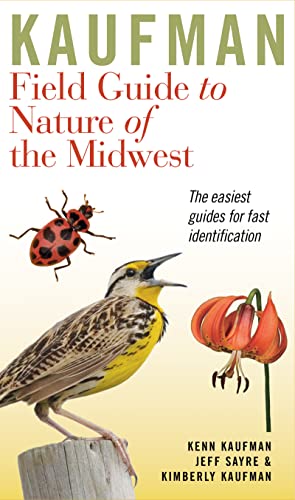
A single tree rarely travels alone in a healthy landscape. Birds arrive, insects visit the canopy, mammals move through the understory, and wildflowers mark changing ground conditions. Kaufman’s field guide gathers all those categories into one volume, giving you a broader way to understand what you see outside.
For Tennessee, the title’s Midwest focus limits how directly you can apply every entry. It still works as a general nature reference, especially when you want to connect your trees with surrounding wildlife rather than judge a tree by appearance alone.
Everyday Perks
✓One volume covers trees, birds, mammals, wildflowers, insects, and other regional life.
✓A multi-category field guide is convenient for walks where identification needs vary quickly.
Where It May Fall Short
•The regional emphasis centers on the Midwest rather than Tennessee.
•Local tree selection still requires Tennessee-specific climate and site information.
At A Glance
Feature
Specification
Why It Matters
Coverage
Multiple nature categories
Supports identification beyond trees alone.
Format
Single volume
Keeps a varied reference together for field use.
Who Should Grab It
This guide suits nature enthusiasts who want one portable reference for Midwest plants, birds, mammals, and insects.
Reach For A Different Pick When
The Bloodgood Red Japanese Maple Tree is your more direct choice when you want an ornamental landscape tree rather than an identification reference.
Eastern woodlands reward close observation because trees and wildflowers occupy the same space in different layers. This illustrated guide documents 350 plants observed at Sugarloaf Mountain, Maryland, concentrating on the flowers and trees of that eastern woodland setting.
Compared with Kaufman’s broader Midwest field guide, this book offers a more focused visual approach to woodland plants. It may help you understand the vegetation around a Tennessee property, although the Maryland observation site remains an important geographic consideration.
Useful Touches
✓Illustrations make it easier to compare leaf, flower, and tree forms.
✓Coverage of 350 plants gives you a broad collection of woodland references.
✓The eastern woodland focus is more closely aligned with Tennessee’s vegetation than a Midwest guide.
Trade Offs
•The documented plants come specifically from Sugarloaf Mountain, Maryland.
•The book concentrates on wildflowers and trees rather than complete yard planning.
The Right Fit
This illustrated reference suits you if you want to learn the trees and flowers of an eastern woodland setting through visual comparison.
Swap It Out When
Kaufman Field Guide to Nature of the Midwest offers broader category coverage when you also need birds, mammals, and insects.
A small red Japanese maple can give a new Tennessee landscape a focal point before it becomes a full-sized shade tree. This Bloodgood arrives as a two-year live plant, shipped rooted and ready for planting, with deep red foliage carried from spring through fall.
Its listed Zone 5 through 8 range makes it relevant to much of Tennessee, but your local climate remains the deciding factor. Unlike the identification guides in this list, you are adding an actual living element to your garden, which means spacing and planting conditions deserve attention first.
Noteworthy Benefits
✓Deep red foliage adds color from spring through fall.
✓The two-year live plant arrives rooted and ready to plant.
✓You can use it as a landscape focal point or accent.
✓Container placement is another supported use.
✓The stated Zone 5 through 8 range covers several Tennessee growing areas.
Details To Watch
•Confirm your local hardiness zone and site conditions before planting.
Core Details
Feature
Specification
Why It Matters
Plant type
Two-year live tree
Provides a young ornamental landscape plant.
Foliage
Deep red from spring to fall
Adds prolonged seasonal color.
Hardiness range
Zones 5 through 8
Places it in many Tennessee regions.
Planting uses
Landscape, accent, or container
Supports several placement styles.
Whose Garden It Belongs In
This tree suits you when you want a red-leaved ornamental for a suitable Zone 5 through 8 landscape or container setting.
A Better Fit Elsewhere
The Bonsai Owner’s Manual serves you better when you want to cultivate a miniature tree in a container rather than plant a young landscape specimen.
## Plan the Site Before You Choose the Tree
### Read Your Local Climate Zone
Your planting zone is one of the first filters for any tree, but the label alone does not settle the decision. Compare the tree’s stated range with your local zone, then note the hottest exposed area of your property and any low point that holds water. Tennessee can vary considerably from one yard to the next.
### Account for the Mature Shape
A young tree’s compact appearance can be misleading. Look up the eventual height and spread of the species you are considering, and compare it with buildings, utility lines, walkways, and neighboring roots. This matters especially for container placement, where a pot can limit growth while still requiring enough room for the tree’s roots.
### Check Light, Soil, and Water
Light exposure is simply the hours and intensity of direct sunlight reaching the site. Soil drainage describes how readily water moves through the ground, while compacted soil can restrict root growth even when the surface appears suitable. Observe the site during dry and wet periods before placing a new tree.
### Match the Resource to Your Task
Use a general care guide for houseplants, a bonsai manual for miniature trees, and an orchid handbook for flowering indoor plants. Field guides are best for identification, while a live tree serves a different need. For Tennessee landscaping, use the references to understand plants and confirm local climate and site conditions.
## Mistakes Worth Dodging
Choosing a tree from its color alone can leave you with the wrong plant for your light and space. Another common error is treating a regional guide as a complete Tennessee planting plan. Match the plant’s mature size and needs to your actual site before ordering.
## What Separates Premium From Basic
A more specialized book concentrates on one plant or skill, while a broad field guide covers several categories. A live tree costs more because it includes an actual rooted plant, but its value still depends on a suitable climate zone and planting site.
## Frequently Asked Questions
### Which Tree in This List Suits Tennessee?
The Bloodgood Red Japanese Maple is listed for Zones 5 through 8, which includes many Tennessee areas. Confirm your local zone, sunlight, and available space before planting it.
### Are These Guides Specific to Tennessee?
No. They cover indoor plants, bonsai, orchids, the Midwest, and eastern woodland plants observed in Maryland. Use them as care or identification references, then add Tennessee-specific climate information for landscape planning.
### Can the Bloodgood Japanese Maple Grow in a Pot?
The listing identifies container planting as a supported use. Choose a container with room for the developing roots and monitor the tree’s water and root needs closely.
### Which Guide Covers More Types of Nature?
Kaufman Field Guide to Nature of the Midwest covers trees alongside birds, mammals, wildflowers, and insects. An Illustrated Guide to Eastern Woodland Wildflowers and Trees offers a more focused look at eastern woodland plants.
### Should Bonsai Owners Use a General Houseplant Guide?
A bonsai manual offers more relevant detail about root inspection, winter care, repotting, pruning, and wiring. A general houseplant guide remains useful for standard watering and light routines.
## Final Verdict
Your Tennessee planting decision begins with site conditions, not the plant’s label. Use the books to build sound care and identification habits, and consider the Bloodgood Japanese maple when your zone and space genuinely align. The right choice is the one that suits the site you actually have.