

A tomato plant leaning against a fence usually signals one thing: it needs support that holds the stem upright without forcing the root area into a tight corner. The right frame can also support beans, cucumbers, climbing flowers, and young plants, but height, footprint, assembly, and flexibility matter. These six options cover compact beds, roomy gardens, raised beds, and pots, with designs ranging from foldable frames to single-stem stakes.
The Leading Options At A Glance

Cedar Ridge Foldable Heavy Duty Tomato Cages for Climbing Plants, 13×56, 3-Pack
Halatool 60-Inch Heavy Duty Tomato Cages, 2-Pack
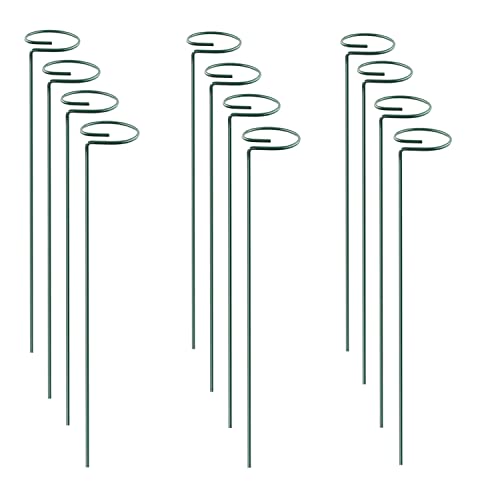
RAIKEDR 16-Inch Single-Stem Plant Support Stakes, 12-Pack

Sidefusi 6-Pack Rust-Resistant Plant Cages

SHCCPPJ 42-Inch Heavy Duty Square Tomato Cages with Clips, 3-Pack
Halatool 45-Inch Heavy Duty Tomato Cages, 4-Pack
More On The Choices That Made The List
A narrow bed can make full-size frames feel crowded, and storing rigid supports after harvest often takes more room than expected. The Cedar Ridge set uses foldable square frames that measure 13 by 56 inches, giving climbing plants a defined structure while allowing the cages to compress for storage. For most home gardens, that balance makes the set easier to manage than a permanent, bulky frame.
The three-cage package gives you room to separate tomatoes, beans, peas, cucumbers, or flowering climbers rather than crowding their roots. The fixed 56-inch length offers less positional flexibility than an adjustable design, so measure the bed before placing each frame. Still, for a gardener who values compact seasonal storage, the folding construction is a practical advantage.
A Few Highlights
- Folding construction simplifies storage between growing seasons.
- Each 13-inch-wide square leaves the central stem accessible for tying and pruning.
- Three frames support several crop groups or a mixed garden bed.
- The stated 56-inch height suits climbing flowers and many vegetables.
Things To Consider
- Its fixed dimensions offer less adjustment than taller adjustable supports.
- Plan for 13 inches of bed width per frame so neighboring plants do not become entangled.
Quick Facts
Made For
This set suits gardeners with limited storage space who grow tomatoes and other climbing crops in separate, narrow beds.
A Better Fit Elsewhere
Halatool 60-Inch Heavy Duty Tomato Cages suit gardeners who need substantially more vertical support for tall, single-stem plants.
The Halatool set stands considerably taller than the Cedar Ridge option, with each square frame measuring 60 by 15 by 15 inches. That extra vertical room suits tomatoes kept as single stems, along with cucumbers, pole beans, and determinate tomatoes. In a full garden bed, the taller profile can reduce the need to replace supports as plants climb.
Steel tubes receive a protective plastic coating intended to resist rust, weather exposure, and ultraviolet rays. The 15-inch footprint is narrower than many panel-style cages, which can help in a crowded bed, though the plant still needs training toward the frame. Your practical fit check is simple: leave enough width for access and make sure the base sits securely on level soil.
Features That Help
- The 60-inch height accommodates tall, single-stem tomato growth.
- Coated steel tubes provide rust and weather resistance.
- A narrow 15-inch square works well in compact rows.
- Two frames suit a full-bed arrangement.
Trade Offs
- Wide or heavily branched plants need pruning and regular training.
- The taller frames require more vertical clearance than shorter square cages.
Key Specs
The Right Fit
These cages suit experienced gardeners growing tall tomatoes in full beds who regularly prune and train their plants.
Reach For A Different Pick When
Cedar Ridge Foldable Heavy Duty Tomato Cages suit gardeners who need compact off-season storage more than the additional 60 inches of height.
Not every drooping stem needs a full cage, and a hoop stake can be a gentler choice for flowers and young vegetables. The RAIKEDR stakes measure 16.3 inches long with an approximately 2.5-inch hoop, creating a small loop around the stem. That shape helps guide upright growth without surrounding the plant with a large framework.
The 12-piece set works around mixed flower beds, containers, and garden rows where lilies, roses, peonies, amaryllis, tomatoes, or young plants need help remaining upright. You may find that the smaller hoop fits stems more neatly than a square frame. Heavy, spreading, or vigorously climbing plants call for a sturdier structure, though.
Where It Helps
- The compact hoop supports individual stems without occupying a full bed square.
- A 12-pack covers multiple flowers, pots, and young vegetables.
- The approximately 2.5-inch hoop can cradle small to medium stems.
Where It May Fall Short
- The 16.3-inch height offers little support for a tall or heavy tomato plant.
- Single-stem stakes do not create a framework for vines that climb across several sections.
Who It Suits Best
This set suits flower gardeners and container growers who want quick support for small stems rather than a full trellis.
Another Choice May Suit
SHCCPPJ 42-Inch Heavy Duty Square Tomato Cages suit gardeners whose plants need a taller climbing surface and clips for guiding vines.
Planting six crops across separate beds or containers calls for a kit with enough hardware to complete every frame. The Sidefusi package includes six rust-resistant plant cages, along with stakes, arms, connecting pipes, clips, and twist ties. That accessory assortment makes it a practical option when you want the support and tying materials arranged in one package.
The cages can reach 48 inches, giving seedlings and starter plants room to develop upward. Their green components also blend into a garden bed more discreetly than bare framework. The trade-off appears during setup, since the number of stakes, arms, pipes, and ties may take more organization than a two-piece folding frame.
What Helps Most
- Six cages support multiple beds, rows, or containers.
- The kit includes clips and twist ties for guiding stems.
- Up to 48 inches of height accommodates climbing growth.
- Green components blend into garden surroundings.
Practical Considerations
- Expect a larger assembly and storage task with six frames.
- Confirm that each garden location can accommodate the expanded cage footprint.
Feature Snapshot
Built With In Mind
This kit suits gardeners planting several beds or containers who value clips, ties, and multiple frame pieces at hand.
Look Elsewhere When
Halatool 45-Inch Heavy Duty Tomato Cages suit gardeners who want four frames plus protective netting and fewer separate connector pieces.
Raised beds often leave limited horizontal space, making the square footprint of the SHCCPPJ cages easier to organize than a round frame. Each cage reaches 42 inches, a practical height for many raised-bed tomatoes, beans, cucumbers, and climbing flowers. Three frames give you enough support for a compact row without taking over the whole bed.
Unlike a solid metal bar, the frame uses a thickened steel core beneath a protective plastic coating. That coating resists rust and reduces direct contact between the frame and sun-warmed vines. Clips and wire are also included, giving you practical ways to guide stems toward the square structure as they grow.
Notable Upsides
- The 42-inch height suits many raised-bed vegetables.
- A steel core provides structural support beneath the protective coating.
- The coating helps resist rust and heat transfer to climbing stems.
- Clips and wire support hands-on vine training.
Possible Compromises
- The 42-inch frame is shorter than the 60-inch Halatool option for tall single-stem plants.
- The coated steel-core construction should not be mistaken for a solid-metal frame.
Made For
These cages suit raised-bed gardeners who need a compact square frame, coated construction, and accessories for guiding climbing stems.
Consider Something Else When
Halatool 60-Inch Heavy Duty Tomato Cages suit gardeners who need more height for tomatoes trained as tall, single-stem plants.
The Halatool four-pack pairs square frames with a 45-inch insect net and zip ties, covering support and plant guidance in one coordinated setup. Each frame measures 43.3 by 13.8 by 13.8 inches, giving tomatoes, climbing vegetables, and flowers a defined surface without taking up a broad bed area. The net is especially relevant for mixed plantings where insects may reach developing produce.
Plastic-wrapped steel pipes form the frames and add protection against rust. Compared with the Sidefusi six-pack, this set includes fewer frames but adds netting and zip ties, so the deciding factor becomes your bed count and whether insect protection matters more than expansion. You may also need to plan how the net fits over the completed frame.
Real Benefits
- The package combines four frames with a 45-inch insect net.
- Zip ties help attach stems and climbing growth to the frame.
- Each narrow square leaves access inside the cage.
- Plastic-wrapped steel pipes resist rust.
Details To Watch
- Measure the container or bed width against the 13.8-inch frame base.
- Check how the included net sits over the frame before planting.
At A Glance
Who Should Grab It
This package suits gardeners with several compact planting sites who want frames, netting, and ties in a coordinated four-cage set.
Where A Sibling Pick Shines
Sidefusi 6-Pack Rust-Resistant Plant Cages suit gardeners who need more frames and a larger assortment of clips, connectors, and twist ties.
Plant, Space, and Support: What to Check
Match the frame to growth habit
A square cage works best when you guide a plant upward and keep its main growth within the frame. Determinate tomatoes, single-stem indeterminate tomatoes, pole beans, cucumbers, and climbing flowers each benefit from a different amount of training. Your pruning and tying routine should determine the required height, not simply the tallest available frame.
Measure the footprint before buying
Cage width affects both bed spacing and access to the soil. A narrow stake suits one stem, while a 13- or 15-inch square gives a tomato room to branch within a defined area. Measure the planting site and leave enough space to water, harvest, and remove leaves without repeatedly moving the support.
Account for assembly and accessories
Some cages arrive as foldable pieces, while others require multiple stakes, arms, pipes, clips, and ties to form a frame. A larger kit makes sense when you have several beds and want training materials nearby. Fewer frames with netting or zip ties may suit a mixed garden better, especially when insect protection is part of your plan.
Avoiding Costly Garden Setup Mistakes
Common Shopping Slip Ups
Choosing by height alone can leave you with a frame that is too wide for the bed or too short for the plant. Check the base dimensions, available sun exposure, and expected growth habit together. Avoid placing several frames so close together that their plants and maintenance paths overlap.
What Separates Premium From Basic
The more elaborate kits tend to add coated steel, connectors, clips, twist ties, netting, or zip ties. Those extras are useful when you want fewer separate supplies or easier vine training. The upgrade matters most for multiple beds, delicate young plants, or gardens where exposed hardware could create frequent tie points.
Frequently Asked Questions
What height tomato cage is best for most gardens?
A cage around 42 to 48 inches suits many raised-bed tomatoes and climbing vegetables. Taller plants kept as single stems may benefit from a 60-inch frame instead.
Are square or round tomato cages better for a raised bed?
Square cages use bed space efficiently and provide several sides for attaching climbing stems. Round frames can offer more open access around the plant, but their width may take up more space.
Can one tomato cage support multiple plants?
You can train several plants onto one frame, though crowded growth complicates pruning, watering, and harvesting. Separate cages usually make daily care easier when roots or vines are close together.
Do tomato cages need clips or twist ties?
Clips and ties help keep stems from falling away from the support as plants grow. Your chosen variety may not need constant fastening, but having ties within reach makes early training simpler.
What size cage works for large pots?
Measure the pot opening and leave room around the base so the frame can sit securely. A 13- to 15-inch square often fits pots comfortably, but unusual containers require a direct width check.
Wrap Up
Your best option depends on the plant, not the package size alone. Compact flowers need little more than a hoop stake, raised beds benefit from a coated square frame, and tall tomatoes may need the extra height of a 60-inch cage. Measure the growing space, consider how much training you want to manage, and select the frame that fits both the plant and your routine.
