
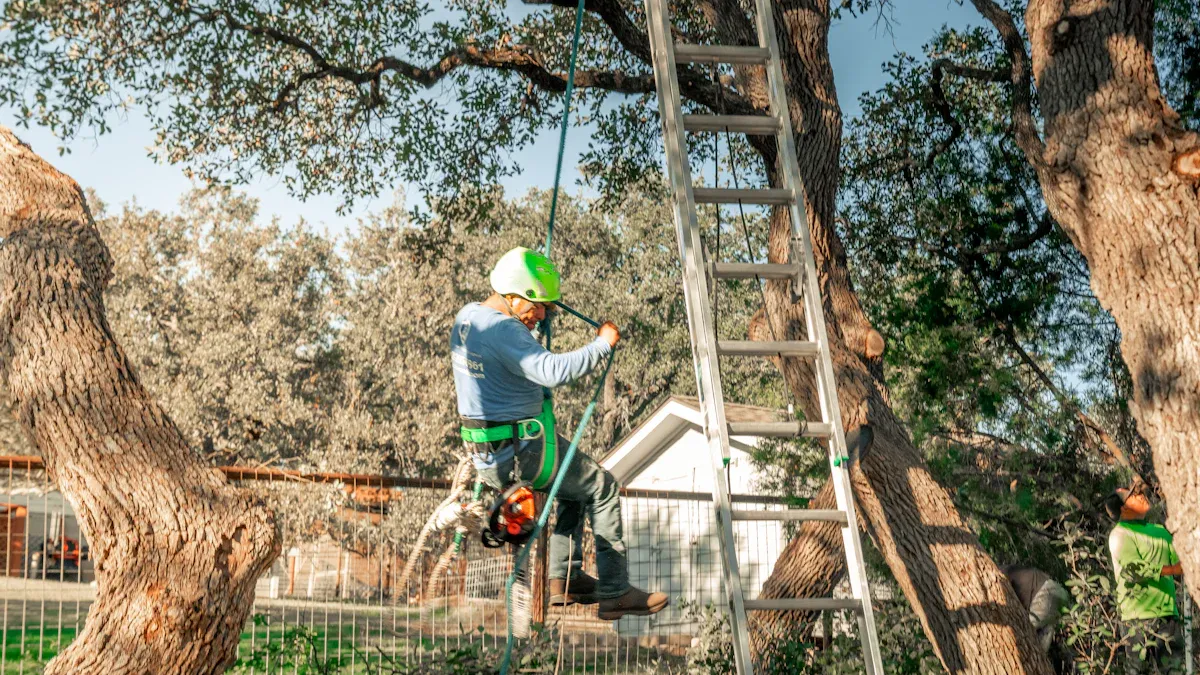
Pruning plays a crucial role in maintaining the health and growth of your plants. By removing dead or overgrown branches, you enhance air circulation and allow more light to reach the inner parts of the plant. This process not only promotes vigorous growth but also helps prevent diseases. According to scientific studies, proper pruning techniques can significantly improve the yield and quality of your trees, shrubs, and flowers. For instance, autumn pruning can lead to superior yields and the best quality fruits during the right season.
Key Takeaways
Pruning enhances plant health by removing dead or diseased parts, improving air circulation and light exposure.
Proper pruning techniques can significantly boost fruit production and overall plant growth, leading to a more vibrant garden.
Timing is crucial; prune during the dormant season for best results and to minimize stress on plants.
Use the right tools for each type of plant to ensure clean cuts that promote faster healing and reduce disease risk.
Avoid common mistakes like over-pruning and incorrect timing to keep your plants healthy and thriving.
Understanding Pruning Techniques
What is Pruning?
Pruning refers to the selective removal of specific parts of a plant, including branches, buds, or roots. This horticultural practice helps you manage plant growth and health effectively. By removing unwanted or unhealthy parts, you encourage the plant to focus its energy on producing new growth. This process can lead to stronger, healthier plants that thrive in their environment.
Benefits of Pruning
Pruning offers numerous benefits that contribute to the overall health and vitality of your plants. Here are some key advantages:
Promotes Tree Health: Pruning removes dead or diseased branches, which helps prevent decay and disease. This action improves air circulation and allows sunlight to reach the inner parts of the plant.
Enhances Fruit Production: Proper pruning techniques can increase the size and quantity of fruit. By stimulating growth spurs and optimizing flowering, you can enjoy a more bountiful harvest.
Supports Wildlife Habitats: Healthy plants provide shelter and food for various wildlife, contributing to a thriving ecosystem.
To achieve these benefits, you must apply the right pruning techniques. Here’s a table summarizing some common pruning techniques and their applications:
Pruning Technique | Description | Application |
|---|---|---|
Removal Cut | Removes a branch back to a trunk or parent stem at the collar. | Used for removing unwanted branches. |
Reduction Cut | Reduces the height of plants or length of branches by cutting back to a lateral branch. | Ideal for controlling plant size. |
Heading Cut | Cuts a shoot or stem back to a bud, typically on younger stems. | Commonly used for maintaining shrubs like forsythia. |
Rejuvenation | Involves cutting back older plants to promote new growth. | Used for overgrown shrubs to restore vigor. |
However, improper pruning techniques can negatively affect plant health and longevity. Here are some potential risks:
Removing too much foliage can starve the tree, reducing its ability to photosynthesize.
A drastic reduction in foliage leaves the tree unable to heal from wounds effectively.
Weakens defenses against pests and diseases, potentially leading to tree death.
By understanding the importance of proper pruning techniques, you can avoid these pitfalls and ensure your plants remain healthy and vibrant.
Tree Pruning Techniques
Tools for Tree Pruning
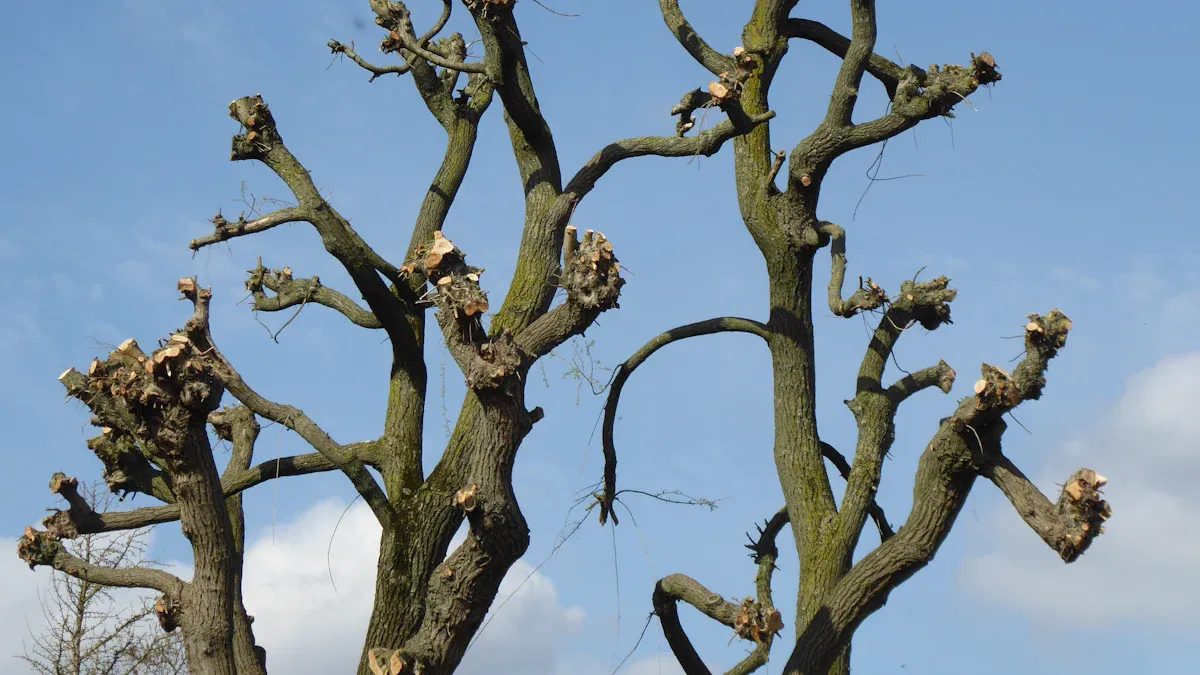
To prune trees effectively, you need the right tools. Here are some essential pruning tools and their features:
Hand Pruners: Ideal for cutting small branches up to ¾ inch thick. They provide precision for detailed work.
Loppers: These have longer handles and can cut branches between 1 and 2 inches thick. They offer extra leverage and reach.
Pruning Saws: Designed for larger limbs, these saws feature curved blades for efficient cutting of thicker branches.
Using the right tools ensures clean cuts that heal faster. For instance, bypass pruners work best on living branches, while anvil pruners are suitable for dead wood. Always inspect your tools before use to ensure they function properly and meet safety standards.
Timing for Tree Pruning
Timing is crucial when it comes to pruning trees. The best time to prune deciduous trees is during their late dormant season, typically from December to April. This timing minimizes the risk of disease and pest infestation, as many pathogens are less active in cold weather. For evergreen trees, late winter or early spring is ideal. Pruning during these periods allows cuts to heal before the growing season begins.
Remember, early pruning can create open wounds that attract insects and pathogens. Always choose the right time to protect your trees.
Techniques for Different Tree Types
Different tree types require specific pruning techniques. Here are some guidelines:
Fruit Trees: Prune in late winter or early spring before bud-break. This reduces stress and allows cuts to heal. Use thinning cuts to improve light infiltration and support strong branches for fruit.
Ornamental Trees: Focus on removing dead, dying, or diseased branches. Maintain a balanced shape but avoid removing more than one-third of the canopy. Crown-raising can elevate the canopy for aesthetic purposes.
For young trees, light clean-up is essential. Remove small problems before they escalate. Mature trees may need more involved pruning to remove diseased wood and maintain health.
By understanding these techniques, you can ensure your trees thrive and remain healthy.
Shrub Pruning Techniques
Tools for Shrub Pruning
To effectively prune shrubs, you need the right tools. Here are some essential tools for pruning shrubs:
Hand Pruners: Best for small, soft stems. Bypass types are preferred for clean cuts.
Loppers: Use these for branches over 1/4 inch in diameter. They provide leverage for cutting thicker branches.
Pruning Saws: Ideal for larger cuts. These saws help remove thick branches from shrubs or trees.
Hedge Shears: Use these for shaping hedges, but avoid them for general shrub pruning.
Hedge Trimmers: Motorized tools that efficiently shape large areas of hedges and shrubs.
Maintaining your tools is crucial. Clean the blades after each use to keep them effective. Sharpen them regularly using a whetstone or diamond stone. Disinfecting tools with hydrogen peroxide or rubbing alcohol prevents the spread of plant diseases.
Timing for Shrub Pruning
Timing plays a vital role in pruning shrubs. You should know whether your shrubs bloom on new wood or old wood. For flowering shrubs that bloom on new wood, prune them in early spring as new growth begins. This allows them to recover and produce flower buds for the season. Conversely, shrubs that flower on old wood should be pruned right after they finish blooming. Pruning at the wrong time can disrupt their natural growth and flowering cycles, leading to reduced flowering and overall health.
Techniques for Different Shrub Types
Different types of shrubs require specific pruning techniques. Here are some guidelines:
Deciduous Shrubs: Prune these after they bloom. This helps maintain their shape and encourages new growth.
Evergreen Shrubs: These typically require minimal pruning. Focus on selective pruning to maintain their natural shape. Remove dead or diseased branches at any time.
Newly Planted Shrubs: For young shrubs, minimal pruning is needed. Focus on encouraging good branch structure. Remove any broken or diseased branches at planting.
By understanding how to prune shrubs effectively, you can promote healthy growth and vibrant blooms in your garden.
Flower Pruning Techniques
Tools for Flower Pruning
To prune flowers effectively, you need the right tools. Here are some essential tools for flower pruning:
Secateurs: Ideal for soft stems up to pencil thickness.
Loppers: Suitable for branches up to 2 ½ inches thick, great for fruit trees and vines.
Pruning Saw: Handles branches from 1 ½ to 5 inches in diameter.
Hedge Shears: Effective for hedges and small shrubs, cutting branches up to 2 ¼ inches thick.
Pole Pruner: Useful for reaching high branches and cutting through branches up to 1 ¼ inch in diameter.
Using the right tools ensures clean cuts, which minimizes damage to the plant. Properly maintained tools can prevent the spread of diseases and enhance the overall health and appearance of your flowers.
Timing for Flower Pruning
Timing plays a crucial role in flower pruning. Here are some guidelines to follow:
Annual Flowers: Prune them early in the season before the first flowers open. This encourages dense branching and promotes a fuller appearance.
Spring Blooming Perennials: Prune just after they bloom to maintain their shape and vigor.
Summer and Fall Blooming Perennials: Prune in spring to promote bushier growth. Regular deadheading throughout the growing season is essential to promote continuous flowering.
Remember, the timing of your pruning can influence blooming periods and plant vigor. For example, pruning during the dormant season can lead to more vigorous growth in spring.
Techniques for Different Flower Types
Different flower types require specific pruning techniques. Here are some examples:
Roses: Hybrid tea roses need annual pruning to about 15-18 inches in spring. Climbing roses require careful management of old canes.
Perennials: Deadheading spent flowers can promote repeat blooming. Pinching back flower stalks can delay blooming by 2-3 weeks, allowing for staggered flowering.
Annuals: Regular pinching encourages bushier growth and improves flowering.
By understanding these techniques, you can ensure your flowers thrive and improve flowering throughout the growing season.
Common Pruning Mistakes
Over-Pruning
Over-pruning is one of the most common mistakes gardeners make. When you remove too much foliage, you weaken the plant. This action can lead to several problems. A plant that loses too many leaves struggles to photosynthesize effectively. As a result, it may become vulnerable to diseases and pests. You might notice stunted growth or even dieback in severe cases.
To avoid over-pruning, always assess the plant’s health before making cuts. Focus on removing dead wood and only trim back what is necessary. Remember, less is often more when it comes to pruning.
Incorrect Timing
Timing is crucial in the pruning process. If you prune at the wrong time, you can disrupt the growth and flowering cycles of your plants. For example, pruning spring-blooming shrubs in late winter can remove the buds that would have produced flowers. This mistake leads to fewer blooms and can affect the overall health of the plant.
To ensure proper timing, familiarize yourself with the specific needs of each plant species. Some plants thrive when pruned in early spring, while others prefer late summer. Always check the best practices for the plants in your garden.
Using Dull Tools
Using dull tools is another mistake that can harm your plants. Dull blades tear rather than cut, leading to jagged wounds. These wounds take longer to heal, increasing the risk of disease. Additionally, using unsanitized tools can transmit diseases and pests between plants. This practice can damage or even kill your plants.
To prevent these issues, keep your tools sharp and clean. Regularly sharpen blades and disinfect them after each use. This simple step can help maintain the health of your garden.
Here’s a summary of common pruning mistakes and their consequences:
Pruning Mistake | Consequence |
|---|---|
Improper Timing | Disrupts growth and flowering cycles of plants. |
Over-Pruning | Weakens the plant, making it vulnerable to diseases and pests. |
Incorrect Pruning Cuts | Harms the plant and impedes healing, increasing disease risk. |
Using Unsanitized Tools | Transmits diseases and pests, potentially damaging or killing plants. |
Forgetting to Consider Species | Leads to poor pruning results and missed flowering opportunities for certain plants. |
By avoiding these common mistakes, you can ensure your pruning efforts lead to healthy, thriving plants.
Pruning plays a vital role in maintaining the health and beauty of your plants. By applying the right techniques, you can enjoy numerous benefits:
Benefit | Description |
|---|---|
Improved Plant Health | Pruning removes dead or diseased parts, preventing disease spread and enhancing overall health. |
Reduced Pests and Insect Control | Pruning helps manage pests that weaken plants and can spread diseases. |
Enhanced Plant Growth | Pruning encourages growth of other shoots, leading to healthier plants. |
Enhanced Aesthetics | Proper pruning promotes the growth of young stems and flowers, improving visual appeal. |
Remember to avoid common mistakes like over-pruning and incorrect timing. Embrace these techniques in your gardening efforts. Your plants will thrive, and your garden will flourish!