

A tropical planter with damp soil can attract a surprising amount of organic debris. Leaf litter settles at the base, food scraps accumulate near the roots, and a stagnant substrate slowly loses its open structure. The six bioactive options below approach that problem with cleanup crews, specialized foods, and layered soil systems built for planted terrariums and related habitats.
They serve different purposes, so your choice depends on whether you need living cleanup organisms, supplemental nutrition, or a complete enclosure foundation. Most are intended for bioactive terrarium habitats rather than ordinary houseplant pots.
Your Options, Compared

TC INSECTS Powder Orange Isopods, 30 Count
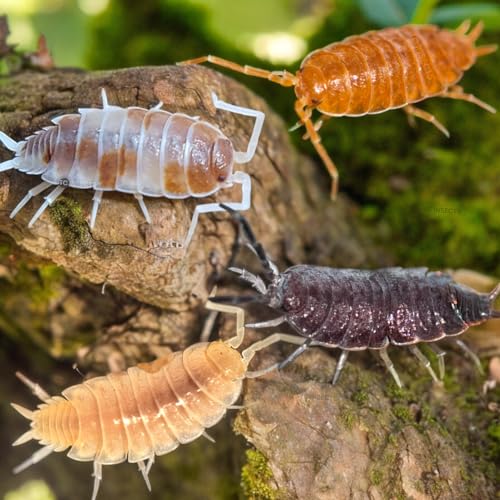
TC INSECTS Party Mix Isopods, 30ct

TC INSECTS Isopod Food with Organic Mushrooms and Ground Cuttlebone

TC INSECTS Springtail Food

TC INSECTS Bioactive Terrarium Kit, Isopods and Springtails

TC INSECTS Ultra Isopod Habitat Kit with Substrate, Hides, and Sphagnum Moss
The Strengths Of Each Pick
A planted tropical terrarium can lose its open structure as leaf litter and food scraps collect beneath the plants. The TC INSECTS Powder Orange Isopods add 30 named cleanup organisms, identified as Porcellionides pruinosus, to work through decaying organic material.
These detritivores, animals that feed on dead plant matter and other decomposing debris, suit a bioactive enclosure with established substrate. Compared with the assorted TC INSECTS Party Mix Isopods, this listing gives you a specific species and count, although it does not include soil, hiding places, or a complete habitat.
What Makes Sense
- The named species gives you a clearer identity than a random assortment.
- A group of 30 can support the natural breakdown of leaf litter and uneaten food.
- The cleanup role can complement plants without disturbing the visible soil layer.
- It adds living function to a substrate you already have.
Worth Noting
- These isopods supplement a habitat; they do not replace soil or a shelter.
- Living animals need a suitable enclosure rather than a standard plant pot.
Quick Facts
Right Fit For
You are starting a bioactive planted terrarium and want one clearly identified cleanup species to add to an existing substrate.
Another Choice May Suit
TC INSECTS Party Mix Isopods suit you better when variety matters more than receiving a single named species.
A mixed isopod collection can bring more visual variety to a bioactive terrarium, but you give up precise control over what arrives. This TC INSECTS option includes 30 isopods selected at random, so the species, size, and uniformity of the group can vary.
For your first bioactive collection, that unpredictability may be acceptable. The live shipment also needs more attention than an inert product, particularly during temperatures below 40°F or above 90°F, when the listing advises waiting or holding the shipment for pickup.
A Few Strong Suits
- A mixed group adds variety without requiring separate purchases.
- Thirty organisms provide a practical starting quantity for a new culture.
- The collection can contribute to the same organic-debris cleanup role as the named Powder Orange selection.
Practical Considerations
- The mix does not provide a uniform species or size distribution.
- Extreme outdoor temperatures call for extra care before the live animals are shipped.
- Someone must receive the shipment promptly rather than leaving it outside unattended.
Who It Suits Best
You enjoy varied isopod collections and can manage the extra attention required by a live, randomly assembled shipment.
Where A Sibling Pick Shines
TC INSECTS Powder Orange Isopods suit you better when knowing the exact species in the cleanup crew matters.
Once a cleanup colony is active, feeding becomes part of keeping the habitat balanced. This powdered TC INSECTS food combines protein, fiber, carbohydrates, calcium, vitamins, and minerals, giving you a single supplemental feed rather than several separate ingredients.
The powder format is useful across life stages because small juveniles and larger adults can consume it without struggling with large pieces. Compared with the springtail-specific Culture Booster, this formula targets isopods and includes ground cuttlebone, a calcium-rich material also found in the ingredient list.
Everyday Wins
- Powdered form makes the feed accessible to different isopod sizes.
- Ground cuttlebone adds a recognizable calcium source to the blend.
- Organic mushrooms contribute another food component within the formula.
- The combined ingredient profile reduces the need to assemble a separate dietary mix.
- It supports routine feeding without replacing the surrounding substrate.
Small Caveats
- This is a targeted isopod feed, not a complete enclosure or soil substitute.
Feature Snapshot
Made For
You maintain an established isopod culture and want one powdered feed that suits adults and young animals.
Look Elsewhere When
TC INSECTS Springtail Food suits you better when the main colony you are feeding consists of springtails rather than isopods.
Springtails form a separate part of the cleanup community in a bioactive enclosure, so they need a food designed for their feeding habits. This TC INSECTS Culture Booster uses a mushroom-based formula with added calcium, vitamins, and minerals.
The 8-ounce shaker container is convenient for distributing small portions across a culture. Unlike the broader isopod feed, this option focuses on springtails, making it a straightforward choice for a terrarium where springtails are already established and need supplemental nutrition.
Key Advantages
- The shaker format supports controlled portions and easy distribution.
- Mushroom and calcium form the core of a springtail-specific blend.
- Vitamins and minerals round out the feeding profile.
- The 8-ounce container holds a practical quantity for routine culture feeding.
Details To Watch
- It is formulated for springtails rather than serving as a general enclosure feed.
- Food does not replace the damp substrate and sheltered areas required by a culture.
Core Details
The Right Fit
You keep springtails in a bioactive culture and want a convenient feed made specifically for their nutritional needs.
Reach For A Different Pick When
TC INSECTS Isopod Food with Organic Mushrooms and Ground Cuttlebone suits you better for an isopod-focused colony.
Building a bioactive terrarium usually means gathering substrate, cleanup organisms, and a springtail culture separately. This TC INSECTS kit brings those pieces together with 30 Powder Orange isopods, an 8-ounce coco temperate springtail culture, and 2 quarts of isopod substrate.
Its care guidance gives you a practical baseline: 70–80°F, humidity around 60–80%, one moist corner, a drier side, and good ventilation. Compared with the food-only products, this bundle gives a first enclosure a much more useful foundation, while bark or cork can be added for extra hiding areas.
The Helpful Details
- The kit combines substrate, isopods, and springtails in one package.
- Thirty Powder Orange isopods begin the cleanup-crew side of the habitat.
- The 8-ounce springtail culture adds a second group that processes organic debris.
- Two quarts of substrate provide a defined starting base for a new terrarium.
- Its moisture, humidity, and ventilation guidance helps you establish the habitat.
Points To Note
- The two-quart substrate quantity may require another container for a larger enclosure.
- Living cultures need a controlled environment, so the kit is not interchangeable with an ordinary houseplant pot.
Who Should Grab It
You are building your first bioactive terrarium and want substrate plus both cleanup groups in a coordinated starter package.
Swap It Out When
TC INSECTS Ultra Isopod Habitat Kit suits you better when you need hides, sphagnum moss, dedicated feeds, and a vented habitat container.
A dedicated isopod habitat needs more than substrate to function smoothly. The TC INSECTS Ultra kit adds two charcoal hides, 16 ounces of New Zealand sphagnum moss, springtail food, isopod food, and a clear habitat with ventilation on two sides.
Its 2-quart substrate blend combines woodchips, charcoal, sphagnum, peat, sand, flake soil, rotten soft wood, calcium, and worm castings. Compared with the Bioactive Terrarium Starter Kit, this package focuses on building a furnished culture habitat rather than supplying live organisms.
Strengths Worth Knowing
- The substrate combines mineral, plant, and organic components for varied texture.
- Two charcoal hides provide edible shelters for isopods and springtails.
- Sixteen ounces of sphagnum creates a damp retreat for the culture.
- Included feeds support both major groups of cleanup organisms.
- Two-sided ventilation helps you manage airflow in the clear habitat.
Possible Compromises
- The kit does not include live isopods or a springtail culture.
- You will need to assess the habitat dimensions against the population you plan to keep.
Technical Highlights
Built With In Mind
You are furnishing a dedicated isopod culture and want substrate, shelter, moss, ventilation, and supplemental food assembled together.
A Better Fit Elsewhere
TC INSECTS Bioactive Terrarium Kit, Isopods and Springtails suits you better when you need live cleanup organisms included from the start.
Building A Tropical Planter That Stays Balanced
Start With The Root Zone
A tropical plant needs an airy root zone, but moisture retention still matters. Heavy, compacted material can exclude air, while an overly loose mix may dry too quickly between waterings. Check the actual planting container before choosing a substrate, especially for orchids, ferns, aroids, and other plants with distinct moisture needs.
Match Moisture To Drainage
Drainage holes and a suitable container matter as much as the soil itself. A substrate containing sphagnum, peat, wood, or other moisture-holding components will behave differently from a mostly mineral mix. Watch how quickly the lower portion stays damp and adjust the mix rather than keeping the surface wet by reflex.
Add Biology Only Where It Fits
Bioactive means that living organisms help process organic material within a managed habitat. Isopods and springtails belong in controlled terrarium environments with shelter, ventilation, and suitable humidity, not directly in an ordinary indoor plant pot.
Plan Quantity And Climate
Estimate the volume needed to fill the container with a usable soil depth while leaving room for planting and drainage. For live cultures, temperature and humidity become direct setup variables, and a larger population needs more space, more food, and a dependable moisture source.
Avoid Costly Mistakes With Bioactive Soil
Wrong Turns To Avoid
Do not choose a habitat kit simply because its substrate looks rich. Confirm that the setup supports living organisms, and keep bioactive soil separate from standard houseplant use. Ignore the “plant” label while reading the included materials, and consider ventilation, shelter, feeding, and population size together.
What Separates Premium From Basic
Higher-tier kits add more materials, enclosure parts, or specialized components rather than simply containing more soil. The added cost can be worthwhile when those pieces replace separate purchases, but a smaller setup may need only a named cleanup crew, one feed, and an appropriate container.
Frequently Asked Questions
Is Bioactive Soil Suitable for Tropical Plants?
It can support tropical plants placed inside a properly managed bioactive terrarium. It is not interchangeable with ordinary potting soil in a standard houseplant pot.
Can Isopods Live With Tropical Plants?
Yes, within a controlled bioactive enclosure that provides suitable humidity, ventilation, shelter, and organic material. Avoid releasing them into an unrestricted indoor garden or outside.
How Much Substrate Does a Terrarium Need?
Choose enough to support the root zone while preserving room for drainage and planting depth. Larger habitats will quickly exceed the two quarts included with the TC INSECTS Bioactive Terrarium Kit.
Should Isopod and Springtail Food Be Used Together?
The foods target different organisms, so using both makes sense in a terrarium containing isopods and springtails. Each product remains a supplemental feed within a varied habitat diet.
What Should Happen to a Live Isopod Shipment in Extreme Heat or Cold?
The TC INSECTS Party Mix listing advises waiting or holding the shipment when temperatures are below 40°F or above 90°F. You should also make sure someone can receive the live animals promptly.
Final Thoughts
The best fit for a tropical planted habitat depends on what your setup still needs. Named isopods offer a straightforward cleanup crew, powdered foods support specific cultures, and the two larger kits combine substrate with more of the habitat infrastructure. Start by matching the product to your enclosure and existing collection, then maintain the right balance of moisture, shelter, ventilation, and supplemental food. A thoughtful setup now makes ongoing care much easier to manage.
