

Growing tomatoes rewards good soil, but the right growing medium depends on where the plants live. A raised bed needs a different balance from a crowded container, and an established bed may call for compost rather than a complete potting mix.
The six options below cover those different jobs. You’ll find ready-to-use potting soil, compressed coir, organic compost, and two fertilizers that can support tomatoes without replacing the soil itself. Pay attention to drainage, volume, and how you plan to feed the plants, since one bag rarely solves every stage of the growing season.
The Main Contenders

FoxFarm Ocean Forest Potting Soil 1.5 cu ft, 2-Pack

Charlie’s Compost 10lb

Organic Plant Magic Compressed Organic Potting Soil, Expands 4x with Water

Verdana Coco Coir Potting Soil Brick 10 lb, Expands to 18 Gallons
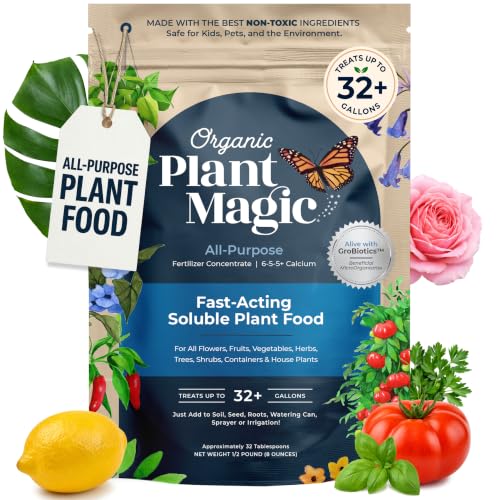
Organic Plant Magic Water-Soluble Plant Food 1/2 lb

Organic Plant Magic Slow-Release Granular Fertilizer, 4 lb for Indoor and Outdoor Plants
The Picks, Examined More Closely
Tomatoes grown in containers need a growing medium that holds enough moisture for daily growth without becoming compacted. FoxFarm Ocean Forest provides a light, aerated potting soil in a convenient two-pack, so you can fill several large pots or replace depleted mix at the start of a season.
Its blend includes earthworm castings and fish meal, which makes it more substantial than a plain soilless base. For most home growers, the ready-to-use format is the main advantage; you avoid combining separate ingredients before planting.
The Practical Payoff
- Ready for container planting without a separate mixing step
- Light texture supports drainage and root movement
- Two 1.5-cubic-foot bags cover multiple large pots
- Earthworm castings add organic matter to the blend
Things To Consider
- Two bulky bags require meaningful storage space, making the compressed choices easier to keep in a garage or utility closet
Quick Facts
Made For
You’ll benefit most from Ocean Forest when growing tomatoes in large containers and want a ready-to-use potting medium.
Consider Something Else When
Organic Plant Magic’s compressed potting soil suits you better when storage space is limited and you can hydrate the mix before planting.
Not every tomato bed needs replacement soil. Charlie’s Compost works as a concentrated amendment for depleted garden soil, raised beds, and planting areas where you want to add organic matter and nutrients without removing the existing mix.
Unlike FoxFarm Ocean Forest, which is a complete container potting soil, this product is designed to enrich what you already have. The 10-pound package is OMRI listed for organic use, making it relevant to vegetable gardens managed under organic gardening practices.
Benefits That Matter
- Adds nutrients and organic matter to tired soil
- Useful across vegetables, flowers, trees, lawns, and raised beds
- Concentrated format reduces the volume needed per application
- Listed for organic gardening use
Practical Considerations
- It functions as an amendment rather than a standalone potting medium for containers
- Application rate matters because the compost is concentrated
Who It Suits Best
Charlie’s Compost fits you best when improving an established raised bed or garden row before planting tomatoes.
Where Another Pick Shines
FoxFarm Ocean Forest is the better fit for a patio tomato planted directly in a container with no soil mixing.
A compressed mix solves a practical storage problem for tomato growers working from a small apartment or keeping supplies out of a humid shed. This blend expands up to four times after watering and can make as much as three gallons of potting mix, which is enough for several medium containers.
Compared with Charlie’s Compost, it is intended to serve as a planting medium rather than merely enrich existing soil. Coconut coir and worm castings form the base, while the listed nutrient package includes more than 55 trace minerals.
What Stands Out
- Fourfold expansion reduces storage and carrying volume
- Produces up to three gallons after hydration
- Works for indoor and outdoor planting
- Contains coir, worm castings, and trace minerals
- Resealable packaging helps protect unused material
Room For Improvement
- Water is required before the mix reaches its full volume
- The three-gallon yield covers fewer large containers than the bulkier options
Best Suited To
This compressed mix suits you best when you need a light, nutrient-containing medium for balcony tomatoes and compact indoor growing spaces.
A Better Fit Elsewhere
Verdana Coco Coir offers more expanded volume, making it the better choice for a larger raised bed or multiple seedling trays.
Verdana’s coconut coir brick is built for volume. The 10-pound compressed block expands to approximately 72 quarts, or 18 gallons, after hydration, giving you considerably more medium than the smaller compressed soil blend from Organic Plant Magic.
Coir is a lightweight growing medium commonly used as an alternative to peat-based material. You can use this brick for seed starting, raised beds, houseplants, or a custom potting mix, depending on how much drainage and additional nutrition your planting mix needs.
A Favorable Mix
- Expands to 18 gallons for large planting projects
- Compact brick is easy to store before use
- Supports seed starting, raised beds, containers, and houseplants
- Coir serves as an alternative to peat-based growing media
Details To Watch
- The block must be hydrated before planting
- It starts as a base medium, so you may want to blend it with other components for container use
Feature Snapshot
Built With In Mind
This brick fits you best when a raised bed or seedling project needs a large volume of lightweight medium.
Another Choice May Suit
Organic Plant Magic Compressed Potting Soil is more convenient for you when you want a premixed medium and only need about three gallons.
Sometimes the soil is already in place and the tomato plants simply need additional nutrition. This water-soluble concentrate fills that role, making up more than 32 gallons of liquid plant food from a half-pound package.
It works across vegetables, herbs, flowers, fruit plants, trees, gardens, and indoor houseplants. Compared with Verdana’s coir brick, it does not supply growing medium; you apply it to soil you already have, which is useful for established containers and mixed garden beds.
Practical Pluses
- Half-pound package makes more than 32 gallons of liquid feed
- Liquid format allows measured dilution
- Serves tomatoes, vegetables, herbs, flowers, fruit plants, trees, and houseplants
- Works for both indoor and outdoor growing
Some Limits To Know
- It is plant food rather than a substitute for potting soil
- Dilution needs care because the concentrate is intended to be mixed with water
The Right Fit
This liquid plant food suits you best when you maintain several kinds of plants and want one feeding option for containers and garden beds.
Where A Sibling Pick Shines
Organic Plant Magic Slow-Release Granular Fertilizer is a better fit when you prefer feeding the soil less often than with liquid applications.
Slow-release granules suit tomato growers who want fertilizer to remain at the soil surface and gradually feed the plants over time. You can place the granules in planting holes, mix them with soil, or use them as a top dressing around established plants.
The four-pound bag covers indoor houseplants as well as outdoor flowers, vegetable gardens, fruit trees, and shrubs. Unlike the water-soluble concentrate from Organic Plant Magic, this option is spread directly onto the growing medium rather than diluted into a watering solution.
Everyday Perks
- Slow-release format reduces the need for frequent liquid feeding
- Works in planting holes, mixed soil, and top dressings
- Suits tomatoes, flowers, fruit trees, shrubs, and houseplants
- Four-pound package supports indoor and outdoor gardens
Trade-Offs To Consider
- Granules require more care to distribute evenly around roots
- Slow release differs from the adjustable dilution of liquid fertilizer
Technical Highlights
Who Should Grab It
This granular fertilizer suits you best when you want a low-frequency feeding option for tomatoes in raised beds or large containers.
Reach For A Different Pick When
Organic Plant Magic Water-Soluble Plant Food fits you better when you prefer mixing a measured liquid feed during routine watering.
Match the Medium to the Growing Site
Container tomatoes need a ready-to-use mix
Container soil must combine water retention with enough aeration for roots to breathe. FoxFarm Ocean Forest suits gardeners who want a complete medium without blending components, while Organic Plant Magic Compressed Potting Soil offers a lighter package that expands with water. Check the mature size of your tomato variety before choosing the pot volume, since larger varieties need more root space.
Raised beds reward amendments and volume
An established bed may already have suitable drainage, making Charlie’s Compost a practical addition for organic matter and nutrients. Verdana Coco Coir fits a different need: creating or expanding a lightweight bed with a large hydrated volume. Compare the amount of space you have with the volume of soil your project requires.
Fertilizer supports soil without replacing it
Fertilizer adds nutrients but does not supply the physical growing medium required by roots. Water-soluble concentrate offers measured liquid feeding, while slow-release granules suit a lower-frequency routine. Match the feeding method to your routine rather than applying both products at once.
Common Shopping Slip Ups
Mistaking fertilizer for soil
A plant food cannot take the place of a container medium. Check the label and use fertilizer to support plants already rooted in soil, compost, coir, or potting mix.
Ignoring the watering and storage steps
Compressed products need hydration before use, and their small size is part of the advantage. Allow enough time and container space for the mix to expand before planting.
What Separates Premium From Basic
The case for spending up
More costly options may provide a richer blend, a larger volume, or added nutrients within the same medium. The extra expense matters most when it removes a mixing step, expands into the volume your bed requires, or replaces several separate products.
A smarter balance
Spend more on the feature your setup genuinely lacks. A large raised bed may need volume, while a small container benefits more from a complete premixed soil that is easy to handle.
Frequently Asked Questions
What is the best soil for tomatoes in containers?
A light, aerated potting mix gives tomato roots room to develop while retaining enough moisture for growth. FoxFarm Ocean Forest is convenient for standard containers, while the compressed Organic Plant Magic blend offers easier storage.
Is compost enough for growing tomatoes?
Compost is an amendment for existing garden soil rather than a complete container medium. Charlie’s Compost can enrich depleted beds, but container tomatoes generally need a formulated potting mix for structure and drainage.
Is coir suitable for tomato plants?
Coconut coir provides a lightweight medium suitable for raised beds, containers, and seed starting. You may need to combine it with other components based on the drainage and nutrient requirements of your planting mix.
Should soil for tomatoes contain fertilizer?
A pre-fertilized mix can support early growth, while a separate fertilizer gives you more control over later feeding. Avoid combining multiple feeding products unless you can account for the extra nutrients each one contributes.
How much soil do I need for tomato containers?
You need enough medium to fill the container while leaving room for the plant and its root system. Measure the pot’s volume and consider the mature size of your tomato variety before choosing a bag.
Final Verdict
Start with the growing site: use a ready-to-use mix for containers, compost or coir for garden beds, and fertilizer only to support plants already in suitable soil. FoxFarm Ocean Forest is the most straightforward container choice, while compressed coir and potting mixes prioritize storage and volume. Whichever route you take, match drainage, nutrient management, and plant size to the space you actually have.
