Pothos grows happily in a room with ordinary light, yet its pot still needs careful attention. Soil that stays compact or wet gives roots less air and makes routine watering harder to judge. The six options below cover different needs, from airy amendments to moisture-retentive moss, so you can match the material to your pot, watering habits, and experience level.
Chartreuse moss gives a pothos pot a finished look without burying the plant in dense decoration. The preserved material is described as softer and less dusty than ordinary moss, which makes it easier to handle while dressing a planter.
This is a surface treatment rather than a complete potting medium. It suits you best when the pot already contains a suitable soil mix and you want to cover exposed soil, dress a container, or add a decorative layer.
Practical Pluses
✓The chartreuse color adds strong visual contrast to green foliage.
✓Preserved moss retains a softer texture and fresher appearance.
✓The 8-ounce volume is manageable for a few decorative containers.
✓It works as a finishing layer without disturbing the plant’s root zone.
Trade Offs
•This material cannot replace an airy, drainable soil mix for a potted pothos.
•The bright color suits decorative planting, though it may feel more ornamental than natural in a minimalist pot.
Made For
You will appreciate this moss most when styling a bright indoor planter where the exposed soil needs a tidy finishing touch.
Consider Something Else When
Gerta 10QT Horticultural Perlite for Houseplants 3-6mm is a better fit when your priority is creating an airy root zone rather than decorating the surface.
Perlite is the practical mixer for anyone building a lighter pothos medium from scratch. These coarse 3-6mm granules create spaces between soil particles, improving airflow and helping water move through the pot instead of remaining trapped around the roots.
Unlike the decorative moss, this is an amendment rather than a surface layer. You blend it with a suitable potting base at your preferred ratio, then adjust the mixture according to your pot size and how quickly it dries.
The Upside
✓Coarse granules preserve more space between potting-mix particles than fine dust.
✓The 10-quart supply supports repeated mixing for multiple houseplants.
✓It can improve drainage in compacted potting soil without replacing the base mix.
✓The material also works as a rooting medium for suitable cuttings.
Practical Considerations
•Perlite alone will not provide the moisture-holding balance a potted pothos generally needs.
•Dust may appear during transport, so wet and rinse the perlite before mixing it.
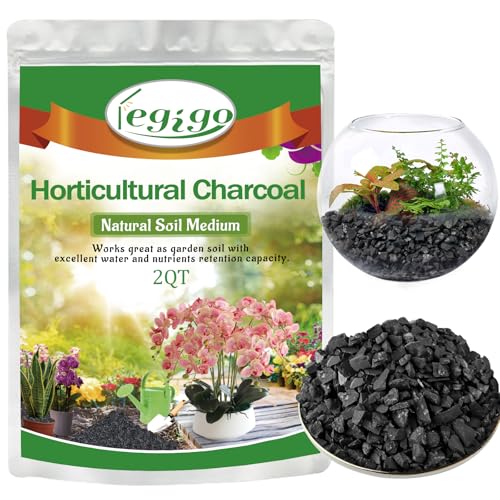
Natural hardwood charcoal gives you another way to open up a container mix. This lightweight amendment assists with drainage, making it useful in potting soil for orchids, bonsai, succulents, and other plants grown in pots.
For pothos, the charcoal is most useful as part of a blend rather than the entire pot contents. The 2-quart package is compact, so you can mix a measured portion into a potting base without storing a large quantity of material.
Bright Spots
✓Charcoal can move excess moisture away from the root area.
✓The hardwood material fits several container-plant soil recipes.
✓A 2-quart package suits a few pots or a gradual mixing project.
✓Its neutral role lets you combine it with soil and another aeration component.
Where It May Fall Short
•Charcoal is an amendment, so it cannot provide the complete growing medium on its own.
•Very fine charcoal can settle into a pot’s lower layers, so mixing it evenly matters.
Built With In Mind
This charcoal fits you best when you keep a small collection of container plants and prefer building a custom mix around natural materials.
Reach For A Different Pick When
Gerta 10QT Horticultural Perlite for Houseplants 3-6mm suits larger mixing sessions where consistent coarse aeration is the main goal.
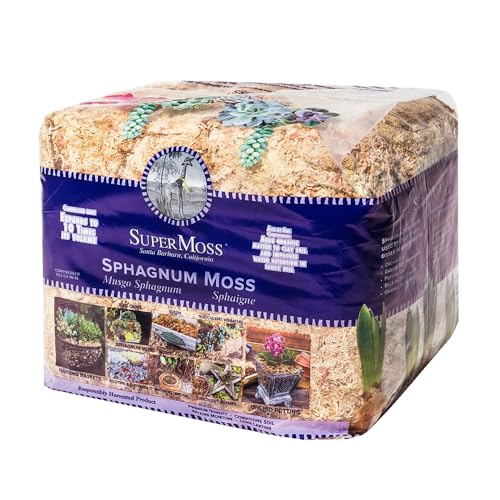
Dried sphagnum moss puts moisture retention on the opposite end of the spectrum from perlite and charcoal. Its long fibers absorb and hold water, making the material useful for hanging baskets, window boxes, and surface covering around indoor plants.
A layer over pothos soil can reduce evaporation and give the pot a more natural finish. In a hanging basket, the fibers can also help retain moisture around the root zone, although you still need a soil component that provides drainage.
The Good Stuff
✓Long fibers provide useful water-holding capacity.
✓The moss works well as a surface layer around container plants.
✓A hanging basket benefits from added moisture retention in warm rooms.
✓The one-pound bale offers a manageable amount for several containers.
Things To Consider
•Sphagnum is not a ready-made soil for a standard potted pothos.
•Heavy coverage can hide wet soil, so you still need to check moisture below the surface.
Best Suited To
This moss suits you if you grow trailing pothos in hanging baskets or want a moisture-retentive top dressing.
Swap It Out When
Super Moss 21669 Preserved Reindeer Moss 8oz is the better fit when your main goal is decorative color with minimal handling.
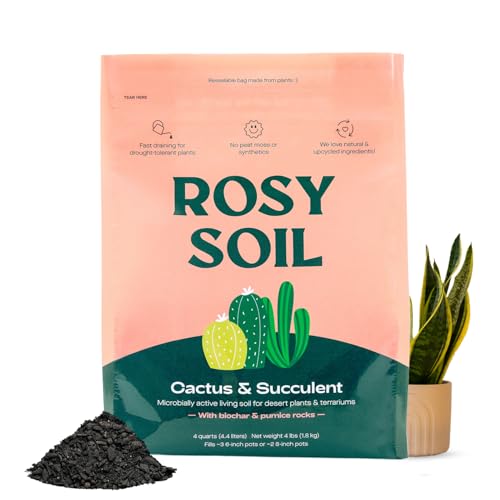
This mix is built around a loose, chunky structure, so it serves dry-loving container plants better than most standard potting soil. Its biological components, including beneficial fungi, microorganisms, and organic worm castings, make it more interesting than a purely mineral blend.
For pothos, the chunky material can enrich a drainage-focused blend, though it may dry faster than you want on its own. A small portion combined with a moisture-retentive potting base can bring both structures into balance.
Well-Handled Touches
✓The chunky texture supports drainage in containers with compact roots.
✓Worm castings add organic matter to the growing medium.
✓Beneficial fungi and microorganisms give the mix a biological component.
✓Four quarts cover several small succulent or cactus containers.
Possible Compromises
•The dry, open texture may require more frequent watering for a pothos in a warm room.
•It is formulated for succulents rather than trailing tropical foliage plants.
Feature Snapshot
Feature
Specification
Why It Matters
Volume
4 quarts
Suitable for multiple small containers.
Texture
Chunky and loose
Helps water move through dense pots.
Biological content
Fungi, microorganisms, and worm castings
Adds living and organic components.
Who Will Love This
This mix will appeal to you when you maintain several drought-tolerant container plants and prefer an open, biologically active medium.
Look Elsewhere When
Spike & Bloom High Drainage Cactus Soil with Mycorrhizal Fungi is a closer match when you want a complete gritty mix with a stated acidity level.
This gritty cactus soil combines fast drainage with mycorrhizal fungi, which are fungi that form associations with plant roots. Its stated pH of 6.5 gives you a useful data point when you also maintain plants that prefer slightly acidic conditions.
The 4-quart, 8-pound package is a practical size for indoor cactus and succulent collections. Pothos can use part of this mix as an aeration component, but the dry-leaning recipe may need a more moisture-retentive base for consistent care.
Noteworthy Benefits
✓The gritty structure is designed to move excess water through the pot.
✓Mycorrhizal fungi add a root-associated biological component.
✓A pH of 6.5 suits plants that prefer slightly acidic soil.
✓Four quarts covers several small indoor containers.
Details To Watch
•This is a cactus and succulent mix, not a ready-made pothos formula.
•The open texture may dry quickly around pothos roots in a warm or bright room.
Core Details
Feature
Specification
Why It Matters
Volume and weight
4 quarts, 8 pounds
Provides a compact supply for small pots.
pH
6.5
Places the mix in a slightly acidic range.
Texture
High-drainage gritty mix
Supports fast water movement in containers.
Biological component
Mycorrhizal fungi
Adds fungi associated with plant roots.
The Right Fit
This soil suits you when your indoor collection includes cacti and succulents and you appreciate clearly stated drainage and acidity details.
Another Choice May Suit
Rosy Soil Cactus and Succulent Mix 4 Quarts is the better choice when you prefer worm castings and a broader range of biological components.
## What Pothos Soil Needs Before You Pot
Start with drainage, because pothos roots need oxygen as well as water. A pot with drainage holes helps, but the growing medium must also remain porous. Perlite and charcoal loosen dense mixtures, while sphagnum holds moisture in hanging baskets. For a tabletop pot, a balanced potting base with a modest aeration component is usually the more practical starting point.
Moisture retention deserves equal attention. Pure perlite can dry quickly, while a thick layer of sphagnum can conceal wet soil beneath the surface. You get a better read on moisture by checking the potting base itself rather than judging from the top dressing. A coarse amendment combined with a dependable houseplant mix offers more control than using one material for every pot.
Container size and placement change your needs too. A small pot dries faster than a large one, and a plant near a warm window loses moisture more quickly than one in a cooler room. Test the mix after watering and use the pot’s weight or the soil’s dampness below the surface as your guide instead of following a rigid schedule.
## Mistakes Worth Dodging
### Mistaking Decoration For Potting Medium
Reindeer moss and sphagnum can make a planter look finished, but neither replaces the structured soil needed around pothos roots. Use moss as a surface layer or basket component, and keep the root zone filled with a suitable base mix.
### Ignoring The Pot
A porous medium cannot compensate for a pot without drainage holes. Check that excess water can escape, and choose a container large enough for the plant without leaving a large volume of wet soil behind it.
### Choosing Only By Dryness
Fast-draining cactus mixes suit plants that tolerate dry conditions. Pothos usually benefit from more even moisture, so blend these mixes with a more moisture-retentive base when using them for pothos.
## What The Higher Tier Buys
### Specialized Ingredients
More specialized blends tend to focus on a particular structure, such as coarse drainage, biological components, or a stated acidity level. Those details help you distinguish a cactus mix from a general-purpose potting base.
### The Right Mix For Your Plants
The useful upgrade comes from matching the material to your plant and watering routine. A balanced houseplant mix with perlite may serve a tabletop pothos better than a complete cactus formula, while sphagnum makes sense for a hanging basket that dries quickly.
## Frequently Asked Questions
### Is Perlite Good Soil For Pothos?
Perlite works well as an amendment because its coarse granules improve airflow and drainage. Mix it with a moisture-retentive potting base rather than using it alone.
### Can Pothos Grow In Cactus Soil?
Pothos can grow in a cactus mix, but the dry, open structure may require frequent watering. Blending it with a balanced potting base gives you better moisture control.
### Should Pothos Soil Contain Sphagnum Moss?
Sphagnum can retain moisture as a surface cover or hanging-basket component. It is less suitable as the only material around roots in an ordinary tabletop pot.
### Is Charcoal Safe For Pothos Soil?
Horticultural charcoal can aid drainage when mixed into a suitable soil base. Keep it blended evenly and avoid using charcoal as the only growing medium.
### Do Pothos Plants Need Fertilizer In Their Soil?
A suitable soil mix should support the plant without relying on fertilizer for basic nutrition. Fertilizer can supplement the mix, but your watering habits and the soil’s drainage remain more important to root health.
## Final Verdict
For a tabletop pothos, begin with a balanced potting base and add a measured amount of perlite or charcoal for airflow. Reserve dried sphagnum for moisture-retentive baskets, and use the two cactus mixes when you specifically want their open structure or biological ingredients. For decoration, Super Moss 21669 Preserved Reindeer Moss 8oz adds a clean chartreuse finish without altering the root zone.