

A windowsill full of succulents can fail quietly when their pots stay wet too long. The right mix gives roots room to breathe, balances moisture with airflow, and fits the plant’s pot rather than relying on a generic indoor blend. These options cover everything from ready-to-use mixes to charcoal and perlite you blend yourself.
The Shortlist At A Glance

FoxFarm Happy Frog Potting Soil 12-Quart Two-Pack with Castings and Guano

Gerta 10-Quart Coarse Horticultural Perlite for Indoor Plants and Houseplants
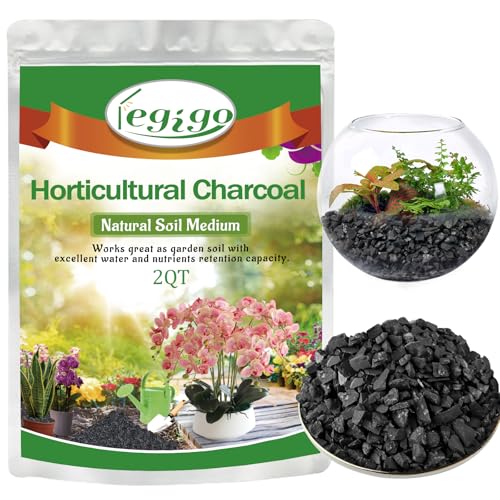
Legigo 2-QT Biochar Mix

Miracle-Gro 4 qt. Potting Mix

Miracle-Gro 6 qt. 2-Pack Mix

Spike & Bloom High-Drainage Cactus Soil 4 Quarts with Mycorrhizal Fungi
The Strengths Of Each Pick
FoxFarm Happy Frog gives container gardeners a ready-to-use medium with more nutritional character than plain potting soil. Earthworm castings, bat guano, and aged forest products add organic material to the blend, while its soil microbes are intended to support root efficiency and nutrient uptake. That makes it a practical choice for a mixed shelf containing succulents, ficus, geraniums, and container-grown trees.
Unlike the gritty cactus mix later in the list, Happy Frog prioritizes a richer, amended container blend rather than a specialized succulent profile. The 12-quart two-pack is generous for routine repotting, though the denser, nutrient-forward character may not suit a grower seeking a mineral-heavy mix for a dry-climate cactus.
The Upside
- Ready to use, so there is no need to assemble a base medium.
- Amendments provide a more supportive foundation than plain soil.
- Soil microbes may improve the roots’ ability to use available nutrients.
- The large two-pack suits frequent repotting and multiple plants.
Points To Note
- This richer blend differs from the open, gritty drainage favored for many succulents.
- Two large bags require dry storage space after opening.
Key Specs
Who It Suits Best
This mix fits indoor gardeners who want one amended medium for succulents and other container plants without blending ingredients themselves.
Where Another Pick Suits Better
Spike & Bloom High-Drainage Cactus Soil suits you better when a gritty, succulent-focused mix matters more than broad container-plant versatility.
Perlite is an additive, not a complete potting mix. Gerta’s coarse horticultural perlite measures 3–6 mm, and those larger particles leave more space between soil particles for water to move through and oxygen to reach roots. Mix it into a dense base medium when your succulents need a lighter, faster-draining root zone.
Compared with FoxFarm’s ready-to-use blend, this bag gives you direct control over the final texture. That control is useful for advanced growers, propagation work, and orchids, though beginners must add another soil component and determine the right proportions for their pots.
Advantages To Know
- Coarse particles improve drainage and pore space in compacted mixes.
- Useful for seed-starting blends, root cuttings, and custom potting recipes.
- The 10-quart volume supports multiple rounds of mixing.
- Easy to pour and combine with other growing media.
Small Caveats
- Perlite alone does not provide the organic matter and nutrients a complete potting mix needs.
- Fine dust can form during transport, so wetting and rinsing it before mixing is sensible.
Feature Snapshot
Made For
This perlite fits experienced indoor growers who want to create a fast-draining mix for succulents, cuttings, or moisture-sensitive houseplants.
Another Choice May Suit
FoxFarm Happy Frog Potting Soil offers a better fit for anyone wanting a complete medium without adding perlite separately.
Legigo’s natural hardwood charcoal is designed as a lightweight soil amendment rather than a standalone potting medium. Its porous structure helps excess moisture drain from container mixes, making it relevant for succulents, bonsai, and orchids whose roots benefit from airflow. You add it to a base soil according to the mix you are creating.
That distinction matters. Gerta perlite primarily adds coarse space and airflow, while Legigo charcoal contributes a different amendment with a milder, porous profile. In practice, you may find it more useful for specialized blends or smaller batches than for replacing an entire bag of potting mix.
What Works In Its Favor
- Natural hardwood charcoal suits several container-growing applications.
- Its lightweight texture helps improve drainage in dense mixes.
Things That May Matter
- Charcoal is an amendment, so you still need a suitable base medium.
- The 2-quart volume suits small batches and occasional pot adjustments.
Who Should Grab It
This charcoal fits hobbyists preparing custom bonsai, orchid, or succulent media in modest quantities.
Look Elsewhere When
Spike & Bloom High-Drainage Cactus Soil is the better choice when you prefer a ready-made succulent blend with a known gritty profile.
Miracle-Gro Houseplant Potting Mix takes the uncomplicated route for a new indoor plant collection. It is formulated for container plants and includes nutrients that can feed them for up to six months after potting. The 4-quart package is easy to handle and sufficient for a group of small to medium houseplants.
For succulents, the trade-off is that this general indoor mix does not advertise the coarse mineral profile of a cactus blend. FoxFarm offers richer organic amendments, while Miracle-Gro emphasizes straightforward feeding and a smaller volume. It works best for a mixed plant shelf or for a succulent sharing a pot with a thirstier houseplant.
A Strong Showing
- Ready to use for routine indoor potting.
- Nutrient support can last up to six months after potting.
- The manageable 4-quart size suits smaller plant collections.
Honest Caveats
- Its general houseplant focus is less specialized than a gritty cactus mix.
Quick Facts
Who Will Love This
This mix suits beginners caring for several ordinary houseplants alongside a small succulent collection.
Reach For A Different Pick When
Miracle-Gro 6 qt. 2-Pack Mix offers a better fit for mixed plant collections that need more volume and a blend formulated for all indoor plants.
This Miracle-Gro blend combines sphagnum peat moss, coir, and perlite for a lightweight indoor medium. Those components balance moisture retention with drainage: peat and coir hold water, while perlite creates space around the root zone. The two-pack provides 12 quarts overall, making it a practical choice for a busy shelf or repeated repotting.
Compared with the 4-quot Houseplant Potting Mix, this version carries more volume and explicitly targets all indoor plants. Its lighter general-purpose texture is less obviously specialized for succulents, so a dedicated cactus mix remains the clearer choice for a large collection of drought-tolerant plants.
Bright Spots
- Peat, coir, and perlite create a balanced moisture-and-air profile.
- The lightweight blend suits many common indoor plant types.
- Two 6-quart bags cover larger repotting sessions.
- Water retention and release support more consistent watering intervals.
Practical Considerations
- A general indoor blend may retain more moisture than a succulent-specific mix.
- Twelve quarts require adequate storage space when both bags are open.
Right Fit For
This mix fits households with assorted houseplants who want one balanced medium and enough volume for frequent repotting.
Swap It Out When
Spike & Bloom High-Drainage Cactus Soil is the better fit when a collection consists mainly of cacti and succulents that need a grittier medium.
Spike & Bloom is purpose-built for the dry conditions a cactus or succulent pot can create. Its gritty, high-drainage formula lets water leave the root zone efficiently, while mycorrhizal fungi introduce beneficial organisms associated with plant roots. The mix is ready to use, saving you from measuring mineral amendments for every pot.
Its slightly acidic pH of 6.5 is another point of distinction from the general-purpose Miracle-Gro options and FoxFarm’s richer container blend. The honest catch is specialization: this is a better fit for drought-tolerant plants than for a mixed houseplant shelf that needs a more moisture-retentive medium.
Benefits That Matter
- The gritty structure supports drainage in succulent containers.
- A pH of 6.5 suits the mix’s slightly acidic profile.
- Mycorrhizal fungi add a root-associated biological component.
- The ready-to-use format simplifies repotting a dedicated collection.
Where It May Fall Short
- Its specialized drainage profile is less suitable for thirsty houseplants sharing the same shelf.
Technical Highlights
Built With In Mind
This cactus mix suits indoor growers focused on cacti and succulents who value drainage over the richer profile of a general potting blend.
Consider Something Else When
Gerta 10-Quart Coarse Horticultural Perlite suits you better when you want to control the soil-to-mineral ratio in a custom mix.
What Matters Most In A Succulent Potting Mix
Drainage Comes Before Rich Soil
Succulent roots need oxygen around them, and compact potting media can stay wet for too long. Coarse particles, mineral ingredients, and an unobstructed drainage hole help move excess water away from the root zone. A drier mix also makes overwatering less punishing, although watering habits still matter.
Particle Size Changes The Root Environment
Coarse perlite and gritty soil create more space between particles than fine, dense mix. That space supports airflow and lets you see the structure of the pot more clearly. For custom blends, the Gerta perlite and Legigo charcoal options offer more control, while Spike & Bloom arrives with the gritty proportions already established.
Organic Matter Has A Purpose
Earthworm castings, peat moss, coir, and similar components can help a mix retain some moisture and support nutrient availability. A richer mix makes sense for a pot shared by succulents and less drought-tolerant plants. A dedicated cactus collection generally benefits more from a fast-draining profile than from additional richness.
Match The Mix To The Pot
Small plastic pots retain moisture differently from porous clay containers, and broad nursery pots hold more soil than tabletop vessels. Select a container with a drainage hole and avoid one that is greatly oversized for the plant’s root mass. Your choice among these products becomes simpler once the plant type, pot material, and watering frequency are clear.
Two Details Worth Getting Right
Mistakes Worth Dodging
Avoid choosing a mix solely because the bag says “potting soil.” Dense indoor blends can hold more water than a succulent wants, while very coarse mixes may dry quickly in small terracotta pots. Check whether the ingredients, drainage profile, and plant category match the container rather than assuming every houseplant mix works equally well.
The Upgrade Payoff
A specialized cactus mix costs more because it skips the blending step and concentrates on coarse drainage. That extra expense is easier to justify for a substantial succulent collection, frequent repotting, or a plant with a known tendency to stay wet in its pot. A general indoor blend remains sensible for mixed shelves and occasional repotting.
Frequently Asked Questions
Do succulents need special soil?
Succulents benefit from soil that drains freely and leaves air around their roots. A cactus mix is a convenient choice when your pot stays wet longer than you prefer.
Can I use regular garden soil for indoor succulents?
Regular garden soil often becomes too compact for a small indoor container. A light, gritty potting medium gives roots more room and makes excess water leave the pot sooner.
Is perlite a complete soil?
Perlite is a growing-medium component rather than a complete soil. Mix it with a suitable base material to provide both structure and the organic matter that roots need.
Is charcoal necessary for succulents?
Charcoal is optional, but it can improve drainage in a dense custom blend. A ready-made cactus mix may already contain the coarse structure you need.
How much potting soil do I need for succulents?
Choose enough to fill the container while leaving room for the plant’s root mass and a little space at the top. Repotting into a much larger pot adds unused soil and can leave excess moisture around the roots.
Final Verdict
Start with Spike & Bloom for a dedicated cactus or succulent collection, or choose FoxFarm Happy Frog for a broader group of container plants. Gerta perlite and Legigo charcoal give you control when you enjoy building your own mixes, while the two Miracle-Gro options favor convenience. Match the blend to your pot and let drainage lead the decision.
