

A windowsill crowded with basil, mint, or cilantro leaves you with two immediate problems: finding a growing medium that drains well and choosing how much nutrition to add. Soil for indoor herbs must balance moisture retention with enough air space around roots, while the container and herb type determine how porous the blend should be. The six options below cover everything from compressed potting soil to peat moss amendments and bundled plant food.
Your Options, Compared

Organic Plant Magic Compressed Soil and Fast-Acting Plant Food

Old Potters High Porosity Cactus and Succulent Mix, 24 Quarts

Organic Plant Magic Coconut Coir and Worm Castings Compressed Potting Soil Blend

Organic Plant Magic Worm Castings Potting Soil, Two 2-lb Bags

Organic Plant Magic Soil and Slow-Release Fertilizer
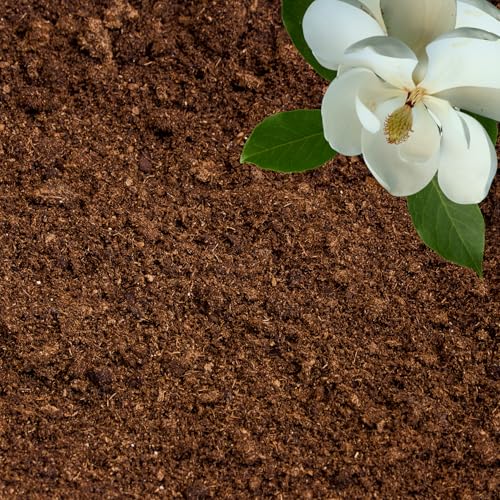
GARDENWISE Organic Sphagnum Peat Moss for Plants, 15 Quarts
A Closer Look At Each Pick
This bundle handles two separate jobs for an indoor herb garden. The compressed soil expands after watering, while the concentrated plant food supplies additional nutrients, so you can start a pot with both components already in the package.
It suits a kitchen shelf where basil, parsley, or chives need a moisture-retentive medium without a loose bag taking up cabinet space. Compared with Old Potters High Porosity Cactus and Succulent Mix, this option offers broader plant-food support rather than a drainage-first formulation.
Everyday Advantages
- The soil expands up to four times its compressed size, reducing storage needs before potting.
- Hydrated soil produces as much as three gallons, useful for several containers or transplants.
- The included fast-acting food covers a large area, so one bundle can cover a serious herb-growing area.
- Longer moisture retention helps reduce the frequency of watering in warm indoor spaces.
Practical Considerations
- The soil and plant food are separate components, giving you control over how each is applied.
- The fertilizer quantity may exceed your needs for a small collection of countertop pots.
Feature Snapshot
Made For
You benefit most from this bundle when starting a new indoor herb collection and want potting soil and plant food together.
Consider Something Else When
Organic Plant Magic Compressed Soil and Fast-Acting Plant Food is less practical than GARDENWISE Organic Sphagnum Peat Moss for Plants, 15 Quarts when you only need a mix component.
Drainage takes center stage in this 24-quart blend. Peat moss and coarse perlite create a porous growing medium, meaning more open space remains between particles for air and water to move through the pot.
It makes sense for compact cactus or succulent collections, particularly in containers measuring four inches or less. For moisture-loving kitchen herbs, its fast-draining structure is less naturally aligned than the coir-based Organic Plant Magic Compressed Soil and Fast-Acting Plant Food.
Points In Its Favor
- Coarse perlite supports drainage and aeration in tightly sized containers.
- Sphagnum peat moss adds a modest amount of moisture retention to an otherwise open blend.
- The 24-quart volume suits multiple small pots and a dedicated plant shelf.
Points To Note
- The formulation targets cacti and succulents, not moisture-loving leafy herbs.
- Its high porosity can dry quickly near a sunny window or heated vent.
At A Glance
Right Fit For
You get the most benefit from this mix when growing cacti or succulents in small, freely draining containers.
A Better Fit Elsewhere
Organic Plant Magic Coconut Coir and Worm Castings Compressed Potting Soil Blend suits leafy herbs better when steadier moisture matters.
Coconut coir, a lightweight growing material made from coconut husk fiber, gives this compressed blend a practical balance of moisture retention and drainage. Worm castings contribute organic matter and plant nutrients to the final potting medium.
You can move from a sealed package to several herb pots after adding water, then use the remaining soil for outdoor containers. Compared with Organic Plant Magic Compressed Soil and Fast-Acting Plant Food, this option brings plant food into the soil blend rather than providing a separate soluble concentrate.
Standout Benefits
- Compressed granules expand up to four times their original size.
- One hydrated package produces as much as three gallons of potting soil.
- Coir and worm castings support moisture retention without occupying cabinet space.
Things To Weigh
- You need a container and enough water to hydrate the compressed granules.
- Three gallons may exceed the capacity of a few small indoor pots.
The Right Fit
This compressed soil works especially well for apartment cooks growing leafy herbs in a limited amount of storage space.
Another Choice May Suit
Organic Plant Magic Compressed Soil and Fast-Acting Plant Food fits you better when separate plant food gives you more control over feeding.
Two smaller bags make this worm-casting soil easier to divide among separate herb containers. The compressed format also keeps unused material out of the way until you need it in a potting tray.
Compared with Organic Plant Magic Coconut Coir and Worm Castings Compressed Potting Soil Blend, this version shares the worm-casting foundation and fourfold expansion without emphasizing coconut coir in the listed name. It offers a practical choice for a windowsill with several modest-sized pots.
The Value In It
- The soil is identified as 100% organic.
- Worm castings provide organic matter and nutrients within the growing medium.
- Hydration expands the compressed soil up to four times.
- Two resealable 2-pound bags make separate batches easier to store.
Minor Gripes
- Expansion still requires a mixing vessel large enough for the hydrated soil.
- The two-bag format may produce more medium than a single indoor herb pot needs.
Core Details
Best Suited To
You benefit from the two-bag format when several small pots need potting soil but a full-sized compressed package would be excessive.
Swap It Out When
GARDENWISE Organic Sphagnum Peat Moss for Plants, 15 Quarts is a better fit when you want to adjust moisture retention within a homemade blend.
Slow-release fertilizer releases nutrients gradually rather than supplying them in one concentrated feeding. Paired with compressed organic potting soil, this bundle works especially well when your herbs share space with outdoor containers or a larger patio planting.
The key difference from Organic Plant Magic Compressed Soil and Fast-Acting Plant Food lies in the feeding approach. You gain a gradual nutrient schedule, although the soil and fertilizer still arrive as two separate products that require different handling.
Positive Takeaways
- Slow-release granules suit gardeners who want fewer fertilizer applications.
- The potting soil expands fourfold and yields as much as three gallons.
- The granular food covers up to 1,000 square feet for broad garden use.
Possible Compromises
- The coverage extends well beyond a typical windowsill herb collection.
- Gradual feeding offers less flexibility than a soluble concentrate for adjusting individual pot feeding.
Built With In Mind
This set makes the most sense for patio growers tending both indoor herbs and a broader garden area.
Where A Sibling Pick Shines
Organic Plant Magic Compressed Soil and Fast-Acting Plant Food suits you better when fast, separate feeding is your preference.
