

A gardenia in a pot depends on a mix that holds enough moisture for the roots without staying waterlogged. Indoor heat, plastic nursery pots, and the limited soil volume of containers can make poor drainage more damaging than a plant can tolerate, especially during warm weather. You need an airy base, suitable acidity, and a feeding plan that matches the growing season.
The Choices Worth Comparing

Farmer’s Secret Soil Revitalizer 128oz Activated Humic Acid

Farmer’s Secret Soil Revitalizer 8oz Activated Humic Acid
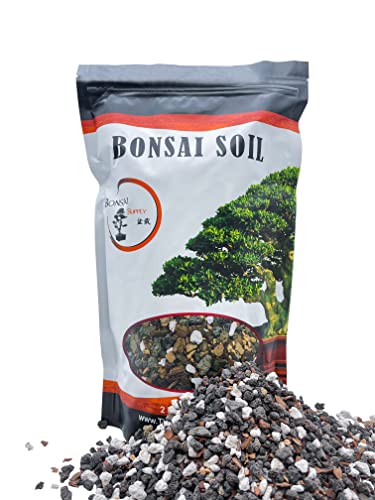
JK Global Imports Bonsai Soil All-Purpose 2-Quart Fast-Draining Mix

SUN GRO Black Gold 8-Quart Potting Soil
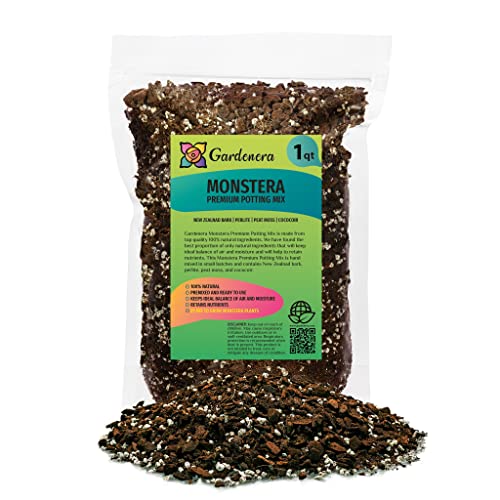
Gardenera Premium Monstera Potting Soil 1-Quart Quick-Drain Mix

Espoma Organic Potting Soil for African Violets and Houseplants 4-Quart
More Details On Our Top Picks
Gardenia roots need an airy growing medium, and Farmer’s Secret Soil Revitalizer 128oz can be mixed into an existing potting base. Its activated humic acid is a concentrated organic amendment intended to support soil biology rather than serve as a complete planting medium. That distinction matters in a nursery pot, where drainage holes alone cannot compensate for dense, unsuitable soil.
For several containers, the 128-ounce size is more practical than carrying a small bottle from room to room. Monthly use through the growing season fits a regular care routine, although you still need a suitable base and drainage check. The honest read is that this is an additive, not a shortcut around repotting.
Positive Points
- The concentrated format reduces the volume you need to store and handle.
- OMRI-listed status suits gardeners seeking an organic soil amendment.
- Activating soil biology supports a more active growing medium over time.
- The larger bottle suits multiple pots, raised beds, or repeated seasonal use.
Practical Considerations
- It is a liquid amendment rather than a ready-made potting mix with mineral drainage components.
- The 128-ounce container needs storage space away from direct heat and freezing temperatures.
Feature Snapshot
Made For
This amendment fits experienced container gardeners who already have an airy, suitable potting base and want to improve its soil condition.
Another Choice May Suit
Gardenera Premium Monstera Potting Soil 1-Quart Quick-Drain Mix suits you more when you need a complete airy base rather than a separate amendment.
The 8-ounce Farmer’s Secret bottle takes up little shelf space and is easier to carry to a balcony or indoor plant shelf. It offers the same activated humic acid approach as the 128-ounce version, but the smaller quantity favors a limited collection of pots. For one or two gardenias, that makes storage less of a chore.
You would still mix it into a well-draining potting medium rather than fill a pot with the liquid by itself. Monthly applications during active growth can fit an attentive routine, though regular replenishment becomes necessary sooner than with the larger bottle. The compact size is the defining benefit, not a different approach to soil care.
Why It Works Well
- Its small bottle fits easily into a compact gardening kit.
- Concentrated humic acid supports work within the soil rather than wetting foliage.
- The OMRI-listed formula meets the preference for an organic gardening input.
Small Caveats
- You may need more frequent refills for several containers.
- It does not replace a loose, aerated potting base or a drainage hole.
- Its amendment role means the finished mix still needs a separate acidity check.
Right Fit For
This bottle suits apartment growers, beginners, and anyone tending only a few small pots where storage space matters.
Look Elsewhere When
SUN GRO Black Gold 8-Quart Potting Soil fits you better when you want a ready-to-use base that already includes slow-release fertilizer.
Container airflow becomes much easier to achieve with a coarse, pre-mixed base. This Bonsai Soil blend combines pumice, lava rock, calcined clay, and pine bark, creating a structure with more visible space than a peat-heavy potting soil. Compared with SUN GRO Black Gold 8-Quart Potting Soil, it puts drainage ahead of added plant food.
That profile can suit a gardenia pot in a warm, bright location where wet soil lingers longer than you want. The two-quart size is handy for repotting one substantial plant or combining with another medium. For most indoor gardeners, the main fit check is acidity: confirm the planted mix will provide the slightly acidic conditions gardenias favor.
Everyday Advantages
- Mineral components promote drainage and preserve air around the root zone.
- The ready-mixed blend saves you from measuring separate ingredients.
- A sifted texture reduces large, irregular pieces during potting.
- Two mineral types plus pine bark create varied particle sizes.
- Its compact bag suits a balcony shelf or small potting station.
Details To Watch
- The coarse profile may dry faster in a warm room, so check moisture before watering.
Feature Breakdown
Built With In Mind
This mix fits gardeners who prioritize root-zone airflow and already know how to manage moisture in a coarse medium.
A Better Fit Elsewhere
SUN GRO Black Gold 8-Quart Potting Soil suits you better when slow-release nutrients in the initial potting mix matter more than a mineral-heavy structure.
A fresh potting mix can give a gardenia a more useful starting point than old medium that has broken down. SUN GRO Black Gold 8-Quart Potting Soil combines a sphagnum peat base with pumice, forest humus, and worm castings. It also includes slow-release complete fertilizer, which releases nutrients over time instead of relying entirely on a separate feeding schedule.
Compared with Farmer’s Secret Soil Revitalizer 128oz, this is a base medium rather than a liquid amendment. The eight-quart bag suits multiple indoor containers or a substantial repotting job. You still need to consider the finished mix’s acidity, since the general-purpose formula does not position itself as a gardenia-specific blend.
Where It Excels
- The controlled-release fertilizer supports early container feeding.
- Pumice adds drainage space to the peat-based components.
- Humus and worm castings contribute organic material to the medium.
Honest Caveats
- Its general-purpose profile calls for an acidity check before planting gardenias.
- The eight-quart bag needs a dry storage spot and more shelf space than a two-quart mix.
The Right Fit
This potting soil suits beginners and experienced growers who want a balanced medium with controlled-release nutrition already included.
Where a Sibling Pick Shines
JK Global Imports Bonsai Soil All-Purpose 2-Quart Fast-Draining Mix suits you better when coarse mineral drainage is your main requirement.
This Gardenera mix is built around the air-and-water balance needed by broad-leaved tropical plants, and that structure can also support a container gardenia. Its ingredients include coco coir, perlite, peat, bark, biochar, and worm castings. Compared with a basic peat-heavy blend, the varied components create more texture around the roots.
The one-quart bag works neatly for repotting a single houseplant or supplementing another medium. Its Monstera focus means you should check the finished mix’s acidity for gardenias rather than assuming the formulation transfers perfectly. The honest read is that its physical structure is useful, but plant-specific fit still deserves attention.
Notable Gains
- Perlite and coir help balance moisture retention with drainage.
- Bark introduces larger particles that preserve root-zone space.
- Biochar and worm castings add useful organic components.
- The one-quart size works well for a single-container repotting.
Less-Strong Areas
- The formula is intended for Monstera rather than gardenias specifically.
- You need to confirm acidity before using it as a complete gardenia medium.
- A one-quart bag may be too small for a grouped container planting.
Core Details
Whose Shelf It Belongs On
This blend suits indoor plant collectors who favor varied, airy components and want a small package for frequent repotting.
Reach For A Different Pick When
Espoma Organic Potting Soil for African Violets and Houseplants 4-Quart suits you better when a formulation made for indoor flowering plants is your priority.
Espoma takes a different route from the Monstera mix by formulating this medium for African violets and other indoor flowering plants. Its components include peat-based sphagnum, humus, perlite, and yucca extract. That makes it a sensible starting point for a gardenia kept beside a bright window, although the soil’s acidity still deserves verification.
The four-quart bag handles several medium-sized pots and avoids the frequent refills associated with a one-quart product. It contains no synthetic plant foods or chemicals, which suits gardeners building an organic care routine. Unlike SUN GRO Black Gold 8-Quart Potting Soil, it does not offer a controlled-release complete fertilizer within the mix, so your feeding plan needs separate attention.
Practical Advantages
- The formulation is designed for indoor flowering houseplants.
- Peat and humus provide organic material for container planting.
- Perlite introduces drainage space into the blend.
- Four quarts suit multiple pots or a larger indoor shrub.
- No synthetic plant foods are included in the formulation.
Points To Note
- Confirm the mix provides the slightly acidic conditions gardenias favor.
- Plan a separate feeding approach because the mix lacks controlled-release plant food.
Feature Card
Made For
This soil suits organic-minded growers tending flowering houseplants on an indoor windowsill or plant shelf.
Swap It Out When
SUN GRO Black Gold 8-Quart Potting Soil suits you better when you prefer a complete fertilizer built into the potting medium.
What Gardenia Potting Soil Should Deliver
Start With Drainage
Gardenias grow poorly in soil that remains saturated around the roots. A workable container mix needs mineral or bark components that preserve air space, plus a pot with unobstructed drainage holes. Check moisture below the surface rather than watering on a fixed schedule, especially during warm weather.
Account for Acidity
Gardenias favor slightly acidic soil, so the base mix matters as much as its drainage. Peat-based products can contribute to an acidic environment, but you still need a suitable pH reading for the finished container. Avoid treating a general-purpose label as proof of the right acidity for a gardenia.
Match the Mix to the Pot
A one-quart bag makes sense for a single houseplant, while four- and eight-quart options suit multiple containers. Coarse bonsai mixes drain quickly but may need more frequent watering; peat-heavy mixes retain more moisture. The pot size, plant size, room temperature, and drainage all affect how quickly the mix dries.
Plan the Feeding
A controlled-release fertilizer in the potting base can simplify early feeding. Liquid soil amendments offer another route, but they supplement a base rather than replace it. Decide which method fits your routine before potting so the plant receives a consistent approach during active growth.
Common Mistakes Worth Avoiding
Mistakes Worth Dodging
Old potting soil can compact and lose air space, so reusing it without checking its structure is a common mistake. Another error is judging drainage by surface dryness while the center remains wet. Forgetting to verify acidity leaves another important gap.
The Case For Spending Up
A larger or more deliberately blended product can provide useful mineral components, controlled-release nutrients, or enough volume for several pots. The added cost is easier to justify when a small bag would need constant refilling or a basic mix would need substantial amendment.
Frequently Asked Questions
Do Gardenias Need Special Potting Soil?
Gardenias need a loose, well-draining potting medium with suitable acidity. A general-purpose mix can work when it meets those conditions and drainage holes are unobstructed.
Can I Use Garden Soil in Pots?
Garden soil is usually too dense and unpredictable for container gardening. Choose a potting mix formulated for drainage, moisture retention, and the limited root space of a pot.
Is Peat Moss Good for Gardenias?
Peat-based mixes can suit gardenias because they retain moisture and contribute to acidic conditions. The finished mix still needs perlite, bark, or another component that preserves drainage.
Do Gardenias Like Fast-Draining Soil?
Gardenias prefer consistent moisture without waterlogged roots. Fast-draining soil can work well, especially in warm or humid conditions, but it may require more frequent watering.
Should I Fertilize Gardenias in Pots?
Container gardenias usually need a regular feeding plan because nutrients are depleted over time. Avoid adding another fertilizer until you know what the potting mix already provides.
Wrap Up
The most useful choice depends on your setup. Use an airy base for drainage, verify acidity, and add nutrients through either the soil or a separate feeding routine. Pick the package size that matches your pots, then adjust watering to the mix and the room rather than the calendar.
