

A windowsill full of geraniums can punish you with soggy roots, while a compact balcony herb garden can struggle with soil that dries too quickly. The right potting medium depends on drainage, plant type, and how much space you have to store it. These six options cover general container planting, aroid mixes, perlite amendments, compressed coir blends, and propagation pellets.
A Side-By-Side Look
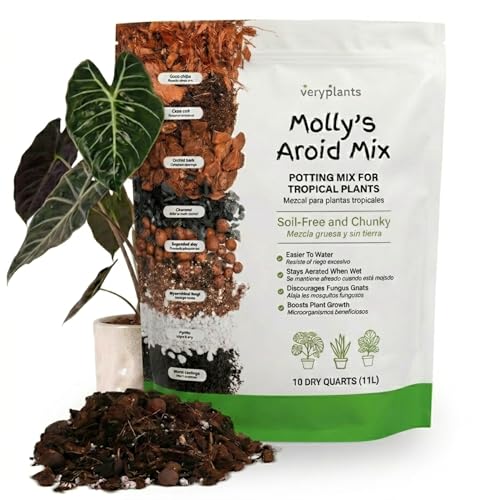
Molly’s Aroid Mix 10 Dry Quarts

Legigo Perlite, 4 Quarts

Compressed Organic Potting Soil for Garden, Plants & Vegetables – Expands 4x

FoxFarm Happy Frog Potting Soil, 12-Quart Ready-to-Use Container Blend

Legigo 100 30mm Coco Coir Pellets
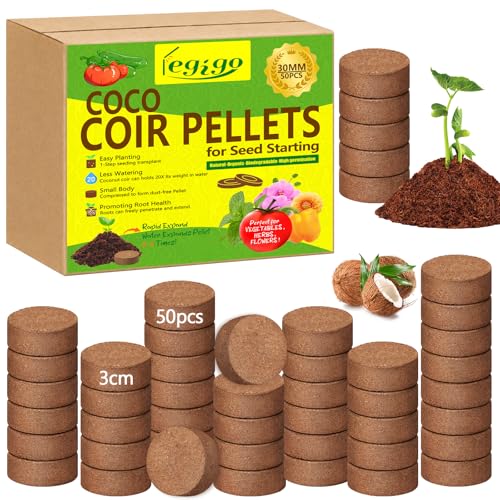
Legigo 50 30mm Coco Coir Pellets
More Details On Our Top Picks
A flowering Anthurium on a bright windowsill needs air around its roots as much as it needs moisture. Molly’s chunky, soil-free blend provides that open structure while keeping the material lighter and cleaner to handle than garden soil. Compared with FoxFarm Happy Frog Potting Soil, it serves a narrower role, but that focus suits tropical foliage plants and aroids particularly well.
Mycorrhizal fungi are beneficial organisms that form relationships with roots, and this mix includes them to support water and nutrient uptake. The balanced pH also makes it a sensible base for potted plants that dislike compact, waterlogged soil. For most indoor aroid growers, the drainage trade-off is easy to manage with attentive watering.
What Helps Most
- Chunky components promote airflow and rapid drainage.
- Soil-free composition keeps handling light and tidy.
- Balanced pH supports container-grown roots.
- Included mycorrhizal fungi assist nutrient uptake.
- The resealable bag helps protect unused mix.
Points To Keep In Mind
- This is an aroid-focused mix, not a general flower-bed blend.
- Fast drainage means you must recheck soil moisture more often.
Key Specs
Made For Aroid Growers
You benefit most with indoor Monstera, Philodendron, Alocasia, Anthurium, and similar plants that prefer an airy root zone.
A Better Fit Elsewhere
FoxFarm Happy Frog Potting Soil suits mixed containers, citrus trees, shrubs, and roses that need a more broadly amended medium.
Perlite is a porous amendment that opens dense potting mixes and moves excess water away from roots. Legigo’s coarse, evenly sized version gives you a practical way to improve a custom flower mix without replacing all its components. It also works as a clean top layer around succulents, keeping the pot surface free of loose soil.
Unlike Molly’s Aroid Mix, this product is meant to be blended rather than used as a complete planting medium. Its pH-neutral volcanic composition suits plants where soil pH adjustments aren’t the goal. You gain finer control over drainage, although mixing your own blend takes more planning than opening a ready-to-use bag.
Strong Points
- Coarse particles improve airflow in dense mixes.
- Useful for cactus, succulent, and carnivorous plant recipes.
- The pH-neutral material avoids shifting mix chemistry.
Trade Offs
- It is an amendment, not a complete potting mix on its own.
- You must determine the right blend ratio for your plant and pot.
Quick Facts
Built With Custom Mixes In Mind
You benefit most when you mix your own soil for potted succulents, cacti, carnivorous plants, or moisture-sensitive houseplants.
Where A Sibling Pick Shines
Molly’s Aroid Mix 10 Dry Quarts is the more convenient choice for potting tropical houseplants without calculating a homemade blend.
A small apartment closet can still hold enough potting medium for a group of flower boxes. Organic Plant Magic compresses its blend into a light, compact form, then expands when water is added. The resulting mix can reach three gallons, which makes it useful for balcony containers, vegetables, and houseplants without storing a large bag of loose material.
Coir is coconut-fiber growing medium, and this blend combines it with worm castings fertilizer. Nutrients and more than 55 trace minerals are included, so it arrives with more enrichment than plain garden soil. Compared with FoxFarm Happy Frog Potting Soil, it trades bulk storage convenience for a much smaller package, though you need a container with enough room for expansion.
The Value In It
- Compressed packaging saves closet and workbench space.
- Water activates the granules into a larger volume.
- Coir and worm castings provide a plant-friendly base.
- Both indoor and outdoor containers fit the intended use.
Practical Considerations
- Expansion calls for a mixing tub and room to work.
- Water-activated material needs time to reach its full volume.
- The enriched blend may be more than some plants need.
Who Will Love This
You benefit most with limited storage who want one compressed medium for balcony flowers, vegetables, or mixed houseplant containers.
Consider Something Else When
FoxFarm Happy Frog Potting Soil is easier to scoop directly into a pot when you need a substantial volume of ready-to-use mix.
Repotting a mixed collection of geraniums, ficus, and lemon trees calls for a medium that can handle varied container plants. FoxFarm Happy Frog arrives ready to use, with earthworm castings, bat guano, and aged forest products already blended in. That makes it the most straightforward option here for a patio filled with larger containers rather than a specialized windowsill setup.
The blend also contains soil microbes, organisms associated with root efficiency and nutrient uptake. Trees, shrubs, and roses are included among its intended plants, and the recommended container is two to three times the diameter of the root mass. Compared with compressed coir, you give up storage savings but avoid the separate hydration and expansion step.
What It Does Well
- Ready-to-use format speeds up routine repotting.
- Castings and guano enrich the container medium.
- Soil microbes support root-zone activity.
- Works for flowers, trees, shrubs, and roses.
Details To Watch
- The enriched blend is richer than a simple planting base.
- A 12-quart bag needs more shelf space than compressed media.
- Container size should reflect the plant’s root mass.
Feature Breakdown
The Right Fit
You benefit most with mixed container gardens, patio trees, shrubs, roses, and flowering plants that need a broadly amended medium.
Another Choice May Suit
Compressed Organic Potting Soil for Garden, Plants & Vegetables – Expands 4x suits you better when storage space is the deciding factor.
Starting a tray of flower seeds calls for a controlled, tidy medium, and these compressed coir pellets offer a compact option. Each measures 1.22 inches across and 0.5 inch tall, so you can hydrate only the number needed for the current session. The remainder stays compressed in its package instead of taking up shelf space.
Coir is coconut-fiber growing material, and these blocks expand after soaking before seeds or cuttings are placed inside. That makes them convenient for propagation, where uniform starting containers help keep handling consistent. Compared with Legigo’s 50-piece set, the larger count better supports a busy spring planting session or a larger group of cuttings.
The Case For It
- One hundred pellets cover substantial propagation work.
- Compact blocks simplify storage and handling.
- Individual pellets let you hydrate only what you need.
Small Caveats
- Dry pellets require soaking before planting.
- The small format may need transplanting into larger containers later.
Best Suited To
You benefit most with home gardeners starting flower seeds, rooting cuttings, or working through a large seasonal propagation batch.
Swap It Out When
Legigo 50 30mm Coco Coir Pellets offers a smaller package for occasional starts without storing a hundred compressed blocks.
A weekend propagation session does not always require a hundred pellets. Legigo’s 50-piece set provides the same 1.22-inch diameter and 0.5-inch height compressed coir format in a smaller quantity. You can hydrate a few at a time, making it easier to handle an occasional seed tray or a limited group of cuttings.
The raw coco coir blocks stay compact until water expands them, which helps keep unused material out of the way. This option is more specialized than FoxFarm Happy Frog Potting Soil because it creates individual propagation units rather than filling a finished container. Its limited count suits occasional use, though large propagation projects will need more than one package.
Everyday Perks
- Fifty pellets suit smaller propagation batches.
- Compressed coir keeps storage requirements modest.
- Individual blocks allow controlled hydration.
Points To Note
- Large seed-starting sessions may require several packages.
Core Details
Whose Shelf It Belongs On
You benefit most with balcony gardeners or indoor plant enthusiasts handling occasional flower seeds and small cutting batches.
Reach For A Different Pick When
Legigo 100 30mm Coco Coir Pellets fits you better when a large spring propagation schedule matters more than minimal package size.
What Actually Matters in Potted Flower Soil
Drainage Comes Before Richness
A flower pot needs an open root zone, and drainage holes only help when the growing medium doesn’t compact into a dense mass. Chunky material, coarse perlite, and coir create space for air and water movement. This matters most for container plants that receive frequent watering or sit in warm, humid rooms.
Match the Mix to the Plant
Tropical aroids and plants that dislike wet feet generally benefit from an airy, fast-draining medium. Flowering shrubs, citrus trees, roses, and mixed patio containers can use a more broadly amended potting blend. Seed starters and cuttings have different needs, so compact coir pellets are primarily propagation tools rather than finished potting soil.
Check Storage Before Volume
Loose soil takes up more space than compressed material, and compressed mixes require a tub for hydration. A resealable bag helps protect loose mix between repotting sessions. Consider the container size, available storage, and how often you plan to refill pots before choosing the larger format.
Think Beyond Fertilizer
Castings, worm castings, guano, and trace minerals can make a mix more supportive, but additions don’t compensate for poor drainage or an undersized pot. Match the plant’s needs first, then consider how much nutrition the medium already contains. More material isn’t automatically a better growing environment.
Practical Checks Before You Pot
Mistakes Worth Dodging
Using garden soil without checking drainage can leave flower roots in compacted, wet material. Avoid filling a pot without drainage holes, and don’t assume a moisture-retentive mix suits every plant. The most useful pre-purchase check is whether your flowers prefer a dry root zone or steady moisture.
What Separates Premium From Basic
Specialized mixes cost more when they include aerating components, root-supporting organisms, or balanced amendments. That expense makes sense for demanding indoor plants or large container trees. A basic coir or perlite option can be more rational for seed starting and custom mixes.
Frequently Asked Questions
Is potting soil appropriate for flowers grown in pots?
Yes, container potting soil is formulated for the limited root space and watering conditions found in flower pots. Select the blend for the plant’s drainage needs and pot size.
Do I need perlite in potting soil for flowers?
Perlite adds space and improves water movement in a dense mix. It is especially useful in custom blends for succulents, cacti, carnivorous plants, and moisture-sensitive houseplants.
How much does Organic Plant Magic compressed potting soil make?
The compressed granules expand with water and can produce up to three gallons of potting medium. Hydrate the amount needed for your containers rather than expanding the entire bag at once.
Can I use FoxFarm Happy Frog Potting Soil for potted flowers?
Yes, it is intended for indoor and outdoor container plants, including flowering plants, trees, shrubs, and roses. Choose a container that gives the root mass enough room.
Are coir pellets a replacement for potting soil?
Coir pellets work best for starting seeds or rooting cuttings, then moving plants into a suitable container mix as they grow. They are not a direct substitute for a complete potting blend in an established flower pot.
Final Verdict
Your best fit depends on the job: FoxFarm Happy Frog Potting Soil handles broad container planting, Molly’s Aroid Mix 10 Dry Quarts suits airy indoor mixes, and the compressed or pellet options prioritize storage and propagation. Start with drainage, match the medium to the flower, and check how much room you have for the material.
