

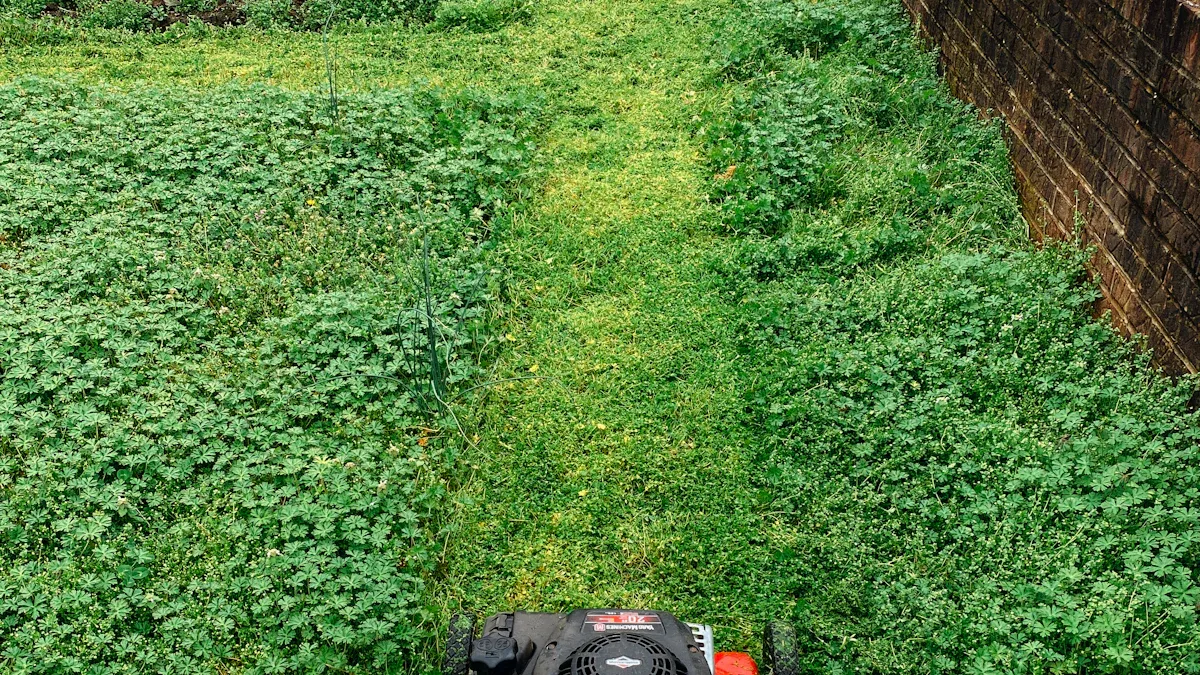
Choosing between mulching vs bagging can feel overwhelming. Your lawn’s condition and your personal preferences play a big role in this decision. Understanding both methods is crucial for effective lawn care. For instance, mulching can boost soil nutrient levels, recycling essential elements like phosphorus and potassium back into your grass. On the other hand, bagging can keep your lawn looking tidy but might not support soil health as well. So, what will it be for you: mulching vs bagging?
Key Takeaways
Mulching returns nutrients to the soil, promoting healthier grass and reducing the need for fertilizers.
Bagging keeps your lawn looking tidy and helps control the spread of diseases and pests by removing clippings.
Choose mulching in spring and fall for moisture conservation and soil insulation; bagging is ideal for wet or overgrown grass.
Consider your personal preferences: mulching offers a natural look, while bagging provides a neat appearance.
Evaluate costs: mulching is often more cost-effective, while bagging may incur additional fees for disposal.
Mulching Basics
Benefits of Mulching
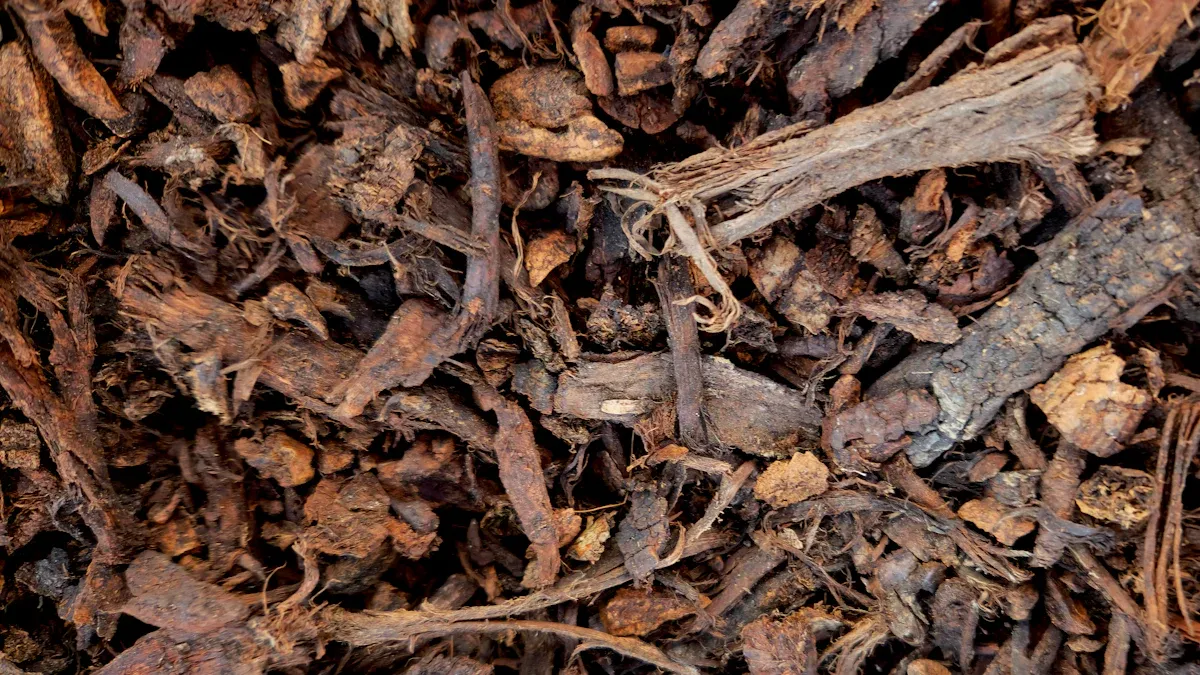
Mulching is a technique where you apply a layer of material on the soil’s surface. This process serves several purposes that can greatly benefit your lawn. Here are some key advantages of mulching:
Nutrient Recycling: When you mulch, especially with grass clippings, you return essential nutrients like nitrogen, phosphorus, and potassium back to the soil. This natural fertilizer helps your lawn thrive.
Moisture Conservation: Mulch acts like a blanket, keeping moisture in the soil. This means you won’t have to water as often, saving you time and resources.
Weed Suppression: A good layer of mulch can block sunlight, making it harder for weeds to grow. This reduces the need for chemical weed killers, which is better for the environment.
Soil Health: Mulching improves microbial activity in the soil. Healthy microbes are crucial for breaking down organic matter and enhancing nutrient cycling.
Ideal Conditions for Mulching
To get the most out of mulching, timing and conditions matter. Here are some ideal situations for mulching:
Seasonal Timing: Mulching works best in spring and fall. In spring, it helps conserve moisture as temperatures rise. In fall, it insulates the soil, protecting roots from frost.
Material Choice: You can use various materials for mulching, such as:
Grass clippings: Rich in nitrogen and decompose quickly.
Shredded leaves: Free and beneficial, though some may find them unattractive.
Straw: Great for moisture retention.
Pine needles: Ideal for acid-loving plants.
Tip: Avoid mulching when the lawn is wet. Wet grass can clump together, reducing airflow and increasing the risk of fungal diseases.
By understanding the benefits and ideal conditions for mulching, you can make informed decisions about your lawn care. This knowledge will help you weigh the pros and cons of mulching vs bagging effectively.
Bagging Basics
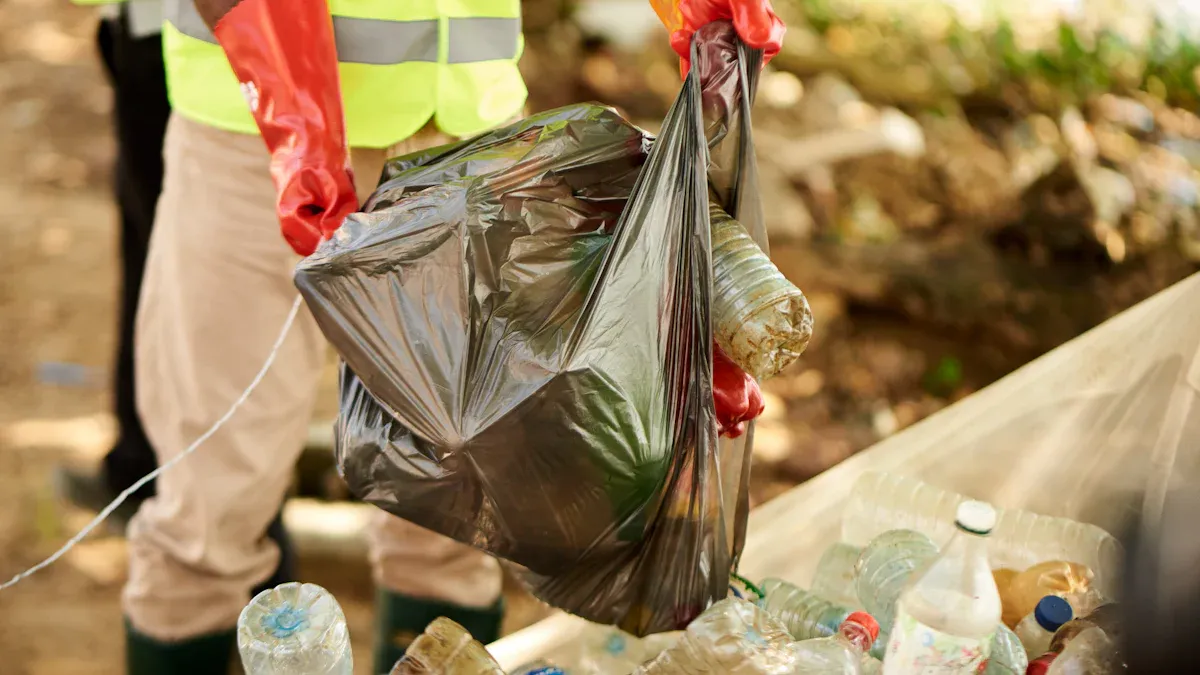
Bagging is the process of collecting grass clippings during mowing using a mower equipped with a bagging attachment. This method not only helps maintain a neat appearance for your lawn but also enhances curb appeal. Here are some benefits of bagging:
Benefits of Bagging
Aesthetic Appeal: Bagging grass clippings enhances your lawn’s appearance by eliminating visible clumps. This contributes to a tidier look and improved curb appeal. In contrast, mulching offers a more organic aesthetic, but improper management can lead to thatch accumulation, which may detract from your lawn’s health and visual appeal.
Disease Control: Bagging helps you manage lawn diseases and pests. By removing infected clippings, you can control the spread of diseases and pests that could harm your grass.
Cleanliness: If you have children or pets, bagging keeps your lawn clean and safe. It prevents clippings from sticking to shoes or paws, making your outdoor space more enjoyable.
Convenience: Using a mower with a bagging attachment simplifies the task of collecting clippings. You can easily dispose of them, whether you choose to compost or discard them.
Ideal Conditions for Bagging
Certain conditions make bagging preferable for lawn care. Here are some situations where bagging shines:
Condition | Explanation |
|---|---|
Wet or overgrown grass | Prevents clumping and suffocation of the lawn, minimizing thatch buildup. |
After weed or seed flushes | Limits the spread of invasive species and prevents composting of seeds that could germinate. |
Managing lawn diseases or pests | Removes infected clippings to control the spread of diseases and pests. |
Aesthetic preferences | Keeps the lawn tidy, especially for homes with children or pets, or for those who prefer neatness. |
Seasonal transitions | Beneficial during spring and fall when grass types release seeds or during excessive rain. |
Tip: Avoid bagging wet grass. It can lead to clumping and clogging, making mowing less efficient.
By understanding the benefits and ideal conditions for bagging, you can make informed decisions about your lawn care. This knowledge will help you weigh the pros and cons of mulching vs bagging effectively.
Comparing Mulching vs Bagging
Aesthetic Considerations
When it comes to how your lawn looks, mulching and bagging offer different visual appeals. If you prefer a neat and manicured lawn, bagging is the way to go. It collects grass clippings, leaving your yard looking tidy and well-kept. This clean appearance can enhance your home’s curb appeal and show that you pay attention to detail.
On the other hand, mulching leaves clippings scattered across the lawn. While this method may not look as polished, it has its own charm. Some homeowners appreciate the natural look that mulching provides. However, if you don’t manage it well, mulched clippings can create a messy appearance, especially if they clump together.
Here’s a quick comparison of how each method affects your lawn’s appearance:
Bagging:
Results in a neat and manicured lawn.
Enhances curb appeal and reflects care.
Mulching:
Leaves clippings on the lawn, which may appear less tidy.
Offers a more organic aesthetic but requires careful management.
Maintenance and Cleanup
Both mulching and bagging come with their own maintenance and cleanup requirements. Understanding these can help you choose the right method for your lawn care routine.
Bagging requires you to empty the bag multiple times, especially if you have a larger yard. This can be a hassle, but it does provide a clean look. It’s particularly useful for managing tall grass or heavy leaves. Here’s a quick overview of the cleanup requirements for each method:
Method | Cleanup Requirements | Pros/Cons |
|---|---|---|
Bagging | Requires frequent emptying of the bag. | Provides a clean look and helps control weeds. Ideal for tall grass or heavy leaves. |
Mulching | Involves cutting leaves into small pieces and can be done without a bag. | Reduces volume and returns nutrients to the soil, but may require regular maintenance. |
With mulching, you don’t have to deal with bags, which can save you time. It also helps reduce the volume of yard waste sent to landfills, making it an environmentally friendly option. In fact, mulching contributes to nutrient recycling by returning essential nutrients like nitrogen, potassium, and phosphorus back to the soil. This can decrease the need for additional fertilizers and enhance soil health.
However, regular mulching is necessary to prevent mower overload from thick layers of leaves. If you let them pile up, you might find yourself with a messy lawn that requires more effort to clean up.
Making the Right Choice
Personal Preferences
When deciding between mulching and bagging, your personal preferences play a significant role. Here are some factors to consider:
Aesthetics: Do you prefer a neat, manicured lawn? If so, bagging might be your best bet. It keeps your yard looking tidy by collecting clippings. However, if you enjoy a more natural look, mulching can add character to your lawn, even if it requires a bit more management.
Lawn Health: Think about what your lawn needs. If your grass is nutrient-deficient, mulching can help. It returns essential nutrients to the soil, promoting healthier grass. On the other hand, if you’re dealing with lawn diseases or pests, bagging can help you manage those issues by removing infected clippings.
Environmental Responsibility: Many homeowners today are eco-conscious. Mulching reduces landfill waste by recycling clippings back into the lawn. If you’re looking to minimize your environmental impact, this method may appeal to you.
Flexibility: You might find that your needs change throughout the year. For instance, you may prefer bagging in the spring when grass grows rapidly and mulching in the summer to conserve moisture.
Tip: There’s no one-size-fits-all solution. Different situations may call for different approaches. Be open to switching between mulching and bagging based on your lawn’s condition and your preferences.
Cost Considerations
Cost is another important factor when choosing between mulching and bagging. Here’s a breakdown of what you might expect:
Service Type | Cost Increase |
|---|---|
Bagging | $5 – $10 extra |
$40 lawn | $60 for bagging |
$30 lawn | $5 more for bagging |
Dumping area | No extra charge |
No dumping area | Additional $5 for bags |
Bagging typically incurs additional costs. You may pay more for the service, especially if you have a larger lawn. However, if you have a dumping area nearby, you can save on disposal fees.
Mulching, on the other hand, is often more cost-effective. You don’t have to worry about disposal fees or extra charges for bagging. Plus, by returning nutrients to the soil, you may reduce your need for fertilizers, saving you money in the long run.
Note: Seasonal changes can also influence costs. For example, in hot, dry weather, mulching helps retain moisture, while bagging may be necessary in wet conditions to prevent clumping. Timing your lawn care activities can help you save money and maintain a healthy lawn.
By weighing your personal preferences and considering the costs, you can make an informed decision about which lawn care method suits you best. Whether you choose mulching or bagging, understanding the pros and cons of each will help you achieve the lawn you desire.
Choosing between mulching and bagging can significantly impact your lawn’s health and appearance. Here’s a quick summary of their key differences:
Aspect | Mulching Benefits | Bagging Benefits |
|---|---|---|
Aesthetics | Can appear unkempt initially but improves over time | Immediate improvement in lawn appearance |
Thatch Accumulation | Healthy clippings do not contribute to thatch | Helps prevent thatch accumulation |
Nutrient Recycling | Reintroduces nutrients back into the soil | Nutrient loss due to removal of clippings |
Weed Control | Can suffocate emerging weeds | Reduces spread of weed seeds and seedlings |
Consider your lawn care goals, climate, and personal preferences when making your choice. Whether you lean towards the sustainability of mulching or the neatness of bagging, understanding your lawn’s needs will guide you to the right decision. Happy mowing! 🌱
FAQ
What is the best time to mulch my lawn?
You should mulch your lawn in spring and fall. In spring, it helps retain moisture as temperatures rise. In fall, it insulates the soil, protecting roots from frost.
Can I bag grass clippings if my lawn is wet?
It’s best to avoid bagging wet grass. Wet clippings can clump together, leading to clogging and making mowing less efficient.
How often should I mow my lawn for mulching?
Mow your lawn regularly, ideally once a week during the growing season. This keeps clippings short and allows them to decompose quickly, benefiting your lawn.
Does mulching help with weed control?
Yes! Mulching can suppress weeds by blocking sunlight. This reduces the need for chemical weed killers, promoting a healthier lawn environment.
Is bagging better for lawn health?
Bagging can help manage lawn diseases by removing infected clippings. However, mulching returns nutrients to the soil, which can enhance overall lawn health.
