

Your shrubs rarely need more fertilizer, but they often need the right kind. A broad lawn feed can overwhelm a flowering shrub, while a fruit-tree formula may leave an evergreen short of the nutrients it needs. The six picks below cover different gardens, including flower beds, mixed landscapes, indoor plants, evergreens, and fruit trees.
The Essentials At A Glance

Down To Earth Organic Flower Garden 5 lb

Sustane All Natural Plant Food 20-Pound

Miracle-Gro Plant Food 3 lb.
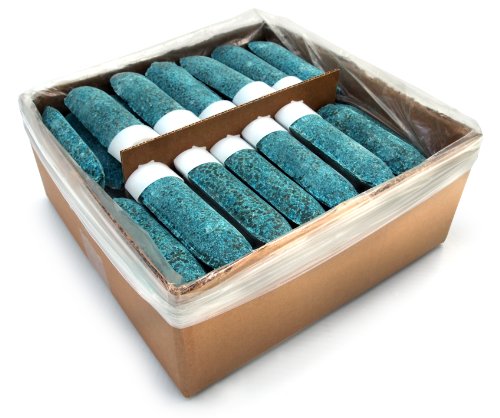
Winchester Evergreen Fertilizer Spikes 70 Count

Winchester Tree and Shrub Spikes 70 Count
Winchester Fruit and Citrus Spikes 70 Count
Taking A Closer Look At The Options
A flower bed beside a shrub border calls for a different balance than a fruiting tree or an evergreen. Down To Earth uses a 2-6-5 NPK ratio, meaning nitrogen, phosphorus, and potassium are supplied in that order, with an emphasis on foliage and flowering growth.
The slow-release approach is useful for gardeners who would rather avoid repeated feeding, while the plant-based ingredients suit gardens that favor natural inputs. For most mixed flower borders, the formula feels more purposeful than a general-purpose feed.
Useful Strengths
- The 2-6-5 ratio supports leafy growth and flowers without the higher nitrogen emphasis found in lawn fertilizer.
- Slow-release nutrients spread feeding over time and reduce the need for frequent applications.
- Natural and organic ingredients fit garden plans that avoid synthetic fertilizer inputs.
- The formula is designed to remain gentle around plants and beneficial insects such as bees and butterflies.
Trade Offs
- The flower-focused ratio is less directly aligned with evergreen shrubs that receive a dedicated 12-10-10 formula.
- The 5 lb package is sized more for concentrated beds than for feeding an entire property.
Feature Snapshot
Who It Suits Best
You benefit most from this option when your shrubs sit within a flower garden or pollinator planting.
Where Another Pick Suits Better
Sustane All Natural Plant Food suits larger mixed landscapes where lawns, trees, shrubs, and flowers need one broad feed.
A large property rarely separates its lawn, foundation shrubs, and flower borders when feeding time arrives. Sustane answers that practical problem with a broad plant-food formula intended for lawns, landscape areas, trees, shrubs, flowers, fruits, and vegetables.
Its 8-2-4 analysis leans toward nitrogen and vegetative growth, which makes it more relevant to leafy shrubs and expansive lawns than to a single flowering bed. The 20-pound package also suits gardeners who want one product for several planting areas.
Real Benefits
- Slow-release organic nitrogen provides longer-lasting nutrition than a quick, frequent feeding schedule.
- One broad formula simplifies feeding across lawns, trees, shrubs, flowers, and edible plantings.
- The 20-pound format gives you more material for large grounds or repeated landscape care.
Practical Considerations
- The nitrogen-heavy 8-2-4 ratio is less flower-focused than Down To Earth’s 2-6-5 blend.
Key Product Details
The Right Fit
You get the most value from this choice when one property contains many types of outdoor plants.
A Better Fit Elsewhere
Down To Earth Organic Flower Garden fits a dedicated flower bed where slower, bloom-focused feeding matters more than broad coverage.
Watering your shrubs already gives you a natural moment to feed them. Miracle-Gro dissolves in water, so this option fits a routine where you dissolve plant food and apply it through your usual watering process.
Unlike the slow-release blends and soil-placed spikes elsewhere in this list, it is intended to feed plants promptly. Its label covers flowers, vegetables, houseplants, roses, trees, and shrubs, making it a practical choice when you tend several kinds of potted and planted greenery.
What Pays Off
- Water solubility makes feeding convenient alongside regular watering.
- The all-purpose format works across indoor and outdoor plant categories.
- Prompt feeding suits gardeners who want a direct method rather than a slow-release schedule.
Details To Watch
- Water-soluble feeding calls for more deliberate watering than placing a spike in the soil.
- It does not offer the extended release associated with Sustane or the Winchester spikes.
Made For
You benefit most from this pick when watering your indoor and outdoor plants already follows a regular schedule.
Consider Something Else When
Winchester Tree and Shrub Spikes suit you better when you want soil-placed feeding with no routine watering step for each application.
Evergreen shrubs can make a mixed landscape awkward to feed because their needs differ from flowering plants and fruit trees. Winchester’s evergreen spikes narrow that decision with a 12-10-10 formula made for trees and shrubs that keep their foliage through the year.
Slow-release nitrogen supports extended nourishment, and the spikes offer a tidier alternative to broadcasting loose fertilizer. The label also describes the product as child and pet-friendly, a useful consideration for planted areas near household activity.
Positive Points
- The 12-10-10 formula targets evergreen trees and shrubs rather than treating them like lawn grass.
- Slow-release nitrogen supports steady nourishment with fewer spreading and watering steps.
Points To Keep In Mind
- Spikes require placement in the soil around each plant, so closely spaced shrubs need individual attention.
Quick Facts
Best Suited To
You get the clearest fit when your landscape centers on evergreen trees and year-round shrubs.
Look Elsewhere When
Winchester Tree and Shrub Spikes suit mixed collections of deciduous trees and shrubs that need a more general formula.
The general tree-and-shrub formula covers a wider range of woody plants than the specialized evergreen option. Its 15-10-9 analysis places the strongest emphasis on nitrogen, which makes sense for plants whose goal is vigorous overall growth.
These spikes are designed to dissolve evenly, providing continuous nourishment in measured soil placements. That makes them especially useful for established shrubs and small trees where you want simple delivery without a separate watering application for each feeding.
Noteworthy Benefits
- The formula supports overall growth in trees and shrubs rather than one specialized plant group.
- Even dissolution is intended to provide continuous nourishment over time.
- The 70-spike case covers repeated feeding across multiple woody plants.
Some Limits To Know
- Each spike must be placed in the soil, which takes more positioning than a broadcast product.
- The 15-10-9 ratio does not match the higher phosphorus and potassium emphasis used for fruit and citrus.
Who Will Love This
You benefit most from this pick when a property contains several established trees and shrubs outside an evergreen-only planting.
Reach For A Different Pick When
Winchester Evergreen Fertilizer Spikes suit you better when year-round foliage is the main reason for feeding.

Fruit trees and citrus shrubs need more than a general tree feed when your goal is strong growth and fruit production. Winchester shifts the nutrient balance to 8-18-18, giving phosphorus and potassium a much larger share than its general tree-and-shrub formula.
Slow nutrient release keeps the specialized formula working over time, while the spike format keeps loose fertilizer out of the surrounding soil. For a home orchard or container-grown citrus, that combination offers a focused feeding method with little application mess.
Where It Delivers
- The 8-18-18 ratio gives fruit and citrus plants a specialized nutrient balance.
- Slow-release nutrients support the trees over an extended period.
- Soil-placed spikes help reduce loose fertilizer around fruit trees.
- The 70-spike case serves multiple fruit or citrus plants.
Where It May Fall Short
- The low-nitrogen, high-phosphorus-and-potassium formula is less suitable for ordinary evergreen shrubs.
- Spikes still require placement around each plant, and container-grown specimens need attention to the label’s application guidance.
Core Details
Built With In Mind
You benefit most from this formula when your priority is fruit trees or citrus plants rather than mixed ornamental shrubs.
Another Choice May Suit
Winchester Tree and Shrub Spikes suit you better for ornamental woody plants that need more nitrogen and less fruit-focused nutrition.
Matching Fertilizer to Your Garden’s Needs
Start with the plant type
Begin with what you are actually feeding. Flower gardens, evergreen shrubs, ordinary trees, and fruit trees do not all need the same nutrient balance, so a lawn fertilizer is not automatically a sensible shrub food. Read the product label and match the intended plants before considering package size.
Understand the NPK ratio
NPK describes the relative amounts of nitrogen, phosphorus, and potassium. Nitrogen supports leafy and vegetative growth, while phosphorus and potassium receive more emphasis in fruit-oriented formulas. The numbers matter because a higher nitrogen percentage does not automatically make a fertilizer better for every plant.
Match the delivery method to your routine
Water-soluble food fits a regular watering schedule because it dissolves and is applied with water. Slow-release loose fertilizer spreads into the soil and reduces frequent feeding. Spikes are placed near individual plants and offer a tidy alternative, but you still need to position them correctly.
Account for the planting area
A concentrated flower bed, a broad lawn, and a row of fruit trees have different coverage needs. Large properties may favor a 20-pound bag of broad-use plant food, while a small group of evergreens or citrus trees may need only a case of targeted spikes.
Avoidable Mistakes in Shrub Feeding
Pitfalls Shoppers Hit
The most common mistake is choosing by package size instead of plant type. Another is applying several fertilizers at once without checking each label, which can give a shrub more nutrients than its planting needs. Follow the listed rate and application method for the specific product.
Why Top Tier Costs More
Cost differences often reflect larger packages, specialized nutrient ratios, or a spike format designed for individual plants. A broader 20-pound lawn-and-landscape food may serve more areas, while a specialized evergreen or fruit formula may be the better match for fewer plants. Pay for the coverage and nutrient profile your garden actually needs.
Frequently Asked Questions
Can I use shrub fertilizer on flowers?
Yes, provided the label identifies flowers as a suitable plant. A flower-focused formula such as Down To Earth Organic Flower Garden may suit a mixed border better than lawn or fruit fertilizer.
Are fertilizer spikes better than water-soluble plant food?
It depends on your routine. Spikes require soil placement and deliver nutrients gradually, while water-soluble food fits regular watering and is intended to act promptly.
How often should shrubs be fertilized?
Follow the product’s application directions because release rates and planting needs differ. Slow-release products and spikes are designed for extended feeding, so they generally do not follow the same schedule as water-soluble plant food.
What NPK ratio is best for shrubs?
No single ratio suits every shrub. General trees and shrubs may suit the 15-10-9 formula, evergreens have a more direct match in 12-10-10, and fruit or citrus plants align with 8-18-18.
Is slow-release fertilizer easier to manage?
It can reduce the need for frequent feeding because nutrients become available over time. You still need to follow the package directions and avoid assuming that slow release eliminates the need to feed a plant regularly.
Final Verdict
Your best match starts with the type of shrub: the 15-10-9 spikes suit general woody plants, 12-10-10 targets evergreens, and 8-18-18 serves fruit and citrus. Sustane covers large mixed landscapes, while Down To Earth and Miracle-Gro suit flower-focused and water-soluble routines. Match the formula and delivery method to your plants before considering the package.
