

A lawn that grows fast through spring can turn into a weekend project, especially when you would rather not wrestle with a fuel mower near flower beds and noise-sensitive neighbors. This collection includes one gas-powered self-propelled mower, three cordless walk-behind options, and two robotic models for yards with slopes, obstacles, or complex boundaries. The right fit depends less on engine type alone than on your lawn size, terrain, storage space, and appetite for maintenance.
How The Shortlist Stacks Up

Makita XML10CT1 21″ LXT 4-Battery Mower Kit
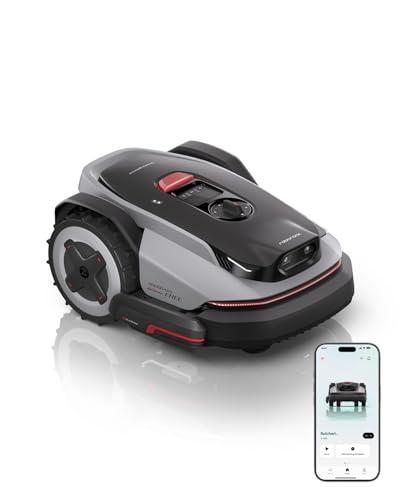
Roborock RockNeo Q110H Wire-Free Robot Mower

SENIX 21″ Self-Propelled Gas Mower

Bosch GRA 18V2-46 Cordless Mower

Roborock RockMow X115H 4WD Wire-Free Robot Mower

Makita DLM532Z 36V LXT Self-Propelled Mower
More Details On Our Top Picks
The Makita XML10CT1 brings the convenience of cordless mowing without asking you to mix oil or pull a starter cord. Its 21-inch deck and self-propelled operation make it a practical fit for suburban lawns where a gas engine would add noise and upkeep. The included four 5.0Ah batteries are the distinguishing feature, giving you more runtime options than a solo-tool package.
Compared with the SENIX 21″ Self-Propelled Gas Mower, this kit trades uninterrupted fuel-based mowing for quieter operation and fewer service tasks. For most homeowners, that balance is easier to live with, particularly during early morning or evening mowing sessions.
Key Advantages
- Four 5.0Ah LXT batteries let you rotate packs across longer mowing sessions.
- The 21-inch cutting deck offers a practical balance for typical residential lawns.
- Two 18V batteries supply the 36V operating platform for stronger grass-cutting performance.
- A brushless motor rated at 3,000 RPM supports consistent blade movement.
- No gasoline means no fuel mixing, engine oil changes, or exhaust during use.
Practical Considerations
- The four-battery kit requires more charging and storage space than a solo mower package.
- Cordless power suits uninterrupted mowing sessions better than large properties that exceed available battery capacity.
Key Specs
Who Will Love This
This mower suits suburban homeowners who already understand battery charging or want to avoid routine gas-engine maintenance.
Consider Something Else When
Choose the SENIX 21″ Self-Propelled Gas Mower instead when continuous fuel-based operation matters more than quiet, battery-only mowing.
For a quarter-acre yard, the RockNeo Q110H turns mowing into a scheduled background task rather than a weekend block of work. Its wire-free setup avoids buried boundary cables, while RTK positioning, VSLAM, and vision-based obstacle detection work together to navigate the lawn. That combination is especially useful around pets, garden ornaments, or irregular planting beds.
The RockMow X115H covers more ground and handles steeper grades, but the Q110H may suit you better when your property fits within one-quarter acre and you prefer the more compact robotics package.
Everyday Advantages
- Automatic mapping removes the need to install perimeter wire.
- App control gives you scheduling and mapping options without a physical control cable.
- AI vision is designed to recognize common lawn obstacles during autonomous mowing.
- The stated quarter-acre capacity fits many compact suburban properties.
Things To Consider
- The 45% slope rating is lower than the RockMow X115H’s 80% rating, so steep terrain deserves a closer fit check.
- Robotic mowing still requires a clear boundary and an accessible charging area.
The Right Fit
This model suits homeowners with a mapped yard up to one-quarter acre who want automated mowing without boundary cables.
Another Choice May Suit
The Roborock RockMow X115H suits larger or substantially sloped properties better.
The SENIX 21″ Self-Propelled Gas Mower is the straightforward gas option in this group, built for people who want a familiar engine and enough capacity for a yard of roughly one-third acre. Its 170cc four-cycle OHV engine produces 3.8 horsepower, while the steel deck and self-propelled drive help you manage dense grass without pushing the machine through every pass.
Unlike the battery-equipped Makita options, this mower continues working without battery charging. The trade-off is fuel storage, engine servicing, and the noise and exhaust that come with a combustion engine.
Points In Its Favor
- A 170cc four-cycle OHV engine provides the strongest gas-powered option here.
- The 21-inch deck supports efficient passes across medium-sized yards.
- Self-propulsion reduces the effort required during extended mowing sessions.
- Six cutting-height positions let you adjust the deck as grass conditions change.
- The three-in-one design supports mulching, bagging, and side discharge configurations.
- A high-strength steel deck gives the mower a substantial core structure.
Worth Noting
- Fuel, oil servicing, and exhaust make it less convenient for noise-sensitive neighborhoods.
Technical Sheet
Made For
This mower fits homeowners with a medium yard who prefer gasoline power, familiar servicing, and a 21-inch cutting deck.
Look Elsewhere When
The Makita XML10CT1 is the better fit for a quieter neighborhood where battery charging and rotation suit your lawn care routine.
The Bosch GRA 18V2-46 is built around compact handling. Its 46cm cutting width, roughly 18 inches, covers less ground per pass than the 21-inch Makita and SENIX mowers, but the 2.2-pound body may be easier to move around a small lawn or carry into a storage shed. Six height settings and a 60-liter grass bag cover the core mowing tasks neatly.
That smaller format makes this a sensible option for a townhouse garden or compact suburban lawn. The trade-off is narrower coverage, which can mean more passes as the yard grows.
Where It Helps
- The lightweight body simplifies carrying and repositioning around a compact yard.
- Six cutting-height settings provide useful adjustment through changing grass growth.
- A 60-liter collection bag reduces the need for frequent bin stops.
- 18V battery power removes fuel storage and engine-starting tasks.
Small Caveats
- The 46cm deck is narrower than the 21-inch decks used by the Makita XML10CT1 and SENIX mower.
- You need access to compatible 18V batteries for operation.
- The included accessories support collection and mulching, but the kit configuration still matters at purchase.
Feature Snapshot
Right Fit For
This mower suits small-lawn owners who prioritize light handling and compact storage over maximum cutting width.
Swap It Out When
The SENIX 21″ Self-Propelled Gas Mower fits you better when a wider deck and fuel-based runtime suit a larger lawn.
The RockMow X115H is the terrain-focused robotic model here. Four-wheel drive, an 80% slope rating, and coverage for lawns up to 0.37 acre distinguish it from the Q110H on larger or more sharply graded properties. RTK positioning and quad-vision navigation work with multi-sensor obstacle detection to manage boundaries and common yard obstructions without a buried wire.
For most homeowners, automatic mapping is the practical starting point. Manual app-controlled mapping provides another way to define irregular edges, although you still need a safe route between the mower and its charging area.
What Works In Its Favor
- Four-wheel drive gives the mower more traction on uneven ground.
- The 80% slope rating expands suitability for steep garden sections.
- Coverage extends to 0.37 acre for moderately sized properties.
- RTK positioning and quad-vision navigation support boundary control.
- Multi-sensor obstacle detection helps the mower respond to lawn hazards.
Areas To Watch
- The larger capacity and four-wheel-drive design may require more clearance around the charging area.
- Very uneven terrain or narrow access paths deserve a layout check before setup.
Built With In Mind
This model suits homeowners with a larger lawn, sloped terrain, or irregular borders who prefer robotic mowing.
A Better Fit Elsewhere
The Roborock RockNeo Q110H is the simpler match for a lawn within one-quarter acre that does not need four-wheel drive.
The Makita DLM532Z gives you a wide, self-propelled 36V mower without a gasoline engine. Its 53cm cutting width translates to about 20.9 inches, placing it between the narrower Bosch GRA 18V2-46 and the 21-inch XML10CT1. That makes it a sensible middle ground for medium residential lawns where a wider pass matters.
The main distinction is the solo-tool format. You are buying the mower without a battery or charger, so existing LXT packs make this especially practical. Without that ecosystem, the four-battery Makita XML10CT1 kit offers a more straightforward starting package.
The Value In It
- The 53cm deck provides broad coverage for medium-sized lawns.
- Self-propulsion reduces pushing effort during routine mowing.
- The 36V LXT platform pairs well with compatible Makita battery equipment.
Possible Compromises
- The solo package requires separate batteries and a charging solution.
- Owning several LXT batteries adds storage requirements.
- The 36V platform needs two 18V batteries during operation.
Core Details
Who Should Grab It
This mower fits Makita LXT owners who already own suitable batteries and want a wider self-propelled deck.
Reach For A Different Pick When
The Makita XML10CT1 is the better fit when you want batteries and chargers included in a four-pack kit.
What Matters Before You Buy a Mower
Engine choice and yard size A gasoline mower gives you continuous operation and straightforward refueling, making the SENIX 21″ Self-Propelled Gas Mower relevant for medium yards with thick grass. Cordless models remove fuel storage and engine servicing, while their battery capacity and charging time become the practical limits. Match the machine to the lawn rather than expecting one format to handle every property equally.
Cutting width and storage A wider deck covers more grass per pass but takes more room to turn and store. The Bosch GRA 18V2-46 is compact at 46cm, while the SENIX, Makita XML10CT1, and Makita DLM532Z offer roughly 21 to 21-inch cutting decks. Consider gates, slopes, and the space where the mower will live between sessions.
Terrain and navigation Flat, open lawns suit conventional walk-behind mowers. Robotic models make more sense when scheduling, wire-free mapping, and obstacle detection matter to you. For sloped grounds, compare the RockNeo Q110H’s 45% rating with the RockMow X115H’s 80% rating, and check that your charging route remains usable.
Common Mistakes Worth Avoiding
Mistakes Worth Dodging Do not choose by engine type alone. A gas mower can suit a large lawn, but fuel storage and servicing still count. Check deck width against your lawn, confirm battery compatibility, and map charging access before committing.
When Paying More Pays Off Extra spending can earn its place through a wider deck, more batteries, stronger obstacle sensing, or terrain capability. Those features help most on large, sloped, obstacle-filled, or irregularly shaped properties.
Frequently Asked Questions
Is a self-propelled gas mower suitable for large lawns?
A self-propelled gas mower suits medium yards where continuous fuel-based operation and a 21-inch deck make sense. For very large properties, battery capacity or robotic coverage may deserve closer attention.
Which option avoids gasoline and engine maintenance?
The Makita XML10CT1, Bosch GRA 18V2-46, Makita DLM532Z, and both robotic models operate without gasoline. Battery-equipped walk-behind mowers still require charging, while robotic models also need a mapped route and charging area.
Do robotic lawn mowers work on sloped lawns?
Both Roborock models include substantial slope capabilities, but their stated ratings differ. The RockMow X115H is the stronger fit for steep terrain, while the RockNeo Q110H suits more moderate grades.
What cutting width works for a medium yard?
A 21-inch deck offers a useful balance of coverage and maneuverability for many medium lawns. The SENIX mower provides that width with gas power, while the Makita models provide similar coverage with battery systems.
Is a wider mower always easier to use?
No. A wider deck reduces passes but needs more turning space and storage room. A narrower mower such as the Bosch GRA 18V2-46 may feel more manageable on a compact lawn.
Final Verdict
The SENIX 21″ Self-Propelled Gas Mower is the direct choice for traditional gas-powered mowing, while the Makita kits suit households prioritizing battery convenience. Bosch offers the most compact walk-behind format, and the two Roborock models serve homeowners who value wire-free automation. Match the machine to your terrain, storage space, and maintenance preferences, then confirm the included accessories or power components before purchasing.
