

Steep side yards and uneven ground can turn mowing into a wrestling match, especially with a mower that lacks traction or has a deck too wide for narrow paths. You need enough power, control, and coverage for your lawn without paying for capabilities you will never use. These six options cover robotic, cordless, gas-powered, and manual approaches, so your best match depends on your terrain, yard size, and tolerance for maintenance.
The Essentials At A Glance
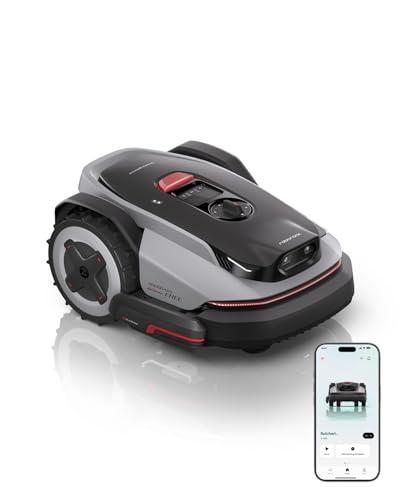
Roborock RockNeo Q110H Wire-Free RTK Robot Lawn Mower, 1/4 Acre

Milwaukee M18 Fuel 21-Inch Dual-Battery Mower

SENIX 21-Inch 170cc Self-Propelled Gas Mower

EGO Power+ LM2156SP-2 Select Cut Self-Propelled Mower
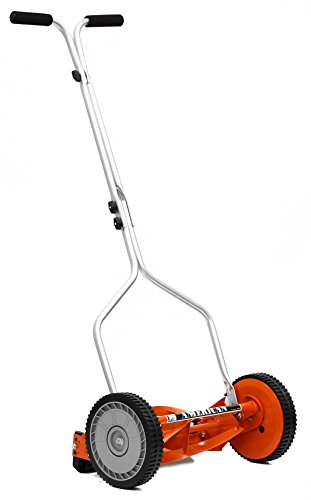
American Lawn Mower 1204-14 14-Inch 4-Blade Reel Mower

Roborock RockMow X115H 4WD RTK Quad-Vision Robot Mower, 0.37 Acre
A Closer Look At Each Pick
The Q110H approaches a rough lawn through precision rather than raw size. Full-band RTK positioning, which uses satellite signals to establish location, works with VSLAM navigation, a system that combines onboard visual data with location tracking. For a yard with irregular borders or obstacles, that combination gives you a more deliberate path than a basic boundary wire setup.
The wire-free design removes the need to install a perimeter cable, which matters on rocky ground or around complicated landscaping. You can select automatic mapping for an open lawn or manually draw the boundary through the app. Its published 45% slope capability and quarter-acre coverage make it a practical fit for many sloped residential yards, depending on your terrain and lawn shape.
Well-Handled Touches
- Wire-free setup avoids buried boundary lines
- Automatic and app-directed mapping offer flexible control
- Vision-based obstacle detection supports yards with visible hazards
- Quarter-acre capacity suits many suburban backyards
Practical Considerations
- Check your lawn against the published slope and coverage limits before choosing a larger robotic model
Feature Snapshot
Made For
You benefit most from this model in a quarter-acre yard with sloped ground, mixed planting beds, and a preference for app-controlled mowing without boundary wires.
Consider Something Else When
Roborock RockMow X115H suits you better when four-wheel drive, a larger 0.37-acre capacity, and a published 80% slope rating are priorities.
Where the Q110H works automatically, the Milwaukee keeps you physically involved with the cut. Its rear-wheel self-propulsion uses active speed management from 0 to 4 MPH, giving you room to slow down around uneven sections or accelerate across a straighter run. The 21-inch steel deck provides useful width without moving into the larger walk-behind category.
Dual 12.0Ah batteries and the rapid charger suit large properties where stopping for a battery change can break your rhythm. A seven-position control adjusts the cutting height from 1 to 4 inches, while mulch, bagging, and rear-discharge modes let you adapt the mower to grass conditions and your preferred cleanup routine.
Where It Excels
- Adjustable self-propelled speed helps you control the pace over changing ground
- Two large batteries support extended mowing sessions
- The 21-inch steel deck balances cutting width with maneuverability
Worth Noting
- Two batteries and a charger require more storage space than a single-battery setup
- Rear-wheel drive may feel less composed than four-wheel-drive models on especially steep or loose ground
Quick Facts
Right Fit For
This mower fits owners of large suburban lawns who want cordless power, a 21-inch deck, and direct control over mowing speed.
Another Choice May Suit
EGO Power+ LM2156SP-2 Select Cut Self-Propelled Mower is a closer fit when interchangeable blades and the included charger system matter more than rear-wheel speed management.
The SENIX mower brings a familiar gas engine to the same 21-inch format offered by the Milwaukee. Its 170cc four-cycle OHV engine uses an overhead-valve layout, meaning the valves sit above the cylinders, and the listed 3.8 horsepower provides useful pulling power for a walk-behind mower. You avoid battery charging and fuel remains convenient for long mowing days.
For a medium yard, the combination of a 21-inch steel deck, self-propulsion, and a claimed capacity for one-third-acre maintenance creates a practical balance. Six cutting positions let you adjust the height, and the 3-in-1 system can mulch, bag, or discharge clippings from the rear. Compared with the Milwaukee, it favors straightforward gasoline operation over battery swapping.
Benefits That Matter
- Gas engine avoids interruptions for battery charging
- Self-propulsion reduces the effort of moving across the lawn
- Three clipping-management options suit different cleanup preferences
- Six height settings provide useful control over cut consistency
Small Caveats
- Fuel storage, engine upkeep, and emissions add considerations absent from electric models
- The one-third-acre capacity is smaller than what some large properties may require
- Published specifications do not identify a four-wheel-drive or specific slope rating
Who Will Love This
This mower suits owners of medium yards who prefer predictable gas runtime and want mulching, bagging, or rear discharge without managing cordless batteries.
Look Elsewhere When
Milwaukee M18 Fuel 21-Inch Dual-Battery Mower fits you better when quiet operation, two batteries, and adjustable self-propelled speed are more important than fuel-based convenience.
EGO gives you more control over the cutting system than the SENIX, with three interchangeable lower blades for mulching, high-lift bagging, and extended runtime. That flexibility matters as grass changes through the season. You can switch the approach rather than forcing one blade to handle every mowing condition, while Touch Drive self-propulsion keeps the mower moving at a controlled pace under your hands.
Two 56V 10.0Ah batteries and the 700W turbo charger make this a ready-to-use cordless package. The mower also provides 8.3 foot-pounds of torque and a 21-inch cutting deck. Like the SENIX, it is a walk-behind machine, but the battery-powered format avoids fuel storage and keeps the operating experience quieter.
Everyday Wins
- Three lower blades accommodate mulching, bagging, and runtime priorities
- Touch Drive gives you responsive control over self-propelled motion
- Two high-capacity batteries reduce the need for mid-session charging
- The 700W turbo charger supports recovery between battery packs
- No gasoline means no fuel mixing or engine-oil changes
Trade Offs
- The interchangeable blade system adds more parts to manage than a fixed-blade mower
Key Details
Built With In Mind
This mower fits homeowners who regularly change mowing tasks and want cordless self-propulsion with dedicated blades for mulching, bagging, and longer runs.
Swap It Out When
American Lawn Mower 1204-14 14-Inch 4-Blade Reel Mower suits you better for a small, fine-turf lawn where simple manual operation matters more than powered blade choices.
For a small patch of turf, the 1204-14 strips away nearly every complication associated with powered mowers. It weighs 19 pounds, has no engine or battery, and rolls behind you on 8.5-inch polymer wheels. A four-blade reel cuts against the lawn as you push, making this a direct fit for fine turf rather than thick, neglected growth.
The 14-inch cutting width makes short, frequent passes across a compact yard, and the adjustable blade height ranges from 0.5 to 1.75 inches. It can handle grass up to 4 inches tall, but the reel design works best when you cut regularly and keep the lawn at a manageable height. The honest read is that this mower rewards a tidy, compact space rather than a sprawling property.
The Value In It
- The 19-pound frame and compact deck simplify storage and maneuvering
- Manual reel cutting provides a straightforward alternative to fuel or batteries
Things To Consider
- The 14-inch width means more passes across a medium or large lawn
- Very tall grass can be difficult for a reel mower to cut cleanly
- It lacks the powered traction listed for the robotic and self-propelled options
The Right Fit
You benefit most from this model on a small lawn with regular maintenance, thin-to-medium turf, and a preference for a lightweight manual mower.
A Better Fit Elsewhere
Roborock RockNeo Q110H Wire-Free RTK Robot Lawn Mower fits larger or more uneven yards better when automatic mowing and slope handling outweigh manual effort.
The X115H extends the Q110H’s wire-free approach with four-wheel drive, a larger 0.37-acre capacity, and a published 80% slope rating. Four-wheel drive means power reaches all four wheels, which can improve traction on uneven ground. That makes this the most clearly terrain-oriented robotic option in the group, especially for lawns with pronounced slopes or soft patches.
Full-band RTK works alongside quad-vision navigation, using multiple camera views to help the mower understand its surroundings. Multi-sensor obstacle avoidance adds another layer of detection, while automatic and app-controlled mapping let you tailor the operating area. Compared with the Q110H, the clear advantages are the broader coverage, higher slope figure, and four-wheel traction.
Everyday Advantages
- Four-wheel drive supports traction on uneven ground
- The 80% slope rating suits more demanding lawn contours
- Coverage reaches up to 0.37 acre for larger robotic mowing areas
- Quad-vision navigation adds multiple visual perspectives
- Automatic and manual mapping offer flexible boundary control
Points To Keep In Mind
- Boundary mapping and app setup require attention before mowing begins
- The larger robotic format calls for more lawn space and careful route planning around obstacles
Technical Highlights
Whose Shelf It Belongs On
This model belongs with owners of larger, sloped lawns who want four-wheel traction and automatic mowing across a broad, irregular property.
Where Another Pick Suits Better
Milwaukee M18 Fuel 21-Inch Dual-Battery Mower fits you better when you want to guide a 21-inch walk-behind mower directly and prefer two batteries over robotic navigation.
Matching Mower Capability to Your Terrain
Start With the Ground You Actually Have
Measure the steepest sections, inspect loose soil, and note how narrow the access paths are. Slope ratings matter only when the manufacturer provides one, while four-wheel drive can improve traction across uneven ground. A 21-inch deck may be convenient in an open yard but awkward between closely spaced trees.
Match Power to Lawn Size
The SENIX and Milwaukee use 21-inch decks, while the EGO offers a similar powered format with interchangeable blades. The American Lawn Mower covers less ground per pass and suits smaller lawns. Robotic models add scheduled, unattended mowing, but their listed acreage and slope limits should guide your decision.
Consider Battery, Fuel, and Manual Operation
Cordless models need storage for batteries and chargers, while gas equipment adds fuel and engine maintenance. The reel mower has neither power source and rewards regular cutting. Choose the operating system you will actually maintain rather than the one that sounds simplest in principle.
Check the Finishing Task
Mulching returns clippings to the lawn, bagging collects them, and side or rear discharge handles longer clippings. The SENIX and Milwaukee support multiple disposal approaches, while the EGO changes blades for specific jobs. This distinction can matter more than small differences in drive speed once the terrain is manageable.
Practical Lessons Before You Buy
Mistakes Worth Dodging
Do not choose by cutting width alone. Deck width affects each pass, but slope capability, traction, and the shape of your lawn determine how easily the mower completes them. Measure your lawn and note obstacles, narrow paths, and the steepest incline before comparing models.
What The Higher Tier Buys
A more capable robotic mower may add four-wheel drive, broader coverage, stronger slope ratings, or more elaborate navigation. Those features help on demanding properties, while a simpler mower can serve a smaller lawn with fewer setup decisions. The useful upgrade is the one that solves a condition on your ground.
Frequently Asked Questions
What is the best type of mower for uneven ground?
A mower with strong traction and a published slope rating is the most useful starting point. Four-wheel drive can help on rough ground, while robotic models with precise mapping suit larger or more irregular lawns.
Is a robotic mower suitable for steep lawns?
It can be, provided the published slope rating covers your lawn. You should also check the boundary setup, obstacle detection, and whether the mower can maintain traction in your particular soil and grass conditions.
Is a 21-inch mower better than a 14-inch mower?
A 21-inch mower covers more ground per pass and suits medium or large lawns. A 14-inch reel mower is easier to maneuver and store, making it more practical for a small, regularly maintained yard.
Should I choose gas, cordless, or manual?
Choose gas for familiar fueling with fewer battery-storage considerations. Cordless removes fuel and engine maintenance, while manual operation is simple and suited to small lawns with manageable grass.
Do I need four-wheel drive for a rough lawn?
It can improve traction on uneven or soft ground. Published slope ratings, wheel design, and your actual terrain also matter, so four-wheel drive should be part of a broader compatibility check.
The Takeaway
The right rough terrain mower matches your yard rather than chasing the largest specification. The RockMow X115H leads the terrain-focused options with four-wheel drive, while the Q110H serves smaller mapped lawns. For hands-on mowing, the Milwaukee and EGO prioritize cordless power, the SENIX favors gas convenience, and the American Lawn Mower keeps small lawns simple.
